Views: 0 Author: Site Editor Publish Time: 2026-07-21 Origin: Site


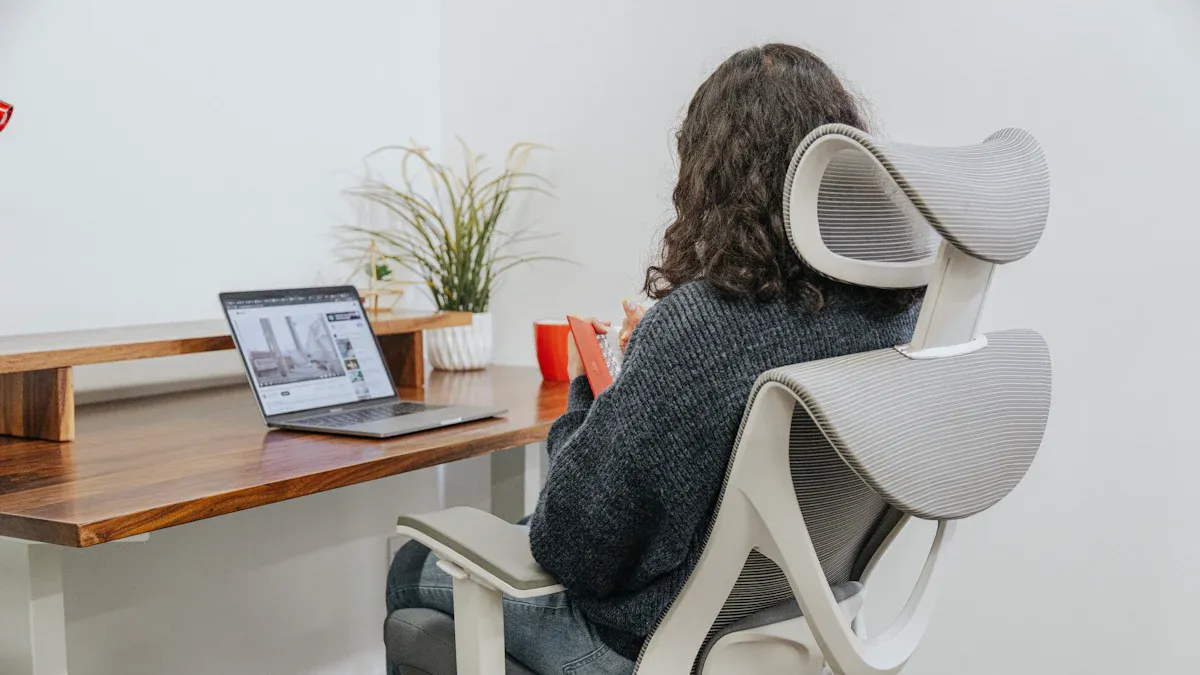
When you use desk chair category classification office furniture taxonomy, you can find the best office furniture for your health and productivity. These systems help you match furniture to your body’s needs. If you ignore desk chair category classification office furniture taxonomy, you risk using the wrong office furniture. Recent studies show that poor chair selection causes neck pain in 58.6% of office workers and lower back pain in over half. Desk chair category classification office furniture taxonomy makes it easier to choose furniture that prevents discomfort. You support long-term health when you use office furniture that fits you well. Desk chair category classification office furniture taxonomy guides you to the right choices, so you stay comfortable at work.
Desk chair classification helps you find furniture that fits your body, improving comfort and productivity.
Ignoring furniture taxonomy can lead to discomfort and health issues like neck and back pain.
Different chair types, such as executive, task, and conference chairs, serve unique purposes and comfort needs.
Adjustable features in chairs, like lumbar support and seat height, are essential for personalizing your workspace.
Using furniture taxonomy allows you to quickly compare options and select the best fit for your tasks.
Investing in ergonomic furniture can prevent long-term health problems and enhance your work performance.
Regularly adjusting your chair and changing your posture can reduce fatigue and discomfort during long work hours.
Testing furniture in person ensures you choose the right chair that meets your comfort and ergonomic needs.
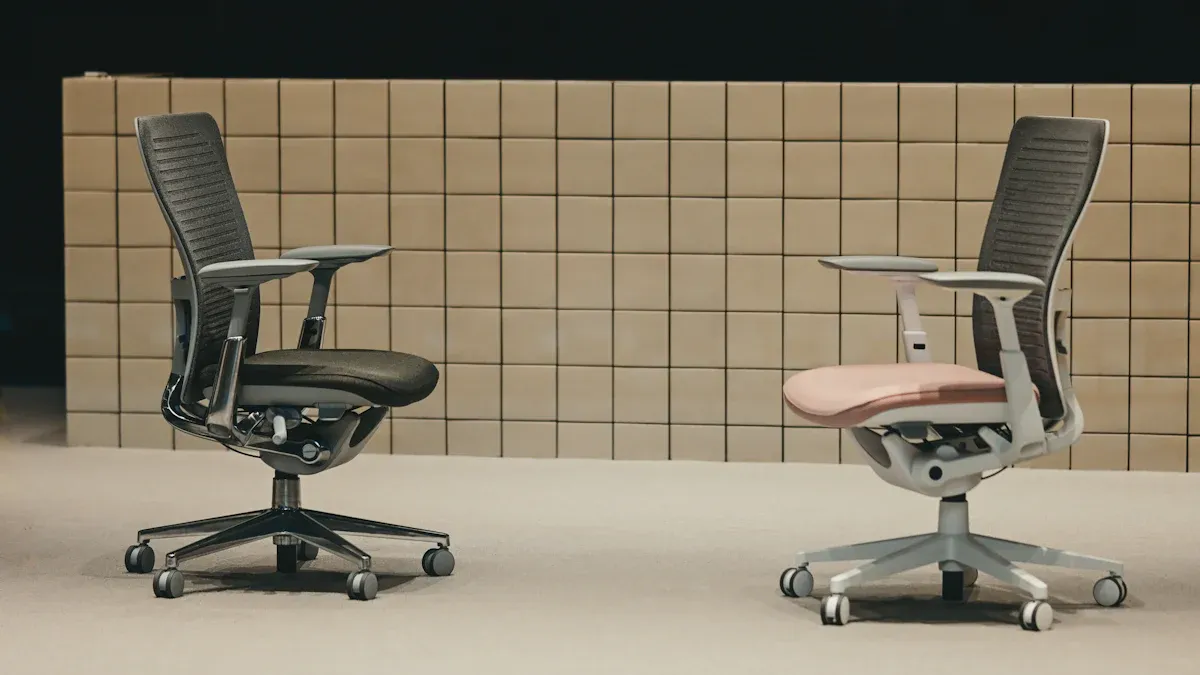
You use desk chair category classification to organize furniture in your workspace. This system helps you understand how different chairs fit into the larger office furniture taxonomy. When you follow furniture product categorization, you can identify which chair suits your needs. You see that each chair type has unique features designed for specific tasks. You avoid confusion and discomfort when you know how to classify your furniture.
You find several main types of desk chairs in modern offices. Each chair serves a different purpose and offers distinct comfort features.
Executive chairs provide a high level of comfort and support. You notice their tall backs, plush cushioning, and adjustable features. These chairs often use premium materials and offer advanced ergonomic adjustments. You choose executive chairs for leadership roles or long hours at your desk.
Task chairs focus on versatility and ergonomic support. You use these chairs for daily work at your desk. Task chairs include adjustable seat height, lumbar support, and multi-adjustable armrests. You benefit from their flexibility and foundational ergonomic features.
Conference chairs suit meeting rooms and collaborative spaces. You see that these chairs prioritize mobility and ease of use. Conference chairs often have simple adjustments and lightweight designs. You select them for short-term seating and group discussions.
Specialized chairs address unique needs in the office. You find saddle chairs that promote upright posture and drafting chairs for tall workstations. Gaming chairs offer comfort and style for long hours. Big and tall office chairs provide extra support for larger users. Stackable and multi-purpose chairs help you create flexible office environments.
Tip: You improve your workspace by matching the right chair to your task.
You look for comfort features when you select furniture. Each chair category includes specific ergonomic elements that enhance your experience.
Adjustable lumbar support lets you change height and depth for better back support.
Seat depth adjustment helps you find the right fit for your legs.
Seat height adjustment ensures your feet rest flat on the floor.
4-way adjustable armrests allow you to customize arm support.
Synchro-tilt mechanism keeps your body aligned as you move.
Quality cushioning materials provide lasting comfort.
You compare chair categories using furniture product categorization. You see differences in features and price ranges:
Chair Category | Key Features | Price Range |
|---|---|---|
Budget ergonomic | Seat height adjustment, fixed lumbar, lower-density foam | $200-$400 |
Mid-range ergonomic | Adjustable lumbar, multi-adjustable armrests, cushioning | $400-$800 |
Premium ergonomic | Superior materials, precise adjustments, warranties | $800-$1,500+ |
You select the right office chair by understanding these features. You improve your comfort and productivity when you use proper furniture classification. You avoid discomfort and support your health by choosing chairs that fit your needs.
You use furniture taxonomy to organize and classify furniture in your workspace. This system groups furniture into categories based on their function and design. You see that furniture taxonomy helps you understand how each piece fits into your office environment. When you use furniture taxonomy, you make sense of the wide variety of furniture available. You can identify which items belong together and which serve specific purposes.
Furniture taxonomy gives you a clear structure for your workspace. You avoid confusion when you know where each item belongs.
Furniture taxonomy breaks down furniture into main components. You find that this system makes it easier to locate and compare different types. The main categories include:
Chairs
Tables
Storage units
Desks
Recliners
Benches
Couches
You use these categories to sort furniture in your office. You can quickly find the right chair or desk for your needs. Furniture taxonomy helps you create a balanced workspace by organizing each item according to its role.
Furniture taxonomy guides you when you select comfortable furniture. You see how each category offers unique features that support your health and productivity. For example:
Ergonomic chairs support posture and reduce back pain, enhancing comfort and productivity.
Office storage solutions like filing cabinets and modular units help maintain organized workspaces, which is crucial for productivity.
Workstations and cubicles facilitate collaboration while allowing personal space, essential for dynamic workplaces.
Specialized furniture, such as height-adjustable desks, meets specific operational needs, promoting employee comfort.
You notice that flexible office designs, like the Cross Boundaries office in Beijing, use modular furniture and ergonomic elements. These choices adapt to changing needs and promote employee well-being. When you follow furniture taxonomy, you select furniture that fits your tasks and supports your comfort. You avoid discomfort and create a workspace that helps you stay healthy and productive.
Tip: You improve your workspace by using furniture taxonomy to match furniture to your needs.
You improve your comfort when you choose furniture that fits your body. Desk chair category classification helps you find the right match for your size and shape. When you use a system that evaluates fit, you avoid common problems like back pain and poor posture. Experts use several ergonomic standards to measure how well a chair supports you. The table below shows some of the most reliable methods:
Evidence Description | Findings |
|---|---|
User-Chair Fit Index (UCFI) scale | Highly reliable and valid for determining user-chair fit in VDT workstation. |
RTUC evaluation | New design improves comfort by supporting the user's body in a balanced way. |
Adjustable furniture | Multiple sizes of fully adjustable seats can address anthropometric mismatches. |
Quantitative assessment | Method allows for assessment of chair models based on ergonomic criteria for various body types. |
You see that these standards help you compare different furniture options. You can select a chair that supports your back, legs, and arms. This support keeps you comfortable during long work sessions. You also reduce the risk of injury when you use furniture that matches your body.
Note: Proper ergonomic fit leads to better posture and less strain throughout your workday.
You need furniture that adapts to your unique needs. Adjustable features in ergonomic chairs, such as tilt tension control, seat height adjustments, and backrest angle adjusters, let you customize your seating experience. You can change the settings to fit your body size and work style. This flexibility helps you avoid discomfort and strain that come from poorly fitted chairs.
When you personalize your furniture, you support your health and productivity. You can sit for longer periods without feeling tired or sore. You also create a workspace that feels comfortable and inviting. Adjustable furniture works well for shared office environments, where different people use the same chair. Everyone can find their ideal position with just a few simple changes.
You adjust the seat height so your feet rest flat on the floor.
You set the backrest angle to support your spine.
You move the armrests to reduce shoulder tension.
Personalization makes your workspace more enjoyable and helps you stay focused on your tasks.
You gain many health benefits when you use classified furniture that fits you well. Good ergonomic support reduces the risk of musculoskeletal problems, such as neck and back pain. You feel less tired at the end of the day. You also notice that you can concentrate better and get more work done.
A well-organized office with the right furniture boosts your productivity. You spend less time adjusting your chair or searching for a comfortable position. You can focus on your work instead of your discomfort. Over time, you build healthy habits that support your long-term well-being.
Tip: Investing in the right furniture now can prevent health problems and lost productivity in the future.
You spend many hours sitting at your desk. If you use the wrong chair, you may feel tired and sore by the end of the day. Desk chair classification helps you choose a chair that fits your body and your work style. This reduces discomfort and keeps you energized.
When you use a chair designed for your tasks, you support your back, neck, and legs. You avoid pressure points that cause pain. You also move more during the day, which helps your blood flow and keeps your muscles active. Many studies show that the right chair can make a big difference in how you feel at work.
You can prevent fatigue by choosing a chair with features that match your needs.
Researchers have compared classified desk chairs with non-classified chairs. The results show clear benefits for your comfort and health. The table below summarizes findings from several studies:
Study | Participants | Findings |
|---|---|---|
Irving (1982) | 55 South African Surgeons | Use of a sit-stand chair improved low back discomfort ratings after long surgeries. 100% reported improvement after operations lasting over 2 hours. |
Nerhood & Thompson (1994) | American United Parcel workers | Body part discomfort decreased by an average of 62% and injuries by over 50%. |
Oude Vrielink et al. (1994) | 6 Dutch M volunteers | Sit-stand chairs were not effective in reducing fatigue or discomfort compared to standing only. |
Chester et al. (2002) | 18 American volunteers | Sit-stand chair resulted in higher leg volume changes and discomfort in hips compared to sitting or standing. |
Husemann et al. (2009) | 60 M German College volunteers | Reduced musculoskeletal complaints with sit-stand workstation, no significant effect on task performance. |
Robertson et al. (2013) | 22 F American volunteers | Minimal discomfort over 15 days with ergonomics training; significant differences in pain measures. |
Karakolis & Callaghan (2014) | 14 Articles reviewed | Evidence supports sit-stand workstations in reducing low back discomfort, but some increase in hand/wrist discomfort noted. |
You see that most studies report less discomfort and fewer injuries when you use a classified ergonomic chair. For example, United Parcel workers felt 62% less discomfort and had half as many injuries. Surgeons who used sit-stand chairs during long operations reported less back pain. Some studies found that certain chairs did not reduce fatigue for everyone, but most people felt better with the right chair.
You can reduce fatigue by following these steps:
Choose a chair with adjustable features, such as seat height and lumbar support.
Change your posture often during the day.
Stand up and stretch every hour.
Use a chair that matches your body size and work tasks.
When you select a chair based on classification, you protect your health. You feel less tired and more focused. You also lower your risk of long-term problems, such as back pain and muscle strain. A comfortable chair helps you stay productive and happy at work.
Tip: Listen to your body. If you feel discomfort, adjust your chair or try a different model. Your comfort matters.
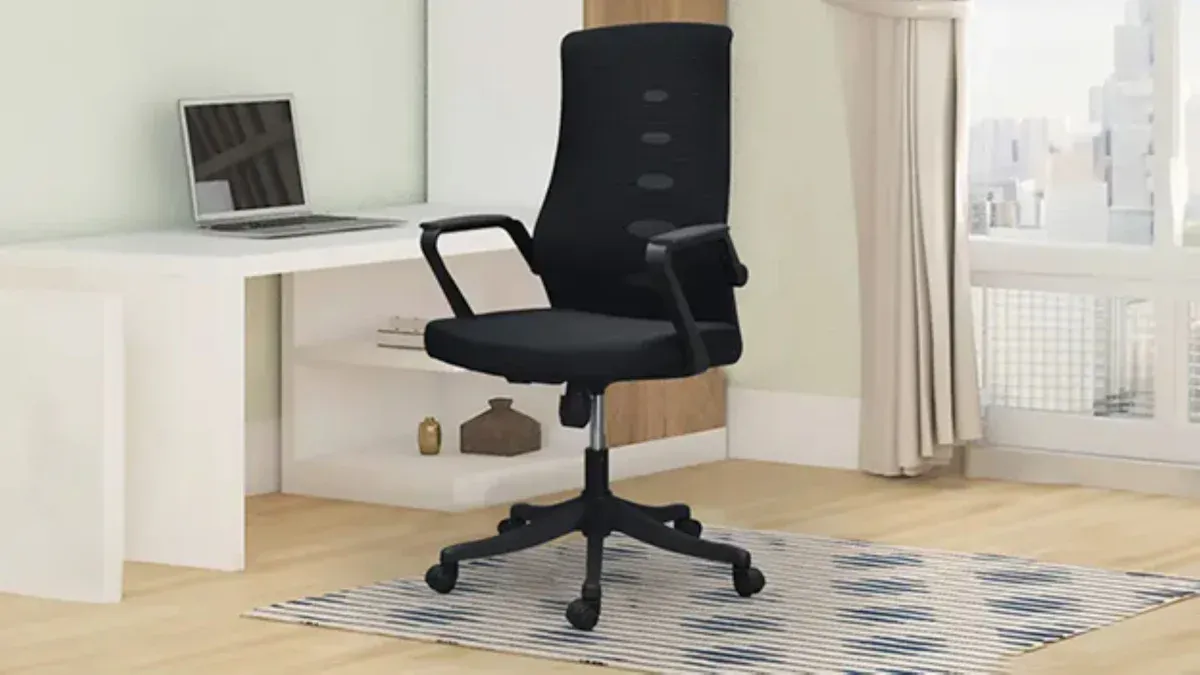
You can make smart choices when you use classification to select comfortable office furniture. This system helps you focus on what matters most for your health and daily tasks. You start by thinking about your body size and the type of work you do. You also look for features that let you adjust the furniture to fit you better. Here are some steps you can follow when choosing the right chairs for your workspace:
Check if the chair matches your body dimensions and the demands of your job.
Look for adjustable features, such as seat height, seat depth, and armrests.
Consider specialized chairs if you have unique tasks, like drafting or long meetings.
Use a checklist to make sure the furniture feels comfortable and suits your needs before you buy it.
Tip: Always test the furniture in person if possible. You can feel the difference right away.
You need to match comfort features to your own ergonomic needs. Each person has a different body type and work style, so you should look for furniture that supports you best. The table below shows some important features and how they help you stay comfortable:
Feature | Description |
|---|---|
Adjustable Seat Height | Lets you set the height for the best leg position and comfort. |
Lumbar Support | Gives your lower back the support it needs, with adjustments for different body shapes. |
Seat Depth and Width | Fits a range of body sizes, helping with comfort and blood flow. |
Adjustable Armrests | Supports your arms, easing strain on your shoulders and neck, with options for width and angle. |
Material Choices | Breathable and strong materials keep you comfortable and make the furniture last longer. |
You should try out these features before you decide. You will notice how much easier it is to work when your furniture fits you well. You can also avoid pain and tiredness by picking the right options.
You can compare different office furniture by using taxonomy. This system groups items by their function and design, making it easier to see what works best for you. When you use taxonomy, you can quickly spot the differences between chairs, desks, and storage units. You also see which items belong together in your workspace.
You might notice that some chairs offer more adjustability, while others focus on style or space-saving. Taxonomy helps you sort through these choices without feeling overwhelmed. You can make a list of what you need and match it to the right category. This method saves you time and helps you avoid buying furniture that does not fit your needs.
Note: A well-organized workspace starts with the right furniture. You can boost your comfort and productivity by using classification and taxonomy together.
You often make mistakes when you ignore classification and taxonomy during furniture selection. Many people believe that thicker seats always provide better comfort, but this idea can mislead you. You may also think that every ergonomic chair must have a headrest, which is not true. Sometimes, you assume that higher-priced chairs guarantee comfort, but price does not always reflect quality.
You might not know how to adjust your furniture properly. Most users only change the height and arms, leaving out important adjustments like seat depth and backrest angle. When you skip these steps, you miss out on features that improve your comfort and health.
Thicker seats do not always mean more comfort.
Not all ergonomic chairs need headrests.
High price does not guarantee comfort.
Most users neglect seat depth and backrest adjustments.
Tip: Learn about classification and taxonomy before you choose furniture. You will make smarter decisions and avoid common mistakes.
You may feel tempted to pick furniture based on how it looks. Many office workers select chairs that match the style of their workspace or brand image. This choice can lead to discomfort and poor health. A poorly chosen chair can cause physical pain, and visitors may associate this discomfort with your brand.
Studies show that companies investing in comfortable, well-designed spaces see higher client satisfaction and engagement. The layout and comfort of seating influence how visitors feel about the environment and their anxiety levels. You should focus on comfort and function, not just appearance.
Appearance matters, but comfort matters more.
Poorly chosen furniture can hurt your brand image.
Comfortable spaces increase satisfaction and reduce anxiety.
Note: Always test furniture for comfort before making a final decision.
You may overlook important ergonomic features when you select furniture. Many users only adjust the height and arms of their chairs, ignoring other settings that affect comfort. The table below shows features that people often miss and their health benefits:
Feature | What It Does | Primary Health Benefit |
|---|---|---|
Lumbar Support | Supports the natural inward curve of your lower spine. | Reduces lower back pain and prevents spinal disc pressure. |
Seat Height | Lets you place your feet flat on the floor. | Promotes healthy blood circulation in the legs. |
Seat Depth | Creates a gap between the seat edge and your knees. | Prevents nerve and blood vessel compression behind knees. |
4D Armrests | Adjusts in height, width, depth, and pivot. | Relieves strain on neck, shoulders, and upper back. |
Synchro-Tilt | Tilts backrest and seat at different ratios. | Encourages movement and improves circulation. |
Recline & Tilt Lock | Lets you set and lock the backrest at various angles. | Allows you to vary posture while staying supported. |
You should check for these features when you select furniture. Proper adjustments help you stay comfortable and healthy throughout the day.
Tip: Take time to learn about ergonomic features. You will protect your health and improve your productivity.
You can avoid discomfort in your workspace by making smart choices when you select office chairs. Many people feel pain or fatigue after sitting for long hours. You do not have to accept this as normal. You can take steps to prevent discomfort and improve your daily experience.
First, you should focus on ergonomic support. You need a chair that follows the natural curve of your spine. Lumbar support helps your lower back stay healthy. Adjustable seat height lets you keep your feet flat on the floor. Armrests reduce strain on your shoulders and neck. You can change these features to fit your body and your work style.
You also need to pay attention to the materials and cushioning. Mesh materials allow air to flow, keeping you cool during long work sessions. Soft but firm cushioning gives you comfort without sinking too deep. You should avoid chairs with hard surfaces or poor padding. These can cause pressure points and pain.
Durability matters when you choose office furniture. You want a chair that lasts for years. Heavy-duty components and a strong frame help prevent breakdowns. A good warranty protects your investment. You can trust your chair to support you every day.
Here are some strategies to help you avoid discomfort:
Look for ergonomic features like lumbar support, adjustable seat height, and armrests.
Choose breathable materials such as mesh for comfort during long hours.
Select a chair with quality cushioning that supports your body.
Invest in a chair with durable parts and a reliable warranty.
Test the chair before you buy it to make sure it fits your needs.
Tip: You should listen to your body. If you feel pain or fatigue, adjust your chair or try a different model. Small changes can make a big difference.
You can also improve your comfort by moving throughout the day. Stand up and stretch every hour. Change your posture often. You will feel less tired and more focused. You can create a workspace that supports your health and productivity.
You do not have to settle for discomfort. You can use classification and taxonomy to find chairs that fit your needs. You will enjoy your workday and protect your long-term health.
You see technology changing how you use office furniture every day. Smart features now appear in many modern chairs and desks. For example, the Aeron chair prototype uses Herman Miller's 'Live OS' technology. This trend shows that companies want to blend technology with comfort and support. You can track your sitting habits, adjust your chair with an app, or even get reminders to stand up. These smart systems help you stay healthy and productive at your computer desk. You also find desks with built-in charging ports and sensors that measure air quality. Technology makes your workspace more interactive and responsive to your needs.
Smart chairs track posture and movement.
Desks include wireless charging and device integration.
Sensors monitor workspace conditions for comfort.
Tip: You can improve your workday by choosing furniture that connects with your devices.
You want your workspace to fit your style and tasks. Customization and modular furniture let you change your office as your needs grow. You can move desks, add storage, or switch out parts without buying new items. Companies now design furniture that adapts to different layouts and work patterns. You can select materials based on performance, not just looks. Many people now shop for furniture online, then visit stores to test it before buying.
Trend Description | Key Characteristics |
|---|---|
Modular Office Layouts | Furniture is increasingly selected based on layout outcomes, allowing for reconfiguration as occupancy patterns change. |
Performance-Based Material Differentiation | Buyers are making more deliberate choices regarding materials, focusing on performance rather than default preferences. |
Hybrid Procurement Approach | The market is shifting towards a combination of online discovery and offline fulfillment, enhancing the purchasing experience. |
You can create a flexible workspace with modular desks and storage units. This approach helps you save money and space. You also get to design an office that matches your workflow.
You will see even more changes in how you choose and use office furniture. Experts predict that ergonomic designs will become the standard. Companies focus on layouts that support comfort and reduce injuries. You will find more adjustable desks and chairs with advanced lumbar support. These features help you avoid posture problems and stay healthy at work.
The rise of co-working spaces and remote work means you need furniture that adapts to many work styles. You might use a computer desk at home one day and a shared table at the office the next. Flexible solutions will help you stay comfortable wherever you work. The market now values furniture that supports wellness and productivity. You can expect more innovation in materials, design, and technology.
Note: You can stay ahead by learning about new trends in office furniture taxonomy. This knowledge helps you make smart choices for your comfort and health.
You improve your comfort and productivity when you use desk chair category classification and office furniture taxonomy. These systems help you select furniture that fits your body and supports your health. You avoid common mistakes by focusing on the right features. Smart sensing chairs and posture detection show that a systematic approach works best. Machine learning models also prove that proper classification leads to better support. You should always use classification and taxonomy when choosing furniture for your office.
Classification helps you match furniture to your needs.
Taxonomy makes it easier to compare different furniture options.
Smart technology in furniture relies on these systems for comfort.
You use desk chair category classification to group chairs by their design and function. This system helps you compare options and select the right furniture for your workspace. You find it easier to match your needs with the best chair.
Office furniture taxonomy organizes furniture by purpose and features. You can quickly identify which items support your health and productivity. This structure helps you avoid discomfort and choose furniture that fits your tasks.
Ergonomic features help you stay comfortable and prevent pain. You need adjustable seat height, lumbar support, and armrests. These features let you personalize your furniture for better posture and long-term health.
Yes, you can use classification to compare furniture types. You look at categories like chairs, desks, and storage units. This method helps you see which furniture meets your needs and fits your workspace.
Many people choose furniture based on appearance or price. They ignore classification and ergonomic features. You should focus on comfort and support to avoid pain and fatigue.
Technology adds smart features to furniture. You can track your sitting habits, adjust settings with apps, and monitor air quality. These innovations help you create a healthier and more responsive workspace.
Modular furniture lets you change your workspace easily. You can move desks, add storage, or reconfigure layouts. This flexibility saves money and space. You design an office that grows with your needs.
Tip: Always test furniture before buying. You feel the difference in comfort right away.