


Professional Office Chair Manufacturer & Custom Seating Solutions
Ergonomic Office Chairs for Comfortable, Productive Workspaces
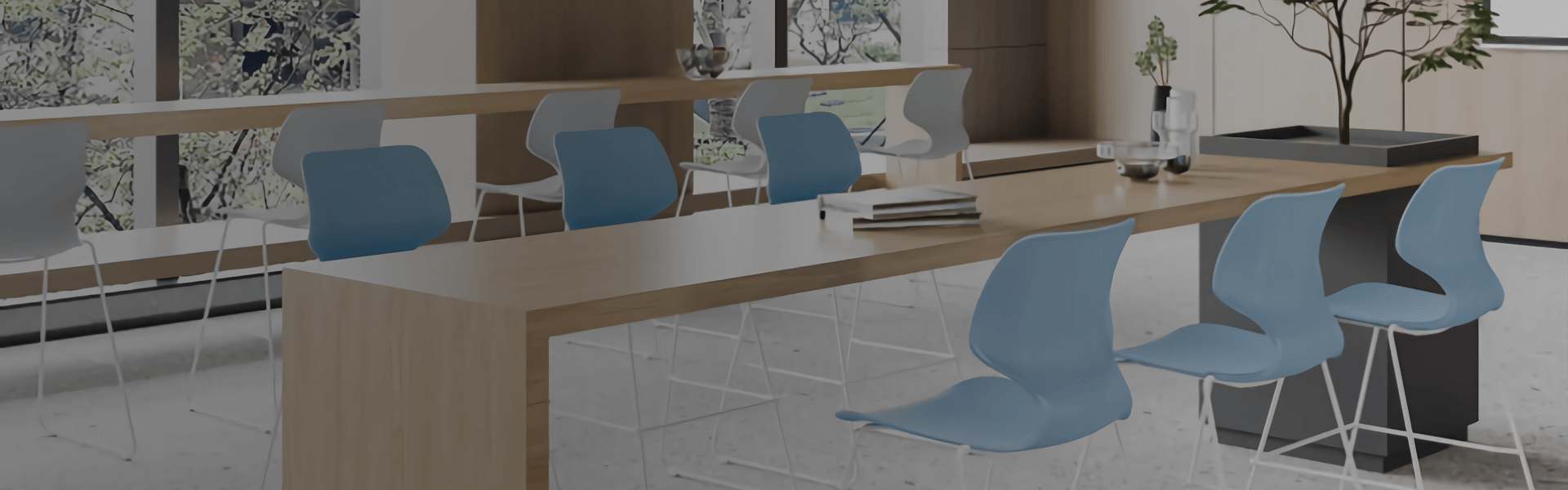
Liyu Furniture supplies commercial office chairs for modern workplaces, including ergonomic task chairs, mesh chairs, executive chairs, training chairs, conference seating, and visitor chairs. Designed for comfort, dependable daily performance, and contemporary interiors, our seating solutions can be configured for offices, education spaces, meeting rooms, and project-based orders.

Why Office Chairs Matter
An office chair is one of the most important pieces of furniture in any workspace because it directly supports how people sit, focus, move, and work throughout the day. The right chair can help create a more comfortable, organized, and professional environment for employees, visitors, and clients. For daily computer-based work, chair selection should consider posture support, seat height, backrest design, armrest position, recline function, and breathability. Ergonomic task chairs and mesh chairs are well suited to shared workstations and long work sessions, while executive chairs bring a more refined presence to private offices and management spaces. Office chairs also influence the visual consistency and functionality of a project. Whether the requirement is for open-plan workstations, meeting rooms, training areas, reception zones, or home offices, a well-matched seating solution helps improve comfort, use of space, and the overall workplace experience.
Explore Our Office Chair Collection


| Workspace Need | Recommended Solution | Key Value |
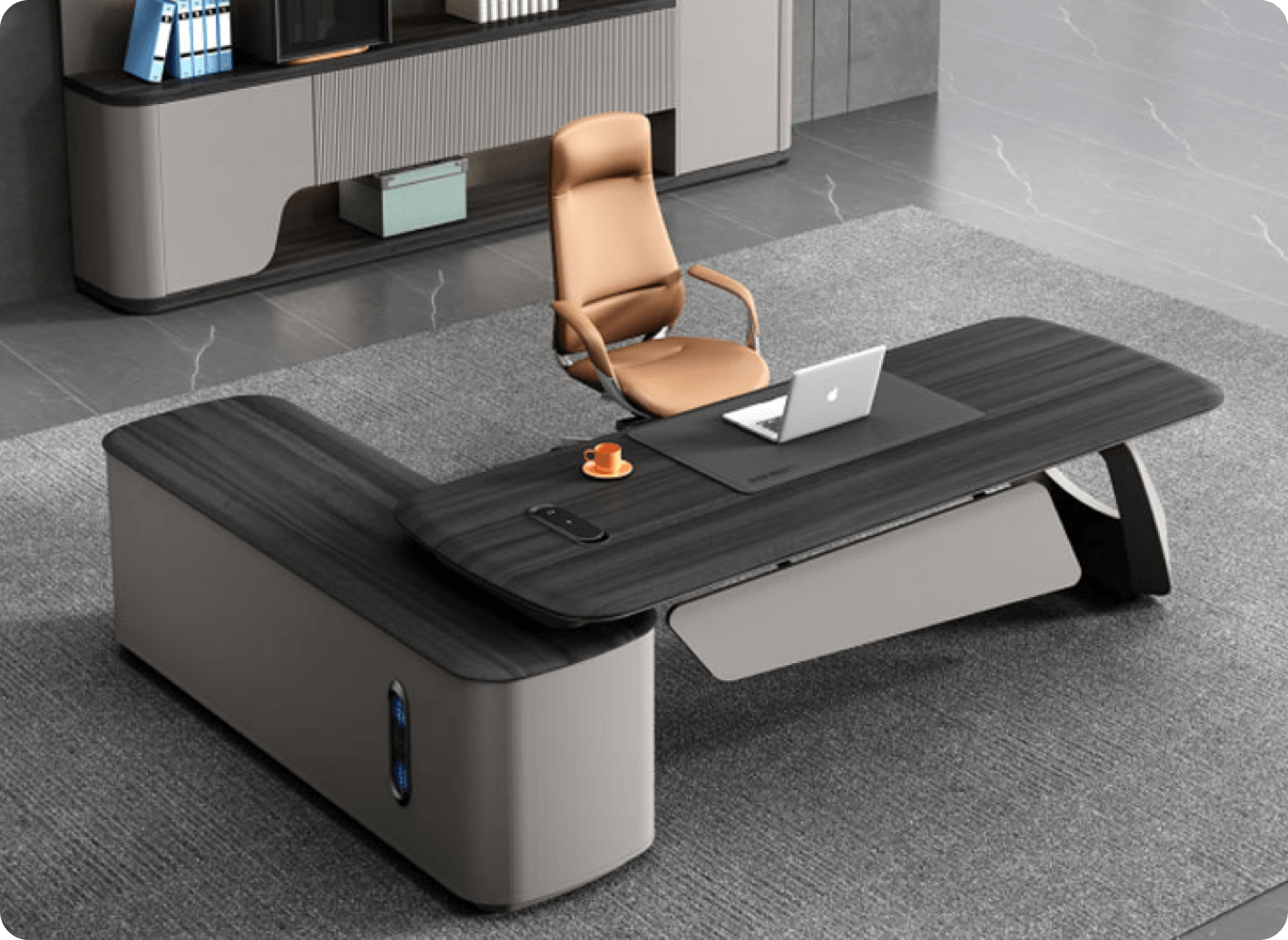
| Executive Offices | Executive Desks | Designed for leadership spaces, executive desks combine a professional appearance, practical storage, and comfortable daily use to create an efficient and refined office environment. |
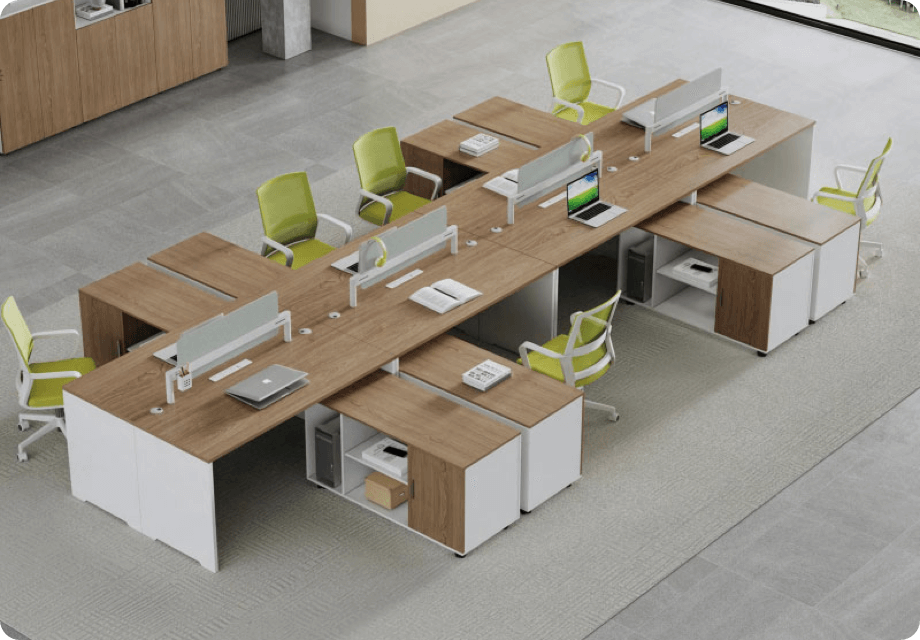
| Open-Plan Workspaces | Workstation Desks & Office Partitions | Workstation desk systems help organize shared office areas, support team collaboration, and improve space division while maintaining a clean and consistent office layout. |
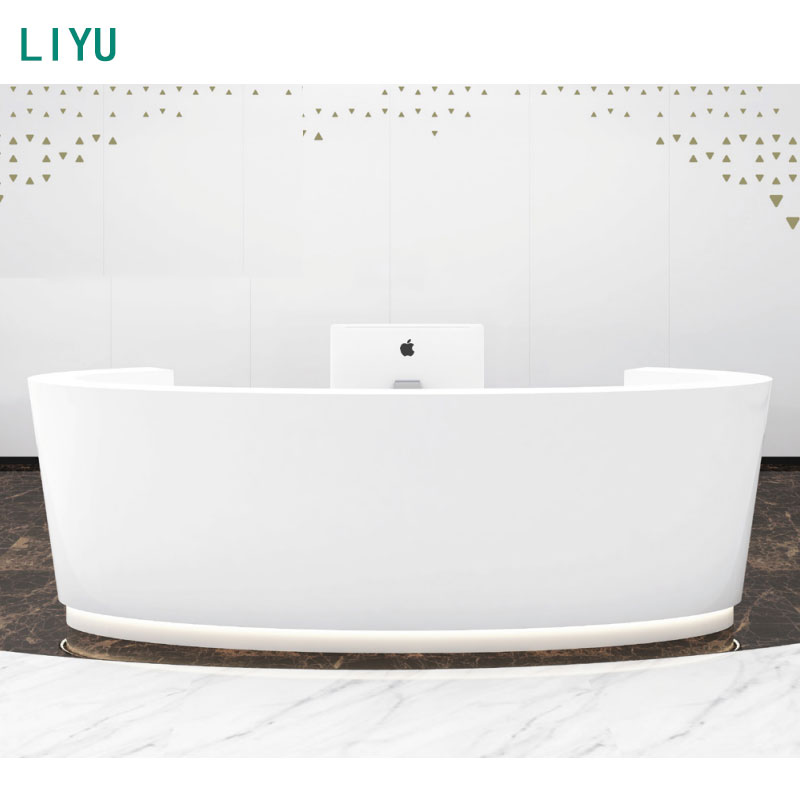
| Reception Areas | Reception Desks | Reception desks create a strong first impression for visitors while providing practical support for front-desk work, storage, and daily communication needs. |
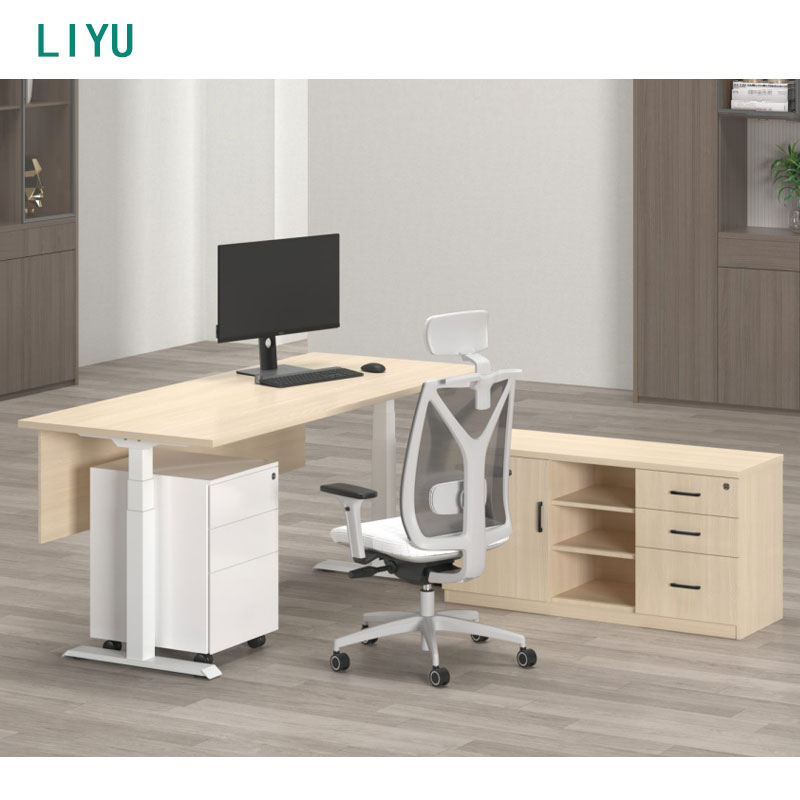
| Flexible Work Environments | Height Adjustable Desks | Height adjustable desks support both sitting and standing positions, helping modern offices create healthier, more flexible, and more comfortable workspaces. |
| Customized Office Projects | OEM & ODM Desk Solutions | Desk sizes, materials, finishes, structures, storage units, and cable management details can be customized according to office layout, project style, and functional requirements. |
Office Chair Categories & Related Solutions
Mesh Chairs
Breathable mesh backs, practical adjustments, and a lightweight visual profile make mesh chairs ideal for workstations, shared offices, and all-day task seating.
Executive Chairs
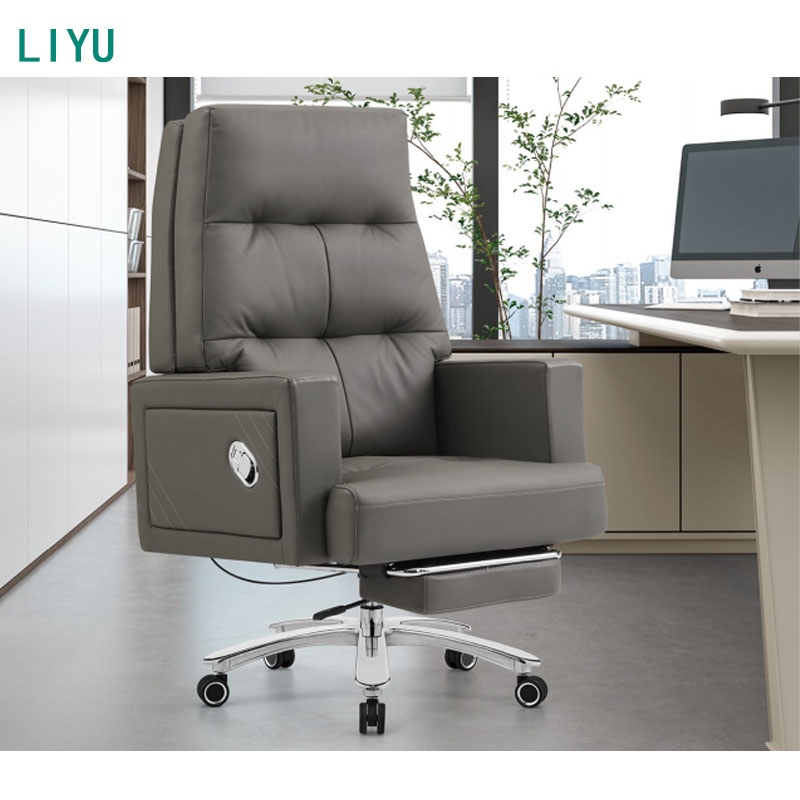
Executive chairs combine premium-looking finishes, supportive cushioning, and a refined presence for private offices, meeting rooms, and leadership spaces.
Training Chairs
Flexible and space-conscious, training chairs can support classrooms, seminar rooms, and multipurpose spaces that need fast layout changes.
Visitor Chairs
Visitor chairs provide comfortable, coordinated seating for reception areas, meeting rooms, and short-term guest use.
Why Choose Our Office Chairs
Our office chair solutions are developed for the way modern workplaces function and evolve. By combining ergonomic thinking, practical materials, clean design, and flexible customization, we help clients create seating solutions that are comfortable, professional, and suitable for a wide range of commercial projects.

Ergonomic Comfort & Adjustability
A well-planned office chair should make it easier to maintain a comfortable working position throughout the day. Our seating options can include adjustable seat height, lumbar support, recline functions, armrests, headrests, and suitable casters to support different users, work styles, and floor surfaces.

Modern Styles for Every Workspace
Office chairs contribute to the overall character of a workspace. Our collections offer mesh, upholstered, leather-look, and minimalist seating styles that can be coordinated with executive offices, collaborative spaces, meeting rooms, and reception areas.

Durable Materials & Reliable Mechanisms
Commercial seating needs to perform under regular use. We focus on material selection, stable frames, reliable bases, smooth-rolling casters, and practical mechanisms so that chair configurations can support long-term use in busy workplace environments.
Contact Us
Office Chair Applications

Executive Offices
Executive chairs provide supportive comfort and a refined appearance for managers, directors, and private office settings.

Open-Plan Workstations
Ergonomic task chairs and mesh chairs help support flexible, comfortable seating for teams working in shared office layouts.

Meeting & Collaboration Areas
Conference chairs and meeting seating create coordinated, comfortable spaces for discussions, presentations, and teamwork.

Home Offices & Small Teams
Compact task chairs provide practical comfort and visual flexibility for home offices, small studios, and focused work areas.
OEM & ODM Office Chair Service
Every workplace has different user profiles, seating densities, visual standards, and budget considerations. Our custom office chair solutions help clients specify seating that fits their layout, supports daily work, and matches the overall style of the project. From executive suites to large workstation projects, we provide flexible customization for a broad range of commercial seating needs.
Custom Chair Configurations
Seat dimensions, backrest height, armrest options, headrests, bases, and casters can be selected to suit user needs, desk height, floor type, and workspace planning.
Custom Upholstery & Finishes
A range of mesh, fabric, leather-look, and color options can be selected to coordinate office chairs with interior styles, brand palettes, and project requirements.
Custom Mechanisms & Components
Chair mechanisms, recline functions, lumbar support, armrests, bases, and mobility options can be configured for different usage scenarios and market positions.
Custom Branding & Packaging
Logo embroidery, color matching, private-label details, carton design, manuals, and packaging methods can be discussed for projects that require a tailored brand presentation.

Your Reliable Office Chair Manufacturer for Modern Workspaces
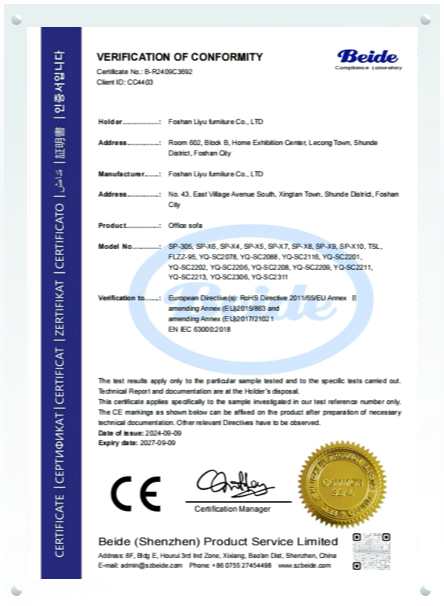
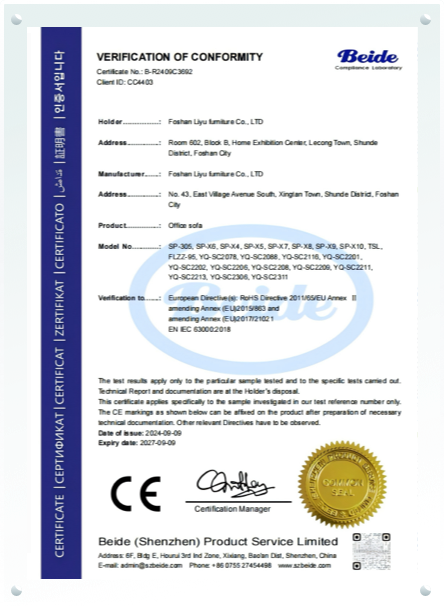
Liyu Furniture is a professional office furniture manufacturer focused on seating solutions for commercial workspaces. Our office chair range includes ergonomic task chairs, mesh chairs, executive chairs, training chairs, conference seating, and visitor chairs for a variety of workplace environments. We pay attention to user comfort, practical adjustment features, stable structures, durable materials, and contemporary styling so clients can create coordinated office spaces that work well every day. From private offices to open-plan workstations, meeting rooms, reception zones, and education spaces, our chair solutions are designed to support both function and visual consistency. For project-based requirements, Liyu Furniture also provides OEM and ODM service. Upholstery, colors, bases, armrests, mechanisms, packaging, and branding details can be customized according to the layout, product positioning, and purchasing needs.
| Field | Description |
| Product Range | Office desks, executive desks, workstation desks, reception desks, height adjustable desks, office partitions, office chairs, file cabinets, and related office furniture products. |
| Customization Service | OEM and ODM services are available for different office layouts, project styles, brand requirements, and functional needs. |
| Material & Finish Options | Materials, colors, surface finishes, and structural details can be selected according to project positioning and workspace design. |
| Project Application | Suitable for corporate offices, open-plan workspaces, executive rooms, reception areas, meeting spaces, and commercial office projects. |
| Quality Control | Products are produced with attention to structure, usability, appearance, and long-term performance for daily commercial use. |
| Packaging Support | Export packaging can be arranged to help protect furniture during transportation and reduce the risk of damage in delivery. |
| Delivery Support | We support overseas orders with practical production coordination, shipment preparation, and export project communication. |
| After-Sales Support | Installation guidance, product information, and service support can be provided to help clients complete project use more smoothly. |
| Quote Information Needed | Customers can provide product type, quantity, size, material preference, finish requirement, layout plan, and destination for a more accurate quotation. |
Office Chair Projects Worldwide
Our office chair solutions are used in commercial offices, education spaces, co-working environments, and home offices around the world, including the United States, Australia, Canada, the United Kingdom, Germany, France, Italy, Spain, the Netherlands, Sweden, Norway, the United Arab Emirates, Saudi Arabia, Singapore, Malaysia, Japan, South Korea, New Zealand, and more.

Ergonomic Mesh Workstations
Breathable mesh chairs and practical adjustment features support focused work, team collaboration, and everyday comfort in modern workstation environments.
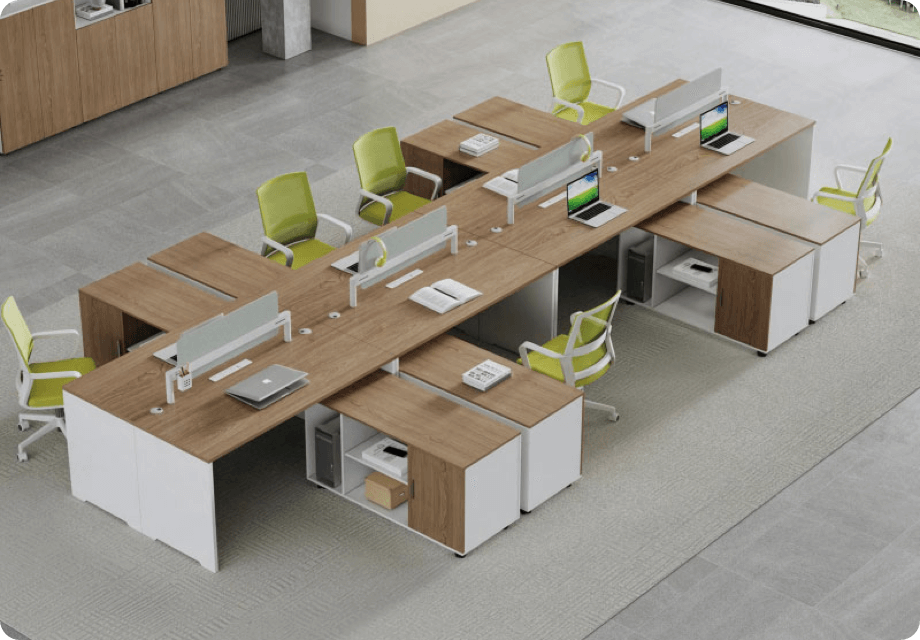
Collaborative Task Chair Project
A coordinated task-chair solution provides consistent comfort, smooth mobility, and a clean visual rhythm across shared team work areas.

Minimalist Executive Seating
A streamlined executive chair with supportive cushioning and refined finishes brings comfort and professionalism to private office settings.

Modern Meeting Room Chairs
Meeting chairs with balanced cushioning and clean silhouettes create a comfortable, coordinated environment for presentations and discussions.

Private Manager Office
An executive seating solution combines premium-looking upholstery, recline support, and a confident visual presence for management workspaces.

Contemporary Home Office
A compact ergonomic chair offers responsive support, practical mobility, and a contemporary style for focused home-office use.
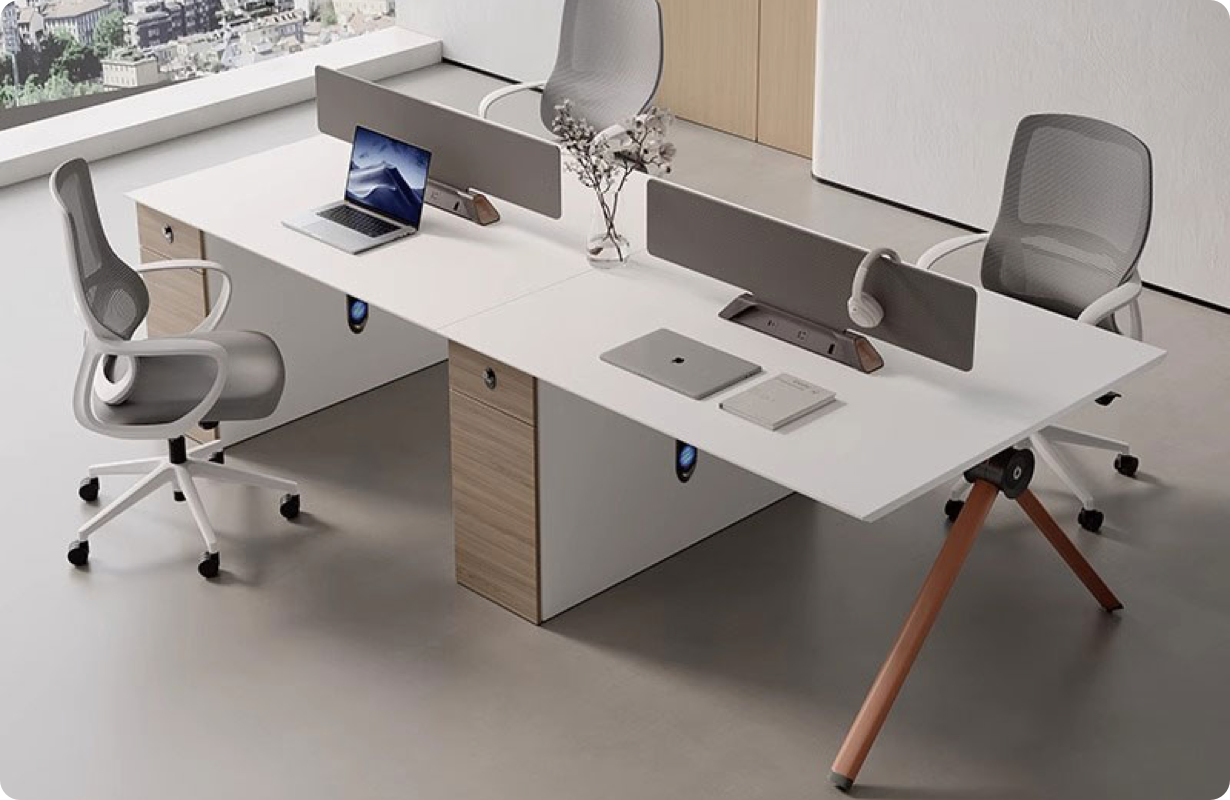
Shared Team Workstations
A practical multi-user seating layout pairs adjustable task chairs with shared desks to support productive, flexible teamwork.

Premium Executive Suite
A premium executive chair configuration features generous cushioning, refined materials, and ergonomic support for a high-end office environment.
Client Feedback

“Comfortable and Well Made”
“The mesh chairs are supportive, easy to adjust, and a great fit for our open-plan workspace. Our team noticed the difference in comfort quickly.”
– Procurement Manager, USA

“A Great Fit for Our New Office”
“The team helped us select executive chairs and visitor seating that match our project style. The finished office looks professional and coordinated.”
– Project Coordinator, Australia

“Modern and Practical Seating”
“We are pleased with the chair quality, fabric options, and smooth adjustment functions. The seating works well for both daily tasks and meeting areas.”
– Office Administrator, Canada

“Ideal for Focused Work”
“The chair is comfortable, stable, and compact enough for my home office. It supports long work sessions without making the room feel crowded.”
– Home Office User, United Kingdom
Related Blogs
-
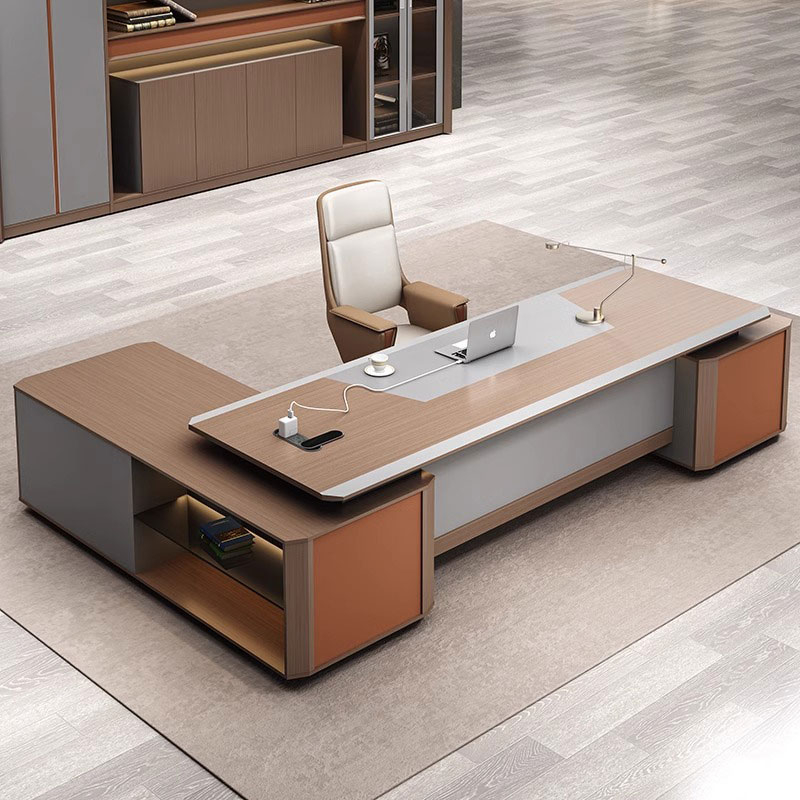 The short answer. Sourcing executive desks from China runs on six moves: verify the factory behind the catalog, run the OEM/ODM process in the right order (drawing, then sample, then production), understand that MOQs vary by model and pricing steps down in tiers, choose the packaging and shipping teOffice Chair Buying Guide
 -
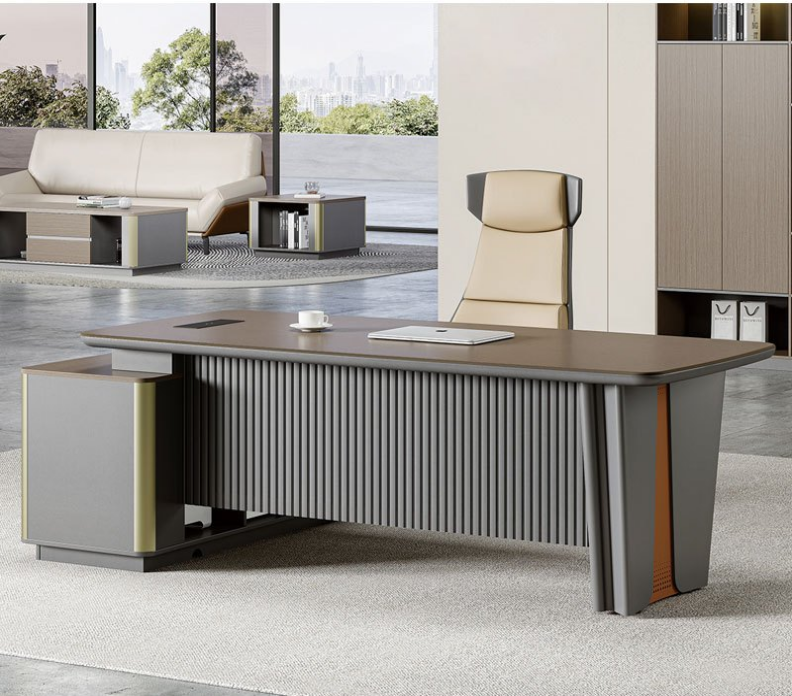 The short answer. Executive desks handle storage three ways. A desk with drawers puts everything below the top in pedestals and drawer banks: fastest to install, no wall needed. A desk with hutch stacks cabinets over the worksurface: maximum capacity per square meter, but it needs wall anchoring andOffice Chair Buying Guide
 -
 Learn how to replace a sinking office chair gas lift cylinder with this technical guide. Fix your chair's ergonomics and save money.Office Chair Buying Guide
 -
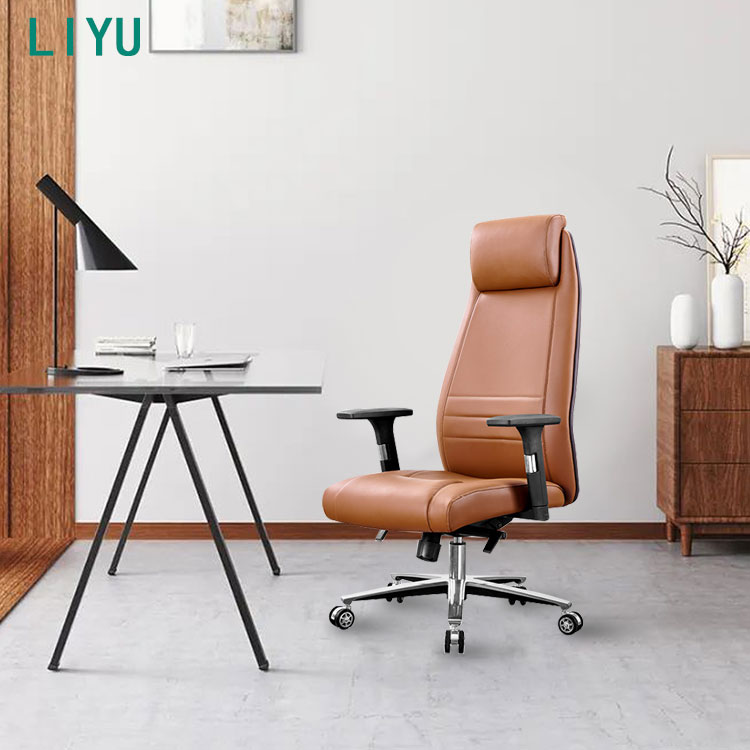 Discover how to select the perfect leather executive chair for your boardroom. This guide covers ergonomics, material durability, and procurement.Office Chair Buying Guide
Office Chair FAQs
Keep In Touch With Us
If you have any questions or requirements regarding office furniture solutions, please feel free to contact our customer service team. Our professional team will provide you with detailed product information, answer your questions, and tailor the best solution to meet your needs.
Mob:+86-153-6300-1108
E-mail:ada@liyu-furniture.com


