
Views: 0 Author: Site Editor Publish Time: 2026-07-06 Origin: Site


Sitting in a standard office seat when you are under 5'4" often feels like wearing shoes three sizes too large. You face a daily physical reality of chronic lower back pain, numb legs, and shoulder tension. Most commercial seating defaults to dimensions designed for the 50th-percentile male. This standard sizing restricts blood flow at the back of the knees near the popliteal artery. It also forces shorter users away from the backrest, completely neutralizing any built-in lumbar support.
You do not have to accept the frustration of a poor fit. You can shift to a systematic, measurement-based evaluation framework to find seating that actually works for your body. This guide serves as a technical blueprint for assessing seat mechanisms, cylinder heights, and adjustability tolerances. By understanding these specific metrics, you can confidently identify a chair that supports your posture, eliminates pressure points, and enhances your daily comfort without relying on guesswork.
Industry standards historically cater to a broad median. Guidelines established by organizations like BIFMA ensure furniture fits the widest possible demographic. Unfortunately, this means a standard chair often functions more like an office chair for tall users when occupied by someone 5'2" or shorter. The seat pan extends too far, and the gas cylinder sits too high. Manufacturers build for the middle of the bell curve, leaving anyone on the shorter end dealing with equipment that actively fights their natural anatomy.
The biomechanical consequences of this poor fit are immediate and severe. Dangling feet lead to increased pressure on the underside of the thighs. This pressure causes numbness and restricts circulation over long hours. When the seat pan is too long, users resort to perching on the front edge. This posture abandons back support entirely and heavily strains the lumbar spine. Furthermore, high or wide armrests force users to shrug constantly. This unnatural elevation leads to chronic upper trapezius pain and neck stiffness.
To help you self-diagnose your current seating issues, review this comparative matrix. It highlights the stark differences between a poor fit and proper ergonomic alignment.
| Ergonomic Metric | Poor Fit (Standard Chair) | Proper Fit (Petite Chair) |
|---|---|---|
| Foot Placement | Feet dangle or rest on toes only. | Feet plant flat firmly on the floor. |
| Pelvic Tilt | Forward lean, perching on the edge. | Neutral pelvis, fully supported by backrest. |
| Knee Clearance | Seat edge digs into the back of calves. | 1-2 inches of space behind the knees. |
| Elbow Angle | Shoulders shrugged, arms reaching outward. | Shoulders relaxed, elbows resting at 90 degrees. |
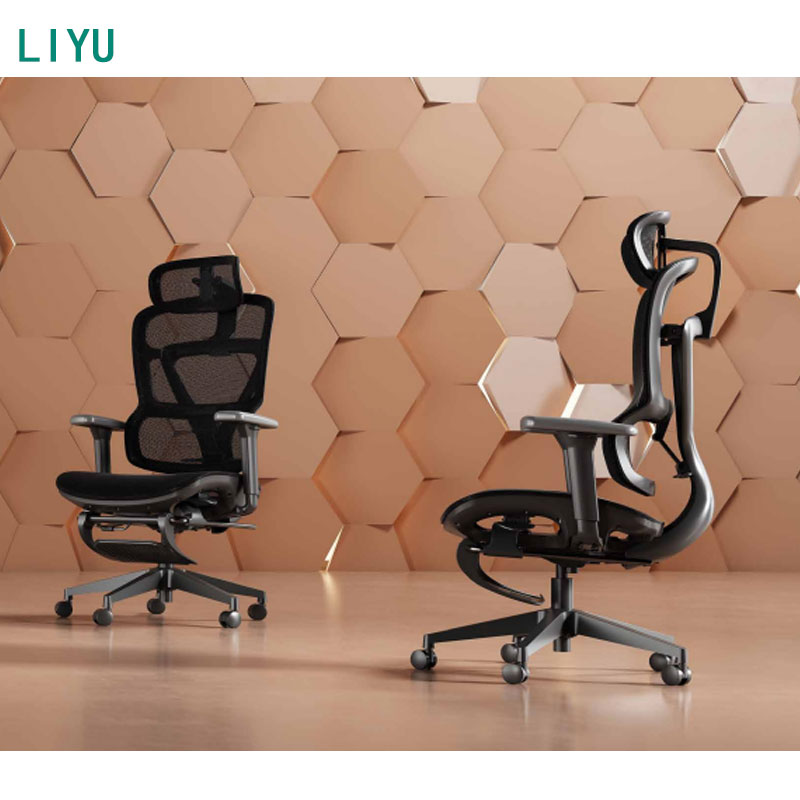
You must measure your popliteal height before evaluating any chair. Sit with your feet flat on the floor while wearing your typical footwear. Measure the distance from the floor to the crease behind your knee. This number dictates your ideal seat height. You must check the manufacturer's specified seat height range before making a decision. Standard cylinders often bottom out at 18 inches, which is simply too high.
A minimum height of 18 inches is an immediate disqualifier for short users. It guarantees your feet will dangle. Targeting a sub-16-inch minimum is the gold standard for evaluating the best office chair for short person options. A lower cylinder ensures you can maintain a 90-degree knee angle without relying on external footrests. When reviewing specifications, look specifically for "petite" or "short cylinder" options.
Seat sliders are a mandatory feature for petite users. This mechanism allows the seat pan to move forward and backward independently of the backrest. You need a shallow seat depth to engage the lumbar support properly. Apply the "two-finger rule" when testing a chair. You must be able to fit two fingers between the front edge of the seat and the back of your calves while your back rests fully against the chair.
Beware of "waterfall" seat edges that are too rigid or too long. While designed to reduce thigh pressure, a long waterfall edge on a deep seat pan will push against your calves. This exacerbates pelvic tilt issues and forces you into a slouched posture. A seat pan depth of 15 to 16 inches is generally required for users under 5'4".
Standard height-only armrests fail shorter users. They remain too wide, forcing an unnatural typing stance. You need 4D armrests that adjust for height, width, depth, and pivot. Width adjustment is particularly vital. It allows the armrests to come in close to a narrower torso. This prevents outward shoulder rotation and keeps your elbows tucked comfortably at your sides during keyboard use.
When testing armrests, drop your shoulders completely. Bend your elbows to 90 degrees. The armrests should meet your forearms exactly at this height without requiring you to shrug. If the armrests cannot adjust inward enough to support your arms while typing, they will cause long-term shoulder strain.
Choosing a high back ergonomic chair requires careful attention to lumbar placement. Height-adjustable lumbar support is critical. Fixed lumbar curves designed for taller users will push uncomfortably into a short user's upper pelvis or mid-back. This creates pain rather than relieving it. The support must target the L4-L5 vertebrae.
You must determine if a backrest is scaled appropriately for your torso. The apex of the lumbar curve should rest exactly in the small of your back. If the backrest overflows past your natural thoracic curve and pushes your shoulders forward, the chair frame is simply too tall for your body. Mid-back chairs often provide a better fit for shorter torsos than massive executive models.
Adding a headrest introduces significant ergonomic risks for shorter individuals. If your torso is short, a standard headrest office chair will likely push the back of your head forward. This forces a harmful "tech neck" posture. Acceptable headrests must offer extreme vertical and depth adjustability. If a headrest cannot drop low enough to cradle the base of your skull, it must be entirely removable to accommodate your shorter spinal column.
Premium brands offer highly engineered mechanisms and petite-specific models. These chairs feature industry-leading low seat height ranges and highly responsive seat sliders. They provide maximum adjustability, superior lumbar tracking, and exceptional durability. They are best for users with chronic back pain who require precise, millimeter-level adjustments and demand long-term reliability. The mechanisms in these chairs allow for independent adjustment of almost every component.
Direct-to-consumer brands offer solid alternatives with upgraded 4D armrests and functional seat sliders. These chairs deliver a strong balance of performance and accessibility. However, they may use standard gas cylinders that do not drop quite low enough for users under 5'2". They are best for buyers willing to use an ergonomic footrest to compensate for slight height discrepancies. You must verify the seat depth measurements carefully in this tier.
You can retrofit an existing chair to better fit your frame. Installing a shorter gas cylinder, adding a high-quality footrest, or replacing armrest pads can improve comfort. This approach is highly practical for immediate relief. However, aftermarket modifications often void warranties. More importantly, a shorter cylinder does not fix a seat pan that is fundamentally too deep for your legs. Modifications only solve part of the ergonomic equation.
Investing in proper ergonomics yields significant long-term physical benefits. A highly adjustable chair built with durable components will maintain its structural integrity over many years. Premium chairs often utilize high-density molded foam that resists bottoming out, ensuring your seating remains supportive over time. Replacing a poorly-fitted chair frequently creates unnecessary waste and ongoing physical frustration.
Compromising on mandatory features like a seat slider carries hidden physical costs. Sitting in a chair that does not fit leads to physical strain, potential medical visits, and lost productivity due to daily discomfort. High-quality ergonomic chairs retain their supportive properties, making them a sound decision for your long-term spinal health and daily comfort.
Showroom testing is entirely insufficient. Sitting in a chair for five minutes will not reveal how it impacts your body over an eight-hour workday. Your body needs one to two weeks to adjust to proper ergonomic support, especially if you are transitioning from a chair that encouraged poor posture. A 30-day trial period is an absolute necessity for any serious ergonomic seating purchase.
Implement a structured DIY at-home testing protocol. Score the chair daily across five key metrics during long working sessions. Monitor tailbone pressure, lower back support, forearm strain, calf clearance, and foot placement. If you experience numbness or shoulder tension after a week, the chair is not the right fit. Use a notebook to track these metrics daily.
Scrutinize return policies carefully before acquiring a new chair. Check for hidden return shipping costs, restocking fees, and original packaging requirements. Chairs with heavy mechanisms can be difficult to assemble or disassemble for returns. Factor in assembly services if mobility or heavy lifting is a concern for you.
Finding the right seating solution comes down to strict adherence to seat depth and minimum cylinder height metrics. Do not compromise on these two factors. A chair must allow your feet to rest flat and your back to reach the lumbar support without the seat edge digging into your calves.
A: The ideal seat height typically falls between 14.5 and 16 inches. This depends heavily on your specific inseam and popliteal height. Measure from the floor to the crease behind your knee to find your exact requirement.
A: A footrest solves the height issue by providing a solid surface for your feet. However, it does not fix a seat pan that is too deep. If the seat still digs into your calves, a footrest will not resolve the core ergonomic problem.
A: First, check if the backrest itself can lower. Next, slide the adjustable lumbar mechanism to its lowest setting. If it still hits your mid-back instead of your lumbar curve, you may need to use an external lumbar cushion.
A: Gaming chairs are typically terrible for petite ergonomics. They feature deep bucket seats that restrict movement and fixed headrests that push shorter users' heads forward. They lack the nuanced adjustability required for a proper fit.
A: Apply the two-finger rule. Sit with your back fully supported by the chair. You should be able to fit exactly two fingers between the front edge of the seat pad and the back of your calves.
A: Yes, you can swap a standard cylinder for a short cylinder. This requires a pipe wrench and a rubber mallet. Keep in mind that modifying the chair will likely void the manufacturer's warranty.


