
Views: 0 Author: Site Editor Publish Time: 2026-07-11 Origin: Site


The integration of residential aesthetics into modern workspaces has driven a surge in textured, high-comfort fabrics. Sherpa emerges as a premium choice for executive and home offices, offering a distinct visual warmth that softens rigid corporate environments. However, a sherpa office chair introduces unique challenges regarding thermal regulation, long-term durability, and maintenance. Buyers must balance the desire for a stylized aesthetic with the strict biomechanical requirements of an 8-hour workday.
This guide provides a framework for evaluating these chairs. We analyze material trade-offs, ergonomic baseline requirements, testing protocols, and maintenance realities. You will learn how to ensure your investment supports both design intent and physical well-being, focusing on structural integrity rather than just surface-level appeal.
Sherpa fabric typically consists of synthetic polyester blends, though premium versions may use natural wool or cotton bases. The pile density directly impacts its viability in commercial seating design. Dense, tightly woven backing prevents shedding under continuous multidirectional movement. This material merges residential warmth with modern office trends. It elevates workspace visuals without sacrificing physical health when applied correctly to a supportive frame.
You must weigh the psychological benefits of cozy workspace design against physical realities. Daily friction, weight distribution, and environmental dust accumulation take a toll on deep-pile fabrics. When evaluating office chair material options, sherpa presents distinct contrasts that require careful consideration before implementation.
Understanding the structural composition of sherpa is critical. The fabric features a smooth knit backing and a textured, bumpy surface intended to mimic sheep's fleece. In seating applications, the backing must possess high tensile strength to withstand the stretching forces applied when a user sits and shifts weight. Weak backing leads to pile separation, creating bald spots on the seat pan and armrests within months of regular use.
| Material Comparison | Tactile Experience | Thermal Regulation | Maintenance Requirements | Durability Profile |
|---|---|---|---|---|
| Sherpa | High warmth, extreme softness | Retains body heat, low airflow | High (frequent vacuuming, spot cleaning) | Prone to matting under heavy friction |
| Performance Mesh | Firm, supportive tension | Maximum airflow, cooling | Low (wipe down, occasional vacuum) | High resistance to abrasion and sagging |
| Top-Grain Leather | Smooth, adapts to body temp | Moderate heat retention | Medium (conditioning required) | Extremely high, develops patina over time |
| Commercial Woven Fabric | Textured, consistent feel | Moderate airflow | Medium (stain treatments available) | High resistance to pilling and tearing |
The aesthetic appeal of sherpa cannot be overstated. It softens the harsh lines of traditional office furniture, creating an inviting environment that promotes focus and reduces visual stress. However, this aesthetic must not override functional requirements. A chair that looks comfortable but fails to support the lumbar spine or restricts blood flow will ultimately decrease productivity and cause physical discomfort.
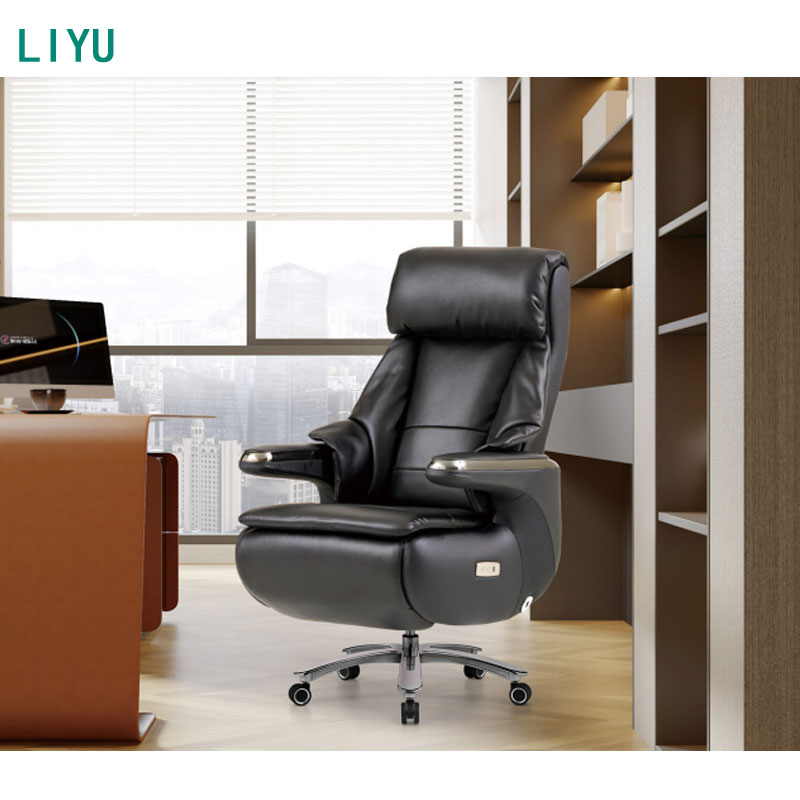
The fabric itself does not provide biomechanical support. You must assess the underlying ergonomic executive chair frame. The foam beneath the sherpa matters more than the exterior texture. High-density molded foam resists bottoming out, while standard cut foam degrades quickly under sustained pressure, leaving the user sitting on the hard plastic or metal base.
Thick sherpa pile reduces functional seat depth. You must apply the three-finger rule. Ensure your legs can fold properly at a 90-degree angle without the seat pan compressing the back of your knees. This prevents restricted circulation. The chair must feature pneumatic seat height adjustment, targeting the 16-to-21-inch standard for optimal knee-to-hip alignment. Tilt tension and multi-directional armrests remain essential for accommodating different body types and working postures.
Thick padding can mask built-in lumbar curves. Test for proper spinal alignment by sitting fully back in the seat. You should feel firm pressure against your lower spine. Thermal regulation is another critical factor. Synthetic sherpa retains significant body heat. It suits climate-controlled or cooler offices but poses high risks in warm climates or poorly ventilated rooms where users may experience excessive sweating and discomfort.
When evaluating the foam density, look for polyurethane molded foam with a density rating of at least 2.5 to 3.0 pounds per cubic foot. This density ensures the seat pan maintains its shape and supportive qualities over years of daily use. Lower density foams will compress permanently, creating a hollowed-out seat that forces the pelvis into an unnatural posterior tilt, leading to lower back pain.
Budget and fast-fashion chairs typically utilize unbranded polyester sherpa and low-density cut foam. They offer minimal adjustability, often featuring fixed arms and basic tilt mechanisms. These models suit occasional light use for one to two hours. They carry a high risk of early matting and back fatigue due to the lack of structural support and inferior material quality.
Mid-range stylized chairs integrate density-tested foam and adjustable lumbar support. They use standard commercial-grade sherpa with better backing materials. These chairs support standard 8-hour workdays in home offices but require diligent maintenance to prevent pile compression. The mechanisms in this tier usually include basic synchro-tilt and height-adjustable arms, providing a baseline of ergonomic support.
Premium executive chairs utilize contract-grade synthetic blends or wool-based sherpa. They feature fully adjustable ergonomics and heavy-duty frames with high-density molded foam. These models serve full-time executive workspaces prioritizing health and longevity. The sherpa used in this tier undergoes rigorous abrasion testing, ensuring it can withstand thousands of double rubs without showing significant wear or pile loss.
The construction of the chair base also varies significantly across these tiers. Entry-level models rely on nylon bases that can flex and crack over time. Mid-range options often use reinforced nylon or basic aluminum. Premium models feature polished or powder-coated cast aluminum bases that provide superior stability and a refined aesthetic that matches the high-end upholstery.
Caster selection is another differentiator. High-quality chairs offer specific casters for hard floors or carpets. Using the wrong casters on a sherpa chair can lead to instability and make it difficult to roll, increasing the physical strain on the user when moving between workstations or reaching for files.
Pre-fabricated sherpa chairs offer immediate availability and an integrated design language. They generally require a lower upfront investment. However, they often prioritize aesthetics over rigorous ergonomic standards. You face limited replacement options if the fabric fails prematurely, often necessitating the purchase of an entirely new chair rather than a simple repair.
The custom upholstery chair route involves purchasing a verified, high-end ergonomic frame and utilizing commercial-grade, rub-tested sherpa. This strategy ensures zero compromise on biomechanical support. You can select contract-grade sherpa with higher double-rub counts via the Wyzenbeek test. This approach demands a higher initial investment and longer lead times. It may also void manufacturer warranties if not executed through official channels, but the result is a vastly superior seating experience.
When pursuing custom upholstery, the fabric selection process becomes highly technical. You must evaluate the fabric's Wyzenbeek rating, aiming for a minimum of 50,000 double rubs for heavy-duty office use. Additionally, the fabric should be treated with stain-resistant finishes that do not alter the soft hand feel of the sherpa. The upholsterer must also account for the fabric's stretch, ensuring it is pulled tightly enough to prevent wrinkling but not so tight that it distorts the pile.
| Approach | Ergonomic Quality | Fabric Durability | Lead Time | Customization Options |
|---|---|---|---|---|
| Off-the-Shelf Retail | Variable, often poor | Low to Medium | Immediate | None |
| Commercial Pre-Fab | Good to Excellent | Medium to High | 2-4 Weeks | Limited color choices |
| Custom Upholstery (Retrofit) | Excellent (based on frame) | Very High (user selected) | 4-8 Weeks | Unlimited fabric choices |
The custom route also allows for targeted upholstery. For example, you might choose to upholster the backrest in sherpa for visual impact and warmth, while using a highly durable, color-matched woven fabric on the seat pan to prevent matting and simplify cleaning. This hybrid approach maximizes both aesthetics and practical longevity.
Perform a real-world comfort test to evaluate fit and circulation. Sit in the chair for at least two hours. Assess whether your knees align with your hips to optimize blood flow. The seat edge must not press into your calves. The thick pile of sherpa can deceive initial sit tests, feeling incredibly soft for the first ten minutes before compressing and revealing the true firmness of the underlying foam.
Conduct a friction test. Observe the fabric for fiber shedding and early signs of matting under realistic movement. Shift your weight naturally. Check workspace integration by sliding the upholstered frame under your desk. Ensure the physical dimensions fit seamlessly beneath executive desk heights without damaging the sherpa fabric on sharp edges or keyboard trays.
During the 30-day protocol, monitor your thermal comfort. Note if you feel excessively warm after an hour of focused work. If the chair lacks breathability, you may find yourself constantly shifting or standing up to cool down, which disrupts workflow. Pay attention to the lower back region, where body heat and pressure are concentrated, as this area is most prone to rapid pile compression.
Wear patterns and pile matting remain inevitable. Sustained pressure and body heat crush sherpa on the seat pan and lower lumbar regions. You must implement strategies for reviving synthetic fibers. Use gentle brushing techniques with a soft-bristle upholstery brush and low-heat steaming to lift the pile and restore its original texture.
Deep-pile fabrics carry a high risk of liquid absorption and staining. Establish realistic cleaning schedules. Perform regular vacuuming with upholstery attachments to remove surface debris before it gets ground into the base of the fibers. Handle spot-cleaning with solvent-based or water-based cleaners depending on the specific fabric code (W, S, WS, or X) provided by the manufacturer.
Sherpa tends to trap dust, pet dander, and particulate matter. This allergen accumulation impacts indoor air quality in enclosed workspaces. Routine maintenance prevents the fabric from becoming a dust sink. If users suffer from severe allergies, sherpa may not be the appropriate material choice, regardless of its aesthetic appeal.
When dealing with spills, never rub the fabric. Rubbing forces the liquid deeper into the pile and the underlying foam, creating permanent stains and potential odor issues. Instead, blot the spill immediately with a clean, dry microfiber cloth. If using a cleaning solution, test it on an inconspicuous area first to ensure it does not cause color fading or alter the texture of the sherpa.
For heavy-duty maintenance, professional extraction cleaning may be required annually. However, ensure the cleaning service understands how to handle deep-pile synthetic fabrics, as excessive heat or harsh chemicals can melt the polyester fibers, permanently ruining the chair's appearance and feel.
A sherpa chair may require reupholstering or replacement faster than a high-grade mesh or leather equivalent. The fabric degrades quicker under heavy friction. You must calculate lifespan expectations based on daily usage hours and the strictness of your maintenance routines. A well-maintained premium sherpa chair can last several years, but neglected budget models will look worn within months.
We recommend these chairs for executive home offices, low-traffic stylized meeting rooms, and secondary task chairs used for two to four hours a day. In these environments, the aesthetic benefits shine, and the lower usage intensity preserves the fabric's integrity. The visual impact of a pristine sherpa chair in a client-facing meeting room can significantly elevate the perceived quality of the space.
We do not recommend them for 24/7 dispatch centers, hot-desking environments, or industrial zones with high spill risks. In high-turnover seating situations, the lack of breathability and the rapid accumulation of dirt and wear patterns make sherpa an impractical choice. Stick to performance mesh or vinyl in those demanding scenarios.
Ultimately, the value of a sherpa chair lies in its ability to bridge the gap between residential comfort and commercial functionality. If you are willing to invest in a high-quality frame and commit to the necessary upkeep, the result is a workspace that feels uniquely personal and highly refined.
A sherpa office chair is a high-maintenance, high-reward aesthetic choice. It succeeds when applied to a structurally sound ergonomic frame and placed in a controlled, clean environment. Reject any chair that lacks basic ergonomic adjustments like seat height, seat depth, tilt lock, and lumbar support. Prioritize models with high-density foam beneath the fabric and contract-grade synthetic blends designed to resist matting.
Follow these next steps to finalize your selection and ensure long-term satisfaction:
A: The fabric itself provides no ergonomic benefit. A sherpa chair is only as ergonomic as the frame, foam density, and adjustable mechanisms beneath the upholstery. You must ensure the chair features adjustable lumbar support, seat depth sliders, and proper pneumatic height adjustment to support healthy posture.
A: Thick, high-pile sherpa fabric reduces the usable surface area of the seat pan and pushes the lower back forward. If the seat depth is too great, your legs will not fold properly at the knee, causing the seat edge to compress the popliteal artery and restrict blood flow.
A: Routine maintenance requires weekly vacuuming with an upholstery brush attachment. Spills must be blotted immediately without rubbing. Follow up by spot-cleaning with a mild, water-free solvent or specialized upholstery foam, strictly adhering to the manufacturer's specific cleaning code.
A: Yes, synthetic sherpa retains significant body heat and lacks the breathability of performance mesh. These chairs are best suited for climate-controlled or naturally cooler office environments. They are not recommended for warm climates or spaces with poor ventilation.
A: Yes, utilizing commercial-grade sherpa for custom upholstery on a verified ergonomic frame is highly recommended. Ensure you select a fabric with a high Wyzenbeek double-rub count to withstand daily friction and hire a professional to ensure proper tensioning over the foam.


