Views: 0 Author: Site Editor Publish Time: 2026-03-13 Origin: Site


Is your desk depth correct? Many people overlook it.The depth of an office desk affects comfort and posture.In this guide, you will learn how deep an office desk should be for a productive workspace.

Selecting the correct depth for an office desk starts with understanding the typical depth ranges used in professional work environments. While desk dimensions vary by design and purpose, most desks fall within a predictable range that balances workspace efficiency with ergonomic comfort.
In most workplaces, desk depth ranges from 45 cm to 90 cm, depending on the type of desk and the complexity of the workspace setup. Standard desks used in general office environments typically measure between 60 cm and 75 cm, which provides enough space for a monitor, keyboard, mouse, and basic office supplies while maintaining an ergonomic monitor viewing distance.
The following table summarizes the most common desk depth ranges and their typical applications.
Desk Depth | Typical Use Case | Workspace Type |
45–50 cm | Laptop or compact workspace | Small offices or reception counters |
60 cm | Standard computer setup | Home offices and corporate offices |
70–75 cm | Professional workstation | Multi-monitor or equipment-heavy desks |
80–90 cm | Large work surface | Executive offices or creative studios |
Most ergonomic workstation recommendations suggest desk depths between 60 and 75 cm because this range balances comfort and workspace efficiency.
A desk depth of 45 cm to 50 cm is usually considered the minimum functional size for an office desk because it allows space for basic tasks such as using a laptop or writing notes. However, this depth is generally only suitable for simple work setups that require minimal equipment. In many modern workplaces, employees rely on external monitors, keyboards, and office tools, which means a deeper desk is often necessary to maintain an organized workspace.
In compact environments such as reception areas, a shallower desk may still be practical because it helps conserve floor space while supporting essential activities like greeting visitors, managing schedules, or handling paperwork. For example, a Reception Desk located in a small lobby often uses a compact depth so the front area remains open and welcoming for visitors while still allowing staff to perform administrative tasks efficiently.
Compact desks work best when combined with vertical storage solutions or wall-mounted shelves to maximize available workspace.
A depth of 60 cm is widely recognized as the standard measurement for most office desks because it provides a balanced workspace without occupying too much room. This depth comfortably accommodates a computer monitor, keyboard, mouse, and essential office supplies while still allowing room for writing or reading documents.
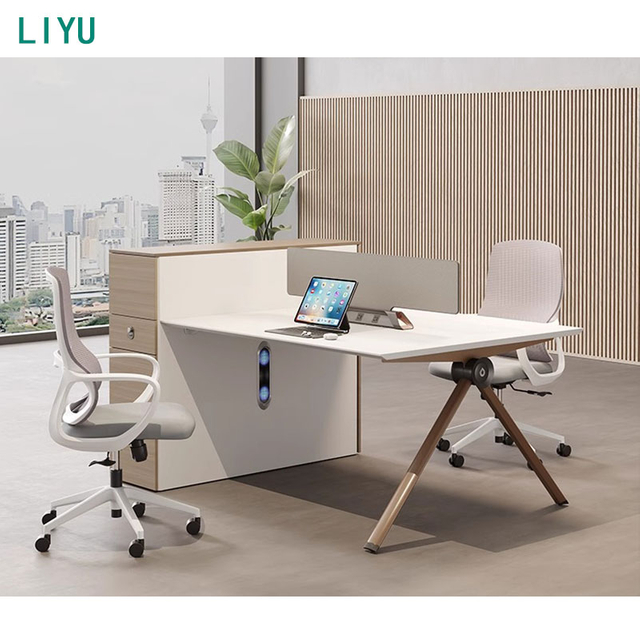
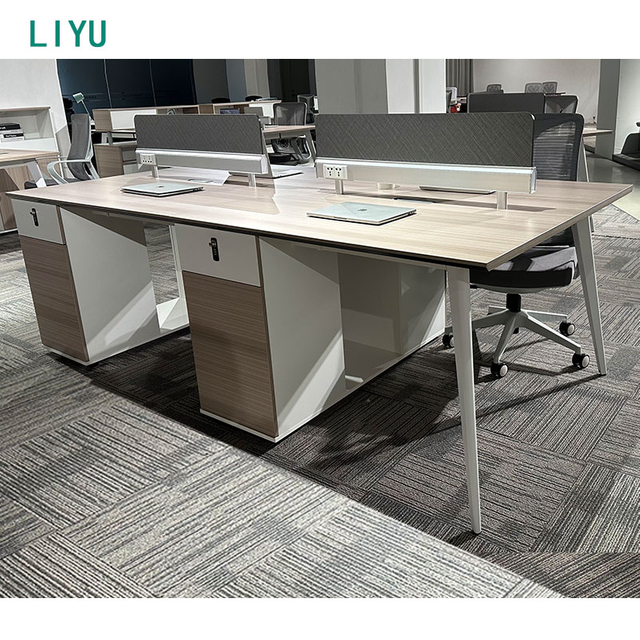
Many modern offices use desks with this depth in open-plan layouts where multiple workstations are arranged in rows separated by Office Partition panels. These partitions provide visual privacy and acoustic separation while maintaining an efficient layout that maximizes available floor space. Because a 60 cm desk fits easily within these modular workstation designs, it has become one of the most widely used desk depths in professional office environments.
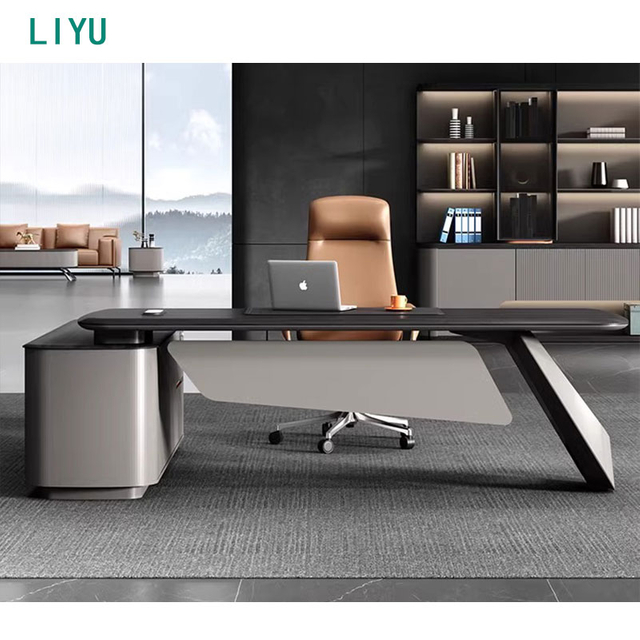
In professional environments that require larger work surfaces, desks often measure between 70 cm and 90 cm in depth. These deeper desks provide more space for multiple monitors, office equipment, paperwork, and collaborative discussions. For example, an Executive Desk used by managers or senior professionals often includes a deeper work surface so that executives can comfortably manage documents, laptops, and meeting materials during discussions with colleagues or clients.
Creative professionals such as designers, engineers, and architects may also benefit from deeper desks because their workstations frequently include large monitors, drawing tablets, or technical tools. A deeper desk allows them to organize equipment more effectively and maintain a clear workspace for creative work.
A deeper desk helps professionals manage multiple devices without creating a cluttered workspace.
While compact desks may work for simple tasks, deeper desks often improve productivity because they allow better organization and easier access to tools and documents. When a desk has sufficient depth, users can place monitors farther away from their eyes while keeping space in front of the keyboard for writing or reviewing documents.
For professionals who regularly handle paperwork, financial reports, or project files, this additional space improves workflow by allowing them to spread out materials comfortably. Deeper desks also help maintain a professional office appearance because equipment and accessories can be arranged neatly instead of crowded together.
Desk depth has a direct impact on monitor placement and eye comfort. Ergonomic studies suggest that monitors should sit approximately 50 to 75 cm away from the user’s eyes to reduce digital eye strain and maintain comfortable viewing conditions. When a desk is too shallow, the monitor may sit closer than recommended, forcing the user to lean backward or adjust posture unnaturally.
Conversely, if the desk is extremely deep, users may lean forward repeatedly to reach their keyboard or documents, which can also create discomfort. Selecting a desk depth that allows the monitor to sit within the recommended viewing range helps maintain proper posture and reduces fatigue during long work sessions.
Ergonomic workstations often combine the correct desk depth with adjustable desk height and proper monitor positioning to create a healthy working environment. A Height Adjustable Desk, for example, allows users to alternate between sitting and standing positions while maintaining correct monitor distance and keyboard placement.
Because standing workstations require space for movement and flexible positioning, they often benefit from slightly deeper desk surfaces that allow users to place monitors and accessories comfortably while maintaining ergonomic posture.
Ergonomic desks reduce workplace discomfort and help employees maintain healthier working habits.
Desk depth is more than just a measurement; it influences how efficiently people work and how comfortable they feel throughout the day. When desk depth is carefully selected, it supports ergonomic posture, improves workspace organization, and reduces the physical strain associated with long working hours.
A properly sized office desk helps users maintain a neutral posture where their shoulders remain relaxed, elbows stay near the body, and wrists rest naturally while typing. If a desk is too shallow, users may need to hunch forward to view their screen clearly, while an overly deep desk may cause them to stretch repeatedly to reach their keyboard or mouse.
The relationship between desk depth and monitor placement is essential for maintaining eye comfort. A desk with sufficient depth allows users to position their monitor at eye level and at a comfortable viewing distance, which reduces the likelihood of eye fatigue or headaches caused by prolonged screen exposure.
When desk depth supports proper monitor distance and keyboard placement, it reduces the likelihood of leaning forward or twisting the neck while working. Over time, this helps prevent common workplace issues such as neck stiffness, shoulder tension, and lower back discomfort.
An ergonomically designed desk setup can significantly improve workplace comfort and long-term productivity.
Different tasks require different workspace dimensions, which means desk depth should match the type of work performed at the desk.
● Office Desk Depth for Computer Work
Computer-based work typically requires desk depths between 60 and 75 cm, which provides enough room for a monitor, keyboard, mouse, and small accessories. This range also supports proper monitor viewing distance and ergonomic posture.
● Office Desk Depth for Writing and Reading
For writing or reviewing documents, desk depths between 60 and 70 cm allow users to spread out papers and notebooks without occupying unnecessary space in the office.
● Office Desk Depth for Multi-Monitor Setups
Professionals who use multiple monitors benefit from desks with depths between 70 and 80 cm, because larger screens require greater viewing distance to maintain comfort and prevent eye strain.
● Office Desk Depth for Creative and Technical Work
Creative professionals often require the deepest desks because their work involves multiple tools, drawing tablets, or large monitors. A deeper desk provides the space needed to organize equipment while maintaining a comfortable workspace.
Different desk depths provide different advantages depending on the work environment.
Desk Depth | Advantages | Best For |
45–50 cm | Space-saving and compact | Small offices |
60 cm | Balanced workspace | Standard office setups |
70–75 cm | Comfortable and versatile | Professional workstations |
80–90 cm | Large work surface | Executive offices and creative work |
Choosing the correct desk depth improves workspace organization and helps maintain ergonomic posture.
Selecting the right desk depth requires considering several practical factors including workspace size, equipment requirements, and daily work habits.
● Consider Your Equipment and Monitor Size
Large monitors, additional screens, or specialized equipment may require deeper desks to maintain comfortable viewing distances.
● Evaluate Available Room Space
Before selecting an office desk, measure the available space to ensure the desk fits comfortably without overcrowding the room.
● Think About Your Work Habits and Tasks
Professionals who manage documents, review reports, or collaborate frequently may benefit from deeper desks that provide additional workspace.
● When to Consider Custom Office Desk Depth
Custom desks allow businesses to design workstations tailored to specific workflow requirements, particularly in executive offices or collaborative workspaces.
Custom desk solutions help companies optimize both ergonomics and office layout.
Choosing the correct depth for an office desk plays a critical role in creating a comfortable, efficient, and professional workspace. While standard desk depths between 60 cm and 75 cm work well for most professionals, the ideal depth depends on factors such as workspace size, equipment setup, and daily work tasks.
By understanding how desk depth affects ergonomics, monitor distance, and workspace organization, businesses can design work environments that support productivity and long-term employee well-being. Companies such as Foshan Liyu Furniture Co., Ltd. specialize in designing modern office furniture solutions, including workstations, Height Adjustable Desk systems, and executive furniture that support both comfort and professional office design. Whether selecting a compact workstation, a flexible Height Adjustable Desk, or a large Executive Desk, choosing the right desk depth ensures that every workspace remains comfortable, functional, and visually organized.
A: Most office desk setups work best at 60–75 cm. An Executive Desk may be deeper.
A: Yes, a 60 cm office desk fits basic monitor and keyboard setups.
A: A Height Adjustable Desk often uses 70–75 cm depth for better ergonomics.
A: A Reception Desk may use 50–60 cm depth to save space in small areas.
A: Yes. An office desk must fit well within an Office Partition layout.