
Views: 0 Author: Site Editor Publish Time: 2026-02-19 Origin: Site


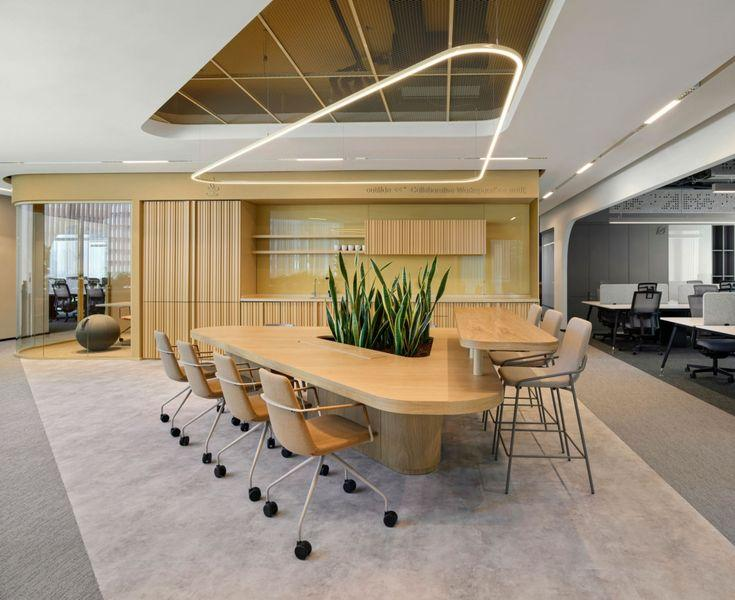
2026 marks a quiet but significant turning point in how we think about office furniture. For decades, desks remained largely unchanged; flat surfaces where work happened, rarely questioned, seldom improved. But that era is ending. Today's desks are evolving into support systems that anticipate needs, adapt to habits, and contribute to wellbeing in ways that would have seemed excessive just a few years ago.
At Liyu Furniture, we understand the changing landscape and the reasons why office spaces demand more from their desks.
In this article, we explore the two defining trends reshaping office desks in 2026: intelligent integration that makes technology invisible yet ever-present, and sustainable materials that benefit both the planet and the people who use them. Together, these trends point toward a future where furniture works harder so we don't have to.

Consider how much thought goes into choosing a smartphone or laptop. Reviews are consulted, specifications compared, ergonomics debated. Yet the desk rarely receives the same scrutiny. It's the most used tool that nobody talks about, a silent constant in working life that fades into the background until something goes wrong.
The shift to remote and hybrid work changed that calculus. When the office came home, people suddenly noticed what they had been tolerating: surfaces too small for spreading out documents, heights that caused neck strain, cable chaos that created visual and mental clutter.
The desk, once invisible, became impossible to ignore. And with that visibility came expectation; the understanding that furniture could and should do better.
Today, office workers - whether at home or at their offices - require a considerable amount of functionality from their desks. And at Liyu Furniture, we understand the need for this use, which is why we provide a wide array of functional office desks for professional use. From height-adjustable desks to electric ones, we believe that desks aren’t just a part of the office space. When done right, they can supercharge productivity.
The consequences of poorly designed workspaces extend far beyond physical discomfort. Yes, there's the fatigue that accumulates from hunching over an inadequate surface, the aches that develop from hours in chairs that don't support and at desks that don't accommodate. But there's also something subtler and potentially more damaging: the emotional weight of working in spaces that feel hostile to focus.
Distraction, low motivation, a vague sense of resistance when approaching work, these often stem from environmental factors we barely register consciously. A cluttered surface competes for attention. An uncomfortable position drains energy that should go toward thinking. The cumulative effect is a friction tax on every task, a constant low-grade interference with our ability to do good work. People now expect their desks to reduce this friction, not add to it. The furniture industry is finally listening.
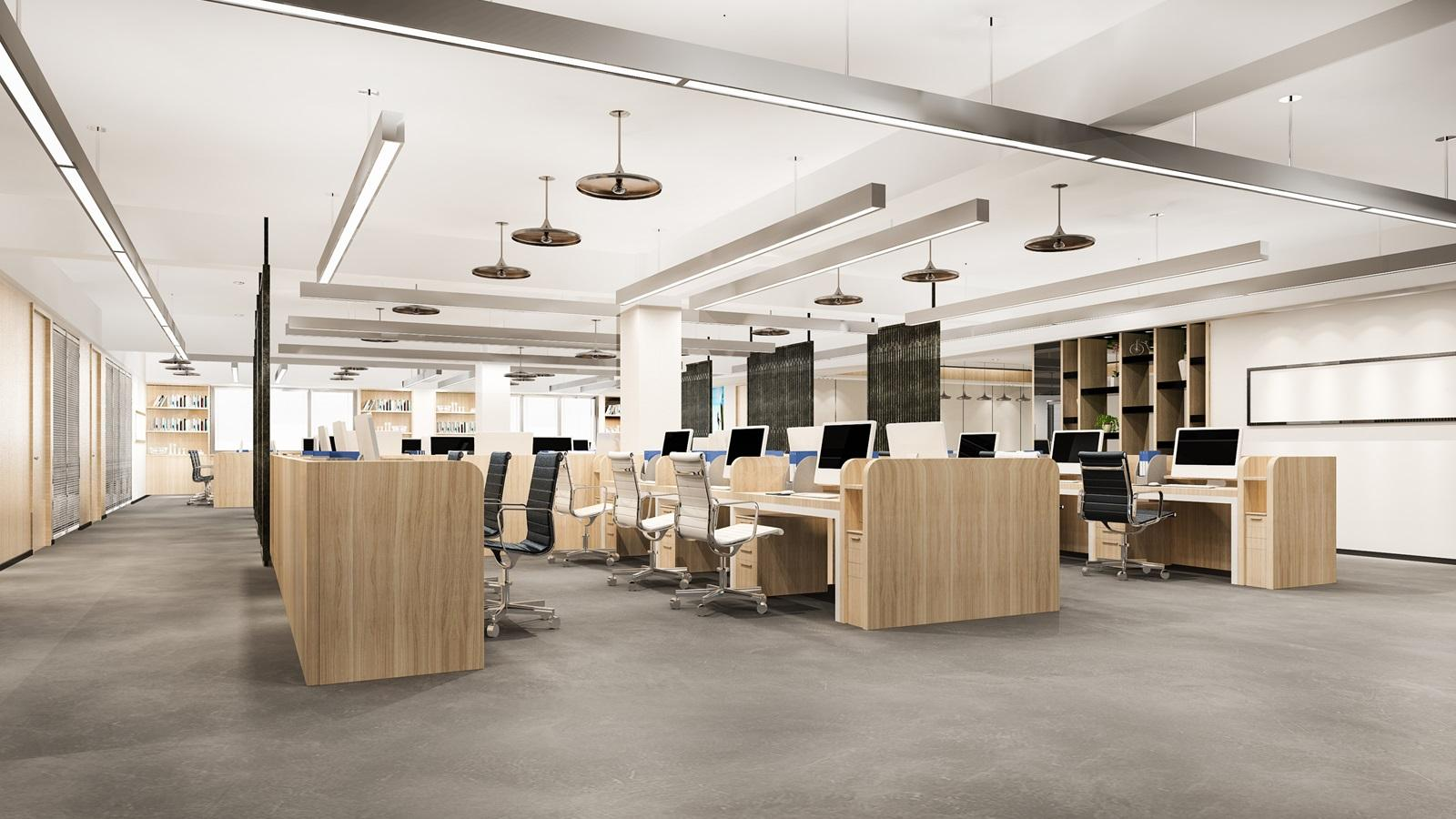
The first wave of "smart" furniture often meant adding technology on top of traditional designs. USB ports bolted to edges, power strips dangling from legs, charging pads that cluttered surfaces. The 2026 approach is fundamentally different. It starts from how people actually work and builds technology into the structure itself, making it invisible until needed.
Wireless charging zones now appear seamlessly integrated into desk surfaces, allowing phones and devices to power up without thought or effort. Hidden outlet systems provide power where it's needed without visible cords. Smart cable management channels route connections out of sight and out of mind. The result is a workspace where technology serves without demanding attention, where the relief of not fighting cords or adapters every day becomes a quiet daily pleasure.
Beyond power management, the most thoughtful desks of 2026 incorporate adaptive features that respond to individual working patterns. Height presets remember your preferred positions for different tasks — lower for focused writing, higher for video calls, standing for afternoon energy. Gentle sit-stand reminders encourage movement without becoming intrusive. Surfaces and accessories adjust to support posture without requiring constant conscious correction.
The keyword here is "supportive," instead of "smart." These aren't desks that demand interaction with apps or dashboards. They're desks that quietly learn how you work and adapt accordingly, reducing the cognitive load of managing your own environment. The intelligence is in the background, enabling better work without becoming another thing to manage.
Early attempts at smart furniture often erred on the side of visibility; LED displays, touch controls, companion apps that tracked every adjustment. The market has spoken clearly against this approach. People don't want their desks to become another screen competing for attention. They want calm. They want tools that enable focus rather than fragment it.
The desks gaining traction in 2026 embrace this philosophy of quiet capability. Their technology is felt rather than seen, experienced as reduced friction rather than added features. They function as quiet enablers of focus, supporting work without announcing their presence. This subtlety represents a maturation in how we think about smart furniture.
The fast furniture phenomenon, where we have cheap desks bought quickly and discarded just as quickly, is losing its appeal. Consumers increasingly recognize the false economy of furniture that looks acceptable in photos but degrades within months of daily use. The wobble that develops, the veneer that chips, the drawer that sticks—these aren't just inconveniences. They're daily reminders of compromise, small frustrations that accumulate into larger dissatisfaction.
The counter-movement embraces furniture as long-term investment. There's an emotional dimension to owning something built to last, a satisfaction in quality that extends beyond mere functionality. When you know your desk will serve you for decades rather than years, the relationship changes. It becomes a trusted tool rather than a temporary solution, part of your working identity rather than just another disposable object in a disposable culture.
Sustainability in 2026 means more than recyclability statistics. It means materials that create genuinely better experiences for the people who use them. Recycled metals bring industrial strength without environmental guilt. Responsibly sourced wood connects workspaces to natural warmth that synthetic materials can't replicate. Non-toxic finishes ensure that your desk isn't quietly off-gassing chemicals into the air you breathe for eight hours daily.
These choices affect experience in ways that might not register consciously but matter cumulatively. The warmth of real wood under your hands. The stability of quality construction that doesn't shift or wobble. The cleaner air quality that comes from furniture free of harmful compounds. Sustainable materials don't just benefit abstract environmental metrics; they create workspaces that feel better to inhabit, hour after hour, day after day.
There's a beautiful convergence happening in furniture design: what's better for the environment tends also to be better for people. Fewer chemicals mean fewer health concerns. Better textures mean more pleasant daily interaction. Longer usability means less waste but also less hassle of replacement and readjustment. Sustainability, properly understood, is care for people as much as care for the planet.
This reframing matters because it moves eco-conscious furniture from sacrifice to benefit. You're not choosing sustainable options despite personal preference. Instead, you're choosing them because they create superior experiences. The desk that will last twenty years feels more solid today. The finish that won't off-gas smells better now. Environmental responsibility and personal wellbeing align rather than compete.
The desk that worked perfectly in a dedicated office faces new challenges in the hybrid era. Now furniture must perform across contexts; the home office, the occasional shared workspace, the corporate headquarters visited twice weekly. Each environment has different constraints, different lighting, different social dynamics. The desk of 2026 must be flexible enough to succeed in all of them.
This doesn't necessarily mean portable furniture, though that has its place. More often, it means designs that adapt gracefully to varying contexts without requiring constant adjustment. Proportions that work in both spacious corporate settings and compact home offices. Aesthetics that feel professional on video calls but comfortable in domestic environments. The ability to transition between contexts without feeling like a compromise in any of them.
The most forward-thinking furniture manufacturers now design for evolution rather than static perfection. Modular desk systems allow components to be added, removed, and reconfigured as needs change. An extension piece purchased when work demands more surface area. A monitor arm added when screen setups evolve. A privacy panel that appears when the home office gains a neighbor.
This adaptability acknowledges a fundamental truth about modern careers: they change. The desk that serves a junior employee's needs will face different demands as that person advances, takes on new responsibilities, perhaps starts managing teams or pivoting to different work entirely. Furniture that grows with career and lifestyle changes represents not just practical wisdom but emotional intelligence.
Every adjustment, every reconfiguration, every moment spent wrestling with workspace logistics is a moment stolen from actual work. The cumulative benefit of well-designed furniture appears in fewer interruptions, smoother transitions between tasks, and less friction in the daily mechanics of getting things done. When your desk simply works; when power is available, surfaces are appropriate, positions are comfortable; you can achieve flow states more easily and maintain them longer.
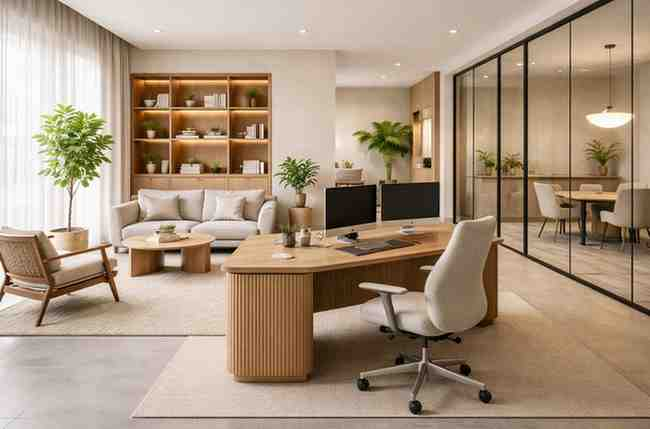
Traditional ergonomics approached the human body as a problem to be solved; joints at proper angles, screens at proper distances, chairs at proper heights. While this clinical approach has value, it misses something essential: comfort is a personal experience, not a standardized diagram. What feels supportive to one person may feel constraining to another. Bodies differ, habits differ, and preferences differ.
The ergonomic philosophy emerging in 2026 embraces this variability. Rather than prescribing single correct positions, it offers ranges and options that accommodate different body types, working styles, and personal preferences. The goal shifts from compliance with ergonomic standards to actual felt comfort; furniture that supports how each individual actually works rather than how some idealized worker theoretically should.
The difference between a good desk and a great one often lives in details that resist easy specification. The subtle curve of an edge that doesn't dig into forearms during long typing sessions. The precise surface height that allows shoulders to relax. The legroom that permits natural position changes without bumping into obstacles. The stability that eliminates the subtle wobble most people tolerate without realizing its drain on focus.
Discomfort frequently comes from tiny oversights; designers who never spent full workdays at their own creations, engineers who prioritized manufacturing efficiency over daily experience. The best furniture of 2026 emerges from extended real-world testing, iterative refinement based on actual use, and genuine attention to the small frictions that compound over hours and days of work.
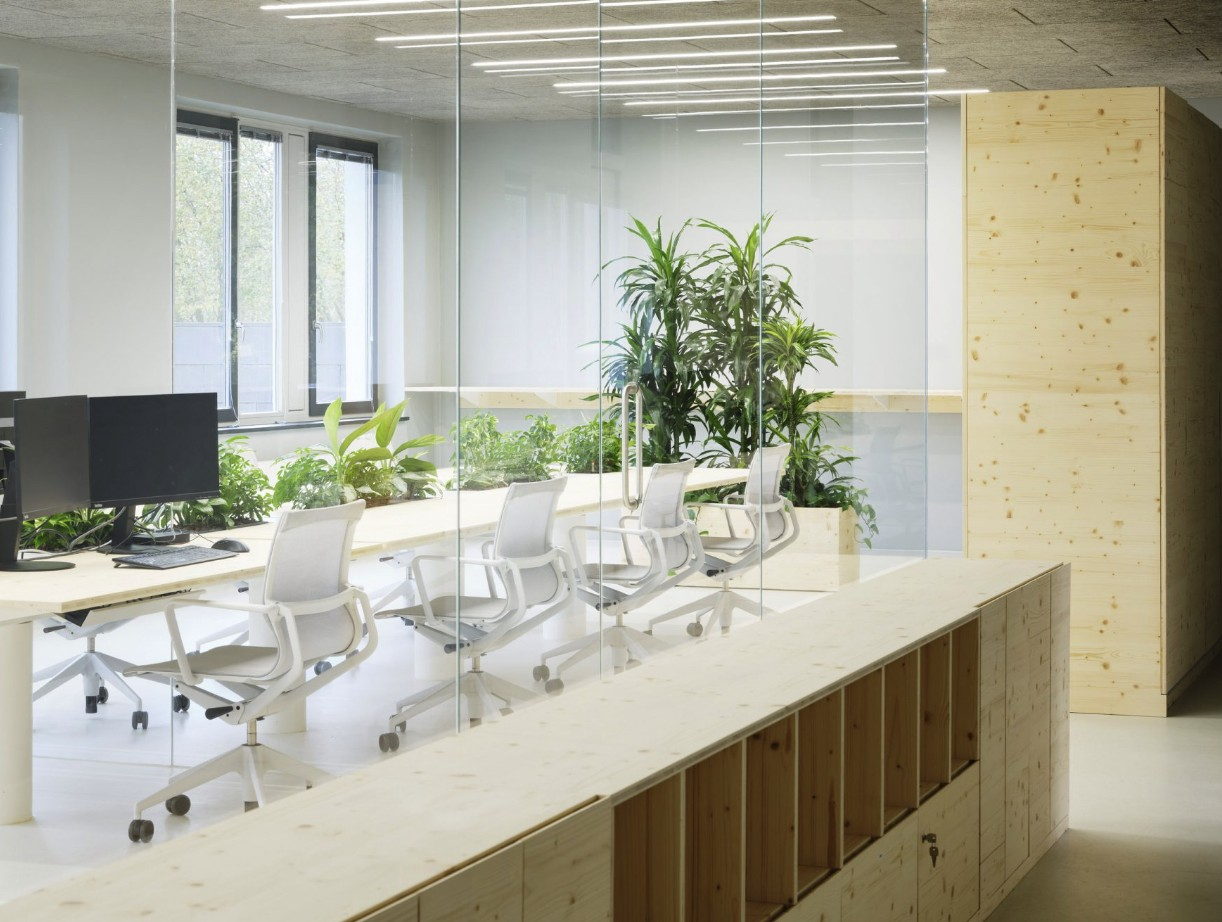
Proper workspace design increasingly recognizes that visual environment affects mental state. Busy designs with aggressive angles, harsh contrasts, and competing focal points create a kind of ambient noise that competes with attention. Even when you're not consciously looking at your desk, its appearance registers somewhere in awareness, either supporting or undermining the calm focus that good work requires.
The psychology of clean, warm workspaces is becoming better understood. Surfaces that don't demand attention allow attention to go elsewhere. Colors that soothe rather than stimulate create backgrounds against which thought can happen more easily. The aesthetic choices in furniture aren't superficial; they're functional elements that shape the mental environment of work.
The aesthetic trend in 2026 desk design emphasizes neutral tones, natural textures, and timeless shapes. These aren't boring choices; they're strategic ones. A desk in warm wood tones and clean lines provides personality without demanding attention. It creates an environment people enjoy returning to without becoming a source of visual stimulation that interferes with work.
This approach represents mature design thinking. The goal isn't to make the desk itself impressive but to make the workspace as a whole conducive to good work and positive feeling. The desk succeeds by becoming a reliable, pleasant backdrop; present enough to create comfort, subtle enough to disappear when focus demands it.
The office desk in 2026 is no longer just a surface where work happens to occur. It's a silent collaborator in working life; anticipating needs, adapting to habits, removing frictions that once seemed inevitable.
All of this means that if you’re looking to optimize your workspace, you need furniture that reflects this change. And at Liyu Furniture, we have the right pieces to transform your office space in a flash.
Let us know what you need, and watch us work our magic!


