
Views: 0 Author: Site Editor Publish Time: 2026-02-17 Origin: Site


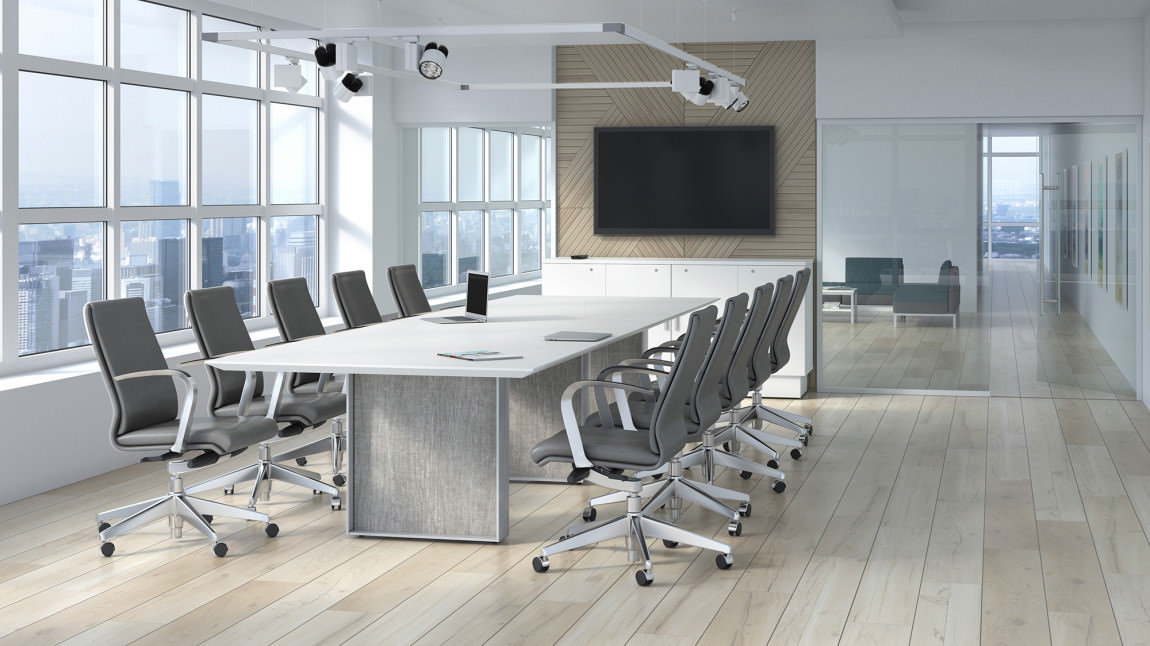
You might not think about it so much, but the choice of your office table could actually have a lot of influence on the types of meetings that happen in a conference room.
Productive meetings always have a solid conference table as a centerpiece. And in this article, we’ll look into how you can make sure that your conference table fits the ideal meeting setup.

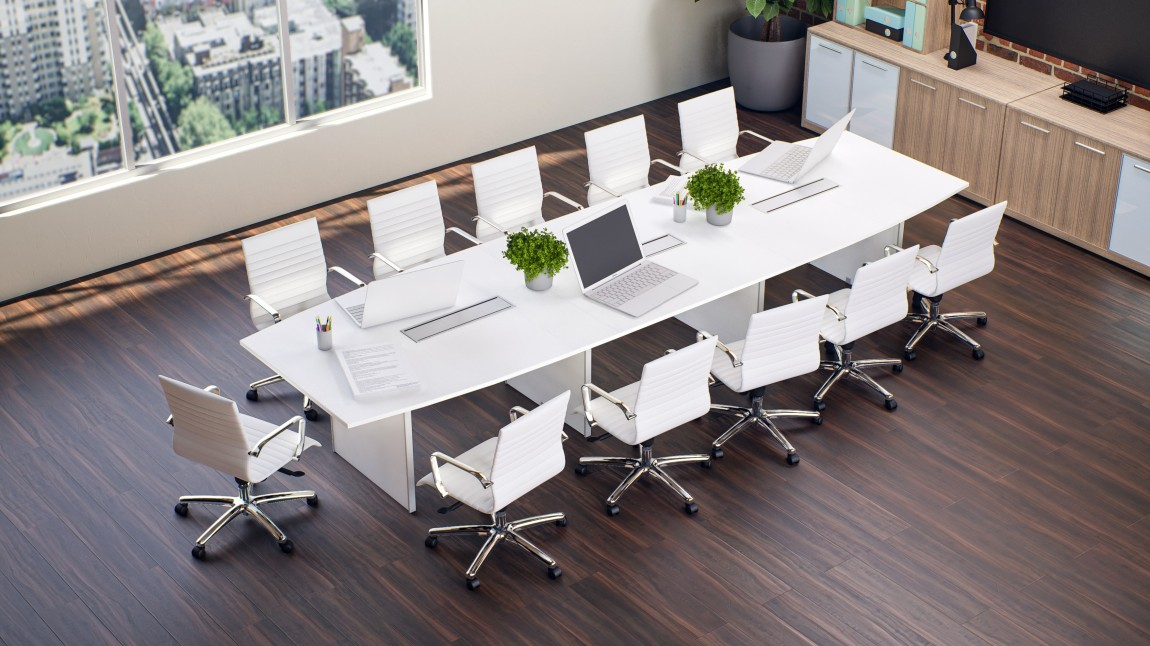
Before you choose furniture or dive into the conference table buying guide, you want to focus on understanding how the room itself will be used. Today, conference rooms serve several purposes in business environments, and the function of a room will determine how you go about getting a table.
Different meeting formats come with their requirements. And, your furniture choice should support each use as needed.
A presentation will need very clear sightlines to a major screen or projector from every seat. As such, you want to arrange tables and chairs to avoid shielding visibility.
Every brainstorming session will benefit from an open, flexible layout. So, go more for movable furniture and softer seating that encourages mobility and interactions.
When you have board members coming together for a meeting, we recommend getting large, sturdy tables with enough personal space for each attendant. This will support long conversations and decision-making.
It’s no secret that you want a conference room to be able to accommodate as many people as are required to be there. To that end, keep the following in mind:
Know the number of attendees in the room; not just the seating capacity. This ensures that you can choose the right table size, which ensures the room doesn’t get crowded.
You also want to consider how people come in, exit, and move during the meeting. Create enough space for these actions, allowing people to stand, move, and retrieve materials at ease.
We recommend reconfigurable or modular layouts for dynamic teams. They allow the conference room to easily adapt to different functionalities, as well as meeting scenarios.
For a conference room to be functional, the office furniture in it should prioritize proper communication.
Participants should be able to see presentations, projections, and other attendees clearly. Your conference table and other office furniture will need to adhere to this.
Terrible acoustics will only affect communication efficiency in the conference room. So, all materials should support clear sound transmission while limiting echoes and noise disruption.
A conference room’s layout also needs to support engagement. You want to encourage eye contact and discussions, where everyone can contribute and be heard.
Now, let’s get into the conference table buying guide properly.
The first thing most people consider when buying conference tables is size - and rightfully so. A conference table’s size directly influences how comfortable and productive meetings become, and you don’t want a table that’s too large or too small.
You want your conference table to complement the room - instead of overwhelming it or leaving it feeling too empty.
It’s important to have enough room around the table for people to easily move. Here are a few guidelines:
● Keep at least 36 to 48 inches of clearance around the table for seamless access.
● See to it that doors, boards, and cabinets can also be accessed without disruption. This way, the conference room doesn’t feel cramped.
A balanced room-to-table ratio allows the table to fit perfectly into the room’s space. Here’s what we mean:
● If you have a small room, a rectangular table allows you to optimize space.
● For larger rooms, though, longer, boat-shaped tables give way to more visibility.
We recommend that you use the 60-70% rule, where the table only makes up for about two-thirds of the room’s floor area. The rest of the space can be left for proper movement.
A meeting can’t be productive when people don’t feel comfortable. Participants need to have enough personal space to work and stretch without feeling claustrophobic.
When allocating space, consider this guideline:
● Between 24 and 30 inches of width per person for each meeting
● For executive or intensive meetings, aim for between 30 and 36 inches per person
When a table is too narrow, it causes crowding and makes everyone feel uncomfortable. On the other hand, tables that are too wide tend to make participants feel disconnected and can limit communication.
So, aim for the right size as it optimizes engagement and keeps everyone comfortable.
These days, meetings rely very heavily on technology. As such, the design of a conference table will need to support this requirement as well.
Go for tables with proper cable trays and wire channels that can help you organize cords and keep them off the floor. For both safety and aesthetics, this is critical.
Your table also needs to have enough surface area to handle multiple devices without causing the conference room to feel cluttered. Try to consider:
● Any built-in power outlets
● Microphone placement
● Ports for computer and network connections
A conference table’s shape doesn’t just determine how it looks; it also influences the ease of communication and the meeting’s overall tone.
Conference tables come in different shapes, and each shape works perfectly for a specific meeting type, team size, and more. Let’s help you understand better in this conference table buying guide:
By far the most traditional and common shape, the rectangular table offers quite a lot.
The distinct feature of these tables is that they come with a defined “head” position. This reinforces leadership and structured communication, making the tables perfect for board meetings.
Since they offer organized seating and elongated shapes, rectangular tables are quite ideal for large teams and long conference rooms.
An oval or semi-round shape gives a more inclusive, modern feeling while still showing a sense of structure.
These tiles have curved edges, which remove sharp corners and create a more inclusive visual flow across the conference room.
Because there aren’t any “head positions,” these tables allow for balanced discussions. They’re perfect for medium-sized teams where collaboration and structure are needed.
The round tables work for improving interaction and creating a laid-back environment.
You have every seat with equal positioning, removing any feeling of hierarchy and allowing everyone to feel equal. This setting encourages discussions and helps everyone communicate.
That said, round tables are probably better for team meetings and informal sessions.
The U-shaped conference tables offer quite a lot of functionality, especially for meetings where presentations will be made.
Thanks to the open end of a U-shaped table, the presenter can stand in front of everyone, and participants also get a clear view of the whiteboard.
In this setting, everyone sits facing the center, boosting engagement while holding communication.
For modern workspaces, no conference table shape is as adaptable as the modular one.
Modular tables are usually made of smaller segments that can easily be rearranged based on need. These designs are perfect for
● Flexible, multipurpose rooms
● Coworking spaces
● Training rooms
● Dynamic teams that need to collaborate on different fronts
Next, we need to talk about the material of the conference table. This factor determines the table’s durability in the long term, possible maintenance needs, and even your workplace’s general vibe. And, here are the major options available:
Wood is arguably the most popular material for a conference table there is. It’s known for its timeless aesthetic and durability, blending both quite well.
● A solid wood conference table is undeniably strong, with a natural beauty that matches its longevity. That said, it can be expensive
● A wood veneer gives you a premium look and is more affordable, but it's lighter and might look a bit flimsy
● Laminate imitates the appearance of wood while still being durable and scratch-resistant. For high-traffic rooms, you might want to consider it.
Wood is so great because it creates a professional-looking environment. If you want to furnish an executive conference room or a client meeting area, consider it.
Glass conference tables are sleek and modern-looking, making them great for today’s workspaces. Their minimalistic appearance makes them very elegant, and they provide a light look that can even make small rooms look bigger than they are.
That said, a glass surface will need frequent cleaning and can easily show smudges. Scratches also show on them more easily, so they’ll need a lot of delicate handling.
Tables with solid metal components are known for their durability. Metal frames or legs can easily be paired with modern interior styles, bringing a wear-resistant factor to a fast-paced work environment.
Plus, you can pair metal with other materials for a balanced design and robustness.
Some businesses prefer having a blend of materials as it balances functionality and style. If you’d like to follow this, here are a few options:
A wood table surface with metal legs gives a modern, elegant look. You get to maintain warmth while also keeping the table’s structural integrity.
You can also incorporate acoustic inserts, fabric panels, and soft-touch materials into your table to improve comfort and reduce noise. For video calls or hybrid work environments, this works well.
If we’ve covered anything in this article, it’s that there is a lot that goes into choosing the right conference table. With these expert tips, you will be able to select the right table based on several critical tips:
Before you buy anything, remember to take precise measurements of the conference room. Consider doorways, available walking space, and even the placement of cabinets and seats.
Check the needed space and table dimensions to ensure comfortable movement.
Get a floor plan and visualize the table’s perfect fit.
A conference table is a long-term investment. So, focus on a durable, adaptable table for your office.
● Whatever material you choose should be able to withstand heavy, long-term use
● Also, opt for modular designs and shapes that work with different room setups
● Think about the table’s fit with technological advancements, so you know how it adapts
Every company has its meeting culture. So, go for a table that supports this culture.
● Remember to match the shape of the table with the type of meetings that go on in the room
● Also, ensure the table is comfortable enough to support the meeting’s duration
● A table that aligns with your meeting type will ensure seamless communication, operational efficiency, and comfort for everyone.
Conference tables have become a major part of any official setup, and it’s easy to see why. With the right conference table, you can make space for a more productive meeting while also not sacrificing any of the beauty within your workspace.
Want to learn more about these tables or select the right fit for your office? Get in touch with us at Foshan Liyu Furniture Co. Ltd. today!


