Views: 0 Author: Site Editor Publish Time: 2026-06-13 Origin: Site


The evolution of the office chair highlights a constant search for better workspace tools. Charles Darwin famously attached wheels to his study chair for efficiency, sparking centuries of ergonomic innovation. Today, highly engineered seating dominates our professional environments, offering unprecedented structural support. Modern buyers often face a frustrating dilemma between aesthetic authority and functional ergonomics. The term "executive" naturally implies high status and luxury. However, at the final decision stage, your choice truly comes down to specific physical dimensions, material longevity, and daily usage habits. This guide breaks down the precise structural realities of an executive office chair. We objectively compare these models to alternative seating options available on the market today. You will learn how to evaluate if this specific style aligns securely against your personal posture needs and workspace constraints.
Structural distinction: Defined by a high-back profile, premium materials, and full-body proportions rather than just a job title.
The core trade-off: Prioritizes "set-it-and-forget-it" plush comfort and fixed support over the hyper-adjustable, micro-targeted alignment found in standard task chairs.
Environmental constraints: Requires a larger physical footprint and specific maintenance (e.g., leather care); generally unsuitable for compact workstations.
Target user: Ideal for taller individuals requiring upper-back support, conference room applications, and intermittent seating, rather than intensive 8-to-10-hour static data entry.
You must look beyond the commanding visual presence of these chairs. This category follows a specific engineering blueprint. It prioritizes full-body contact and long-term durability over lightweight mobility.
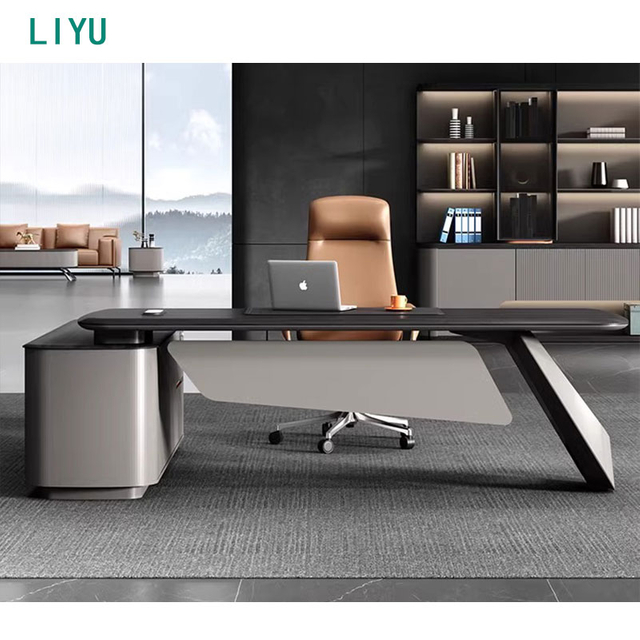
Manufacturers design these seats with a significantly wider seat pan. They utilize a heavier, reinforced frame to support broader dimensions. The high backrest serves as the defining structural characteristic. It extends vertically to support the head and neck. This scale creates a strong visual anchor in any room. However, it also demands adequate physical space. You need a larger desk setup to accommodate these robust proportions.
Engineers typically construct these frames using high-grade materials. Genuine leather and Napa leather remain industry standards. These organic materials prioritize durability. They project a highly formal aesthetic. You rarely find lightweight synthetic mesh in this tier. Premium leather develops a unique patina over years of use. It offers a distinct tactile experience. We recommend verifying the leather grade before purchasing. Top-grain hides resist tearing much better than bonded alternatives.
An executive model utilizes thick, high-density foam padding. This architecture provides immediate, sinking comfort. The design distributes your body weight evenly across a broader surface area. It reduces pressure points during relaxed seating postures. The foam must maintain its structural integrity over time. Cheap polyurethane compresses quickly and permanently. High-resiliency foam resists this degradation, keeping your posture aligned for years.
You must understand the distinct engineering philosophies dividing these two categories. They serve entirely different physical needs in the workplace.
Feature | Executive Chair | Task Chair |
|---|---|---|
Comfort Profile | Plush, immersive, weight-distributing | Firm, practical, highly breathable |
Adjustability | Static, set-it-and-forget-it mechanisms | Micro-tuned, multi-point 4D adjustments |
Support Focus | Full posterior chain (lumbar to head) | Targeted lower-to-mid spine (S-curve) |
Seat Edge Design | Thick padded boundary | Sloped waterfall edge for circulation |
A luxury office chair offers an immersive, "throne-like" comfort. Engineers design it for stability. You sink into the padding. Task chairs take a completely different route. They focus on practical, firmer support. Task models feature distinct waterfall edges on the seat pan. This downward slope promotes active blood circulation in your lower legs. It prevents dangerous pressure buildup behind your knees during long shifts.
Executive models favor a "set-it-and-forget-it" design. They maintain a fixed, ergonomic posture for you. You sit down and immediately feel supported by the structured frame. Task chairs offer fine-tuned, multi-point adjustments. You can meticulously modify seat depth, backrest height, and armrest angles. These robust 4D adjustments suit restless sitters perfectly. They allow micro-targeted alignment for intense, forward-leaning typing sessions.
Executive seating supports your entire posterior chain. The thick padding contacts everything from your lower back up to your head. Task chairs focus intensely on the lower-to-mid spine. They aggressively enforce the natural S-curve of your back. This targeted approach keeps your pelvis tilted forward. It forces you to remain upright and alert during complex data entry.
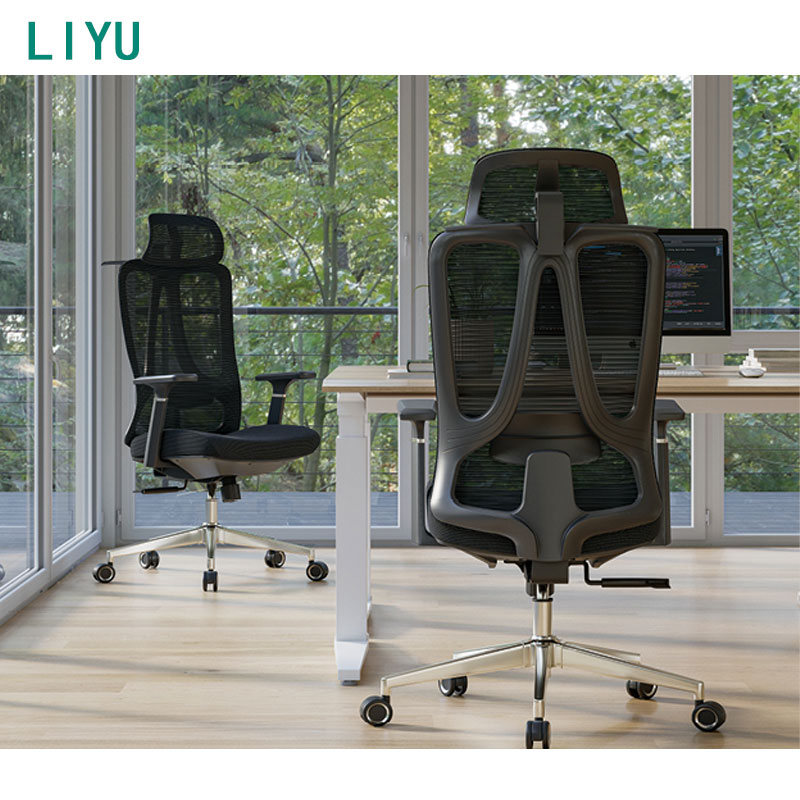
Before you purchase a swivel executive chair, you must evaluate your physical environment. These robust chairs introduce specific room constraints and upkeep requirements.
The sheer volume of these models can overwhelm a small home office. They consume significant floor space. You must evaluate your desk clearance carefully. Fixed, thickly padded armrests often collide with standard desk drawers. This collision prevents you from pulling close to your keyboard. We recommend measuring your room footprint before shortlisting any specific model. Allow at least 36 inches of clearance behind your desk for proper reclining.
Genuine leather naturally retains body heat. This thermal reality impacts your daily comfort directly. For users prone to overheating, leather presents a notable challenge. Non-climate-controlled environments amplify this issue significantly. The lack of breathability compared to synthetic mesh remains a critical evaluation factor. You might experience discomfort during humid summer months.
High-quality leather requires periodic conditioning to prevent permanent cracking. You must factor in the long-term maintenance of this upholstery. Synthetic mesh requires minimal upkeep. Leather demands active, consistent care to preserve its texture and color.
Wipe down the leather weekly using a damp, clean microfiber cloth.
Apply a high-quality leather conditioner every three to six months.
Keep the chair away from direct sunlight. UV rays dry out natural materials rapidly.
Avoid harsh chemical cleaners. They strip the natural oils directly from the surface.
Many users frequently shift postures throughout the workday. Sitting cross-legged remains common in programming roles. It also appears frequently among ADHD demographics. For these active sitters, executive chairs often feel restrictive. The thick side-bolstering traps the legs in a forward-facing position. A wide, flat task chair proves much more forgiving. It easily accommodates unconventional seating habits without causing hip pain.
A manager office chair serves specific professional demographics exceptionally well. We can easily profile the ideal users based on biomechanics and daily workflows.
Users over 6 feet often struggle with standard seating. Mid-back chairs lack adequate upper thoracic support. They offer zero cervical support for the neck. A high-back executive model solves this geometric problem perfectly. The extended backrest finally supports the shoulders and head properly. It prevents tall individuals from hunching over their keyboards.
Corporations regularly procure these chairs for specific architectural zones. Executive suites and premium boardrooms require them. Luxury hotel business lounges also rely heavily on this aesthetic. In these environments, the executive chair serves two distinct purposes. It provides comfortable functional seating. It also projects representational authority to visiting clients.
Some roles involve continuous reading, taking calls, and virtual meetings. These tasks encourage intermittent, relaxed postures. You lean back, observe, and listen. This seating style excels here. It provides a comfortable cradle for long discussions. It fails, however, during relentless keyboard use. Static data entry requires forward-leaning mobility.
You need a systematic approach to evaluate potential purchases. Follow these technical benchmarks to ensure you select a durable, supportive product.
Component | Quality Benchmark | What to Avoid |
|---|---|---|
Gas Lift Cylinder | Class 4 Heavy-Duty | Unrated or Class 2 plastics |
Chair Base | Reinforced Aluminum/Steel | Hollow nylon frames |
Tilt Mechanism | Synchronized (2:1 ratio) | Single-point center tilt |
Foam Padding | High-resiliency molded foam | Scrap foam or loose batting |
Verify the inclusion of a heavy-duty gas lift cylinder. Class 4 cylinders represent the industry gold standard. Look closely for a reinforced 5-star base. Aluminum or steel bases safely support the increased weight of the chair itself. Cheap plastic bases warp under heavy loads. They eventually snap, creating a severe safety hazard.
Check the lumbar support system thoroughly. Many low-end models simply use a thick internal pad. Premium options feature a dynamic, mechanical support system. This hidden mechanism adjusts to your spine's specific curvature. It maintains continuous pressure against your lower back even as you recline.
Look for a synchronized tilt mechanism. This engineering feature allows the backrest and seat pan to recline at a 2:1 ratio. Your back reclines 20 degrees, while your seat tilts only 10 degrees. This keeps your feet completely flat on the floor during a deep recline. It successfully reduces vascular pressure on the back of your thighs.
A credible luxury chair should offer a substantial warranty. You should expect 5 to 10 years of structural coverage. This timeframe accurately reflects the quality of the internal mechanisms and upholstery. Short warranties often indicate inferior internal components. Manufacturers know exactly how long their foam and cylinders will last.
Final Verdict: Upgrading to an executive chair is a valid investment if your primary criteria are full-body support, premium aesthetics, and long-term durability. However, it is not a universal cure for poor posture.
Next Action: Measure your desk clearance, evaluate your daily hours spent typing versus reading/meeting, and consult with a seating specialist or browse vetted collections to make an informed procurement.
A: Yes, provided it features a well-designed lumbar curve rather than just thick, soft padding. However, overly soft cushions can sometimes cause the pelvis to tilt incorrectly, so testing the firmness is essential.
A: Generally, no. Their wide footprint and high backrest can restrict movement and visually dominate small spaces. Measure your desk width and under-desk clearance carefully before buying.
A: With proper frame usage and routine leather conditioning, a high-quality model can last 7 to 10 years or more, frequently outlasting standard fabric alternatives.