
Views: 0 Author: Site Editor Publish Time: 2026-09-25 Origin: Site


The modern executive office functions simultaneously as a center for deep, focused work and a private venue for high-stakes conversations, interviews, and negotiations. Standard guest chairs often lack the necessary gravitas and comfort for extended meetings, while residential living room sofas introduce ergonomic deficits—such as excessively deep seats or low heights—that undermine professional posture and authority. Selecting the right office sofa chair requires moving beyond pure aesthetics to evaluate commercial-grade durability, spatial footprint, and the specific psychological dynamics of executive layouts. This guide breaks down the technical criteria for shortlisting executive seating, focusing on structural integrity, material performance, and spatial efficiency to ensure your workspace supports both your daily operations and your professional image.
Seating arrangements directly dictate meeting dynamics and shape the psychological undertones of professional interactions. Placing chairs side-by-side or at slight angles fosters collaboration and partnership, removing the physical barrier of a desk. Conversely, positioning seating directly across a central table establishes a more formal, negotiation-oriented environment. Chair height and backrest scale also play critical roles in perceived authority. A low-slung sofa places the guest in a subordinate physical position, which can create discomfort during critical discussions. Maintaining equal eye level through properly scaled seating ensures mutual respect and facilitates productive dialogue. When you configure an office layout, you are actively engineering the flow of conversation. A well-placed seating area signals that you value the visitor's time and input, while a poorly planned layout can make guests feel rushed or undervalued.
Commercial seating requires specific ergonomic parameters distinct from residential furniture. A firmer foam density—minimum 2.0 lb/cu ft—prevents users from sinking into the cushion, maintaining an upright and alert posture. Seat depth is equally crucial; it must typically range between 20 and 22 inches. This specification ensures guests wearing professional attire, such as tailored suits or skirts, can sit comfortably without fabric bunching and can stand up effortlessly without awkward physical exertion. Proper lumbar support integrated into the backrest further prevents fatigue during prolonged strategy sessions. We often see executives make the mistake of prioritizing a plush feel over structural support, leading to meetings where participants are constantly shifting to find a comfortable, professional posture.
Executive furniture must adhere to stringent commercial standards to mitigate liability and ensure longevity. BIFMA (Business and Institutional Furniture Manufacturers Association) certifications indicate that a chair has passed rigorous testing for structural integrity, stability, and durability under continuous use. Furthermore, commercial office buildings mandate strict fire retardancy standards, such as CAL 117 compliance. Furniture lacking these certifications poses significant safety risks and often violates commercial lease agreements or building codes. Facility managers will routinely reject uncertified furniture during office build-outs, causing costly delays and forcing emergency repurchasing.
Visual hierarchy within an executive office demands intentional coordination. The style, trim, and frame materials of the visitor seating must align with the primary executive task chair. If the executive desk features dark walnut veneers and brushed steel accents, the lounge seating should incorporate complementary finishes. However, visitor seating must not visually overpower the executive’s primary workspace. Maintaining a balanced scale ensures the desk remains the focal point of authority while the lounge area serves as a sophisticated, integrated extension of the room's design language. You want the eye to travel naturally from the primary workspace to the secondary seating area without encountering jarring shifts in material quality or design era.
Modern executive workflows rely heavily on mobile devices and laptops. Integrating technology directly into the seating area eliminates unsightly cable clutter and prevents guests from searching for wall outlets. Specify options for integrated USB-C charging ports, induction charging pads built into wide armrests, and concealed cable management channels within the chair frame. These features support laptop-heavy collaborations and ensure devices remain powered during extended presentations or off-site vendor reviews. Hardwiring these units into floor cores during the initial office build-out prevents tripping hazards and maintains a clean, professional aesthetic.
The traditional leather office sofa chair remains a staple in executive environments for its unmatched durability and timeless aesthetic. High-quality top-grain leather resists liquid penetration, making it exceptionally easy to sanitize and maintain. Visually, it signals established authority and permanence. The primary drawbacks include a higher initial capital expenditure and susceptibility to surface scratches from hardware like keys or metal briefcases. This category excels in law firms, financial institutions, and traditional corporate headquarters where projecting stability is paramount. When specifying leather, always verify the hide's origin and tanning process, as inferior bonded leathers will quickly delaminate under heavy commercial use.
When square footage is limited, compact visitor seating offers a highly modular and efficient solution. These units maximize available floor space while allowing easy reconfiguration for varying meeting sizes. Moving two club chairs to accommodate a quick huddle is significantly easier than repositioning a heavy three-seater sofa. While they lack the expansive comfort of a full sofa, they provide targeted ergonomic support. This style is the optimal choice for smaller executive offices or fast-paced tech startups prioritizing agile, adaptable spaces. We frequently install these in secondary executive suites where the primary function is rapid, one-on-one check-ins rather than extended board-level reviews.
Contemporary office design increasingly favors modular and curved geometries. High-back acoustic sofas provide built-in visual and acoustic privacy, creating a micro-environment within a larger room. Curved designs—such as organic or semi-circular layouts—soften rigid architectural lines and foster a collaborative, non-confrontational atmosphere. These pieces frequently support integrated power modules. However, they are visually bulky, can dominate a room's design, and are difficult to relocate once installed. They are best deployed in open-plan executive suites, creative agencies, and modern corporate environments seeking a progressive aesthetic. Installation requires careful coordination with HVAC and lighting plans to ensure the high backs do not obstruct airflow or cast unwanted shadows.
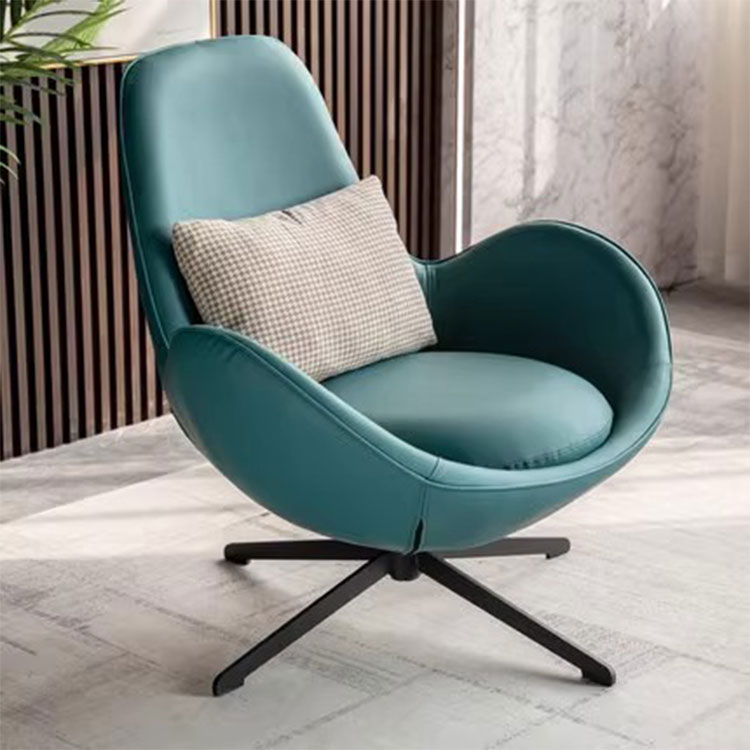
For direct conversations, the optimal configuration involves two executive lounge chair units angled at 45 degrees with a shared central side table. This specific geometry reduces confrontational body language by allowing participants to shift their gaze away from direct eye contact naturally. It maintains appropriate personal space while facilitating a relaxed yet professional dialogue, making it ideal for performance reviews, interviews, or sensitive personnel discussions. Ensure the side table is positioned exactly equidistant between the two chairs to provide equal access to resting surfaces for notebooks or beverages.
Team reviews and informal board meetings require a different spatial approach. The collaborative corner pairs one two-seater office sofa chair with one or two compact visitor chairs arranged around a central coffee table. This setup creates a contained zone for document review or tablet-based presentations. The inclusion of a central table provides a necessary surface for beverages and materials, anchoring the seating arrangement and defining the collaborative zone within the broader office footprint. We recommend utilizing a rug to visually demarcate this zone from the primary desk area, creating a distinct "room within a room."
Integrating cozy textures like bouclé or woven wool into a professional environment requires strict design rules to avoid sacrificing authority. Contrast strategies yield the best results. Pair dark wood executive floors with lighter-toned fabric upholstery to create visual lift. Alternatively, match rich leather tones to existing carpet piles to anchor the seating zone solidly. The goal is to introduce tactile warmth without veering into residential casualness, ensuring the space remains distinctly commercial. Always request large-format fabric memos to test against your specific office lighting, as fluorescent and LED color temperatures will drastically alter the perceived hue of the upholstery.
Effective space planning relies on strict adherence to clearance requirements. Primary walkways must maintain a minimum of 36 inches of clearance to ensure unimpeded movement and accessibility compliance. The distance between seating and coffee tables should be precisely 18 inches—close enough to reach a beverage comfortably, but wide enough to allow easy ingress and egress. Additionally, assess sightlines from the primary executive desk to the seating area and the office door to ensure the executive maintains visual command of the room. Tape out the exact dimensions on your floor before ordering to verify that the proposed layout does not create bottlenecks near doors or filing cabinets.
Commercial upholstery durability is measured using the Wyzenbeek test, which quantifies abrasion resistance. High-traffic executive offices require fabrics rated for a minimum of 50,000 double rubs. Top-grain leather offers the highest lifespan and develops a natural patina over time, though it requires periodic conditioning. Bonded leather presents a lower upfront cost but is highly prone to peeling and cracking under daily use. Commercial-grade polyester blends offer excellent durability and stain resistance, providing a versatile alternative to natural hides. When evaluating fabrics, also consider the cleaning code; fabrics requiring specialized solvent cleaning will increase your ongoing maintenance burden compared to water-cleanable options.
| Material Type | Durability (Wyzenbeek) | Maintenance Level | Best Application |
|---|---|---|---|
| Top-Grain Leather | High (Natural Hide) | Moderate (Conditioning needed) | Traditional Executive Offices |
| Bonded Leather | Low (Prone to peeling) | Low (Wipe clean) | Low-traffic temporary setups |
| Commercial Polyester | 100,000+ Double Rubs | High (Stain management) | High-traffic collaborative zones |
| Woven Wool Blends | 50,000+ Double Rubs | High (Professional cleaning) | Acoustic-sensitive environments |
The structural integrity of commercial seating relies entirely on frame construction. Kiln-dried hardwood frames resist warping and provide superior longevity compared to untreated wood. Tubular steel construction offers maximum rigidity and is often used in modern, minimalist designs. Regardless of the material, establish a baseline weight capacity requirement of a minimum of 300 lbs per seat. This specification ensures inclusivity for all guests and guarantees the structural integrity of the furniture over years of continuous use. Inspect the joinery methods; corner-blocked, glued, and screwed frames will vastly outperform those assembled merely with staples and basic adhesives.
Analyzing the trade-off between upfront costs and replacement frequency is critical for smart procurement. Commercial warranties typically cover structural mechanisms, steel frames, and foam resilience for 5 to 10 years. However, they frequently exclude fabric pilling, surface scratches, and normal wear and tear. Investing in higher-quality frames with replaceable cushion covers often yields better long-term value than purchasing disposable, low-tier seating that requires complete replacement every three years. Review the warranty documentation carefully to understand the manufacturer's claims process and whether they cover on-site repair labor or require you to ship the unit back to a facility.
Sourcing furniture from residential retailers based on standard social media inspiration boards leads directly to the "living room trap." Residential sofas feature deeper seats and softer foam designed for lounging, which causes premature foam collapse in commercial settings. More importantly, they force guests into awkward, reclined postures that are entirely inappropriate for business meetings. Commercial seating is engineered specifically to support upright, engaged posture. We have replaced countless residential sofas in corporate offices within twelve months of installation simply because the foam cores completely degraded under standard daily use.
Piecemeal purchasing creates a visually disjointed environment known as the "Frankenstein suite." Mixing incompatible wood veneers, clashing metal accents, and disparate upholstery weights undermines the professional aesthetic of the office. Purchasing coordinated office furniture packages from a single commercial manufacturer ensures matching finishes and complementary design languages, resulting in a cohesive and authoritative executive space. If you must mix manufacturers, stick to neutral metal finishes like brushed aluminum or matte black to bridge the gap between different product lines.
Critical measurement failures during the procurement phase routinely derail installations. Neglecting to measure elevator dimensions, stairwell turns, and standard office doorway widths (typically 32-36 inches) results in furniture that cannot physically enter the space. To mitigate this risk, mandate "white glove" delivery and assembly services for heavy, single-piece sofas. Professional installers manage the logistics and assume liability for any transit damage. Always verify the freight elevator booking procedures with your building management at least two weeks prior to the scheduled delivery date to avoid costly redelivery fees.
Pairing a standard 18-inch seat height with an inappropriately low or high coffee table creates immediate functional issues. An improperly scaled table forces guests to hunch over to reach laptops or beverages, compromising ergonomics and comfort. When selecting an office waiting chair or executive sofa, ensure the accompanying table surface rests between 16 and 18 inches high to maintain accessible, comfortable reach zones. Test the pairing physically if possible, or rely on detailed CAD elevations to confirm the ergonomic relationship between the seating and the work surface.
A: Commercial office seating should have a seat height between 17 and 19 inches. This ensures users can sit upright comfortably and stand up easily, which is critical for maintaining a professional posture during business meetings.
A: Choose leather for longevity, ease of cleaning, and a traditional, authoritative look. Choose commercial-grade performance fabric if you need acoustic dampening, a wider variety of colors, or a softer, contemporary aesthetic.
A: No. Residential furniture lacks the firm foam density required for professional posture, voids commercial warranties, and often fails commercial fire safety codes like CAL 117. It degrades rapidly under daily office use.
A: The Wyzenbeek test measures the abrasion resistance of upholstery fabric. For high-traffic executive offices, you should select fabrics rated for a minimum of 50,000 double rubs to ensure long-term durability.
A: You must maintain a minimum of 36 inches of clearance for primary walkways to ensure accessibility. Additionally, leave exactly 18 inches of space between the seating edge and any coffee table for comfortable legroom.
A: Commercial seating requires a minimum foam density of 2.0 lb/cu ft. This firmer density prevents users from sinking into the chair, ensuring they remain alert and properly supported during long meetings.


