Views: 0 Author: Site Editor Publish Time: 2026-05-29 Origin: Site


Upgrading your workspace is a deeply strategic move. It directly boosts daily productivity. It organizes your complex workflow efficiently. It builds professional credibility instantly. You are not making a simple furniture purchase. You are designing a true leadership hub. Today’s leadership spaces look vastly different from past decades. They require a careful, intentional balance. You absolutely need authoritative, commanding design. You also need agile, technology-driven functionality to stay competitive. Finding this perfect balance takes deliberate planning.
This guide provides a clear, actionable framework for you. We help you evaluate critical spatial constraints first. We examine material durability and visual impact next. You will also learn to assess essential ergonomic features. Finally, we outline common procurement risks to avoid. You will gain the exact knowledge required. You can then make a confident, long-term decision for your modern workspace.
Size strictly dictates function: Desks exceeding 66 inches are required for dual-monitor or multi-project setups, while standard daily operations can run on 48–66 inch profiles.
Workflow determines shape: L-shaped and U-shaped desks offer physical boundaries between digital work (screens) and collaborative/analog work (meetings, document review).
Material impacts maintenance: Premium materials (solid wood, sintered stone) signal authority but require specific post-purchase upkeep compared to commercial-grade laminates.
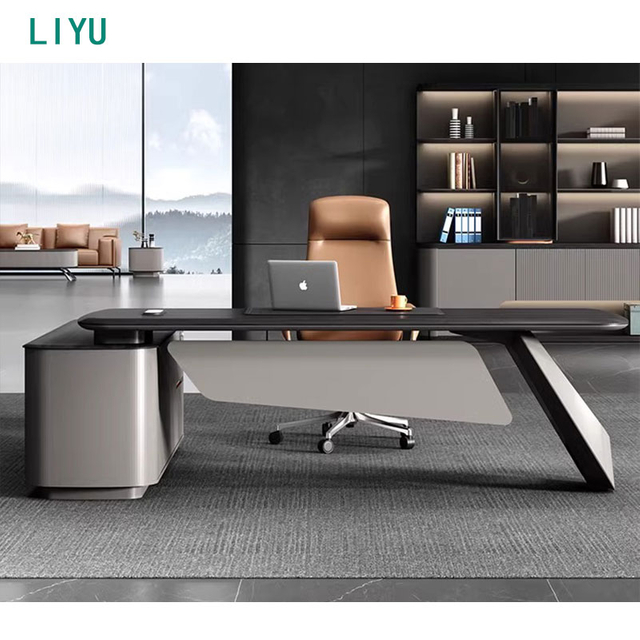
Traditional heavy double-pedestal models signaled strict static authority. They dominated the room physically. You could rarely move them. Modern offices shift this narrative completely. They favor modern modular designs now. These newer designs emphasize collaborative accessibility. They integrate advanced technology seamlessly. A traditional CEO desk often felt imposing to visitors. Today, leadership furniture invites open communication. It conceals cables effortlessly. It supports dynamic daily interactions.
An organized, high-quality executive office desk does much more. It sets a firm baseline for daily operational efficiency. It establishes immediate trustworthiness. Visiting stakeholders recognize this organization immediately. You project calm control. Cluttered, unstable surfaces signal disorganization. Premium surfaces command respect naturally. They frame your decision-making environment perfectly. We know environmental psychology plays a huge role here. Your physical workspace heavily influences your mental clarity. It dictates your daily output.
Organizations change rapidly. You need desks adapting to these rapid shifts. Built-in mobility offers enormous advantages. Modularity outperforms permanently fixed built-ins today. You can reconfigure the room effortlessly later. Your team avoids expensive remodeling. Scaling companies demand flexible real estate. A rigid layout hinders growth. We highly recommend selecting agile pieces. They protect your initial investment long-term.
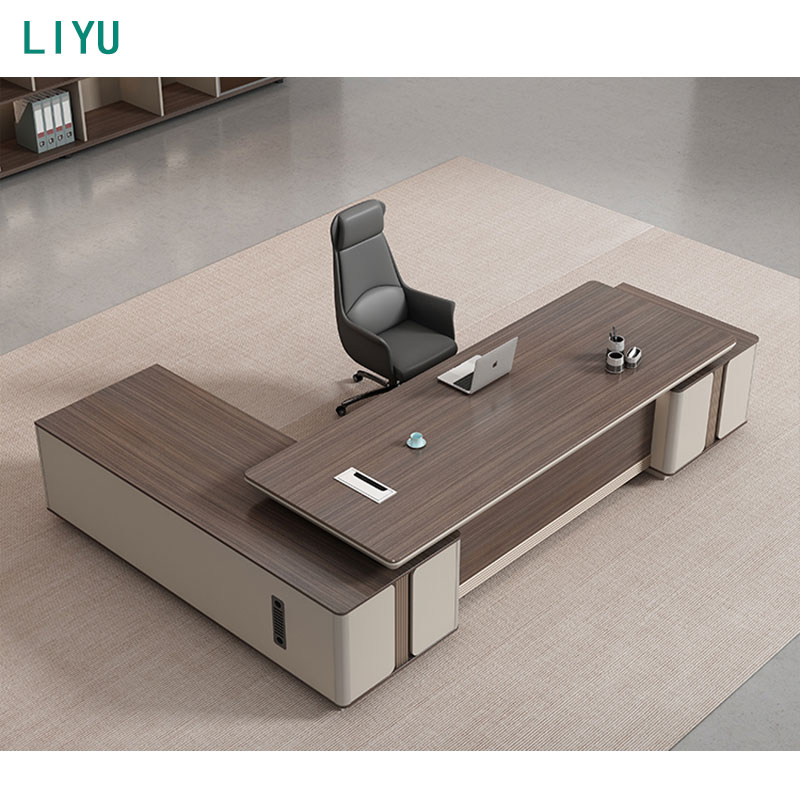
You must map your actual daily tasks first. A standard configuration spans 48 to 66 inches wide. This size works optimally for laptop-centric managers. You need minimal paper storage here. A command configuration exceeds 66 inches wide. We consider this essential for multi-monitor arrays. You might review complex legal documents daily. You might host immediate in-office consultations frequently. These scenarios demand maximum surface area. Small desks crowd your digital tools. Large desks support broad, simultaneous projects.
You cannot simply measure the desk itself. You must measure the negative space around it. We mandate a minimum of 3 to 4 feet of clearance behind the desk. This space allows unimpeded ergonomic chair movement. You avoid striking the back wall. You also require 2 to 3 feet of peripheral walkway space. This ensures safe navigation for guests. It accommodates visitor seating comfortably. Cramped offices reduce professional impact drastically.
Many buyers make critical measurement errors. You should avoid these common mistakes.
Ignoring room door arcs: Ensure the entry door opens fully without striking the desk edge.
Forgetting natural light glare: Positioning screens directly facing unprotected windows causes severe eye strain.
Missing wall power proximity: Placing heavy furniture far from data outlets requires unsightly extension cords.
You must map these elements before finalizing your floor plan.
These models work best for linear workflows. They anchor clean, minimalist modern office furniture layouts beautifully. You often pair them alongside a separate credenza. This keeps the primary surface entirely clear. Rectangular shapes fit easily into standard room dimensions. They offer high versatility.
This shape proves highly efficient for task compartmentalization. It allows a dedicated manager desk to physically separate zones. You create a "heads-down computer zone" on one side. You establish an "interpersonal meeting zone" on the other. This prevents clients from viewing confidential screen data. It optimizes your pivot movements.
U-shapes provide maximum surface area. Multi-project executives love this specific setup. It requires significant square footage. However, it eliminates unnecessary standing. You access files, hardware, or secondary monitors instantly. You remain seated centrally. This surrounds you entirely in productivity tools. We recommend this for heavy administrative workloads.
These merge health-conscious ergonomics alongside leadership scale. Sitting continuously damages your posture over time. You should look for dual-motor lifting systems. They must lift heavy executive gear quietly. Look for noise ratings under 50dB. They must transition swiftly. You maintain momentum throughout the day.
Desk Shape | Best Suited For | Space Requirement | Key Benefit |
|---|---|---|---|
Rectangular | Linear tasks, client meetings | Low to Medium | Clean aesthetic, easy placement |
L-Shaped | Digital & analog task separation | Medium | Creates physical work boundaries |
U-Shaped | Heavy file review, multi-monitors | High | Surrounds user, maximum storage |
Adjustable | Health-conscious executives | Medium | Promotes movement and blood flow |
Solid wood remains the ultimate symbol of leadership. It offers undeniable weight and texture.
Pros: Timeless aesthetic appeal. High perceived value. Develops a natural patina over decades. It communicates longevity.
Risks: Requires strict maintenance routines. You must use coasters always. You need specific wood cleaners. It remains susceptible to humidity changes. It presents a significantly heavier footprint. Moving it requires professional help.
Modern architecture pairs flawlessly here. Glass introduces light into dark rooms.
Pros: Visually lightens a heavy room. Communicates corporate transparency. Pairs excellently alongside contemporary decor.
Risks: Highly prone to fingerprint smudging. Requires daily wipe-downs. It lacks inherent cable-concealment properties. You must buy secondary cable management trays.
Technology has improved engineered materials dramatically. You have excellent alternative options today.
Pros: Laminate offers budget-friendly durability. It resists scratches effectively. Sintered stone acts as a brilliant luxury office table alternative. It resists deep scratching and intense heat beautifully. It mimics natural marble perfectly.
Risks: Entry-level laminates often lack tactile authority. They can feel hollow. You must select thick, commercial-grade options to maintain professional standards.
Visual clutter destroys professional credibility instantly. You cannot have tangled cords cascading down desk legs. You must demand integrated cable management. Highlight the necessity of built-in grommets. Look for concealed keel trays running underneath. Seek out hidden power hubs recessed into the surface. These eliminate visual mess completely. They also protect fragile data cables from accidental kicks. Clean lines require hidden infrastructure.
Protecting confidential physical documents remains a fundamental requirement. HR, finance, and C-suite roles handle sensitive data constantly. You must emphasize secure storage. Look for lockable pedestals. Verify the quality of filing drawers. Flimsy locks break easily. Sturdy, commercial-grade locking mechanisms protect your liability. You keep personnel files safe. You secure financial blueprints effectively. Open shelving looks nice but offers zero security.
A beautiful desk fails if it hurts your body. Note standard seated desk height metrics carefully. The surface should land between 28 and 30 inches from the floor. This fits most adults comfortably. We highly recommend specific edge features. Look for rounded or "waterfall" front edges. Sharp right-angle edges restrict blood flow in your forearms. Rounded edges reduce wrist compression during heavy typing sessions. You sustain longer, pain-free focus periods.
You must align your expectations logically. Different investment levels yield different physical results. We outline the standard market tiers below.
Under $1,000: These are highly functional, self-assembled laminates. They usually carry 1-3 year warranties. We find them best for rapid deployments or temporary setups.
$1,000–$2,000: These represent solid mid-range options. They feature heavy-duty sit-stand mechanics. They utilize nice veneer finishes. You typically receive 5-7 year warranties here.
$2,000+: These are heirloom-quality builds. They feature advanced smart integrations and custom dimensions. They offer massive solid wood tops. Warranties often extend beyond 10 years.
Buying a massive executive desk involves logistical hurdles. You evaluate vendors based heavily on post-purchase support. Check the availability of replacement parts first. Read their return policies closely. Test their responsive customer service beforehand. Professional installation remains critical. Factor in white-glove delivery requirements. Heavy executive furniture presents severe logistical risks. Internal IT or facilities teams struggle during self-assembly. Staircases and narrow hallways cause massive damage. Hire professionals to place the unit safely.
Modern procurement strategies involve deep environmental consciousness. Note the increasing procurement preference for eco-conscious materials. Certified reclaimed wood reduces deforestation impacts. Low-VOC finishes protect indoor air quality. Bamboo offers rapid renewability. Selecting these materials aligns perfectly with company environmental targets. Stakeholders appreciate responsible purchasing. Sustainable furniture boosts your corporate brand reputation simultaneously.
A successful desk purchase requires careful alignment. You must align the physical footprint precisely inside the room constraints. You align the shape directly toward your daily workflow habits. You align the material finish naturally matching your company brand identity. Skipping any step results in buyer remorse.
You should take immediate next steps now. Measure your current office space meticulously. Note door swings and window placements. Audit your actual physical storage needs honestly. Do you need file drawers or just open space? Request physical material swatches from your preferred vendors. Review their specific warranty documentation closely. Create your shortlist based on these concrete facts.
A: Executive models feature significantly larger footprints and premium materials like solid wood or sintered stone. They include integrated privacy panels and heavy-duty storage pedestals. They boast an authoritative design meant for private offices, unlike the modular, standard-issue employee workstations built for open floors.
A: It depends heavily on your workflow. L-shapes are ideal for distinct task separation, separating computer work from client paperwork. U-shapes are built specifically for executives handling high volumes of physical files and multiple screens simultaneously. They surround you completely.
A: Yes, they are highly reliable if sourced from reputable B2B manufacturers. Buyers must check specific weight capacity specs. This is absolutely critical for heavy solid-wood tops. Always verify the motor warranty length before purchasing.
A: You need hard clearance numbers. Leave at least 3 to 4 feet of clearance directly behind the desk for seating mobility. Leave 2 to 3 feet of open space on visitor-facing sides for safe navigation and guest chairs.