
Views: 0 Author: Site Editor Publish Time: 2026-06-18 Origin: Site


Have you ever looked under your office chair and wondered what that metal cylinder is actually for? Most people only notice it when the chair starts sinking, wobbling, or refusing to adjust in height. Although it is hidden under the seat, this cylinder is one of the most important parts of the entire chair.
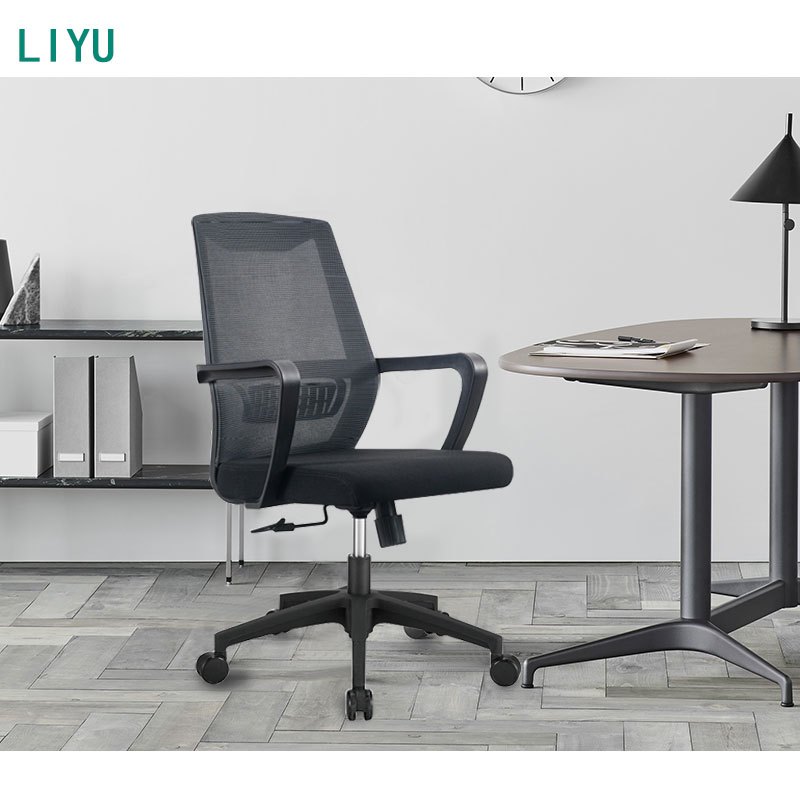
The main question this article answers is simple: what is the cylinder under office chair? In most modern chairs, this part is called a gas lift cylinder, pneumatic cylinder, chair cylinder, or office chair gas lift. It controls seat height, supports body weight, connects the seat to the base, and directly affects comfort, stability, and safety.
In this post, we’ll discuss what the cylinder under an office chair is, how it works, why it matters, what problems it can cause, and when it should be replaced. You will also learn how to choose a better gas lift cylinder and why this hidden component is important when buying from a professional office chair manufacturer.
The cylinder under an office chair is usually a gas lift cylinder. It is the vertical metal component positioned between the seat mechanism and the chair base. When you pull the height adjustment lever, this cylinder allows the seat to move up or down.
Many people describe this part as a hydraulic cylinder because it looks similar to hydraulic components used in machines. However, most standard office chair models do not use a true hydraulic system. They usually use a pneumatic gas lift system, which works with pressurized gas and an internal valve.
In simple terms, if you are asking what is the cylinder under office chair, the answer is: it is the height-adjustment and support component of the chair. Without it, the chair would not be able to move smoothly up and down, and the seat would not be properly connected to the base.
Although the cylinder looks simple from the outside, it plays a major role in the performance of an office chair. A high-quality cylinder helps the seat stay stable at the selected height. A poor-quality or damaged cylinder may cause sinking, shaking, rough adjustment, or safety concerns.
The cylinder under an office chair has several important functions. The first function is height adjustment. It allows users to raise or lower the seat according to desk height, body size, and sitting preference. This is essential for ergonomic comfort.
The second function is weight support. When you sit on an office chair, the cylinder helps carry your weight and hold the seat at the selected height. If the internal seal fails or the gas pressure becomes unstable, the chair may slowly sink.
The third function is structural connection. The cylinder connects the seat mechanism to the five-star base. Because it sits in the center of the chair, it affects balance, movement, and stability.
The fourth function is smooth movement. A well-made gas lift cylinder allows controlled height adjustment instead of sudden dropping or rough movement. This improves the daily sitting experience, especially in offices where chairs are adjusted frequently by different users.
To understand what is the cylinder under office chair, it helps to know how the gas lift works. A typical gas lift cylinder contains pressurized gas, a piston rod, seals, and a release valve. When the height adjustment lever is not activated, the valve stays closed and the cylinder holds the seat in place.
When the user pulls the lever, the chair mechanism presses the valve button at the top of the cylinder. This opens the internal valve and allows controlled movement. If there is little weight on the chair, the seat usually rises. If the user is sitting while activating the lever, the seat lowers.
Once the lever is released, the valve closes again. The cylinder should then hold the office chair at the new height. This is why a properly working chair can stay at a comfortable position without dropping.
If the internal seal or valve fails, the cylinder may no longer hold pressure. In that case, the chair may sink even after the user adjusts it. This is one of the most common signs of gas lift failure.
Although the cylinder may look like one simple metal tube, it includes several important parts. Each part affects the performance and durability of the office chair.
Part | Function | Why It Matters |
Outer cylinder | Provides visible outer support | Affects strength and stability |
Inner piston rod | Moves up and down inside the cylinder | Controls height movement |
Gas chamber | Contains pressurized gas | Supports lifting performance |
Release valve | Opens when the lever is activated | Controls up-and-down movement |
Seals | Keep pressure inside the cylinder | Prevent sinking and pressure loss |
Seat mechanism connection | Connects cylinder to seat plate | Affects adjustment function |
Base connection | Connects cylinder to chair base | Affects balance and safety |
For an office chair manufacturer, these hidden parts are very important. Even if the seat cushion, backrest, and fabric look attractive, poor cylinder quality can reduce the chair’s overall value and service life.
Many users search for what is the cylinder under office chair because they are unsure what to call it. The most accurate common term is gas lift cylinder. It can also be called a pneumatic cylinder, chair cylinder, or office chair gas lift.
Term | Meaning | Common in Office Chairs? |
Gas lift cylinder | Uses pressurized gas for height adjustment | Yes, very common |
Pneumatic cylinder | Works through compressed gas or air pressure | Yes |
Hydraulic cylinder | Uses liquid pressure | Not common in standard office chairs |
Chair cylinder | General user-friendly term | Yes |
Office chair gas lift | Common product and replacement part term | Yes |
For daily users, these names may refer to the same visible part under the seat. For technical accuracy, most modern office chair models use a pneumatic gas lift rather than a true hydraulic cylinder.
Not all gas lift cylinders are the same. Different office chair models may use different cylinders depending on seat height, chair design, weight capacity, and usage environment.
A standard gas lift cylinder is commonly used in task chairs, mesh chairs, and regular office seating. It is suitable for daily office work and normal height adjustment needs.
A heavy-duty gas lift cylinder is designed for higher weight capacity. It is often used in executive chairs, big and tall chairs, gaming chairs, and commercial seating. This type is usually selected when the office chair needs stronger support and better durability.
A short gas lift cylinder is used when the chair needs a lower sitting height. It may be suitable for compact desks, lower workstations, or special seating designs.
A tall gas lift cylinder is used for drafting chairs, counter-height chairs, and workspaces that require a higher seating position.
Some gas lift cylinders are also described by class, such as Class 3 or Class 4. In many markets, higher-class gas lifts are often associated with stronger support, better pressure retention, and longer service life. For B2B buyers, the gas lift class can be an important factor when comparing office chair quality.
The cylinder under an office chair is hidden, but it strongly affects user experience. A poor-quality cylinder can create problems even if the chair looks modern and stylish. A high-quality cylinder helps the chair stay stable, adjust smoothly, and last longer.
For users, cylinder quality affects comfort and safety. A chair that suddenly drops or slowly sinks can interrupt work and make sitting uncomfortable. If the chair cannot stay at the correct height, the user may sit in a poor posture for long periods.
For businesses, cylinder quality affects after-sales costs. If many chairs start sinking after a short time, customers may complain, request replacements, or lose trust in the supplier. For distributors and project buyers, this can damage brand reputation.
For a professional office chair manufacturer, gas lift selection is part of quality control. The manufacturer should consider load capacity, pressure stability, repeated lifting performance, base compatibility, mechanism compatibility, and final chair inspection.
The most common cylinder problem is a sinking chair. If the office chair slowly drops after you sit down, the gas lift cylinder may have internal seal failure. Once the cylinder can no longer hold pressure, the seat cannot remain at the selected height.
Another common problem is that the chair cannot move up or down. This may be caused by a stuck valve, damaged height adjustment lever, blocked mechanism, or failed cylinder. Sometimes the gas lift is not the only problem; the lever under the seat may not be pressing the valve correctly.
A third issue is wobbling around the cylinder. If the cylinder does not fit tightly into the base or seat mechanism, the chair may feel unstable. A damaged base can also create wobbling even if the cylinder itself is still functional.
Noise is another possible issue. If an office chair makes clicking, squeaking, or grinding sounds when adjusting height, the cause may be friction, loose connection, poor assembly, or worn parts.
The cylinder can also become stuck in the base over time. Most chair cylinders use tapered pressure-fit connections. After long-term use, these connections can become tight and difficult to remove.
If you are researching what is the cylinder under office chair because your chair is not working properly, check for several signs.
Your cylinder may be bad if the office chair slowly sinks after you sit down. It may also be damaged if the seat drops suddenly, cannot stay at any height, or feels rough when adjusting.
If the cylinder looks oily, rusty, bent, or loose, it should be inspected carefully. Oil marks or visible damage may indicate internal or external wear.
Another sign is unstable movement. If the seat shakes from the center or the base connection feels loose, the cylinder or base may not be fitting correctly. In this case, simply tightening screws may not solve the problem.
If a new chair develops cylinder problems quickly, the cause may be poor component quality, incorrect assembly, or mismatch between the gas lift and chair structure. This is especially important for bulk buyers and distributors.
Yes, many office chair cylinders are replaceable. In fact, replacing the gas lift cylinder is often the most practical repair when the chair keeps sinking but the rest of the chair is still in good condition.
Before buying a replacement, check compatibility. You need to consider cylinder diameter, height range, load capacity, seat mechanism fit, and base fit. Not every gas lift cylinder is suitable for every chair.
A replacement cylinder should not be selected only by price. A cheap cylinder may solve the problem temporarily but fail again sooner. For a chair used every day, a stronger and better-tested gas lift is usually the better choice.
For commercial offices, schools, hotels, and large projects, replacement decisions should also consider labor cost and long-term maintenance. If many chairs have the same problem, it may be better to review the original office chair supplier.
Replacing the cylinder under an office chair usually follows a basic process. First, turn the chair upside down on a stable surface. Use a blanket or cardboard to protect the seat and floor.
Next, remove the base from the cylinder. A rubber mallet may help loosen the connection. Avoid hitting plastic parts too hard. If the cylinder is stuck, apply a small amount of lubricant and wait before trying again.
Then remove the old cylinder from the seat mechanism. A pipe wrench can help grip the metal cylinder. Twist and pull carefully until it separates from the seat plate.
After that, install the new gas lift cylinder. Insert it into the base and connect it to the seat mechanism. Sit on the chair carefully to secure the tapered connections. Finally, test the height adjustment, stability, and smoothness before regular use.
If you are not comfortable using tools, ask a technician or furniture service provider for help. Safety is important, especially for commercial office chair models used every day.
Replacing the cylinder is a good choice if the chair frame, seat cushion, backrest, base, casters, and mechanism are still in good condition. If only the gas lift has failed, a replacement cylinder can extend the life of the office chair.
However, buying a new chair may be better if several parts are already damaged. If the base is cracked, the backrest is loose, the seat foam has collapsed, the armrests are broken, or the mechanism is worn out, replacing only the cylinder may not be worth it.
Situation | Better Choice |
Only the gas lift cylinder is damaged | Replace the cylinder |
Chair is old and uncomfortable | Buy a new office chair |
Base is cracked or unstable | Replace the chair or base |
Mechanism is badly worn | Replace mechanism or chair |
Multiple chairs fail in the same way | Review supplier quality |
Commercial seating requires long-term use | Choose higher-quality office chair models |
For companies, schools, hotels, and large offices, repeated cylinder problems may suggest a sourcing issue. Choosing a more reliable office chair manufacturer can reduce maintenance costs and improve user satisfaction.
A good cylinder should provide stable height adjustment, strong load-bearing performance, smooth movement, and reliable pressure retention. When evaluating an office chair, buyers should ask about gas lift type, class, load capacity, testing standards, and supplier quality.
Material strength is important. Thicker steel walls and better surface treatment can improve durability. The piston rod should move smoothly without roughness. The seals should hold pressure consistently under normal use.
For B2B buyers, consistency is just as important as sample quality. One good sample does not guarantee stable mass production. A professional office chair supplier should have quality inspection procedures for incoming gas lifts, assembly fit, load testing, and finished chair checks.
For end users, the simplest approach is to buy from a trustworthy brand or manufacturer that clearly states product specifications and provides after-sales support.
Modern workplace trends have made the cylinder under an office chair more important than ever. Hybrid work, home offices, shared workspaces, and long sitting hours have increased demand for chairs that are adjustable, ergonomic, and durable.
Users now care more about sitting posture and comfort. They want chairs that support correct desk height, stable movement, and long working hours. Because seat height is one of the most important ergonomic adjustments, the gas lift cylinder directly affects the user experience.
Online furniture shopping has also changed expectations. Many users assemble chairs themselves and search online when something goes wrong. A topic like what is the cylinder under office chair matches real search behavior because users want to identify the part, understand the problem, and decide whether to repair or replace it.
For manufacturers, this creates a content opportunity. By explaining hidden components such as gas lift cylinders, mechanisms, bases, and casters, an office chair brand can build trust and show technical expertise.
Good maintenance can help extend the life of an office chair cylinder. First, avoid exceeding the recommended weight capacity. Long-term overload can shorten the life of the gas lift, base, and mechanism.
Second, avoid dropping heavily into the chair. Sudden impact can stress the gas lift and connection points. Sit down normally and adjust the height smoothly.
Third, keep the chair on a flat surface. Uneven flooring can increase side pressure on the cylinder and base connection. If the chair wobbles, check the casters, base, and cylinder fit.
Fourth, check screws and connections regularly. Loose mechanisms can affect how the height adjustment lever interacts with the cylinder valve. Early inspection can prevent small issues from becoming serious problems.
Finally, replace damaged parts early. If the cylinder sinks, the base cracks, or the mechanism becomes unstable, continued use may create safety risks.
For buyers, the answer to what is the cylinder under office chair is not only technical. It is also related to supplier selection. A reliable office chair manufacturer understands that gas lift quality affects comfort, safety, and customer satisfaction.
A professional manufacturer will pay attention to gas lift sourcing, load capacity, mechanism compatibility, base strength, assembly accuracy, and final inspection. These details reduce the risk of sinking chairs, unstable movement, and after-sales problems.
For distributors and wholesalers, this means fewer complaints and stronger customer trust. For project buyers, it means better long-term value. For end users, it means a chair that adjusts smoothly, supports the body properly, and lasts longer.
A good office chair is not just about modern design. It is about the complete structure under the seat. The gas lift cylinder may be hidden, but it is one of the parts users depend on every day.
So, what is the cylinder under office chair? It is usually a gas lift cylinder, also called a pneumatic cylinder, chair cylinder, or office chair gas lift. This part controls seat height, supports body weight, connects the seat to the base, and plays a key role in comfort, stability, and safety.
When the cylinder works properly, the office chair adjusts smoothly and stays at the selected height. When it fails, the chair may sink, wobble, make noise, or stop adjusting. In many cases, the cylinder can be replaced, but if the chair has multiple damaged parts, buying a new chair may be the better choice.
For users, understanding the cylinder helps with repair and maintenance. For buyers, it helps with product comparison. For manufacturers, it highlights the importance of hidden component quality. A durable gas lift cylinder is one of the foundations of a reliable office chair.
The cylinder under an office chair is usually called a gas lift cylinder, pneumatic cylinder, chair cylinder, or office chair gas lift. It controls seat height and connects the seat to the chair base.
Most standard office chair models do not use a true hydraulic cylinder. They usually use a pneumatic gas lift cylinder that works with pressurized gas and an internal valve system.
The most common reason is internal seal failure. When the gas lift cylinder can no longer hold pressure, the office chair slowly sinks after you sit down.
Yes. Many office chair cylinders are replaceable. Before replacing one, check the cylinder size, height range, load capacity, and compatibility with your chair base and seat mechanism.
Choose a gas lift cylinder with strong load capacity, smooth adjustment, stable pressure retention, durable material, and reliable testing. For long-term use, buying from a professional office chair manufacturer is usually safer and more reliable.


