
Views: 0 Author: Site Editor Publish Time: 2026-07-07 Origin: Site


Private office design often forces a difficult choice between premium aesthetics and strict ergonomic performance. Specifying a wood office chair introduces distinct trade-offs that require careful navigation. Prioritizing form over function leads to executive discomfort, decreased productivity, and premature replacement when the chair fails to meet daily usage demands. You need a technical evaluation framework for selecting seating that satisfies architectural design intent while maintaining commercial-grade ergonomic standards. We see many projects fail because the specified seating looks great in renderings but causes severe back pain after a two-hour meeting. A successful specification requires balancing the visual weight of natural materials with the mechanical requirements of modern task seating. You must evaluate the frame construction, the durability of the topcoat, and the integration of the tilt mechanism. This guide provides the exact criteria needed to specify wood-accented seating that performs flawlessly in high-demand executive environments.
Achieving a cohesive look in a modern private office should never violate corporate ergonomic standards. You must establish baseline performance requirements for commercial office seating before looking at finish options. Selecting seating based solely on architectural renderings invites failure. Physical user testing and rigorous performance certification remain essential for long-term success.
We evaluate seating based on strict mechanical criteria. A chair must support the user through various postures during a long workday. When you introduce rigid materials into the frame, the mechanical components must work harder to provide flexibility. You cannot rely on the flex of a plastic shell. The mechanism itself must absorb the movement.
Many designers fall into the trap of matching the chair exactly to the desk without considering how the user actually works. A rigid wooden backrest without a proper synchro-tilt mechanism will force the user into a static posture. This leads to fatigue and complaints within the first week of occupancy. You must prioritize the mechanical foundation first.
Specifying FSC-certified wood meets strict corporate ESG mandates. You must verify sustainably sourced hardwoods for all executive furniture. Indoor air quality demands low-VOC finishes and adhesives. Look for GREENGUARD Gold or SCS Indoor Advantage certifications to ensure health standards in enclosed private offices. Selecting sustainably manufactured wood office furniture directly contributes to LEED v4 Materials and Resources and Indoor Environmental Quality credits.
We always check the documentation for the adhesives used in plywood shells. Urea-formaldehyde resins off-gas heavily in enclosed spaces. You need to specify products that use soy-based or low-emitting glues. This protects the occupant and ensures compliance with building standards. The finish itself must also meet these low-emission criteria.
Sourcing local hardwoods can also reduce the carbon footprint of the project. When you specify regional materials, you cut down on freight emissions. This adds another layer of sustainability to the specification. Always request the chain of custody documentation from the manufacturer to verify the origin of the timber.
Wood introduces warmth, authority, and biophilic design elements into executive spaces. It carries a significant psychological and aesthetic impact. You must differentiate between fully wood-framed chairs and those utilizing strategic wood accents. Wood backs, bases, or armcaps effectively balance high-end design with necessary functionality.
A fully wooden frame often feels too traditional or heavy for a modern glass-walled office. Strategic accents provide the necessary visual warmth without overwhelming the space. An exposed walnut back shell paired with polished aluminum creates a sharp, contemporary look. This approach also reduces the overall weight of the chair.
We use wood to tie the seating into the architectural millwork. If the office features white oak wall paneling, a chair with matching white oak arm caps creates a deliberate, cohesive environment. It shows attention to detail. However, you must ensure the grain patterns and stain colors align perfectly with the surrounding elements.
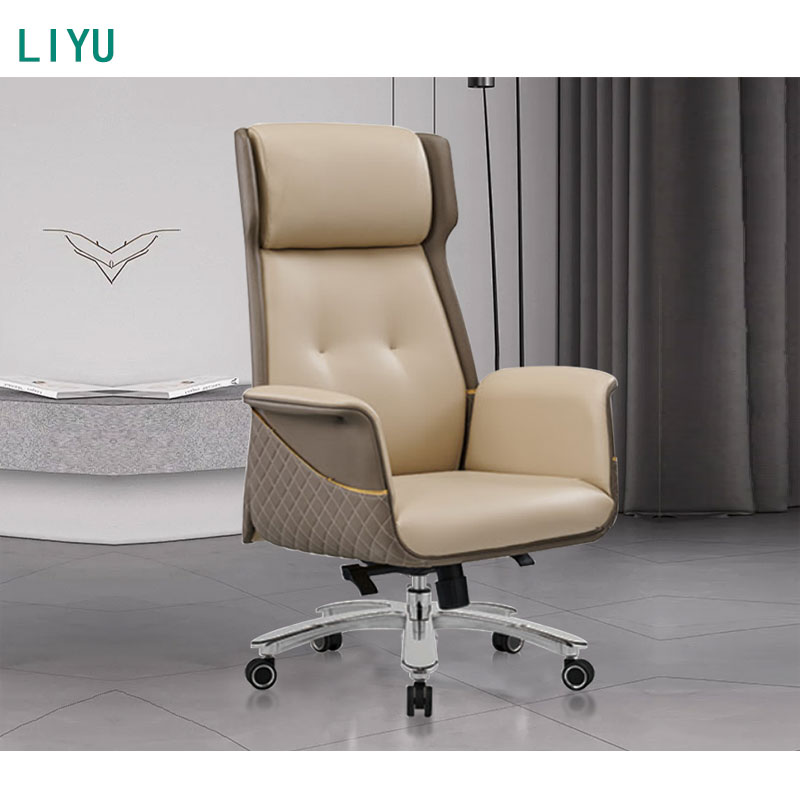
Solid wood offers substantial weight and structural rigidity. Structural joinery methods like mortise-and-tenon or dowel joints provide lasting strength. However, solid wood remains susceptible to humidity and temperature changes in HVAC-controlled zones. Molded plywood excels in creating ergonomic curves. It provides lightweight strength and structural flexibility common in contemporary designs. High-grade veneers over metal or composite cores offer premium aesthetics with superior structural stability and warp resistance.
We rarely specify solid wood for the primary structural shell of a task chair. It simply does not flex enough for ergonomic comfort. Molded plywood allows manufacturers to press the material into compound curves that follow the human spine. This provides a much better baseline for comfort before foam and upholstery are even applied.
Veneers allow you to achieve the look of exotic or highly figured woods without the structural instability. A 3D veneer can wrap around tight radiuses without cracking. This technology has revolutionized how we incorporate natural grain patterns into complex ergonomic shapes. You get the visual impact of a solid burl without the risk of it splitting down the middle.
| Material Type | Structural Strength | Ergonomic Flexibility | Warp Resistance | Best Application |
|---|---|---|---|---|
| Solid Hardwood | High | Low | Moderate | Arm caps, base caps, straight frames |
| Molded Plywood | Moderate | High | High | Curved backrests, seat pans |
| Premium Veneer | High (Core Dependent) | Moderate | Very High | Large surface areas, exotic grain matching |
Standard nitrocellulose lacquers fail quickly in commercial environments. You must evaluate an office chair wood finish for resistance to hand oils, sanitizing chemicals, and physical impact. Catalyzed conversion varnishes, polyurethane finishes, and UV-cured urethanes provide necessary commercial durability. These topcoats cross-link chemically to form a hard, protective barrier that withstands daily abuse.
Specifying a custom chair finish requires matching existing private office desking or architectural millwork. You need physical strike-offs to match sheen levels under correct color temperature lighting. Plan for extended lead times of 8 to 12 weeks. Do not approve a finish based on a digital photograph. The undertones will always look different in person.
We test finishes by exposing them to common office hazards. Coffee spills, alcohol-based hand sanitizers, and friction from denim should not degrade the topcoat. If the finish turns cloudy or soft after exposure to a standard cleaning agent, it is not suitable for a commercial environment. Always request the chemical resistance testing data from the manufacturer.
Basic tilt-lock mechanisms fall short for executive use. Advanced synchro-tilt and knee-tilt mechanisms remain mandatory. Wood-backed chairs require sophisticated tilt mechanisms to prevent the rigid backrest from causing user fatigue. Proper movement prevents restricted pelvic rotation and poor circulation during long meetings.
A synchro-tilt mechanism opens the angle between the torso and thighs as the user reclines. This keeps the feet flat on the floor and reduces pressure on the lower back. When dealing with a rigid wooden shell, this mechanical movement is the only way to provide dynamic support. The chair must move with the user, not fight against them.
We also look for adjustable tension controls. A 110-pound user and a 250-pound user need vastly different resistance levels when reclining. A side-mounted tension crank allows the executive to dial in the exact support needed without wrestling with a knob under the seat pan. This small detail significantly improves the daily user experience.
Upholstery must interface flawlessly with the wood frame. Inset cushions and wrap-around upholstery offer different functional benefits. High-density, commercial-grade molded foam prevents bottoming out against a rigid wood shell. Address the thermal properties of wood and leather combinations during prolonged sitting. Breathable natural textile blends or top-grain leathers with integrated ventilation channels improve thermal comfort.
When foam is applied directly to a wooden substrate, it must be thicker and denser than foam applied to a flexible plastic mesh. The wood provides zero give. If the foam degrades, the user will feel the hard surface immediately. We specify injection-molded polyurethane foam because it retains its shape and resilience far longer than cut slab foam.
The detailing where the fabric meets the wood defines the quality of the chair. Look for clean, tight welting or precise French seams. Gaps or puckering indicate poor manufacturing tolerances. The upholstery should look tailored and intentional, complementing the rigid lines of the wooden frame rather than looking like an afterthought.
An executive chair with wood accents presents inherent adjustability trade-offs. Highly adjustable features like 4D armrests prove mechanically difficult to integrate seamlessly. Determine which ergonomic adjustments are strictly necessary for the specific user. Pneumatic cylinder height range and seat depth adjustment remain critical, while armrest width might be compromised for design.
You cannot easily hide the tracks and levers required for independent back height adjustment on an exposed wooden shell. Therefore, the initial contour of the backrest must fit the user perfectly. We recommend specifying chairs with integrated, height-adjustable lumbar supports hidden within the upholstered front pad. This provides the necessary support without ruining the clean wooden aesthetic on the back.
Seat depth adjustment is non-negotiable. A seat pan that is too long will cut off circulation behind the knees. A seat pan that is too short will not support the thighs adequately. Look for models where the entire seat cushion slides forward independently of the wooden back shell. This ensures proper fit for users of varying heights.
Wood-framed chairs must physically clear sit-to-stand executive desks. Armrests colliding with the underside of a descending desk risk severe finish damage. Scuffing and chipping occur frequently without proper planning. Specify low-profile arms, recessed wood components, or digital desk height limits to mitigate collision risks.
We see countless wooden arm caps destroyed because the user lowered their desk while the chair was tucked underneath. The lifting columns of a modern desk generate enough force to snap a wooden armrest clean off. You must measure the maximum height of the chair arms and ensure they sit below the lowest setting of the desk.
If the chair has fixed wooden arms, we program a hard stop into the desk's control box. This prevents the desk from descending past a safe clearance height. Alternatively, specify a chair with polished aluminum arms and inset wooden pads. The metal takes the impact, protecting the more fragile natural material from direct strikes.
The interaction between a heavy wood chair base and premium office flooring is a frequently overlooked failure point. Specify soft polyurethane casters for premium hardwood, stone, or polished concrete. Use hard nylon casters for high-pile carpets. Wood-capped metal bases combine aesthetic appeal with the structural integrity of a heavy-duty steel core.
A solid wood base can crack under heavy dynamic loads. We prefer cast aluminum bases with wooden caps or inserts. This gives you the visual warmth of wood with the unbreakable strength of metal. The casters must also match the flooring perfectly. Hard plastic casters will destroy a high-end hardwood floor within weeks.
Always check the caster stems. They should fit snugly into the base without wobbling. A loose caster will eventually ream out the socket, causing the chair to tilt unevenly. We specify oversized, 65mm casters for executive chairs. They roll smoother over thresholds and distribute the weight over a larger surface area, protecting the floor finish.
Identify high-wear zones on wood chairs immediately. Armrest edges, base scuffs from footwear, and backrest edges hitting walls take the most damage. Specify protective edge banding, urethane arm caps, or metal base scuff plates. Clean the wood finish properly to prevent clouding or degradation from harsh chemical usage.
Provide the facilities team with exact cleaning protocols. Ammonia-based glass cleaners will strip the lacquer off a wooden chair. You must use pH-neutral wood cleaners applied with a microfiber cloth. Never spray the cleaner directly onto the chair; spray it onto the cloth first to prevent overspray from soaking into the upholstery seams.
We recommend applying a clear, matte protective film to the outer edges of wooden armrests if the chair will be used in a highly active environment. This invisible layer absorbs the micro-scratches from rings, watches, and desk edges. It can be replaced easily, preserving the factory finish underneath for years.
Premium wood furniture faces unique transit risks. Cracking, joint separation, and finish scratching happen during standard shipping. Specify protective crating rather than standard cardboard boxing for custom seating. Enforce climatized transport and receiving-dock inspection protocols to identify moisture damage before final installation.
Wood expands and contracts with temperature and humidity changes. If a chair sits in a freezing trailer for three days and is then moved into a heated office, the finish can check or crack. We require climate-controlled freight for all high-end wooden seating. The furniture must acclimate to the building's environment before it is unboxed.
Inspect every joint upon delivery. Look for hairline fractures in the finish where the arms meet the backrest. This indicates stress during transit. If you spot any damage, document it immediately before the chair leaves the loading dock. Once it moves onto the floor, proving freight damage becomes nearly impossible.
Read warranty documentation specifically regarding wood components. Manufacturers often exclude natural material variations or offer shorter terms than metal parts. Source from commercial manufacturers with established contract-grade supply chains. This ensures reliable access to replacement cylinders, casters, and matching veneers.
A standard commercial chair might have a 12-year warranty, but the wooden components are often limited to 3 or 5 years. You need to understand these limitations upfront. Natural color changes due to UV exposure are never covered. You must educate the client that wood is a living material that will patina over time.
We only work with vendors who can provide replacement parts quickly. If a pneumatic cylinder fails, the chair is useless. The manufacturer must stock standard mechanical parts domestically. Waiting twelve weeks for a replacement mechanism from overseas is unacceptable in a fast-paced corporate environment.
A: Catalyzed conversion varnishes and UV-cured urethanes offer the highest durability. They resist hand oils, cleaning solvents, and physical impacts far better than standard residential lacquers. These finishes cross-link chemically to create a hard, protective barrier suitable for high-traffic environments.
A: Yes. Many commercial manufacturers engineer wood-accented chairs to meet or exceed ANSI/BIFMA X5.1 standards. They achieve this by integrating heavy-duty synchro-tilt mechanisms and commercial-grade injection-molded foam beneath the rigid wood shell to ensure dynamic support.
A: Request physical strike-offs from the manufacturer. Evaluate these samples against your existing millwork under the actual lighting conditions of the private office. Digital photos are unreliable; you must verify the undertones and sheen levels in person to ensure an exact match.
A: Specify soft polyurethane or rubber casters for hard surfaces like wood, tile, or polished concrete. Use hard nylon casters exclusively for carpeted floors. Using the wrong caster will quickly destroy premium flooring and void warranties.
A: Specify low-profile armrests that clear the desk understructure completely. Alternatively, program digital lower limits on the height-adjustable desk's control box to prevent it from descending far enough to crush the chair arms.
A: Wood is a natural material susceptible to environmental changes like humidity and UV exposure. Manufacturers often limit warranties on wood components to 3-5 years because they cannot control the climate conditions or natural aging process in the end-user's space.
A: Use only pH-neutral wood cleaners applied with a soft microfiber cloth. Never use ammonia-based glass cleaners or harsh sanitizers, as they will strip the protective lacquer. Spray the cleaner onto the cloth, not directly onto the chair, to protect the upholstery.


