
Views: 0 Author: Site Editor Publish Time: 2026-07-04 Origin: Site


Executive office design often forces a difficult choice between sophisticated aesthetics and biological necessity. You want seating that commands respect and aligns with a premium brand image. You also need physical support to sustain focus through long hours. Many design-forward chairs lack basic structural integrity. Conversely, highly adjustable ergonomic models often look too clinical or industrial for a curated executive suite. Choosing a velvet office chair requires a strategic approach to bridge this gap. You must evaluate the underlying mechanics and fabric durability to ensure you do not sacrifice long-term health for visual appeal. The right selection integrates seamlessly into your workspace while providing the orthopedic support required for extended desk work.
A successful executive chair must fulfill three primary roles. First, it signals status and establishes authority within the workspace. Second, it influences client perception by reflecting attention to detail and quality. Third, it provides the physical foundation for sustained user focus. You cannot achieve peak productivity if your seating causes discomfort or distraction. The right chair integrates seamlessly into the broader commercial seating design strategy, balancing visual weight with functional performance. When outfitting a private office, the chair acts as the anchor point for the entire room's aesthetic.
Velvet offers unique aesthetic advantages in private offices and boardrooms. The fabric absorbs light rather than reflecting it, creating a deep, rich visual texture. It also absorbs sound. This acoustic dampening property reduces echo in minimalist spaces dominated by glass and hard flooring. However, these visual and acoustic benefits must not overshadow the need for a robust mechanical base. A beautiful chair fails its primary purpose if it cannot support the human spine. You must look for models that hide their mechanical complexity beneath tailored upholstery.
Evaluating office chair material options requires understanding the specific trade-offs of each fabric type. You need to match the material to the daily demands of the user and the environmental conditions of the office.
| Material | Durability | Breathability | Maintenance | Aesthetic Appeal |
|---|---|---|---|---|
| Performance Velvet | High (50,000+ rubs) | Moderate | Requires vacuuming/brushing | Luxurious, warm, acoustic dampening |
| Top-Grain Leather | Very High | Low to Moderate | Easy wipe-clean, needs conditioning | Traditional, authoritative |
| Mesh | High | Excellent | Vacuuming, difficult to deep clean | Modern, technical, industrial |
| PU/Pleather | Low (Prone to peeling) | Poor | Wipe-clean | Imitation premium |
You must look past the plush upholstery and examine the chassis. A true ergonomic executive chair requires comprehensive adjustability. Mandatory features include pneumatic seat height, tilt tension control, and a multi-position tilt lock. These mechanisms allow you to customize the chair to your specific body mechanics. A static frame forces your body to adapt to the chair, inevitably leading to musculoskeletal strain. The mechanical base should feature a synchronized tilt mechanism, allowing the backrest to recline at a faster rate than the seat pan to keep your feet flat on the floor.
Proper seat height aligns your knees with your hips. This alignment promotes optimal circulation and relieves pressure on the lower back. Look for a seat height adjustment range of at least 16 to 21 inches from the floor. This range accommodates the majority of adult users, ensuring your feet rest flat on the ground while your thighs remain parallel to the floor. If the cylinder does not drop low enough, shorter users will experience restricted blood flow behind the knees.
Active typing and desk work require dynamic support. A seat pan with an adjustable angle, specifically a forward tilt mechanism, reduces pressure on the undersides of the thighs. When you lean forward to engage with your computer, the chair should move with you. This prevents the front edge of the seat from cutting off blood flow to your lower legs. Forward tilt is especially important for users who spend hours drafting or reviewing documents on a flat desk surface.
Integrating adjustable lumbar support within a fully upholstered backrest presents a manufacturing challenge. Many velvet chairs rely on passive lumbar support, using a fixed foam contour. Active lumbar support allows you to adjust the height and depth of the tensioner hidden beneath the fabric. Always verify if the lumbar mechanism moves to target the natural curve of your specific spine. A fixed lump of foam will only fit a small percentage of users correctly.
A sliding seat pan lets you adjust the depth of the chair. You need roughly two inches of clearance between the back of your knees and the seat edge. A waterfall seat edge curves downward, further preventing circulation restriction. Heavily cushioned velvet chairs often fail here if the foam is too bulky or the edge is squared off. Test the seat slider to ensure it locks securely in multiple positions without wobbling.
Prolonged keyboard use demands proper arm support to prevent shoulder and neck strain. Look for 3D or 4D armrests. These adjust in height, width, depth, and pivot angle. Fixed armrests frequently block you from sitting close enough to your desk, forcing you to hunch forward and compromise your posture. The armrest pads should feature a slight contour and enough give to prevent nerve compression in the forearms.
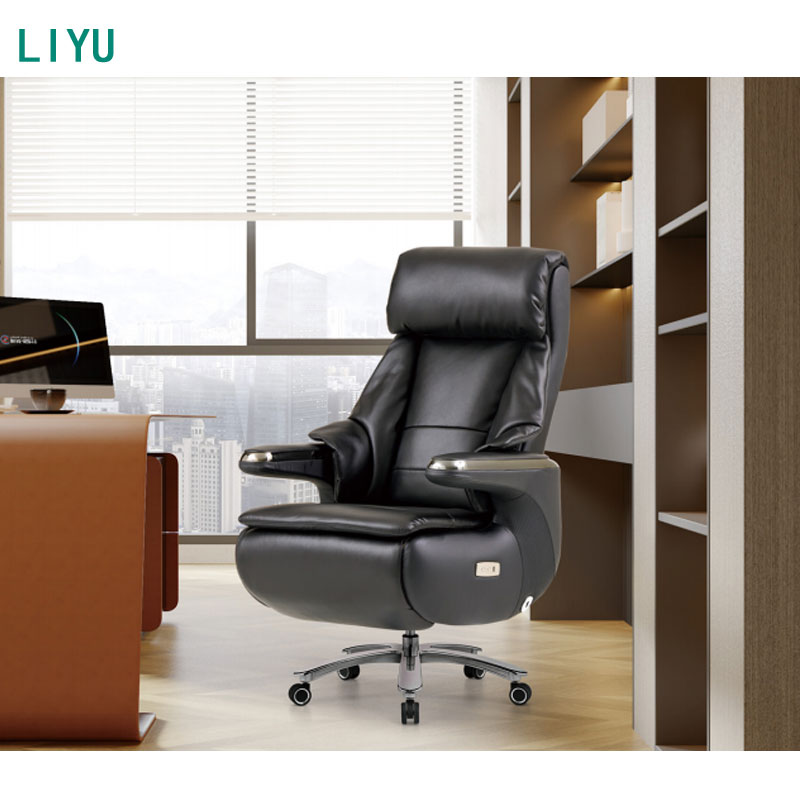
Not all velvet belongs in an office. Traditional cotton velvet crushes easily and absorbs spills instantly. Performance velvet utilizes 100% polyester or synthetic blends. These engineered fibers resist crushing, repel moisture, and withstand high-friction environments. You must specify performance blends to ensure the chair maintains its appearance after months of daily use. Natural fibers will show wear patterns and bald spots much faster than synthetic alternatives.
Industry professionals measure fabric durability using the Wyzenbeek or Martindale abrasion tests. These tests simulate the friction of a user sitting down and standing up. Light office use requires fabrics rated between 15,000 and 30,000 double rubs. Heavy commercial use demands a rating of 50,000 double rubs or higher. Always request the abrasion test specifications before purchasing. Do not accept vague terms like "heavy duty" without the accompanying numerical data.
The velvet is only as durable as the foam beneath it. Low-quality foam flattens out over time, a process known as "bottoming out." You need high-density molded polyurethane foam. Look for a minimum density of 2.5 to 3.0 pounds per cubic foot. This density supports correct pelvic posture and ensures the seat retains its shape and support for years. Cut foam degrades much faster than molded foam, leading to a sagging seat pan.
Maintaining velvet requires consistent effort. Many performance velvets feature factory-applied Durable Water Repellent (DWR) coatings. This coating causes liquids to bead up on the surface, allowing you to wipe them away before they soak in. Regular maintenance involves weekly vacuuming with an upholstery attachment to remove dust. You should also use a soft bristle brush to restore the pile and prevent permanent crushing in high-wear areas.
Velvet paired with high-density polyurethane foam traps body heat. This is a physical reality of the materials. Unlike mesh, which allows air to circulate freely around your body, an upholstered chair acts as an insulator. You must evaluate your office climate control systems before committing to a fully upholstered design. If your office runs warm, a velvet chair will amplify that discomfort.
In unconditioned spaces or regions experiencing extreme heat (temperatures reaching up to 45°C/113°F), material choice becomes critical. While velvet retains more heat than mesh, it outperforms cheap synthetic leathers. Pleather becomes sticky, non-porous, and degrades rapidly under high heat and humidity. Performance velvet remains breathable enough to avoid the worst of this "sweat factor," making it a resilient choice if mesh is aesthetically unacceptable.
You can offset heat retention through several practical strategies. Maintain a consistent ambient office temperature. Implement a sit-stand desk to encourage frequent standing breaks, allowing the chair and your body to cool. Alternatively, select a hybrid chair design. A velvet seat paired with a breathable mesh or elastomer backrest provides a compromise between executive styling and thermal comfort.
Real-world user experiences often highlight the discomfort of non-breathable chairs during summer months. If your workspace lacks robust air conditioning, sitting in a dense foam chair for eight hours will cause perspiration. Acknowledge this risk early in the selection process. Test the fabric in your actual environment if possible, or rely on performance blends specifically engineered for moisture wicking.
Specifying a custom upholstery chair allows you to align the seating perfectly with your brand identity. Commercial furniture dealers offer extensive programs where you can select exact fabric grades, custom colors, and specific foam densities. This route ensures the final product meets both your aesthetic vision and your rigorous durability requirements. You can match the chair to existing architectural finishes or corporate color palettes.
Customization introduces significant trade-offs. Direct-to-consumer stock models ship immediately and offer instant gratification. Custom builds typically require lead times ranging from 6 to 12 weeks. You must plan your office outfitting schedule accordingly. Do not let a tight deadline force you into purchasing an inferior stock chair when a custom build would serve you better long-term.
Always read the warranty fine print. Manufacturers frequently split their coverage. You might receive a 12-year warranty on the pneumatic cylinder, structural frame, and mechanical components. However, the velvet upholstery and foam cushions may only carry a 3-to-5-year warranty. Understand these bifurcated structures to accurately project the lifespan of your investment. A strong frame warranty means little if the fabric tears after two years.
Never purchase a high-end chair based solely on photographs. Establish a strict testing protocol. Visit a showroom or utilize a trial period to evaluate the chair in person.
A: Yes, provided they feature a highly adjustable ergonomic chassis and high-density molded foam. The fabric itself does not dictate comfort; the underlying mechanical support, including seat depth and active lumbar tension, determines if the chair can support you for eight hours.
A: Velvet and dense foam retain more body heat than mesh. While performance velvet breathes better than cheap pleather, it can cause sweating in hot, unconditioned environments. Maintaining a cool ambient room temperature is necessary for all-day comfort.
A: Vacuum the chair weekly using an upholstery attachment to remove dust. Use a soft bristle brush to lift the pile and prevent crushing. For spills, blot immediately with a dry cloth; avoid soaking the fabric or using harsh water-based solvents unless specified by the manufacturer.
A: Regular cotton velvet crushes easily and absorbs liquids. Performance velvet is engineered from synthetic blends like polyester. It features significantly higher abrasion resistance (often exceeding 50,000 double rubs) and usually includes liquid-repellent coatings for commercial environments.
A: Yes. High-end upholstered chairs hide their ergonomic features. They utilize internal mechanisms like sliding seat pans, hidden lumbar tensioners, and weight-activated tilt controls to meet strict ergonomic standards without looking like industrial machinery.
A: A standard pneumatic cylinder should offer a range of 16 to 21 inches from the floor. This allows most users to sit with their feet flat on the ground and knees aligned with or slightly below their hips, promoting proper circulation.
A: A chair built with a robust mechanical frame, high-density foam, and performance velvet (50,000+ rubs) typically lasts 5 to 10 years in a daily use environment before the fabric or cushions require reupholstery or replacement.


