
Views: 0 Author: Site Editor Publish Time: 2026-07-09 Origin: Site


Executive office design presents a stark conflict. You want a commanding, heritage aesthetic, but your body requires modern ergonomic support. Many buyers invest heavily in a visually striking rustic office chair only to realize it lacks the structural mechanics and thermal comfort necessary for an 8-hour workday. This oversight leads to musculoskeletal strain, uncomfortable heat retention, and premature replacement. A chair that looks impressive but causes physical discomfort becomes a liability. To solve this, you need a framework for evaluating chairs that bridge the gap between vintage aesthetics and modern performance. We will focus on assessing material integrity, mechanical adjustability, thermal regulation, and long-term durability. By prioritizing these elements, you can select a chair that enhances your office's visual appeal while providing the essential ergonomic support your body requires.
A successful purchase for an executive home office requires meeting specific, measurable criteria. The chair must provide pain-free seating for eight or more hours daily. It needs to visually align with heavy wood desks and traditional decor. A high-quality investment should offer a lifespan exceeding ten years, maintaining both its structural integrity and aesthetic appeal. You are building a premium workspace design that functions as a high-performance tool.
Prioritizing the executive look over dynamic ergonomic movement is a common trap. Thick, static padding and rigid backs look imposing. However, they restrict natural movement and fail to support the spine. This aesthetic-first approach results in discomfort and long-term postural issues. You end up fighting the chair rather than working comfortably.
Thermal comfort dictates how long you can sit without sweating. Traditional executive materials like thick leather and dense foam insulate the body. They trap heat. Utilitarian mesh chairs offer high airflow but look out of place in a heritage office. To optimize a traditional chair for temperature regulation, look for designs that incorporate breathable materials or strategic ventilation. You need to manage the microclimate between your body and the seat.
Certain baseline requirements are non-negotiable for a primary workstation chair. Seat height adjustability ensures your feet rest flat on the floor, typically requiring a range of 17 to 22 inches. Adequate seat depth prevents pressure on the back of the knees. You need two to three fingers of clearance between the seat edge and your calves. Adjustable tilt tension allows for controlled, dynamic movement, supporting your posture as you shift weight.
| Feature | Aesthetic Focus (Avoid) | Performance Focus (Seek) |
|---|---|---|
| Seat Cushion | Overstuffed, soft, static foam | High-density, contoured cold-cured foam |
| Backrest | Rigid, straight vertical profile | Curved, dynamic tilt with tension control |
| Armrests | Fixed solid wood, unpadded | Height-adjustable, padded contact points |
| Base | 4-point wooden legs | 5-point metal base with heavy-duty casters |
When evaluating office chair materials, breathability, wear patterns, and tear resistance matter most. Top-grain leather offers superior durability and natural breathability compared to bonded leather, polyurethane (PU), or distressed synthetic fabrics. Synthetics trap heat. They peel and crack under daily friction. High-quality leather withstands rigorous wear and adapts to your body temperature.
To mitigate heat build-up, look for specific design elements in genuine leather. Stitching patterns, tufting, and perforations improve airflow. These features dissipate heat, making the chair comfortable for prolonged periods. A flat, unperforated slab of leather will always sleep hot. Tufting creates small air pockets that allow heat to escape.
Authentic materials develop a desirable patina over time. Top-grain leather softens and molds to the user while maintaining its tensile strength. Synthetic materials degrade. They lose their finish, exposing the fabric backing. This destroys the executive aesthetic and forces you to buy a new chair.
The structural integrity of a wooden office chair depends entirely on the timber and joinery. Solid kiln-dried hardwoods, such as oak, walnut, or mahogany, offer exceptional strength. Engineered woods with veneers lack the durability required for a primary office chair. They chip at the edges and delaminate when exposed to moisture or impact.
Lower-quality wooden frames pose a massive risk of structural failure. Stress points at the armrests and base joints snap under daily load if made from engineered wood. Investing in solid hardwood ensures the chair withstands continuous use. Look for mortise and tenon joinery or heavy steel brackets reinforcing the wooden components.
Exposed metal components heavily influence the aesthetic of retro office furniture. Brass tacks, iron bases, and distressed copper levers add character. You must analyze the quality of these accents. They must be functional and robust. Decorative additions that fail under pressure are useless.
Ensure all hardware is rust-resistant and capable of supporting user weight. High-quality metal components maintain the chair's mechanical integrity. Flimsy hardware leads to mechanical failures. A snapped tilt lever or a bent caster socket renders the entire chair unusable.
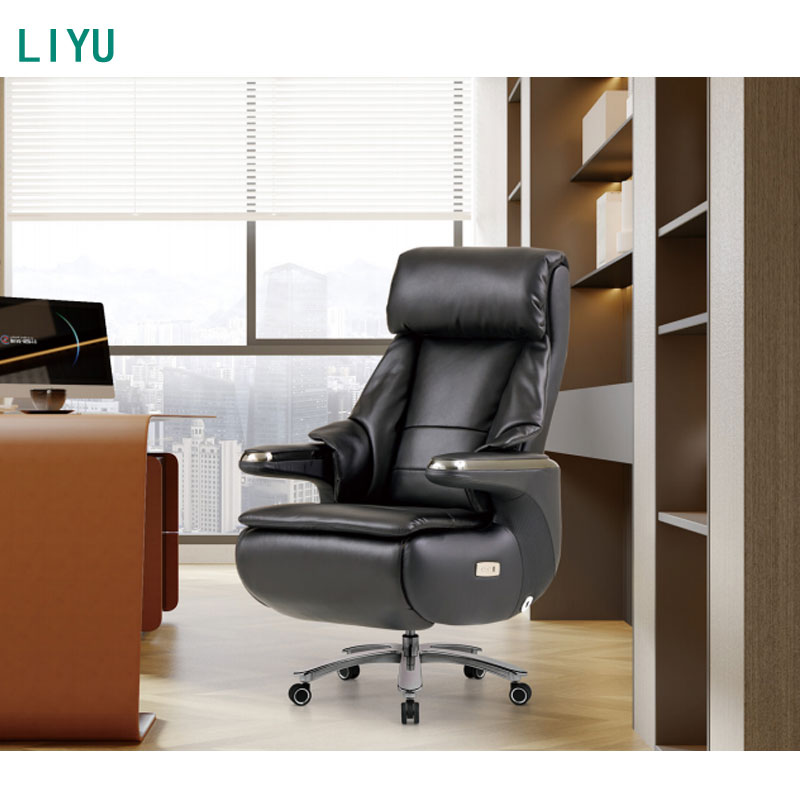
Pneumatic seat height, adjustable tilt tension, and tilt lock prevent lower back compression. These adjustments promote dynamic movement. You need to shift positions safely throughout the day. A static chair forces the body into rigid postures. This accelerates fatigue and increases the risk of musculoskeletal strain.
Identifying high-quality chairs that hide modern adjustment mechanisms within traditional designs takes effort. Look for pneumatic cylinders concealed by telescoping wooden or metal covers. Tension springs should be integrated seamlessly into the under-seat housing. This integration ensures you receive modern ergonomic benefits without sacrificing the heritage look.
Traditional furniture often features static, over-stuffed lumbar regions. These fail to accommodate different body types. Modern, adjustable lumbar systems provide targeted support tailored to the individual user. This adjustability maintains the natural curve of the spine during long periods of sitting.
Test if the curvature aligns with your natural spinal lordosis. The support should fill the curve of your lower back without pushing your pelvis forward. Proper lumbar integration supports the spine rather than flattening it. If the lumbar pad is too aggressive, it causes upper back slouching.
The type of foam used dictates comfort and longevity. High-density, cold-cured foam retains its shape and weight distribution properties for years. It provides consistent support. You will not sink too deeply into the seat, which misaligns the hips and spine. Look for a foam density rating of at least 2.5 lbs per cubic foot.
Standard low-density polyurethane foam bottoms out quickly. This degradation causes you to sit directly on the hard plywood frame beneath. This leads to tailbone and sciatic nerve pain. Investing in high-density foam prevents pressure points over the chair's lifespan.
| Foam Type | Density Rating | Expected Lifespan | Performance Characteristic |
|---|---|---|---|
| Standard Polyurethane | 1.0 - 1.5 lbs/ft³ | 1 - 2 Years | Compresses quickly, bottoms out |
| High-Density Foam | 1.8 - 2.2 lbs/ft³ | 3 - 5 Years | Good support, moderate shape retention |
| Cold-Cured Molded Foam | 2.5+ lbs/ft³ | 8 - 10+ Years | Excellent rebound, prevents pressure points |
Heritage designs frequently feature static, rigid wooden armrests. They look elegant but lack functional support. These unyielding surfaces cause nerve compression in the forearms and force you into awkward postures. Ergonomic armrests must accommodate your specific body dimensions and desk height.
Height-adjustable or padded armrests support the forearms properly. They allow the shoulders to remain relaxed. This prevents shoulder elevation and subsequent neck strain. Proper arm support reduces the load on the upper back and improves typing ergonomics. If the chair has fixed wooden arms, ensure they sit exactly at your elbow height when your shoulders are relaxed.
High-back chairs should include features that support the cervical spine. This is vital during recline or long reading sessions. Built-in neck rolls or adjustable headrests maintain proper head alignment. This support reduces the muscular effort required to hold the head upright.
Evaluate the positioning of the headrest. It should fit comfortably in the curve of the neck without pushing the head forward. Effective neck support matters for users who spend significant time leaning back to take calls or review documents. A poorly placed headrest causes severe neck pain.
Weight capacity and warranty length serve as objective indicators of commercial-grade build quality. A minimum weight capacity of 275-300 lbs suggests robust frame construction and durable mechanisms. A warranty of five or more years on mechanisms indicates the manufacturer's confidence in the chair's longevity.
Weigh the higher upfront cost of a commercial-grade chair against the cumulative replacement cost of cheaper alternatives. Buying disposable chairs every two years surpasses the initial investment of a high-quality piece. A durable chair provides better support and proves highly cost-effective over a decade of daily use.
When evaluating vintage wooden chairs for professional refurbishment, factor in the cost of replacing mechanisms and re-foaming. Restoring an older piece yields a unique chair, but you must ensure the frame is structurally sound. The restoration process must modernize the ergonomics without destroying the vintage appeal. You will likely need to install a new tilt mechanism and gas cylinder.
Buying modern bespoke reproductions offers modern mechanics housed in traditional designs. This route provides better immediate ergonomic support and comprehensive warranties. Compare the total cost and expected lifespan of a restored vintage piece against a high-end modern reproduction to determine the best value for your specific needs.
Protecting your investment requires consistent annual maintenance. True rustic materials demand specific care routines to prevent degradation. Neglecting maintenance accelerates wear and diminishes the chair's visual and structural quality. You cannot treat a leather and solid wood chair like a plastic mesh one.
Standard hard nylon casters on heavy chairs pose a massive risk to flooring. They scratch hardwood floors, crack tile, and roll poorly on thick rugs. The sheer weight of an executive chair exacerbates the damage caused by inappropriate casters. You will ruin an expensive floor in weeks.
Upgrade to rollerblade-style polyurethane casters. These are softer, larger in diameter, and safe for hard floors. They glide silently and do not trap grit. Alternatively, use high-grade glass or thick polycarbonate chair mats designed for heavy loads. Do not use cheap vinyl mats; they will crack under the weight of a solid wood chair.
Executive chairs often feature high, rigid wooden armrests that prevent the chair from sliding under standard-height desks. This spatial conflict forces you to sit too far back. You end up typing at an unergonomic, extended arm distance. This posture strains the shoulders, back, and wrists.
Measure the armrest height against your desk clearance and keyboard tray placement before purchasing. Ensure the chair can tuck under the desk sufficiently to allow your arms to rest comfortably at a 90-degree angle while typing. If the armrests hit the desk edge, you will never achieve proper ergonomic alignment.
A: Yes, provided it incorporates high-density foam overlays, contoured seat pans, and hidden tilt-and-tension mechanisms. The wood serves as the structural frame, while the integrated ergonomic features provide the necessary support and dynamic movement for long work sessions.
A: Top-grain leather, distressed heavy-duty canvas, and solid kiln-dried hardwoods are optimal. These materials offer superior durability, natural breathability, and develop a desirable patina over time, unlike synthetic alternatives that degrade quickly.
A: Replace standard hard nylon casters with rollerblade-style polyurethane casters, which are softer and glide smoothly without scratching. Alternatively, use high-grade glass or thick polycarbonate protective mats designed to withstand heavy loads.
A: Many authentic retro pieces lack dynamic movement capabilities, feature improper seat pan depth, and utilize static, non-adjustable lumbar support. These design flaws force the body into rigid postures, leading to muscle fatigue and spinal compression.
A: Leather retains more heat than mesh. To manage thermal build-up in hot climates, select breathable top-grain leather rather than synthetics, look for designs with perforations or tufting, and consider chairs with open-back wooden structures to improve airflow.
A: Wipe with a damp cloth to remove dust. Apply a high-quality leather conditioner every 6-12 months to prevent drying and cracking. Avoid direct sunlight to minimize UV damage, and never use harsh chemical cleaners that can strip the natural patina.
A: High-back chairs offer superior cervical spine and shoulder support, ideal for long hours or reclining. However, mid-back chairs have a smaller visual footprint, making them better suited for smaller rooms where a massive executive chair might overwhelm the space.


