
Views: 0 Author: Site Editor Publish Time: 2026-08-28 Origin: Site


Designing an executive home office presents a distinct conflict between the aesthetic appeal of vintage architecture and the physiological necessity of modern ergonomic support. Professionals often prioritize visual style over biomechanics, which inevitably leads to musculoskeletal fatigue during long work sessions. Conversely, dropping a standard modern ergonomic mesh chair into a carefully curated, wood-paneled room disrupts the visual cohesion of the space. You need a seating solution that bridges this gap effectively.
Selecting the right retro office chair requires a structured evaluation framework. You cannot rely on looks alone. You must assess material integrity, historical design categories, cost-to-value tiers, and non-negotiable ergonomic baselines. This guide breaks down how to evaluate vintage-inspired seating so your workspace remains visually authoritative while providing the physical support required for heavy daily use.
An executive space demands visual authority and architectural alignment. Heavy materials, rich textures, and classic silhouettes communicate stability. These visual requirements often clash with the biomechanical reality of prolonged sitting. A heavy, rigid frame looks impressive but fails to support the natural curve of the human spine. You face a classic dilemma: trading the lightweight, hyper-breathable look of modern mesh for the heavy, prestigious aesthetic of retro office furniture without sacrificing lumbar health.
The baseline criteria for a successful purchase is simple. The chair must serve as a functional tool first and a statement piece second. Visual appeal cannot supersede the need for proper pelvic tilt and spinal alignment. If a chair forces you into a slouched posture, its aesthetic value becomes irrelevant after the first hour of work. You must look for designs that hide modern ergonomic geometry within classic silhouettes.
Daily use requires specific non-negotiable features. Seat height adjustability, backrest tilt-tension, and lumbar support are mandatory. If an original vintage piece lacks these, you must add aftermarket modifications or pass it over for a modern replica. Seat pan depth and popliteal clearance are equally critical. The back of your knees must not press against the seat edge. You need about two to three fingers of space between the seat edge and your calves. This clearance allows your legs to fold properly, maintaining healthy circulation to your lower extremities.
Look for a "waterfall" seat front edge in retro designs. This sloped edge reduces pressure on the thighs and prevents numbness. When evaluating any vintage-inspired piece, measure its capabilities against modern BIFMA standards. BIFMA testing ensures the chair meets basic safety and ergonomic benchmarks, including stability under load and mechanism durability.
Mid-Century Modern chairs feature bent plywood, minimalist profiles, and low-to-medium backs. They offer a clean look that fits perfectly into visually open spaces. The manufacturing process often involves steam-bending wood veneers into rigid shells. While aesthetically striking, these rigid shells and minimal padding mean they suit moderate daily use best, typically around four to six hours.
For longer sessions, the lack of adjustable lumbar support in original MCM designs becomes problematic. The fixed angle of the plywood shell does not accommodate different spinal curvatures. If you choose an MCM style for a full workday, you must select a modern replica that incorporates a subtle tilt mechanism and upgraded high-density foam in the seat pan.
Industrial seating utilizes exposed steel, raw wood, and mechanical height adjustments like threaded screw lifts. These pieces bring a raw, utilitarian edge to a workspace. They work exceptionally well for standing desk transitions and creative workspaces where mobility and quick height changes matter more than deep, reclined sitting.
The drawback of industrial vintage is the lack of cushioning. Cast iron tractor seats or flat wooden stools cause sit-bone fatigue quickly. When integrating industrial styles, look for drafting chairs that feature a foot ring for proper leg support and an articulating backrest that moves with your torso as you lean forward over a desk.
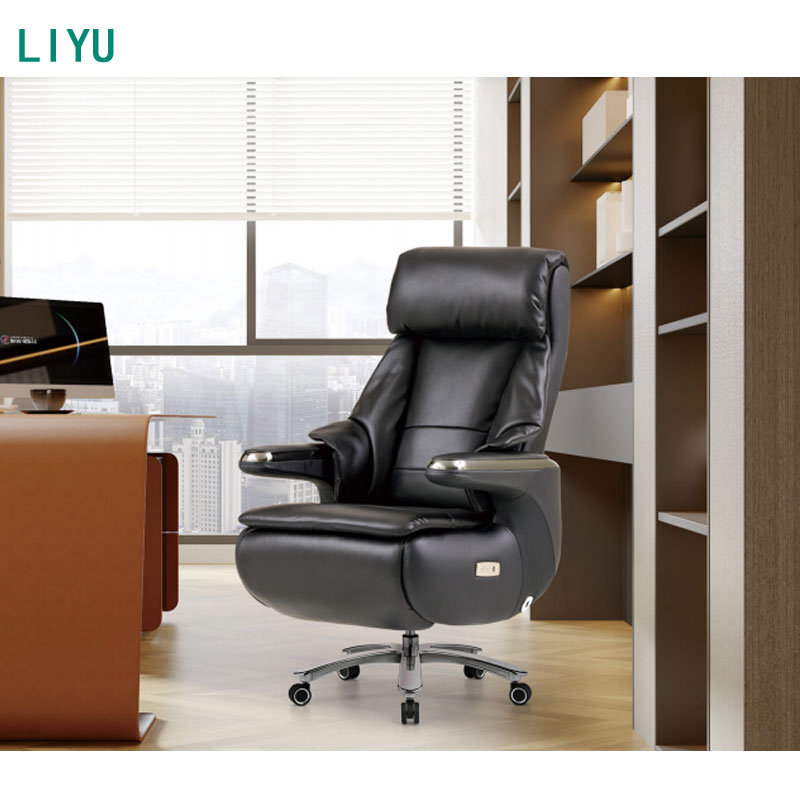
Traditional executive chairs utilize high backs, rolled arms, and deep button tufting. These designs dominate a room and anchor a premium workspace design. They support extended sitting well, provided the internal construction has been updated. Authentic antiques often contain degraded horsehair, broken coil springs, or crumbling foam.
Modernized versions replace these outdated materials with high-density memory foam and pocketed coil springs. This offers the traditional look with contemporary comfort. The high back provides excellent shoulder and neck support, making them ideal for users who spend significant time reading or taking calls in a reclined position.
The choice of office chair materials directly impacts daily comfort and maintenance. Top-grain leather develops a rich patina over time and offers superior durability compared to vinyl or basic wool blends. It resists tearing and handles daily friction well. However, non-porous vintage materials cause thermal retention issues during extended use.
To mitigate heat buildup in a home office climate, opt for high-grade, porous leathers like aniline or semi-aniline. These leathers breathe better than heavily pigmented or corrected-grain leathers. Alternatively, incorporate natural wool back paddings. Wool naturally regulates temperature and wicks moisture, providing a comfortable barrier between your back and the leather upholstery.
Structural integrity varies significantly between solid hardwoods and engineered veneers. A solid wooden office chair built from walnut, teak, or ash provides unmatched durability. You can sand and refinish solid wood if it gets scratched. Engineered veneers, common in mid-century designs, consist of thin slices of wood glued over a core.
When inspecting bentwood components, check carefully for delamination. This occurs when the glue fails and the veneer layers separate. Look for veneer chipping along the edges and load-bearing fatigue at the joints. Stress fractures in the wood grain near the base or armrest connections indicate a chair nearing the end of its functional life.
Base metals dictate the lifespan of the chair's moving parts. Polished aluminum, chrome plating, and cast iron each have distinct maintenance needs. Aluminum resists rust but oxidizes and dulls without regular polishing. Chrome plating looks brilliant but can flake off if the underlying metal rusts.
Authentic vintage hardware carries high risks of pitting, oxidation, and structural failure. Inspect the tilt mechanism and gas cylinder housing for rust or metal fatigue. These areas bear the brunt of daily movement. A cracked weld on a vintage steel base cannot be easily repaired and poses a significant safety hazard.
Fixed armrests offer visual cleanliness and period-accurate styling. However, they often fail to slide under standard desk heights. Buying a chair that forces a hunched reach because the arms hit the desk apron is a common mistake. You end up sitting too far from your keyboard, straining your shoulders and lower back.
Older designs often feature basic tilt-lock mechanisms. These mechanisms lock the chair in an upright position or allow it to rock freely, but they lack the dynamic tension control found in modern synchronized tilt systems. A synchronized tilt mechanism allows the backrest to recline at a faster rate than the seat pan, keeping your feet flat on the floor while you lean back.
Historical designs from the 1950s and 60s frequently utilized 4-star bases. While visually authentic, they lack the stability of the modern 5-star base requirement. A 4-star base increases the risk of tip-overs when leaning back or reaching for an item on the floor. Modern safety standards mandate 5-star bases for a reason.
Weight capacity ratings also differ drastically. Original antiques were not tested to modern standards. The metal may have fatigued over decades of use. Modern reinforced replicas are engineered to support higher weight limits safely, often utilizing heavy-duty gas cylinders and reinforced aluminum bases.
Caster selection protects your flooring and dictates mobility. Hard casters are designed for carpets. If you use hard casters on hardwood or tile, they will scratch the finish and roll too quickly. Soft polyurethane casters are necessary for hard floors. They provide grip and prevent surface damage.
Upgrading vintage bell glides to modern rollerblade-style wheels alters the aesthetic slightly but vastly improves functional mobility. If you decide to replace casters on a vintage chair, follow these steps:
| Feature | Authentic Vintage | Modern Retro Replica |
|---|---|---|
| Base Design | 4-star (high tip-over risk) | 5-star (meets safety standards) |
| Ergonomics | Fixed geometry, minimal lumbar | Adjustable tension, hidden lumbar |
| Materials | Original patina, degraded foam | High-density foam, fresh leather |
| Mobility | Original glides or hard plastic | Floor-safe polyurethane casters |
| Maintenance | Requires custom fabrication | Standardized replacement parts |
Entry-level replicas carry distinct risks. Manufacturers cut costs by utilizing cheap, low-density foam that flattens within months. They use faux leather (PU) that peels and cracks under daily friction. The basic plastic tilt mechanisms degrade rapidly, leading to a wobbly seat pan. These chairs often need replacing within one to two years.
Mid-tier commercial reproductions offer a much better value proposition. At this tier, you find genuine top-grain leather on the contact surfaces, synchronized tilt mechanisms made of steel, and high-density molded foam. These chairs usually achieve BIFMA certification, ensuring they can withstand standard office use safely.
Investment-grade and licensed originals provide long-term equity. These pieces feature pristine material engineering, exact historical proportions, and robust warranties. Licensed manufacturers use premium materials like cast aluminum and full-grain leather. Professionally restored heirloom antiques also fall into this category, offering unique historical value combined with modernized internal components like new gas lifts and fresh upholstery.
When sourcing original pieces, you must perform a rigorous physical inspection. Look for pneumatic cylinder failure. If the chair sinks when you sit on it, the seals in the gas lift are blown. Check for hardened or crumbling foam by pressing firmly into the seat pan. If it feels crunchy or lacks rebound, the foam requires complete replacement.
Inspect the base for micro-fractures, especially around the caster sockets and the central hub. The hidden costs of restoring a vintage chair add up quickly. Reupholstery, foam replacement, and custom mechanical restoration require specialized labor. You must factor these restoration costs into your initial budget when evaluating an antique.
Modern replicas offer significant advantages in repairability and peace of mind. They come with warranties covering the frame, mechanism, and upholstery. If a gas cylinder fails on a modern replica, you can order a standard replacement part and install it yourself in ten minutes.
Maintaining an antique requires custom fabrication. If a proprietary tilt mechanism breaks on a 1960s chair, you cannot buy a replacement off the shelf. You have to find a machinist to fabricate a new part. This makes modern retro-styled builds a much more practical and reliable choice for a daily-use home office.
A: Authentic antiques generally lack the necessary support for eight hours of continuous sitting. They have fixed backs and degraded padding. However, modern retro replicas integrate hidden lumbar support, tilt-tension controls, and pneumatic height mechanisms, making them fully capable of supporting long workdays safely.
A: Leather lacks the active airflow of modern mesh. Choosing high-grade, porous top-grain leather over synthetic vinyl minimizes heat buildup. Pairing the leather with natural wool back paddings can further improve thermal comfort and moisture wicking during extended use.
A: Top-grain leather and solid hardwood frames are the most durable materials. They resist daily wear, develop a desirable patina over time, and offer superior structural integrity compared to synthetic polyurethane upholstery and engineered wood veneers.
A: Yes, but it often requires specialized adapter stems. Many vintage chairs use non-standard stem sizes. Measuring the existing stem diameter precisely with digital calipers is necessary before ordering modern polyurethane replacement casters to ensure a secure fit.
A: No. Modern safety standards require a 5-star base to prevent tip-overs during recline. While 4-star bases are historically accurate for mid-century designs, they pose a significant stability risk in an active office environment.


