
Views: 0 Author: Site Editor Publish Time: 2026-08-13 Origin: Site


Private office seating functions as a primary architectural element that signals authority and attention to detail. Procurement teams and designers frequently struggle to balance the aesthetic demand for premium natural materials with the strict durability, ergonomic, and compliance requirements of commercial environments. Poor material selection leads to rapid wear, mismatched aesthetics, and compromised structural integrity. To make an informed investment, buyers must evaluate wood species, finish chemistry, veneer versus solid construction, and environmental certifications before finalizing their specifications. Choosing the right office chair wood requires a deep understanding of how natural materials perform under daily stress. You must look beyond the surface appearance to understand the mechanical properties of the frame. The right selection ensures long-term performance, while the wrong choice results in frequent replacements and user discomfort.
Professionals often face a frustrating design dilemma. They must choose between high-performance ergonomic mesh chairs that lack visual warmth and vintage wood chairs that offer zero postural support. A successful modern seating solution integrates natural wood aesthetics without sacrificing multi-point ergonomic adjustability. We see a clear evolution in design away from heavy, static solid-wood frames. Today, the standard is an executive chair with wood accents. These modern iterations utilize molded plywood shells with exposed grain, seamlessly integrating advanced synchro-tilt mechanisms hidden within the chassis. You get the visual weight of timber without the physical rigidity that causes back pain during long meetings.
Wood frames dictate how a chair accommodates physical adjustments. The rigid nature of wood means that seat depth, back height, tilt tension, and armrest width must be engineered into the core frame design. Tactile ergonomics play a massive role here. You must evaluate the edge profiles of wood armrests and seat pans. A proper waterfall edge design on a wood shell prevents pressure points and stops circulation restriction behind the user's knees. Poorly routed wood edges cause immediate discomfort, regardless of the cushioning applied on top. Manufacturers must CNC-route these edges to exact tolerances to ensure the wood supports rather than fights the human body.
The physical environment directly impacts wood performance. Natural light causes UV degradation and discoloration over time. Walnut tends to lighten under heavy sun exposure, while Cherry darkens significantly. You must also consider facility climate control. Humidity and temperature stability dictate whether you can specify solid wood or if engineered cores are strictly required. Fluctuating humidity levels cause solid wood to expand and contract, leading to warping and cracking. Engineered plywood cores mitigate this risk entirely. If your building experiences massive HVAC swings over the weekend, solid timber frames will eventually fail at the glue joints.
High-traffic environments demand hardwoods. Walnut offers high aesthetic value with a rich, complex grain. It possesses moderate hardness, making it ideal for luxury private offices, though it requires high-grade protective finishes to prevent surface denting. White Oak and Ash provide exceptional durability. They feature excellent Janka hardness ratings and distinct, open grain patterns. These species are highly receptive to custom stains and hold up incredibly well in high-use environments where impact resistance is a priority. Ash, in particular, bends well and absorbs shock, making it an excellent choice for dynamic chair frames that flex with the user.
Cherry delivers a traditional appeal but carries a high photosensitivity risk. It darkens naturally and rapidly over time, making it difficult to match new furniture to older pieces later on. Maple is dense and smooth but lacks a distinctive grain, often looking flat under clear coats. Beech is an excellent structural wood. It responds perfectly to steam-bending for curved frames. Because its grain is relatively plain, manufacturers often paint it or apply heavy, opaque stains. We rarely specify clear-coated Beech for executive suites unless the design specifically calls for a minimalist, Scandinavian aesthetic.
Molded plywood cores with premium face veneers offer structural superiority for curved ergonomic backrests. Plywood consists of cross-grained layers glued under high pressure, rendering it dimensionally stable. It will not warp. Veneers provide significant weight reduction. A lighter chair reduces daily strain on the pneumatic cylinder and prevents the casters from trenching into office carpeting. Solid wood remains appropriate for static lounge seating, but for task and executive chairs that move constantly, plywood shells are the superior engineering choice.
| Wood Species | Janka Hardness | Grain Profile | Best Application |
|---|---|---|---|
| White Oak | 1,360 lbf | Prominent, straight | High-traffic seating, custom staining |
| Ash | 1,320 lbf | Open, bold | Dynamic flexing frames |
| Walnut | 1,010 lbf | Rich, wavy | Luxury executive suites |
| Cherry | 950 lbf | Fine, smooth | Traditional static lounge seating |
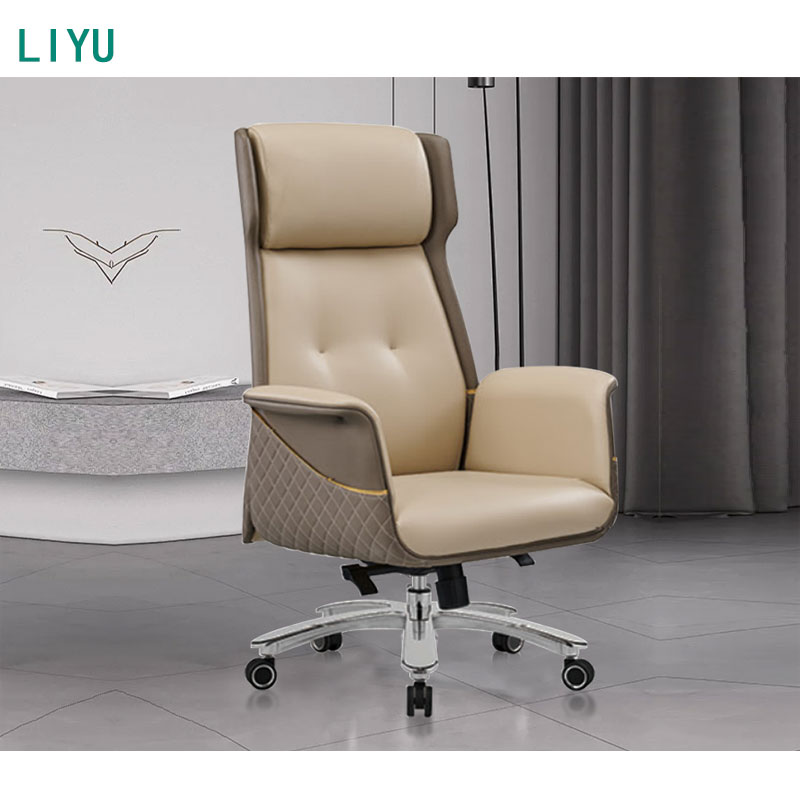
The protective topcoat dictates longevity. Catalyzed polyurethane and conversion varnishes represent the commercial standard. They cure chemically, creating a hard shell highly resistant to scratches, moisture, and harsh chemical cleaners. Nitrocellulose lacquer offers beautiful depth and clarity but remains soft. It is prone to yellowing and chemical damage over time. Rubbed oils and waxes provide a natural tactile feel but offer minimal protection. We strongly advise against oil finishes for commercial office seating unless the facility management team establishes a rigorous on-site maintenance protocol. A single spill of hand sanitizer will strip an oil finish instantly.
Matching an office chair wood finish to existing architectural millwork or executive desks requires managing expectations. Wood is a biological material. You must accept standard tolerances in grain variation and dye uptake. Two chairs cut from different logs will absorb stain differently. Manufacturers use toners and tinted topcoats to unify the appearance, but absolute uniformity is impossible and often undesirable in natural materials. Procurement teams should request range samples showing the lightest and darkest acceptable variations before signing off on a large order.
Specifying a custom chair finish involves a strict approval process. You must provide a physical control sample of your existing millwork to the chair manufacturer. They will produce physical strike-offs for your review. You must approve both the color match and the final topcoat sheen, whether matte, satin, or gloss, before production begins. Skipping the physical strike-off phase to save time almost always results in mismatched furniture arriving on site.
Wood finishes must pair intelligently with premium upholstery. Full-grain leather offers a classic pairing with Walnut, providing a firm, supportive sit. Contract-grade woven textiles pair well with lighter woods like Ash or Oak for a contemporary look. The upholstery foam density must balance the physical hardness of the wood shell, ensuring the user receives necessary postural support without feeling the rigid frame underneath. We look for high-resiliency molded foam that will not bottom out against the plywood substrate after six months of use.
Wood chairs fail at the connection points. You must inspect where wood meets metal, specifically at armrest brackets, seat pans, and tilt mechanisms. Direct wood screws will strip out over time due to the constant dynamic movement of the user. High-quality seating utilizes metal-to-metal fastening. Manufacturers embed threaded metal inserts into the wood frame, allowing machine screws to bolt the mechanism securely. This prevents wobbling and catastrophic joint failure. If you see standard wood screws holding the tilt mechanism to the seat pan, reject the chair immediately.
Never assume a wood chair is rated for commercial use based on aesthetics alone. Verify that chairs featuring wood components meet ANSI/BIFMA X5.1 standards. This certification ensures the chair has passed rigorous drop, tilt, and load testing. Wood density directly impacts the overall weight capacity and the center of gravity. A heavy solid wood backrest can alter the balance of the chair, making it prone to tipping if the wheelbase is not proportionately sized. The base diameter must be wide enough to counteract the weight of the timber shell when the user leans back fully.
Evaluating commercial seating requires looking past the initial acquisition. High-quality wood-accented chairs sit in a premium investment tier compared to all-mesh or all-plastic alternatives. The long-term return on investment is substantial. A repairable, high-quality wood finish extends the lifespan of the asset over a 10-to-15-year facility cycle. When plastic chairs scratch or crack, they end up in a landfill. When a catalyzed wood finish suffers minor wear, it can often be maintained, preserving the chair's functional and aesthetic value for another decade.
Sustainable procurement is a standard requirement. Look for FSC Certification to ensure the wood is sourced from responsibly managed forests. Indoor air quality is equally critical. Select seating with low-VOC finishes. Water-based polyurethanes and UV-cured finishes emit fewer harmful chemicals, helping facilities comply with LEED and WELL building standards. Off-gassing from cheap solvent-based lacquers will cause immediate complaints in a sealed, climate-controlled office environment.
Establish clear cleaning protocols for the janitorial staff. They must avoid ammonia-based cleaners, bleach, and abrasive pads, which will strip the protective topcoat and permanently cloud the finish. Assess the repairability of the specified finish. Minor scratches in a catalyzed polyurethane topcoat can sometimes be buffed out or filled on-site using commercial touch-up markers. Deep gouges expose the raw wood and generally require off-site professional refinishing.
| Maintenance Action | Frequency | Approved Method |
|---|---|---|
| Dusting | Weekly | Dry microfiber cloth |
| Spill Cleanup | Immediate | Damp cloth, mild pH-neutral soap |
| Hardware Check | Bi-Annually | Tighten machine screws at metal-to-wood joints |
| Scratch Repair | As Needed | Color-matched wax fill sticks |
Selecting wood components for private office seating balances species hardness, finish chemistry, ergonomic adjustability, and structural integration. Prioritize molded plywood with high-grade hardwood veneers and catalyzed finishes for modern ergonomic chairs, reserving solid wood for static lounge seating. Do not compromise on mechanical fasteners or commercial certifications.
A: White Oak and Ash are among the most durable options for commercial seating. They possess high Janka hardness ratings, making them highly resistant to impact damage, dents, and daily wear in high-traffic environments.
A: You must provide a physical control sample of your desk to the chair manufacturer. They will create custom strike-offs for your approval to ensure the color and sheen match before manufacturing begins.
A: Yes, provided they use modern molded plywood shells. These shells integrate advanced synchro-tilt mechanisms and contoured foam, offering the same multi-point adjustability as mesh chairs while maintaining a premium natural aesthetic.
A: Solid wood is cut directly from a tree and is prone to warping from humidity changes. Wood veneer consists of thin slices of premium wood bonded to a dimensionally stable plywood core, offering superior strength, lighter weight, and resistance to warping.
A: Use a damp, soft microfiber cloth with a mild, pH-neutral soap solution. Strictly avoid ammonia, bleach, silicone-based polishes, and abrasive scrubbing pads, as these will degrade the protective topcoat over time.
A: Generally, no. As long as the custom finish is applied by the original manufacturer using their approved commercial-grade topcoats, the structural and finish warranties typically remain fully intact.


