
Views: 0 Author: Site Editor Publish Time: 2026-07-28 Origin: Site


Balancing the clean lines of the 1950s with the physical demands of modern desk work presents a unique challenge in executive office design. Many authentic vintage chairs were built for an era of typewriters, brief meetings, and paper review. They inherently lack the dynamic lumbar support and multi-point adjustability required for continuous dual-monitor screen time. Sitting in a static position for eight hours a day requires seating that moves with your body, distributing weight evenly to prevent musculoskeletal fatigue.
To successfully integrate a mid century office chair into a premium workspace design, buyers need a structured evaluation framework. This guide provides the actionable insights necessary to choose seating that honors the retro aesthetic without sacrificing spinal health, longevity, or productivity. We will break down material grades, structural integrity, and ergonomic hybridization to help you make an informed decision for your daily workflow.
The historical use-case of executive seating involved brief dictation and physical paper review, contrasting sharply with modern continuous computer work. Long-term testing methodologies reveal that sitting in a static position for hours accelerates physical fatigue. Modern office work demands seating that supports the body through subtle, constant movements. When you sit in a chair designed in 1958, you are experiencing a piece of furniture built for a completely different occupational reality.
The non-negotiable requirements for modern office seating include adequate seat depth, adjustable tilt tension, a supportive lumbar curve, and height adjustability. Traditional mid-century designs often score poorly against these metrics, prioritizing visual impact over sustained physical support. A rigid backrest might look striking behind a walnut desk, but it forces the lower spine into an unnatural C-curve over a long workday.
Understanding the difference between an authentic vintage original, a licensed reproduction, and a modern ergonomic chair that borrows mid-century aesthetic cues is necessary for making a smart purchase. An original 1960s Eames Time-Life chair offers historical value and collector appeal, while a modern hybrid prioritizes adjustability while mimicking the retro look. You have to decide whether you are building a museum-accurate room or a functional daily workspace.
| Feature | Vintage Originals | Modern Hybrids |
|---|---|---|
| Lumbar Support | Fixed, minimal curve | Adjustable depth and height |
| Armrests | Fixed height, rigid materials | 3D or 4D adjustability, padded |
| Base Stability | 4-star base, manual spin lift | 5-star base, pneumatic cylinder |
| Foam Density | Degraded over time, low resilience | High-resiliency molded foam |
When evaluating office chair materials, the choice of upholstery significantly impacts both aesthetics and lifespan. Top-grain aniline leather patinas beautifully, breathes well, and conforms to the user's body over time. Bonded leather, while cheaper upfront, is prone to peeling and cracking under daily use, often failing within the first two years. High-grade commercial vinyl offers a durable alternative and is historically accurate for some mid-century models, providing excellent stain resistance.
Commercial-grade wool blends and boucle fabrics provide excellent breathability and structural longevity. These fabric alternatives require specific maintenance in a home office environment but offer a softer visual texture compared to leather. They also prevent the heat buildup commonly associated with synthetic leathers during long summer workdays.
High-resiliency (HR) molded foam is essential for preventing the "bottoming out" effect common in cheaper replicas. Without dense, quality foam, daily use will flatten the seat cushion within 6 to 12 months, leading to severe discomfort. Look for foam density ratings above 40kg/m3 to ensure the seat pad retains its shape and support over thousands of hours of use.
The structural reality of a wooden office chair often involves molded plywood veneers finished in walnut, teak, or rosewood. These veneers offer historical accuracy and strength, contrasting with solid wood construction which is heavier and less flexible. The molding process allows the wood to flex slightly with the user's movements, providing a small degree of ergonomic give.
Manufacturing quality is critical to prevent cracking and delamination over time. Inspect the edges of curved wooden shells for tight, seamless bonding. Poorly glued veneers will split under the stress of daily movement, especially in environments with fluctuating humidity levels. A high-quality 7-ply veneer will outlast a cheaper 5-ply alternative.
Die-cast aluminum bases provide necessary long-term stability and weight capacity. Chrome-plated plastic bases, common on budget models, lack the structural integrity required for executive use and are prone to snapping at the caster insertion points. Always verify that the base and the internal tilt mechanism housing are constructed from solid metal.
Tilt mechanisms dictate how the chair moves with your body. Basic center-tilt mechanisms lift the user's feet off the floor when reclining, causing pressure on the back of the thighs and restricting blood flow. Knee-tilt mechanisms keep feet planted while reclining, offering superior executive comfort and better circulation during long reading or review sessions.
The trade-off between historical accuracy and practical necessity is evident in lift mechanisms. While manual spin-lifts are historically accurate for early models, modern Class-4 pneumatic gas cylinders provide smooth, reliable height adjustments essential for matching desk heights perfectly. A failing gas cylinder will cause the chair to slowly sink throughout the day, ruining your posture.
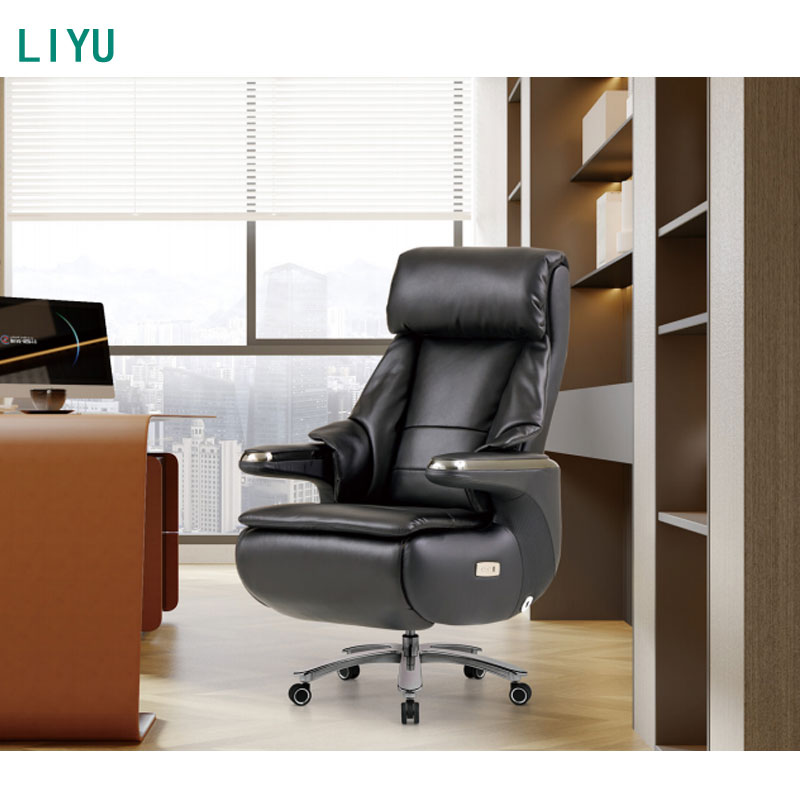
This profile features ribbed leather, sleek aluminum frames, or plush oversized cushions. These chairs excel in client-facing home offices, conference-style setups, and for users who spend less than 6 continuous hours at the desk. They project authority and refined taste, making them a staple in high-end architectural designs.
They typically lack adjustable lumbar support and 3D/4D armrests, limiting their ergonomic flexibility. To identify authentic heritage pieces, look for original manufacturing marks, 4-star bases, and specific stitching patterns to distinguish vintage originals from cheap replicas. The tension in the suspension material is also a dead giveaway; authentic pieces maintain tautness for decades.
These chairs feature deep, ultra-padded seating systems wrapped in retro silhouettes, trading clean-lined minimalism for sink-in comfort. They are best for executives seeking a relaxed, lounge-like work setup that blends seamlessly with residential living spaces. They work well for reading, taking calls, and tablet-based work.
However, they can promote slouched postures and lack structured spinal alignment. If wrapped in low-grade synthetic leather, they can also trap body heat, causing discomfort during long sessions. The deep seat pan can also cut off circulation behind the knees for shorter users.
Featuring curved wooden shells with upholstered seat and back pads, this profile is best for smaller home offices, design-forward spaces, and users who prefer a firm, upright seating posture. The exposed wood grain adds warmth and organic texture to the room.
These chairs often feature lower backrests that do not support the upper shoulders or neck, making them less suitable for taller users or those requiring full-back support during long hours. The fixed angle of the wooden shell means you must adapt to the chair, rather than the chair adapting to you.
Modern hybrids combine contemporary ergonomic skeletons, such as adjustable lumbar and 4D armrests, with mid-century finishes like walnut accents and retro color palettes. They are ideal for users requiring strict 8-to-5 ergonomic compliance who refuse standard black plastic task chairs. They bridge the gap between medical-grade support and interior design standards.
While functionally superior, they may look out of place to purists seeking strict historical accuracy in their office design. The visible adjustment levers and mesh components can detract from the seamless vintage aesthetic.
Many mid-century designs feature fixed, swooping armrests that may collide with standard 29-inch desk aprons or keyboard trays. Measure the distance from the floor to the top of the armrest and compare it against the underside of the desk to ensure clearance. If the chair cannot slide under the desk, you will be forced to sit on the edge of the seat, destroying your posture.
Visually pairing a mid-century chair with non-MCM desks requires careful consideration. Match wood tones or metal finishes to integrate the chair with rustic live-edge wood, industrial steel, or ultra-modern minimalist desks without creating visual clutter. A walnut chair frame pairs well with a matte black steel desk, creating a balanced, sophisticated look.
Specify soft polyurethane casters for hardwood floors to prevent scratching, and use hard nylon casters for carpeted areas to ensure smooth rolling. Using the wrong caster type will either damage your expensive flooring or make the chair impossible to move without straining your legs.
Original metal glides on vintage pieces pose a significant risk of floor damage. Safely retrofit these with felt pads or modern glide replacements to protect your flooring. If you are buying a vintage piece, factor the cost of caster or glide replacement into your initial budget.
Entry-level replicas often utilize bonded leather, basic low-density foam, and offer minimal warranties. They carry a high risk of pneumatic cylinder and mechanism failure within the first two years. The initial savings are quickly erased by the need for premature replacement and the potential for back pain.
High-fidelity reproductions represent the sweet spot for most executives. This tier offers top-grain leather, upgraded tilt mechanisms, proper warranties, and real wood veneers. You get 90% of the aesthetic and functional value of an original without the collector's premium.
Licensed originals provide long-term return on investment through comprehensive warranties, exceptional build quality, heirloom status, and strong resale value retention. These are pieces of functional art that will outlast multiple office renovations and can be passed down or resold with minimal depreciation.
Choosing the right seating requires a deliberate, informed compromise between historical aesthetics and modern ergonomic science. Prioritize your daily desk hours first, select the appropriate design category, and invest in the highest-fidelity material grade your budget allows.
A: Standard vintage models often lack the necessary support for 8-hour days. However, upgraded reproductions featuring knee-tilt mechanisms, high-density foam, or modern hybrid designs offer the ergonomic support required for continuous, all-day comfort.
A: Look for die-cast aluminum bases rather than plastic, top-grain aniline leather instead of bonded leather, and real wood veneers rather than printed paper laminates. A Class-4 gas cylinder and a heavy, stable frame also indicate high quality.
A: Authentic vintage designs and strict replicas typically do not feature adjustable lumbar support. Modern hybrid models incorporate adjustable lumbar systems while maintaining the retro aesthetic through wood accents and specific upholstery choices.
A: Yes, most vintage chairs can be retrofitted with modern casters. It is highly recommended to replace old metal casters with soft polyurethane wheels to protect hard flooring and improve mobility.
A: Center-tilt pivots from the middle of the seat, lifting your feet when you lean back. Knee-tilt pivots from near the front edge, allowing you to recline while keeping your feet flat on the floor, reducing thigh pressure.


