
Views: 0 Author: Site Editor Publish Time: 2026-07-01 Origin: Site


Selecting the right seating for an executive home office requires balancing commanding aesthetic authority with modern ergonomic performance. The executive furniture market is saturated with misleading terminology like vintage-style or eco-leather. These buzzwords often mask inferior build quality, leading to premature wear, poor posture support, and compromised professional aesthetics. You need a reliable technical evaluation framework to assess genuine leather grading, hardwood frame construction, and hidden ergonomic mechanisms. Understanding these elements ensures your investment yields high returns in both daily comfort and long-term durability without falling victim to marketing fluff. We will break down exactly what separates a high-end seating instrument from a decorative prop, focusing on material science, structural integrity, and mechanical reliability.
Executives must decide between historical authenticity and functional daily use when outfitting their workspace. True historical antiques carry undeniable prestige but present severe limitations for active work environments. Original pieces lack adjustable height mechanisms, omit modern lumbar support, and feature fragile original upholstery that degrades rapidly under daily friction. These authentic pieces serve best as occasional seating or strictly decorative elements within broader retro office furniture setups. You cannot expect a chair built in 1910 to support an eight-hour workday at a modern computer desk without causing significant musculoskeletal strain.
Antique-style reproductions represent the executive standard. They deliver classic aesthetics, including deep button tufting and brass nailheads, built upon modern ergonomic chassis. The success criteria for these reproductions are strict. The chair must visually match the historical era while meeting BIFMA standards for heavy daily use. This hybrid approach guarantees the visual weight of a traditional piece without sacrificing the physical support required for intensive focus. Manufacturers achieve this by hiding advanced pneumatics and tilt mechanisms inside traditional wooden housings, giving you the best of both worlds.
When evaluating these reproductions, you must look past the surface. A visually stunning chair means nothing if the internal frame relies on cheap plywood or if the cushioning compresses permanently after a few months. We evaluate these chairs based on their ability to withstand dynamic loads—the constant shifting, leaning, and rolling that occurs during a standard workday. True quality reveals itself in the weight of the chair, the silence of its mechanisms, and the resistance of its materials to daily abrasion.
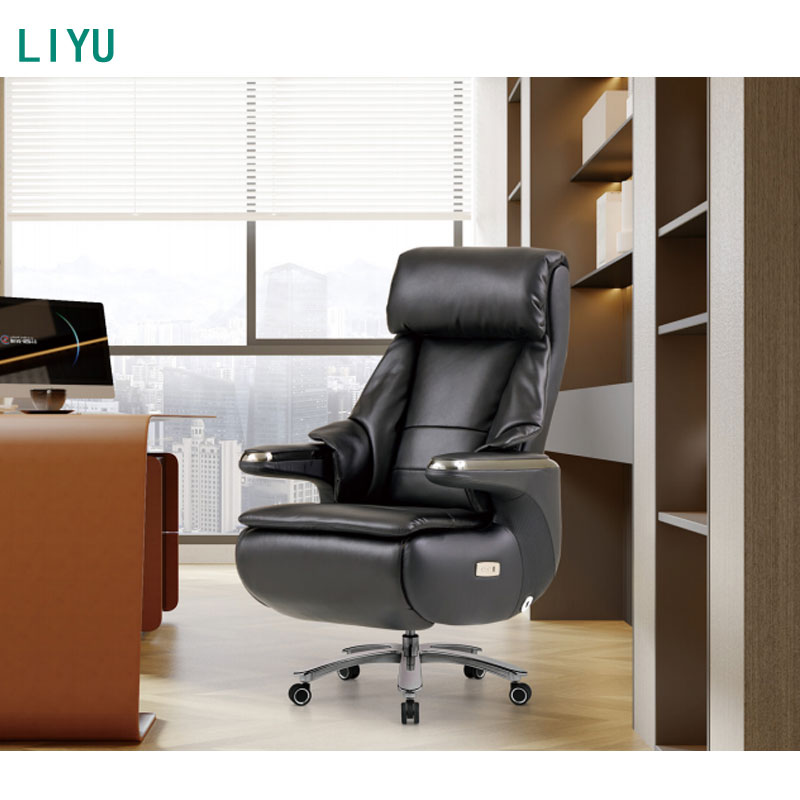
Understanding office chair materials is critical to preventing premature degradation. Full-grain and top-grain leathers dominate the premium category. Full-grain retains the outermost hide layer, offering maximum durability and developing a natural patina over time. Top-grain undergoes a sanding process to remove surface imperfections, resulting in a more uniform appearance while remaining highly durable. Both options provide predictable aging and resist cracking over a long lifespan.
Avoid bonded and PU leather entirely. Bonded leather consists of polyurethane mixed with leftover leather scraps. This composition carries a massive implementation risk, often resulting in delamination and peeling within months of daily use. Once bonded leather begins to peel, the chair is functionally ruined and cannot be repaired, only completely reupholstered at a significant cost.
| Leather Grade | Composition & Processing | Durability Profile | Ideal Application |
|---|---|---|---|
| Full-Grain | Un-sanded top layer of the hide; retains natural grain and pores. | Maximum. Develops a rich patina and resists tearing. | High-end executive daily use; heirloom pieces. |
| Top-Grain | Sanded to remove blemishes, then embossed with a uniform grain. | High. Very resistant to stains and daily wear. | Standard executive daily use; high-traffic offices. |
| Split Leather | The fibrous part of the hide left after the top-grain is separated. | Moderate. Often coated with polymer to simulate top-grain. | Back and side panels of mid-tier chairs. |
| Bonded/PU | Leather dust and scraps glued together with polyurethane. | Low. Prone to rapid flaking, peeling, and cracking. | Strictly decorative; avoid for any functional seating. |
Dyeing and finishing processes also dictate longevity. Semi-aniline leather stands as the optimal choice for home offices. It balances a natural, rich appearance with a light protective coating that defends against accidental spills and UV fading. Pure aniline leather, while incredibly soft, absorbs oils and spills instantly, making it a risky choice for a working desk chair. Pigmented leather offers maximum protection but sacrifices the natural feel and breathability of the hide.
When integrating these materials aesthetically, traditional stately tones like British Oxblood, Chesterfield Green, and Rich Cognac remain timeless. Modern retro hybrids often utilize Executive Matte Black and Slate Charcoal. Always match leather undertones with existing room upholstery to maintain visual harmony. A warm cognac chair will clash violently with cool-toned gray walls or ash wood desks. Pay attention to the lighting in your office, as natural sunlight will drastically alter how these leather dyes appear throughout the day.
The core frame construction dictates the lifespan of any wooden office chair. Acceptable materials include kiln-dried mahogany, cherry, walnut, or oak. These dense hardwoods resist warping and provide a stable foundation for heavy hardware. Kiln-drying removes excess moisture from the wood, preventing it from shrinking or cracking as humidity levels fluctuate in your home office. Watch for red flags like plywood cores, MDF, or rubberwood disguised under thick, opaque stains. These inferior materials compromise structural integrity under lateral stress and will eventually snap or splinter.
Adhere to the leg-to-desk alignment rule. The chair's wood base and legs must match the exact species and stain finish of your primary executive desk. This design requirement anchors the room's aesthetic. If you have a mahogany desk, a walnut chair base will look disjointed. Furthermore, inspect the joinery techniques. Look for mortise-and-tenon joints reinforced with corner blocking. Avoid chairs reliant solely on screws and glue, as these connections loosen inevitably under dynamic shifting.
The weight of the chair is a reliable indicator of frame quality. A chair built with a steel-reinforced base, a kiln-dried hardwood frame, and a heavy-duty tilt mechanism will be significantly heavier than a mass-produced alternative. This weight translates directly to stability. When you lean back, the chair should feel planted and secure, without any flexing in the base or creaking in the wooden joints.
Modern reproductions successfully hide advanced mechanics within vintage silhouettes. A knee-tilt mechanism is mandatory for an antique leather office chair. Unlike center-tilt designs, which lift your knees and cut off circulation when you lean back, a knee-tilt mechanism pivots from the front of the seat pan. This allows your feet to remain flat on the floor while reclining, reducing pressure on the lower thighs. Verify the inclusion of commercial-grade pneumatic gas lifts, specifically Class 4 cylinders, which are rated for higher weight capacities and continuous use.
Ensure the chair offers tilt-lock functionality with multiple locking positions. This allows seamless transitions between deep focus work, where you need to be locked in an upright posture, and relaxed reading or phone calls, where a slight recline is preferable. The tension control knob, usually located under the seat, must be robust enough to adjust the recline resistance to match your body weight perfectly.
| Mechanism Type | Functionality | Ergonomic Impact |
|---|---|---|
| Center-Tilt | Pivots from the center of the seat pan. | Lifts feet off the floor; causes thigh pressure. Avoid for daily use. |
| Knee-Tilt | Pivots from the front edge of the seat. | Keeps feet flat; maintains circulation. Mandatory for executive chairs. |
| Synchro-Tilt | Backrest reclines faster than the seat pan (usually a 2:1 ratio). | Opens the torso angle for better breathing. Excellent for long hours. |
| Multi-Position Lock | Allows the user to lock the recline at various angles. | Provides rigid support for different tasks (typing vs. reading). |
Seat cushioning architecture has evolved significantly. Traditional 8-way hand-tied springs offer historical accuracy but may sag unevenly over time, creating pressure points. Modern high-density, cold-cured polyurethane foam provides superior, consistent ergonomic support and pressure distribution. Cold-cured foam is poured into a mold rather than cut from a block, giving it a resilient skin that prevents it from breaking down or flattening out over years of use.
Deep button tufting alters the surface tension of the backrest, creating a firmer feel. Because adjustable lumbar dials are rarely present in antique styles, the internal frame curvature must provide adequate passive lumbar support. Conduct a strict body fit protocol. Ensure two to three inches of clearance between the seat edge and the back of your knees to preserve circulation. Fixed-position wooden armrests must align with your natural elbow drape to prevent shoulder and neck strain. If the armrests force your shoulders up, the chair is the wrong size for your frame.
Coordinating the chair's wood finish with existing executive desks, credenzas, and library paneling is a core component of premium workspace design. Avoid close-but-clashing stains at all costs. Always request physical wood finish samples from the manufacturer to compare against your current furniture under your specific office lighting. A cherry finish from one manufacturer might lean heavily red, while another leans brown. You cannot trust digital photos on a monitor to make these matching decisions.
Hardware and detailing separate premium builds from mass-market copies. Evaluate the nailhead trim carefully. Premium chairs feature individually applied brass or antique bronze studs, driven into the wood frame one by one by a skilled upholsterer. Cheaper alternatives use uniform strip rolls—a single piece of metal stamped to look like multiple studs, fastened only every fifth nail. These strips look artificial, feel cheap, and often detach or bend if snagged.
Consider how UV exposure in your home office will alter both wood stains and leather dyes over time. Position the chair accordingly to minimize direct sunlight. If your office features large, unshaded windows, opt for lighter leather colors that won't show fading as obviously, or ensure your windows have UV-blocking films installed. The patina process should be driven by physical use, not by sun damage.
Climate control directly impacts the longevity of natural materials. HVAC proximity, direct sunlight, and low humidity cause genuine leather to desiccate and wood frames to warp. Mitigate these risks by maintaining room humidity between 40% and 60%. If your office is too dry, the leather will lose its natural oils, become brittle, and eventually crack along the stress lines of the tufting.
Apply UV-protectant leather conditioners routinely to keep the hide supple. You must clean the leather with a damp cloth to remove dust and body oils before applying any conditioner. Dust acts as a micro-abrasive; if you rub conditioner over a dusty chair, you are essentially sanding the finish off the leather. Work the conditioner into the creases and tufts using a soft-bristled brush, then buff off the excess with a clean microfiber towel.
Evaluate the warranty and repairability before purchasing. A premium warranty should cover the pneumatic cylinder and tilt mechanism for a minimum of five years, and the hardwood frame for ten or more years. Assess local repairability. Determine if the seat cushion can be re-upholstered by a local professional without destroying the complex tufting pattern. High-quality chairs are built to be serviced, with modular components that can be swapped out rather than forcing you to discard the entire unit.
Investing in traditional executive seating requires strict attention to material and structural details. Aesthetic compromises on internal components inevitably lead to rapid failure and physical discomfort. Prioritize top-grain or full-grain leather, insist on a steel-reinforced wooden base, and ensure proper knee-tilt mechanisms are integrated into the design.
Take these immediate next steps:
A: Yes, high-quality reproduction models are highly ergonomic. They integrate modern commercial-grade components like knee-tilt mechanisms, Class 4 gas lifts, and high-density cold-cured foam while maintaining a vintage exterior silhouette.
A: Vintage chairs are typically 20 to 99 years old. True antiques are over 100 years old. Antique-style chairs are newly manufactured reproductions designed to mimic historical aesthetics while utilizing modern ergonomic technology.
A: Dust the chair weekly with a microfiber cloth. Apply a high-quality, UV-protectant leather conditioner bi-annually to prevent the hide from drying out. Keep the chair out of direct sunlight and away from direct HVAC vents.
A: Yes. Most premium chairs use universal stem sizes. You can easily swap hard nylon casters for carpets with soft polyurethane casters designed to protect hardwood floors.
A: Yes. Button tufting pulls the leather taut, creating a firmer seating surface. It also creates small channels for airflow, which helps reduce heat buildup during extended periods of sitting.


