
Views: 0 Author: Site Editor Publish Time: 2026-07-10 Origin: Site


Sourcing reception and collaborative seating that meets commercial aesthetic standards without exceeding strict capital expenditure limits presents a major procurement challenge. Facility managers and interior designers constantly balance visual appeal with financial reality. The risk of purchasing cheap residential furniture remains high. These pieces often fail under high-traffic commercial use. This failure leads to higher long-term replacement costs and a degraded brand image. A sagging couch in a waiting room sends the wrong message to visiting clients.
We need a systematic framework for evaluating commercial seating options. Understanding pricing variables helps you make informed decisions. Partnering with reliable vendors maximizes the return on your office interior investments. You can achieve a professional look without draining your accounts. It requires careful planning, accurate measurements, and a focus on commercial-grade durability. Let us explore practical strategies to secure the right seating for your workspace.
Understanding the technical differences between commercial and residential furniture prevents costly mistakes. Commercial upholstery undergoes rigorous testing using Martindale or Wyzenbeek rub counts. A standard commercial fabric withstands tens of thousands of double rubs before showing wear. Residential fabrics degrade much faster under the exact same conditions. High-density foam resilience serves as another major factor. Commercial foam retains its shape after thousands of compression cycles. Residential foam compresses and flattens quickly in a busy waiting room.
Using residential furniture in a commercial setting often voids the manufacturer warranty. Manufacturers design home furniture for a few hours of daily use by a small family. Office seating must support dozens of different users every single day. When a residential frame cracks in an office, the vendor will not replace it. Sticking to commercial standards protects your project furniture budget from unexpected replacement cycles. You must verify the testing certifications before approving any purchase order.
| Feature | Commercial Grade | Residential Grade |
|---|---|---|
| Fabric Testing | 100,000+ Double Rubs | 15,000 - 30,000 Double Rubs |
| Foam Density | High-resilience, fire-retardant | Standard polyurethane |
| Frame Construction | Kiln-dried hardwood, steel reinforcements | Engineered wood, basic staples |
| Warranty | 5-10 years for commercial use | 1-3 years, void if used commercially |
Measuring usable square footage is mandatory before evaluating any seating options. You must account for walkways, door swings, and clearance around coffee tables. Placing oversized contemporary sofas in compact reception areas creates visual clutter. It impedes traffic flow and causes ADA compliance issues. Visitors need clear paths to navigate the room safely. Wheelchairs require specific turning radiuses that bulky furniture can easily block.
Designing for small office makeovers requires precision. Every square inch of the footprint dictates productivity. Compact loveseats or armless designs work well in these environments. They provide necessary seating without overwhelming the room. Always tape out the dimensions on your floor before finalizing a purchase. This simple physical check prevents costly spatial errors.
Establish baseline aesthetic requirements early in the planning phase. Your choices might include modern minimalist, traditional corporate, or Scandinavian contemporary styles. These aesthetic goals dictate your material choices. A traditional law firm might require dark leather and wood accents. A tech startup might prefer bright performance fabrics and metal legs. The visual language of your reception area sets the tone for the entire visitor experience.
Consistency remains key. The seating must align with your company brand and the surrounding architecture. Mismatched furniture looks unprofessional and chaotic. Define your color palette and texture preferences before contacting suppliers. This streamlines the selection process and keeps the project focused. Create a simple mood board to share with your procurement team to ensure everyone understands the visual target.
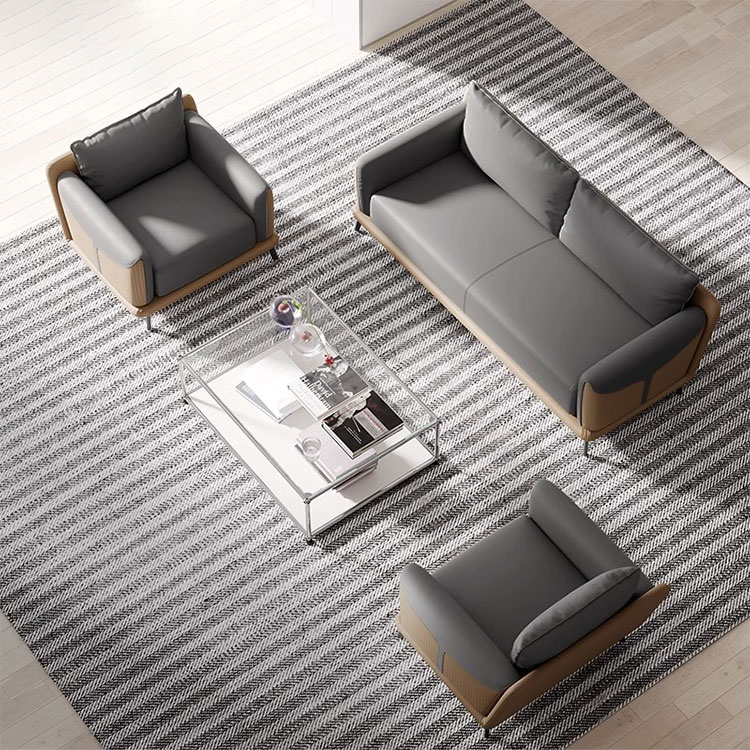
Upholstery significantly impacts the final cost. Commercial vinyl is easy to clean and highly durable. It works perfectly in healthcare or high-traffic industrial offices. Performance fabrics offer a softer feel while resisting stains and moisture. They cost more than basic fabrics but last much longer. Leather-match is a smart compromise. It uses genuine leather on seating surfaces and faux leather on the back and sides. This provides a premium look while controlling costs.
You must evaluate the maintenance requirements of each material. Light-colored fabrics require frequent professional cleaning. Darker vinyl simply needs a daily wipe-down. Factor these ongoing maintenance costs into your initial decision. A cheaper fabric that requires monthly steam cleaning will quickly exceed the cost of a premium, stain-resistant alternative.
| Material Type | Durability | Maintenance Level | Best Application |
|---|---|---|---|
| Commercial Vinyl | High | Low | Healthcare, High-Traffic Areas |
| Performance Fabric | High | Medium | Corporate Lobbies, Breakouts |
| Leather-Match | Medium | Medium | Executive Offices, Law Firms |
| Standard Fabric | Low | High | Low-Traffic Private Offices |
Frame materials determine structural integrity. Kiln-dried hardwood frames represent the gold standard. They resist warping and handle heavy loads. Engineered plywood is a cost-effective alternative that still offers decent strength. Metal frames provide industrial durability but can feel rigid. Foam density impacts both upfront cost and lifespan. High-density foam costs more initially but prevents the sofa from looking deflated after six months.
Do not ignore the suspension system. Sinuous springs offer excellent support and longevity. Webbing suspension costs less but may sag over time under heavy use. Ask your vendor specific questions about the internal construction. The exterior fabric might look great, but a weak frame will fail quickly in a commercial environment.
Modular seating carries an initial premium. You pay for finished sides and connecting hardware. However, it offers incredible long-term flexibility. You can reconfigure the layout as your team grows or the office layout changes. Fixed sofas are cheaper upfront but limit your future options. If you move to a new building, a fixed sofa might not fit the new floor plan. Analyzing these office sofa set price factors helps you balance immediate budget constraints with future adaptability.
Consider the lifecycle of your office space. Startups often benefit from modular systems. They can add pieces as they hire more staff. Established corporations with fixed floor plans might prefer the lower cost of fixed seating. Evaluate your company's growth projections before making a final decision.
Built-in power modules and USB ports increase the utility of reception seating. Visitors can charge their devices while waiting. Integrated side tables or privacy dividers add functionality. These features increase the unit cost. You must assess whether your specific environment requires them. In a busy transit lounge, power ports are essential. In a quiet dental waiting room, they might be unnecessary.
Wiring these integrated features requires planning. You need floor outlets positioned correctly under the seating. Retrofitting power to a space without floor boxes adds significant electrical contracting costs. Coordinate with your facilities team to ensure the infrastructure supports powered furniture before you order it.
Manufacturers often release budget-friendly "essentials" lines. These collections take inspiration from global trade-show design trends. They provide stylish, reliable options by limiting custom finishes. You get commercial quality without the custom price tag. Alternatively, consider high-grade recycled or refurbished commercial furniture. Liquidated inventory from large corporate moves yields deep budget cuts. This approach also provides environmental benefits by keeping usable furniture out of landfills.
When evaluating an office sofa for sale, inspect refurbished items carefully. Check for worn fabric, sagging cushions, and scratched frames. Reputable refurbishers will replace the foam and fabric while keeping the original heavy-duty frame. This gives you a virtually new product at a fraction of the cost.
Vetting your supplier protects your investment. Look for a proven track record with commercial projects. They should have transparent supply chains and robust post-sale support. Regional liquidation access is a bonus for finding deals. Avoid direct-to-consumer online retailers that focus on residential goods. Established contract furnishers understand commercial warranties, fire codes, and installation logistics.
Compare bids side-by-side to protect your budget. Look beyond the base unit price. Watch for hidden costs like lift-gate delivery fees and inside delivery surcharges. Assembly labor and packaging disposal can also inflate the final invoice. A transparent reception seating quotation itemizes all these elements. If a vendor provides a single lump sum, ask for a breakdown.
Freight costs fluctuate wildly based on fuel surcharges and delivery locations. Ensure the quote specifies whether delivery is to the loading dock or inside the suite. Inside delivery with debris removal costs more but saves your internal team hours of heavy lifting and trash disposal. Clarify these terms before signing the purchase agreement.
Compact loveseats fit perfectly in small waiting rooms and private executive offices. They have lower material costs and are cheaper to ship due to their smaller footprint. They avoid visual clutter in small workspace makeovers. A sleek two-seater with thin arms maximizes the seating area while minimizing the floor space used.
These units also offer easier relocation. Two people can easily move a compact loveseat during office cleanings or minor layout adjustments. Their versatility makes them a staple in modern office design. You can pair two loveseats facing each other to create an intimate meeting zone without taking up the space of a massive sectional.
Modular sectionals fit perfectly in open-plan collaborative zones. They work exceptionally well for dynamic startup environments. You can implement phased purchasing. Buy the core pieces now and add extensions in the next fiscal quarter. This spreads the capital expenditure over time while maintaining a cohesive look.
You can configure modular pieces into U-shapes, L-shapes, or long linear runs. This adaptability allows you to route foot traffic naturally through an open office. When teams need to collaborate, they can pull the sections together. When they need individual focus, the sections can be separated into distinct seating pods.
High-back sofas create semi-private meeting zones in open offices. You avoid building physical walls. The initial unit cost is higher than a standard sofa. However, it is significantly cheaper than architectural build-outs or purchasing standalone acoustic pods. They absorb sound and provide visual privacy for informal meetings.
These sofas often feature tall upholstered panels on the back and sides. Employees can hold quick brainstorming sessions without booking a formal conference room. The acoustic materials dampen ambient office noise, improving focus for the people sitting inside the unit and those working nearby.
Multipurpose reception areas benefit from storage-integrated seating. Sofas with built-in base drawers or cubbies eliminate the need for separate storage units. You do not need extra side shelves or cabinets. This keeps the area organized and reduces the overall furniture required for the room.
You can store magazines, company literature, or cleaning supplies directly under the seats. This maximizes the utility of the floor space. In a tiny reception area, combining seating and storage into one footprint is a highly efficient design strategy.
Pair your seating with low-cost accessories to create a premium impression. Minimalist floating shelves display company awards or literature. Affordable LED lighting highlights the seating area. Indoor plants add life and improve air quality. Accent rugs anchor the furniture and define the waiting zone. These small additions make a basic sofa look like part of a deliberate, high-end design scheme.
Lighting plays a massive role in how furniture looks. A cheap sofa under harsh fluorescent lights looks terrible. That same sofa under warm, indirect LED lighting looks sophisticated. Invest a small portion of your budget into floor lamps or wall sconces to dramatically improve the ambiance of the reception area.
Use accent walls to draw attention. Geometric paint patterns behind the sofa create a strong focal point. Custom-framed company graphics reinforce your brand identity. These inexpensive DIY touches elevate the entire room. They distract from the fact that the furniture itself was sourced on a strict budget.
Consider using removable wallpaper for a quick, high-impact upgrade. It costs very little and requires no specialized labor to install. You can change the pattern every few years to keep the reception area looking fresh and modern without buying new furniture.
Imported or custom-upholstered seating often suffers from project delays. Supply chain disruptions can leave your reception area empty for months. Mitigate this risk by prioritizing quick-ship programs. Domestic inventory is usually available within a few weeks. Always confirm lead times in writing before issuing a purchase order.
Build a buffer into your project timeline. If the vendor quotes six weeks, plan for eight. Have a contingency plan in place. You might need to rent temporary seating if the main order gets delayed at a port or manufacturing facility. Clear communication with your vendor helps manage these expectations.
Cheaper flat-pack or ready-to-assemble sofas save money on shipping. However, they rely on your team for proper assembly. Incorrect assembly compromises structural reliability. Pre-assembled commercial units are stronger and ready for immediate use. Evaluate whether the shipping savings outweigh the labor and risk of flat-pack furniture.
If you choose flat-pack options, hire professional installers. They have the right tools and experience to assemble the furniture correctly. A loose bolt or improperly aligned bracket will cause the sofa to fail prematurely. Professional assembly ensures the warranty remains valid and the furniture performs as expected.
Understand what the commercial warranty covers. It should explicitly protect the frame, foam, and fabric. Learn the process for claiming replacement parts. If a single cushion fails, you should be able to replace just that cushion. You want to avoid buying a completely new unit due to a minor failure.
Keep all purchase documentation, order numbers, and warranty certificates in a centralized digital folder. When a component breaks three years later, you will need this information to file a claim. Vendors require proof of purchase and specific model numbers to dispatch replacement parts.
Secure your floor plan measurements and mark all clearance zones before reviewing any vendor catalogs.
Finalize your material specifications based on the expected daily foot traffic in your specific facility.
Contact a qualified commercial furniture supplier to request a fully itemized quote including freight and installation.
Select modular or compact seating designs to ensure your furniture adapts to future office layout changes.
A: Typically 5-10 years depending on traffic, foam density, and fabric rub-count rating.
A: Commercial sofas require reinforced frames, fire-retardant high-density foam, and heavy-duty upholstery to withstand constant daily use, driving up manufacturing costs.
A: While possible, it is not recommended. Residential sofas lack the durability for high traffic, and using them commercially often voids the manufacturer's warranty.
A: Allow for at least 30-36 inches of clearance around the sofa for walkways, and ensure the seating capacity matches your average daily visitor volume without cluttering the room.
A: A complete quote should itemize the unit price, fabric grade upcharges, freight/shipping, inside delivery, installation labor, and applicable taxes to keep the project furniture budget accurate.
A: Modular units often have a slightly higher initial cost per seat due to finished sides and connecting hardware, but offer better long-term ROI through layout flexibility.
A: Focus on sleek, contemporary loveseats with thin arms, open legs that let light pass through, and integrated features like built-in side tables to maximize utility in a limited footprint.


