
Views: 0 Author: Site Editor Publish Time: 2026-07-29 Origin: Site


The reception area serves as the physical handshake of a business. Client perception is disproportionately anchored by the quality, condition, and style of the lobby furniture. Procurement teams and office managers must balance the need for high-end aesthetic appeal with the rigorous demands of high-traffic commercial environments. Wear, maintenance, and hygiene present daily challenges that require careful planning. This guide provides a technical evaluation framework for selecting a leather office sofa. We analyze material grades, spatial design requirements, and maintenance protocols to ensure a confident procurement decision. You will learn how to match upholstery types to visitor volume, configure layouts for optimal flow, and implement upkeep routines that extend furniture lifespan.
Tactile materials communicate unspoken messages to visiting stakeholders. Natural leather conveys stability, success, and permanence. When clients sit in a well-crafted reception area, they immediately form assumptions about the company. High-quality materials suggest attention to detail. Frayed or peeling synthetic fabrics signal neglect. Premium executive office furniture creates a halo effect. Visitors unconsciously associate the quality of the waiting environment with the quality of the services provided. A solid, comfortable seating arrangement lowers anxiety and builds immediate trust.
Facility managers often underestimate the physical toll a waiting room takes on furniture. People fidget, slide forward, and drop heavy bags onto cushions. The structural integrity of the seating must absorb this constant kinetic energy. A flimsy frame or low-density foam cushion degrades rapidly, leaving a sagging, unprofessional appearance. Investing in robust construction ensures the reception area maintains its authoritative presence year after year. The tactile feedback of thick, well-conditioned leather reinforces a narrative of corporate competence.
A successful furniture purchase relies on specific performance metrics. Visual impact must align with corporate branding. Physical durability must withstand daily use without structural failure. Ease of maintenance ensures the furniture remains hygienic and presentable. Ergonomic accessibility guarantees comfort for all body types. Establish baseline traffic expectations before selecting materials. A lobby receiving ten visitors daily requires different specifications than a medical facility seeing one hundred patients.
High-traffic zones demand maximum abrasion resistance. Low-traffic executive suites allow for softer, more delicate finishes. You must also consider the duration of the average wait time. A five-minute wait requires different ergonomic support than a forty-five-minute delay. Short waits favor firmer, upright seating that facilitates easy standing. Longer waits necessitate deeper cushions and better lumbar support to prevent discomfort.
Full-grain leather features an unaltered surface. It retains the natural hide texture and offers the highest durability. Over time, it develops a rich patina. Top-grain leather undergoes sanding to create a uniform appearance. Manufacturers apply protective topcoats to this grade. It resists stains effectively and serves as the optimal choice for most commercial applications. Natural leather often survives a ten-year replacement cycle. Synthetics typically fail much sooner under heavy commercial use.
When evaluating hides, inspect the thickness and the consistency of the dye. Full-grain hides show natural scars and variations, which add character but may not suit ultra-modern, uniform aesthetics. Top-grain hides provide that sleek, consistent look required by many corporate brands. The protective topcoat on top-grain leather acts as a barrier against body oils and minor spills. This makes it highly practical for reception areas where visitors might carry coffee or water.
| Leather Grade | Durability | Maintenance Need | Best Commercial Application |
|---|---|---|---|
| Full-Grain | Maximum | High (Conditioning) | Low-traffic executive suites |
| Top-Grain | High | Moderate | Standard corporate lobbies |
| High-Grade PU | Moderate | Low (Wipe clean) | Medical or ultra-high-traffic areas |
| Bonded Leather | Low | Low | Not recommended for commercial use |
Bonded leather presents significant structural weaknesses in commercial settings. It consists of leather scraps glued together with polyurethane. It carries high delamination and peeling risks under constant friction. High-grade polyurethane (PU) and silicone-based faux leathers offer viable alternatives. These materials resist liquid penetration and withstand harsh cleaning agents. They serve as excellent durable sofa upholstery for medical facilities or ultra-high-traffic lobbies requiring frequent sanitization.
Avoid PVC-based faux leathers in high-end environments. PVC tends to off-gas volatile organic compounds and feels rigid. Modern silicone-based synthetics replicate the soft hand of natural leather while providing superior chemical resistance. If your facility requires hospital-grade disinfectants, silicone synthetics outperform natural hides. Natural leather degrades quickly when exposed to alcohol or bleach-based wipes.
Pure aniline leather receives dye without surface pigments or protective coatings. It feels exceptionally soft and luxurious. However, it remains highly susceptible to fading and liquid stains. Public areas expose furniture to spills and sunlight. Semi-aniline or pigmented leathers provide the standard for commercial durability. They feature a light surface coating that ensures color consistency. This protective layer repels moisture and prevents rapid wear, making it ideal for busy reception environments.
Pigmented leather takes this a step further by applying a thicker polymer coating. This completely masks natural blemishes and provides maximum stain resistance. For a busy law firm or accounting office, semi-aniline strikes the perfect balance. It retains a natural feel while offering enough protection to survive daily use. Always request a physical swatch before ordering to test how the material reacts to scratching and bending.
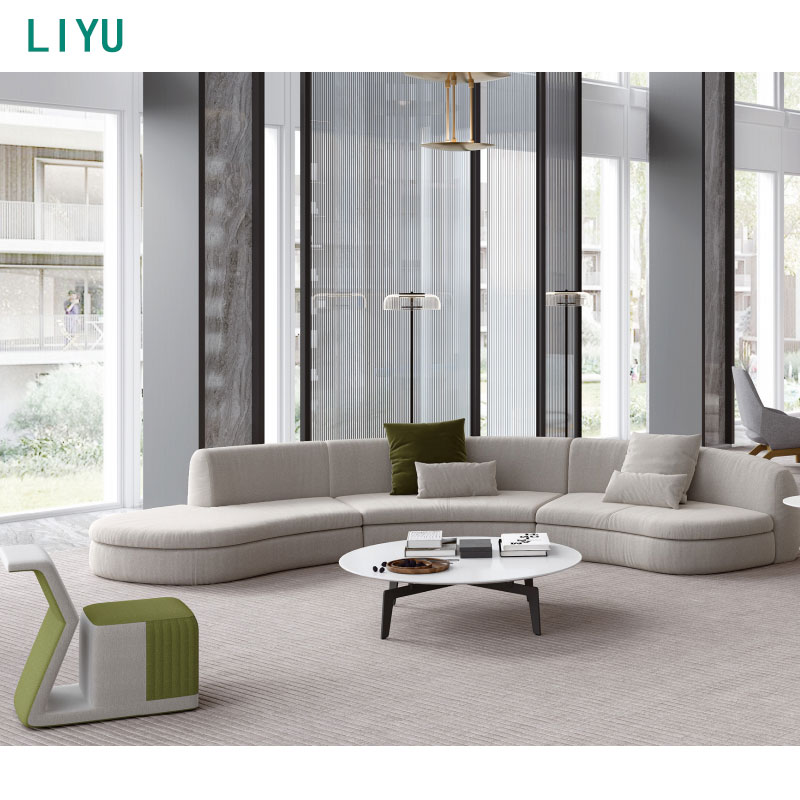
Modern minimalist designs feature clean lines and exposed metal frames. They maintain low profiles and often utilize stark black or crisp white luxury office seating. This aesthetic suits tech firms, creative agencies, and modern architecture practices. The visual impact is sharp and forward-thinking. Trade-offs exist regarding physical comfort. Low profiles offer minimal lower back support. They may not accommodate elderly clients or visitors enduring extended waiting periods.
When specifying minimalist furniture, pay close attention to the frame construction. Exposed metal legs must feature heavy-gauge steel or extruded aluminum to prevent bending. The cushions on minimalist sofas are typically thinner, requiring high-resiliency foam to prevent bottoming out. A sleek design fails if the client feels the hard frame beneath the cushion. Specify foam densities of at least 2.5 pounds per cubic foot for thin-profile seating.
Traditional designs incorporate Chesterfield styles, button tufting, and rolled arms. Brass nailhead trim often accents the frame. Law firms, financial institutions, and legacy consultancies favor this look. It projects authority and established history. These designs require substantial floor space. The deep tufting collects dust and debris easily. Maintenance staff must perform frequent vacuuming to keep the crevices clean and presentable.
The scale of traditional furniture demands large architectural volumes. A massive Chesterfield sofa looks absurd in a cramped, low-ceilinged waiting room. Ensure your lobby has the square footage to let these pieces breathe. The rolled arms also consume usable seating space. A ninety-inch traditional sofa might only offer sixty inches of actual seating width. Account for this discrepancy when calculating your lobby's capacity.
Transitional designs blend different eras. They feature mid-century modern legs and softened rectangular silhouettes. Warm wood accents pair with plush-grain textures. Co-working spaces and modern enterprise headquarters utilize this style. It balances professional aesthetics with welcoming comfort. The primary challenge involves finding the middle ground. Designers must source pieces that offer residential styling while meeting strict commercial durability requirements.
This style often incorporates modular elements. You might see a sofa paired with matching ottomans or integrated side tables. This flexibility allows facility managers to reconfigure the lobby for different events. When selecting transitional pieces, ensure the wood finishes on the legs match existing architectural millwork in the reception area. Clashing wood tones instantly degrade the perceived quality of the space.
The black leather office sofa remains the commercial standard for practical reasons. It hides denim dye transfer effectively. Dark colors mask minor scuffs and anchor brightly lit rooms. White or cream leather delivers high-end visual impact but suffers from rapid dye transfer. Warm cognac or tan earth tones communicate warmth and establish a beautiful natural patina over time. To prevent dark furniture from overwhelming small reception areas, choose models with elevated legs. Pair heavy seating with low-profile glass tables to maintain visual lightness.
Lighting plays a massive role in color perception. A dark sofa in a poorly lit room creates a black hole effect, absorbing all ambient light. If you specify dark upholstery, ensure the lighting design includes dedicated spotlights or ample natural daylight. Conversely, light-colored leathers require strict maintenance protocols. Denim dye transfer from jeans will permanently stain white leather if not cleaned weekly with specialized solutions.
Architectural clearances dictate lobby functionality. Maintain a minimum of 30 to 36 inches of walkway space around any seating arrangement. Leave exactly 18 inches between the sofa seat edge and a coffee table. This allows adequate legroom while keeping reading materials accessible. Strategic placement relative to the reception desk matters. Avoid awkward sightlines where visitors stare directly at the receptionist's computer monitor. Angle seating to face windows or architectural focal points.
Wheelchair accessibility requires strict adherence to ADA guidelines. Ensure main circulation paths measure at least 44 inches wide. Do not place heavy sofas in a way that creates dead ends or tight bottlenecks. The flow from the front door to the reception desk, and then to the seating area, must remain intuitive and unobstructed. Tape out the dimensions on the floor before finalizing the purchase to verify the spatial dynamics.
Implementing the right configuration strategy maximizes space utility. We assess three distinct approaches for commercial lobbies.
When executing the Formal Anchored Layout, ensure the armchairs share a similar seat height with the sofa. Mismatched seat heights create an awkward dynamic where one visitor sits noticeably lower than another. The Open Flow Layout works exceptionally well in narrow elevator lobbies. Backless benches provide short-term resting spots without blocking the visual flow of the room.
Waiting rooms operate under the stranger dynamic. A standard three-seater sofa rarely accommodates three people. Typically, only two unacquainted clients will share it, leaving the middle seat empty. Planners must account for this behavioral reality. Recommend modular seating or pair a two-seater sofa with individual accent chairs. This approach maximizes actual usable seating capacity and respects personal space boundaries.
If you must use long sofas, consider designs with distinct seat cushions rather than a single bench cushion. Visual dividers, like seams or separate cushions, subconsciously give users permission to claim a specific zone. Adding small drinks tables between individual chairs completely eliminates the stranger dynamic, providing everyone with their own defined territory.
Short-term commercial seating requires specific ergonomic parameters. The ideal seat height ranges from 17 to 19 inches from the floor. Foam density must exceed residential standards. Specify firmer foam density at 2.0 pounds per cubic foot or higher. Firm seating prevents clients from sinking too deeply. It helps visitors, especially those with limited mobility, stand up easily from a seated position.
Seat depth also impacts comfort. A depth of 20 to 22 inches accommodates most adults comfortably. Deeper seats force shorter individuals to slouch or sit without back support. Armrests provide crucial leverage for standing. Ensure the armrests feature flat, stable surfaces rather than heavily sloped or overly plush designs. The structural frame beneath the armrest must support the full body weight of a person pushing themselves up.
Consistent maintenance prevents premature material failure. Outline a strict cleaning schedule for the janitorial team. Require daily dusting with microfiber cloths. Mandate weekly vacuuming of all crevices and tufting. Implement immediate spill remediation protocols. Highlight the severe risk of using standard commercial janitorial supplies. Alcohol-based cleaners strip natural oils from hides. Bleach destroys synthetic topcoats. Supply staff with pH-balanced, material-specific cleaning agents.
Train your facility staff to recognize the signs of leather dehydration. When the material starts to look chalky or feels stiff, it requires immediate conditioning. Create a dedicated storage bin for leather care products to prevent staff from grabbing generic glass cleaner or all-purpose sprays. A single application of a harsh degreaser can permanently ruin the finish of a premium top-grain hide.
Environmental factors accelerate wear. Large lobby windows expose furniture to damaging UV rays. Sunlight causes fading and dries out natural materials. Proximity to HVAC vents blasts forced dry air directly onto the upholstery, leading to severe cracking. Mitigate these risks proactively. Install UV-blocking window films. Adjust layout plans to keep seating away from direct air registers. Schedule bi-annual professional leather conditioning to restore moisture and flexibility to the hides.
Monitor the humidity levels in your reception area. Leather performs best in environments with 40 to 50 percent relative humidity. Winter heating systems often drop indoor humidity below 20 percent, accelerating the drying process. If your building suffers from extreme dry air, increase the frequency of your conditioning treatments from bi-annual to quarterly. Rotate the furniture periodically if one side receives significantly more sunlight than the other.
A: A high-quality top-grain or full-grain leather sofa can last 7 to 10 years in a standard corporate lobby with proper maintenance. High-traffic areas may reduce this lifespan to 5 years. Synthetic materials typically require replacement every 3 to 5 years.
A: No. Standard disinfectant wipes contain alcohol and harsh chemicals that strip natural oils from genuine leather and degrade the protective coatings on synthetic materials. Use only pH-balanced cleaners designed specifically for upholstery.
A: The stranger dynamic dictates that unacquainted individuals prefer to maintain personal space boundaries. In public waiting areas, people naturally leave an empty seat between themselves and a stranger to avoid awkward physical proximity.
A: While black is the commercial standard due to its ability to hide stains and dye transfer, it is not the only option. Warm cognacs, navy blues, and deep greens are excellent alternatives that provide a professional aesthetic while hiding minor wear.
A: Cracking occurs due to moisture loss. Keep furniture away from direct sunlight and HVAC vents. Implement a bi-annual conditioning schedule using professional-grade leather creams to restore essential oils and maintain material flexibility.
A: Commercial seating requires high-resiliency foam with a density of at least 2.0 to 2.5 pounds per cubic foot. This prevents the cushions from bottoming out and provides the necessary firmness to help visitors stand up easily.


