
Views: 0 Author: Site Editor Publish Time: 2026-07-17 Origin: Site


High-end ergonomic office chairs represent significant capital investments for any workspace. Daily use introduces biological contaminants, abrasive dust, and mechanical wear that quickly degrade both the chair's lifespan and workplace hygiene. Understanding exactly how to clean office chair materials correctly is essential to protect this investment. Applying a universal cleaning approach to complex ergonomic seating often results in irreversible damage. Solvents that sanitize fabric can strip leather of its natural oils. Heat treatments intended to refresh upholstery can permanently destroy the elastomeric tension in mesh backrests.
Protecting your seating requires a systematic approach to maintenance. This guide breaks down material-specific cleaning protocols, mechanical hardware upkeep, and risk-mitigation strategies. You will learn exact methods to safely handle mesh, leather, and fabric, alongside structural checks for both new and second-hand chairs.
The primary goal of cleaning goes far beyond aesthetic restoration. Proper ergonomic chair maintenance extends the functional lifespan of the seating. Removing abrasive dust from moving parts prevents premature mechanical failure. Conditioning leather prevents cracking that would otherwise require complete seat replacement. Effective maintenance preserves the specific ergonomic features you originally paid for. When dirt accumulates in the tilt mechanism or the lumbar support tracks, the chair loses its ability to adjust smoothly. This forces users into poor postures, negating the health benefits of the ergonomic design. Regular upkeep ensures that the tension springs, recline locks, and seat sliders operate with the same precision as they did on day one.
Furthermore, the financial aspect of maintaining these assets cannot be ignored. High-quality seating is designed to last over a decade if properly cared for. Neglecting basic cleaning protocols accelerates the degradation of foam density and fabric integrity. By implementing a scheduled maintenance routine, you avoid the premature replacement of expensive components. This approach maximizes the utility of the chair and ensures that the ergonomic support remains consistent throughout its lifecycle.
Using unapproved aftermarket chemical cleaners or abrasive tools carries significant risks. Many premium seating manufacturers will immediately void warranties if improper cleaning agents degrade the materials. Always consult the specific care tags located under the seat pan. Sticking to approved, mild solutions ensures you remain fully covered under the manufacturer's guarantee. Manufacturers test their fabrics and meshes against specific pH levels and chemical compounds. Deviating from these guidelines can cause immediate structural failure, such as the delamination of fabric backings or the melting of synthetic mesh fibers.
When a warranty claim is submitted for a sagging mesh seat or a seized gas cylinder, technicians inspect the components for signs of chemical damage or improper lubrication. If they find traces of harsh solvents or incorrect oils, the claim is denied. Documenting your cleaning process and using only manufacturer-recommended products protects your investment. It guarantees that any genuine manufacturing defects will be honored without dispute over maintenance practices.
Office chairs accumulate dead skin, dust mites, and sweat over time. These contaminants directly impact indoor air quality and user health. Addressing this buildup is a critical evaluation factor for remote workers and office managers alike. Thoroughly sanitizing the chair prevents allergens from circulating in your workspace environment. Every time a user sits down, the compression of the seat cushion forces trapped air and particulates out into the surrounding breathing zone. If the chair is heavily soiled, this creates a localized cloud of allergens.
Regular vacuuming and targeted sanitization neutralize these biological contaminants. This is particularly important in shared workspaces or when purchasing second-hand seating. A chair that looks clean on the surface may still harbor significant bacterial loads deep within the foam padding. Implementing a rigorous cleaning protocol ensures that the seating remains a safe, hygienic component of the work environment, rather than a source of respiratory irritation.
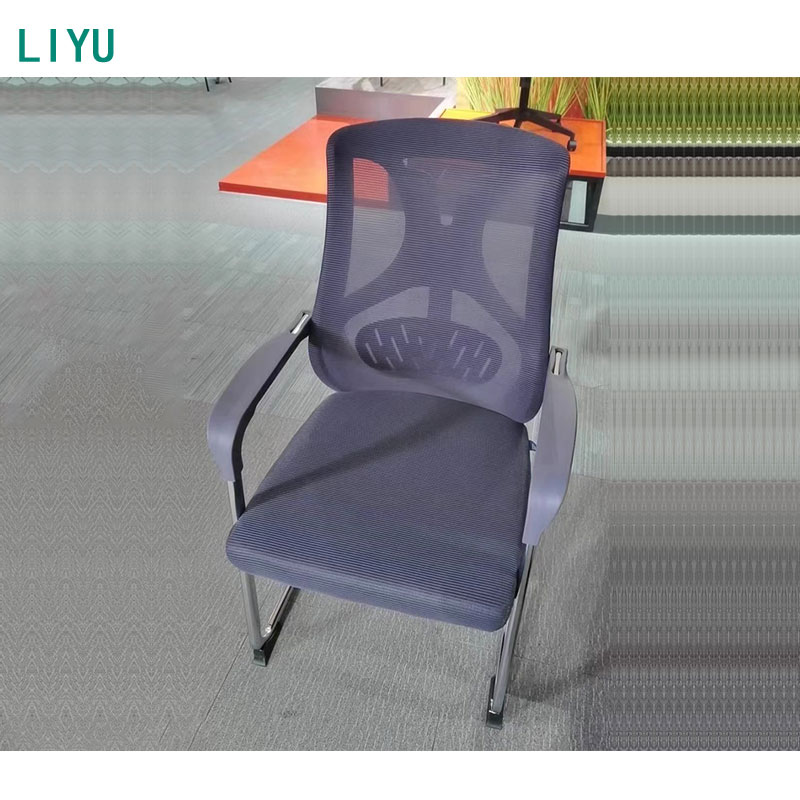
Mesh offers superior breathability but naturally traps fine dust and lint within its woven structure. High heat from steam cleaners weakens the mesh fibers. This causes irreversible sagging and a complete loss of ergonomic support. The elastomeric threads used in premium mesh chairs are highly sensitive to temperature and harsh chemicals. When exposed to steam, the polymers lose their memory, resulting in a seat pan that bottoms out against the hard plastic frame beneath it.
To safely maintain mesh seating, you must rely on mechanical agitation and mild surfactants rather than heat or aggressive solvents. The goal is to lift the particulate matter out of the weave without stressing the individual threads. This requires a methodical approach using the right tools and cleaning agents.
Leather provides excellent durability and spill resistance. However, it requires strict moisture management to prevent cracking and peeling. Using alkaline cleaners, baking soda, or dyed cloths can cause chemical burns, micro-abrasions, or permanent dye transfer on light-colored leather. Natural leather is a porous material that relies on specific oils to remain supple. When these oils are stripped away by harsh detergents, the leather dries out, shrinks, and eventually tears along the stress points of the seat and backrest.
Faux leather, or polyurethane (PU) leather, presents different challenges. While it does not require the same natural oil replenishment, it is highly susceptible to delamination if exposed to alcohol-based cleaners or excessive moisture. The top color layer can separate from the fabric backing, leading to unsightly peeling that cannot be repaired.
| Material Type | Safe Cleaning Agents | Agents to Avoid | Maintenance Frequency |
|---|---|---|---|
| Top-Grain Leather | pH-balanced leather cleaner, distilled water | Alkaline soaps, alcohol, bleach | Condition every 3-6 months |
| PU/Faux Leather | Mild dish soap (diluted), damp cloth | Leather conditioners, harsh solvents | Wipe down weekly |
| Bonded Leather | Slightly damp microfiber cloth | Excessive water, abrasive pads | Wipe down bi-weekly |
The cleaning protocol for leather involves careful surface preparation followed by targeted treatment. Wipe down the chair with a slightly damp, neutral-colored microfiber cloth to remove surface dust. Apply a dedicated pH-balanced leather cleaner for organic stains and body oils. Work the cleaner into the leather using a soft-bristled brush, then wipe away the suspended dirt. Follow up with a high-quality leather conditioner to restore suppleness and create a protective barrier against future wear. Allow the conditioner to absorb for several hours before buffing off the excess.
Fabric offers high comfort and color variety but remains highly susceptible to liquid absorption and deep-stain setting. Over-saturating the foam padding beneath the fabric leads to mold growth, musty odors, and rapid cushion degradation. When liquids penetrate the top layer of fabric, they pool in the high-density foam below. Because the foam is encased in plastic or wood on the underside, the moisture has nowhere to evaporate, creating an ideal environment for bacterial growth.
Before applying any liquid to a fabric chair, you must identify the manufacturer's care code. This code dictates exactly what types of cleaning agents are safe to use. Ignoring these codes often results in water rings, color bleeding, or the complete destruction of the fabric's texture.
For routine maintenance, use dry baking soda to absorb surface odors. Sprinkle a generous layer over the seat, let it sit for 20 minutes, then vacuum thoroughly. For deep cleaning on Code W fabrics, apply a dedicated fabric-safe shampoo or professional carpet and upholstery cleaner using a gentle blotting motion, never rubbing. Ensure the drying process takes place in a highly ventilated room to accelerate moisture evaporation and prevent interior rot. Using a wet/dry vacuum to extract as much moisture as possible significantly reduces drying time and prevents watermarks.
Dirty casters degrade floor surfaces and impede smooth movement. This resistance alters the user's ergonomic posture as they strain to move the chair. Proper chair hardware care requires manual intervention. The wheels act as a magnet for hair, carpet fibers, and dust. Over time, this debris wraps tightly around the internal axles, locking the wheels in place. When the wheels stop spinning, they drag across the floor, causing deep scratches in hardwood and wearing down carpet fibers.
To restore proper function, flip the chair over and inspect each caster. Use tweezers or a specialized hook tool to manually remove hair and debris from the wheel axles. If the casters are heavily jammed, you may need to pop them out of the base and disassemble them for a thorough cleaning. Wipe down the five-star wheelbase with a mild degreaser to remove scuff marks and accumulated grime. Avoid using heavy oils on the casters, as this will only attract more dirt. If lubrication is necessary, use a dry graphite spray.
A sinking chair is frequently misdiagnosed as a broken cylinder. Often, it is simply dirt interfering with the release mechanism. Perform a routine gas lift inspection by wiping the exposed pneumatic cylinder clean of dust and old grease. The actuator button at the top of the cylinder can become jammed with debris, causing it to remain partially depressed. This allows the pressurized gas to escape slowly, resulting in the chair sinking throughout the day.
Clean the top of the cylinder thoroughly using a degreaser and a stiff brush. Check the set screw on the tilt mechanism that presses against the actuator button; sometimes it requires a slight adjustment to prevent unintended engagement. If the cylinder squeaks during rotation, apply a targeted PTFE or silicone lubricant to the bearing at the base of the lift. Avoid penetrating oils like WD-40, which can quickly degrade the rubber seals inside the gas lift, causing a permanent failure of the pneumatic system.
The physical agitation of deep cleaning can easily loosen structural bolts. Post-cleaning, perform a routine check of your office chair assembly points. The constant shifting of weight, combined with the vibrations from rolling, causes screws to back out over time. A loose armrest or a wobbly backrest not only compromises the ergonomic support but also poses a significant safety hazard.
Use the appropriate hex keys or screwdrivers to tighten armrest bolts, backrest mounts, and tilt-mechanism screws. Pay special attention to the bolts connecting the seat pan to the heavy metal mechanism below. If these bolts shear off due to being loose, the chair will collapse. Applying a small drop of blue threadlocker to problematic screws can prevent them from vibrating loose in the future. This ensures the chair remains structurally sound, properly aligned, and safe for daily use.
Buying a discounted, high-tier used chair requires weighing financial savings against hygiene risks. Surface wiping is rarely enough for second-hand seating. Premium chairs like the Herman Miller Aeron or Steelcase Leap v2 are built to last, making them popular on the used market. However, you inherit the previous owner's biological footprint. Use a low-moisture upholstery extraction machine paired with an EPA-approved, fabric-safe disinfectant. This neutralizes bacteria and allergens trapped deep within the foam without causing fabric separation.
When evaluating a used chair, inspect the foam density and the fabric tension. If the foam has collapsed or the fabric is heavily stained with oils, deep cleaning may not be sufficient. For heavily soiled second-hand chairs, factor in the cost of professional hot-water extraction cleaning or purchasing OEM replacement seat pans and backrests. Sometimes, replacing the heavily soiled components is more cost-effective and hygienic than attempting multiple rounds of aggressive chemical extraction.
For a single home office chair, DIY spot-cleaning is highly cost-effective and manageable. Using standard household tools and mild detergents, you can maintain the chair's appearance and hygiene. However, for enterprise environments or heavily stained executive chairs, professional extraction is usually required. Professional services utilize high-powered extraction machines that pull dirt and moisture from the deepest layers of the foam, something standard wet/dry vacuums cannot achieve.
Professional cleaners also have access to specialized enzymes and solvents that can break down complex stains like ink or coffee without damaging the fabric. They ensure deep sanitization without the risk of water damage, mold growth, or voiding complex manufacturer warranties. When managing a fleet of office chairs, contracting a professional service annually extends the lifespan of the entire inventory, providing a solid return on the maintenance investment.
Safely maintaining your seating requires strict adherence to material-specific protocols and mechanical checks. Mesh demands low-heat and low-abrasion care to preserve its tension. Leather requires pH-balanced conditioning to prevent cracking. Fabric relies on strict adherence to manufacturer care codes to avoid water damage and mold. By combining surface cleaning with thorough hardware inspections, you protect the ergonomic functionality and extend the lifespan of the chair.
A: Vacuuming and surface wipe-downs should occur bi-weekly. Deep cleaning of upholstery and chair hardware care, including caster cleaning and fastener checks, should be performed every six months to ensure optimal performance and hygiene.
A: No. Unless explicitly stated by the manufacturer, the high heat from steam cleaners can melt or permanently weaken the elastomeric threads in the mesh, causing the seat to sag and lose its ergonomic support.
A: Sprinkle a generous layer of dry baking soda over the fabric seat, let it sit for 15 to 30 minutes to absorb moisture and odors, and then thoroughly vacuum it using an upholstery attachment.
A: A sinking chair usually indicates a failing pneumatic cylinder. However, before replacing it, perform a gas lift inspection and clean the top of the cylinder; debris can sometimes press against the release button, causing unintended sinking.
A: Yes, for most mesh and water-safe (Code W) fabrics. Mix a few drops of mild dish soap or liquid fabric softener with warm water (roughly a 1:16 ratio) to create a gentle, fibers-safe cleaning solution. Always spot-test first.
A: Vacuum all surfaces to remove loose debris, wipe hard plastics and armrests with a 70% isopropyl alcohol wipe, and use a specialized, low-moisture upholstery sanitizer appropriate for the material. Ensure the chair dries completely before use.


