
Views: 0 Author: Site Editor Publish Time: 2026-07-14 Origin: Site


Selecting the right seating for an executive suite requires balancing visual authority with structural longevity. A white leather office chair immediately establishes a high-end aesthetic, contrasting starkly with traditional dark furniture to create a bright, commanding focal point. However, this design choice introduces practical anxieties regarding maintenance, daily wear, and material degradation. Decision-makers frequently compromise ergonomic performance for sleek silhouettes or underestimate the lifecycle challenges associated with low-grade upholstery in high-use environments.
This guide provides an evidence-based framework for evaluating material grades, ergonomic capabilities, spatial scale, and maintenance requirements. You will learn how to navigate the complexities of white upholstery, ensuring the selected seating aligns with both physical health needs and rigorous architectural standards. By prioritizing material integrity and mechanical support, you can secure an executive chair that maintains its pristine appearance and functional superiority over time.
Executive seating functions as a critical visual anchor in client-facing environments. The furniture must communicate corporate identity without uttering a single word. A well-chosen chair reinforces a culture of transparency, modernity, and precision. Integrating a stark white centerpiece into a branded workplace design requires careful coordination with surrounding textures, lighting, and spatial geometry. The chair acts as a physical manifestation of the company's standards, making its structural integrity just as important as its silhouette. When clients enter the room, the seating arrangement sets the immediate tone for negotiations and collaborative discussions.
Color profoundly impacts spatial perception and user psychology. The choice of office chair upholstery color dictates how large or small a room feels. White furniture inherently reflects light, making compact executive suites appear more expansive and inviting. It conveys an uncompromising standard of cleanliness and organization. In modern minimalist aesthetics, a white chair provides a necessary visual break from heavy wood veneers or dark metal accents, establishing a calm, focused atmosphere conducive to high-level decision-making. We consistently see lighter tones reducing visual clutter in dense architectural layouts.
Architects and interior planners often face a classic trade-off between iconic designer silhouettes and highly supportive modern office seating. Thin-profile mid-century classics look spectacular in architectural renderings but frequently lack the kinematic support required for eight-hour workdays. Overcoming this dilemma requires sourcing manufacturers who conceal advanced ergonomic mechanisms within streamlined frames. The goal is to achieve the visual weightlessness of a designer piece without sacrificing the dynamic spinal support necessary for executive health.
Evaluating an executive chair requires looking beyond the immediate visual impact. Success hinges on long-term lifecycle durability, user health outcomes, and comprehensive commercial warranty coverage. A chair that looks stunning on day one but degrades structurally or aesthetically within a year represents a failure in procurement. Establish strict criteria for material performance, mechanical reliability, and ease of maintenance before finalizing any selection.
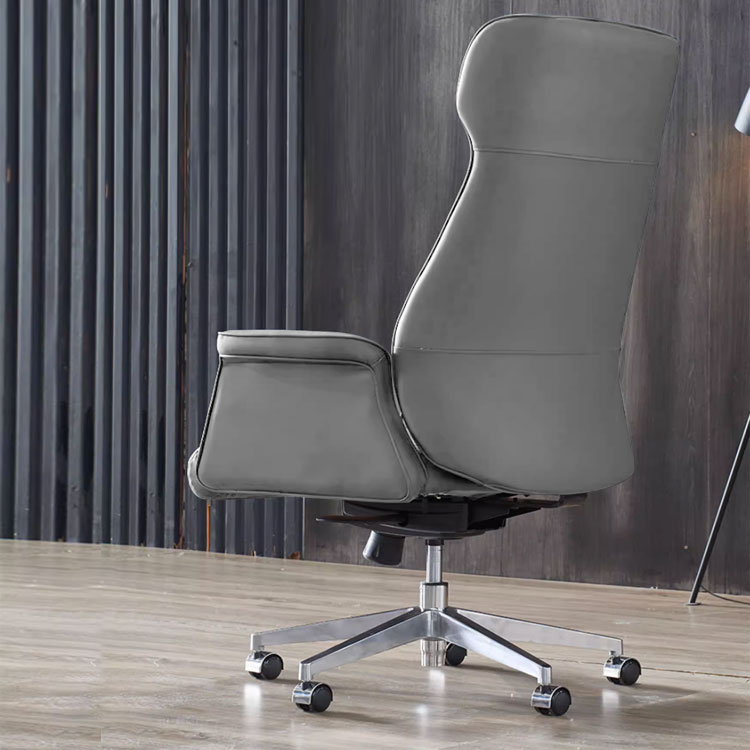
Genuine leather remains the gold standard for executive seating due to its natural elasticity and resistance to tearing under daily use. Top-grain leather is sanded to remove imperfections and embossed with a uniform texture, offering excellent breathability and a supple hand feel. When evaluating white hides, pay close attention to the pigmentation process. Semi-aniline and fully pigmented leathers receive a protective polymer surface coating. This coating is necessary for white upholstery, as it provides a barrier against spills and friction while maintaining the hide's structural integrity.
Premium polyurethane (PU) and modern silicone leathers present highly viable alternatives for high-traffic environments. These synthetic options offer consistent color matching, which is vital when outfitting a room with multiple chairs. Silicone-based upholstery provides inherent chemical stain resistance and requires significantly lower maintenance overhead compared to natural hides. They do not require conditioning and can withstand rigorous cleaning protocols, making them ideal for spaces where pristine aesthetics must be maintained with minimal effort.
Bonded leather consists of shredded leather scraps mixed with polyurethane binders and applied to a paper or fabric backing. While it offers an attractive initial price point, it is highly susceptible to flaking, cracking, and rapid degradation under daily use. In an executive application, the friction from constant sitting and standing causes the thin top layer to delaminate. Budget bonded options inevitably lead to rapid replacement cycles, completely undermining the initial aesthetic intent of the workspace.
| Material Type | Durability | Breathability | Maintenance Level | Best Application |
|---|---|---|---|---|
| Top-Grain Leather | High | Excellent | Moderate (Requires conditioning) | Primary executive seating |
| Premium PU / Silicone | High | Moderate | Low (Wipe clean) | High-traffic conference rooms |
| Bonded Leather | Low | Poor | High (Prone to peeling) | Not recommended for commercial use |
Static plushness does not equate to ergonomic support. True executive seating requires synchronous tilt mechanisms that support spinal alignment during both intensive task work and relaxed reclining. The chair must move naturally with the user, opening the hip angle and reducing pressure on the lumbar discs. Evaluate the tension control and tilt-lock features to ensure the chair can accommodate different working postures throughout the day without requiring manual readjustment.
Matching the user's height to the backrest profile is critical for proper neck and thoracic support. Taller executives require high-back designs to prevent the shoulder blades from resting uncomfortably on the chair's top edge. Conversely, selecting a high-back option for a smaller desk can overwhelm the room's visual lines. Mid-back options often suit open-concept modern workspaces better, maintaining clear sightlines while still providing adequate mid-spine support.
A premium chair must adapt to the user's specific biomechanics. Seat height and depth adjustments are mandatory to accommodate varying femur lengths and maintain proper lower extremity circulation. Look for adjustable lumbar support that controls both height and tension, ideally concealed within a modern silhouette to preserve the chair's clean lines. Armrest articulation, whether 3D or 4D, prevents shoulder and neck strain by allowing the user to position their arms perfectly level with the desk surface.
Never assume structural integrity based purely on visual bulk. Verify BIFMA compliance and specific weight ratings. A robust weight capacity ensures the longevity of the pneumatic cylinder and the stability of the five-star base. Chairs rated for heavy-duty commercial use will maintain their mechanical fluidity and structural safety far longer than standard residential-grade seating.
The hardware supporting the upholstery significantly influences the overall aesthetic. Polished aluminum bases offer a classic executive appeal that catches the light and complements modern technology on the desk. Alternatively, a matte black powder coat provides high-contrast modernism, grounding the white upholstery. When specifying a custom office chair finish, consider white-on-white monochromatic builds. You must assess the durability of white powder-coated frames against scuffs, shoe marks, and chipped paint, ensuring the finish is baked on for commercial durability.
Casters dictate how the chair interacts with the architectural environment. Specifying the correct wheel material prevents floor damage and ensures smooth mobility. Soft polyurethane casters are mandatory for hardwood, tile, or concrete floors, as they provide grip and prevent scratching. Hard nylon casters are designed specifically for carpeted executive suites, allowing the chair to roll freely without bogging down in the fibers.
Self-assembling white seating introduces severe risks to the upholstery. Hydraulic cylinders and mechanical tilt boxes are heavily lubricated at the factory. Handling these components and then touching pristine white leather often results in permanent grease transfer. Furthermore, using sharp tools near tense upholstery increases the risk of accidental punctures or alignment errors that compromise the chair's structural geometry.
Professional assembly and placement are critical to ensuring the chair arrives in an unblemished state. White-glove delivery services utilize trained technicians who assemble the chair off-site or in a controlled staging area using clean gloves and proper torque tools. This service eliminates the risk of staining during setup and ensures all pneumatic and mechanical features are tested and fully operational before the executive takes a seat.
Never commit to a fleet of executive chairs based solely on digital renderings. Utilize commercial showroom visits or negotiate trial periods to test comfort, adjustability, and aesthetic compatibility in the actual workspace. Physical testing reveals how the chair interacts with the specific desk height and whether the seat foam density provides adequate support for extended durations.
The most significant threat to white upholstery is dye transfer, particularly from indigo denim. The friction of sitting causes the dye to migrate from the fabric into the pores of the leather or the texture of the synthetic material. Proactive prevention strategies include applying a high-quality leather protector upon delivery and establishing a strict weekly wipe-down routine to remove surface dyes before they permanently bond with the upholstery.
Sunlit executive corner offices expose furniture to intense ultraviolet radiation. UV exposure causes lower-quality polyurethanes to yellow and natural leathers to dry out and fade. Mitigate this risk by selecting UV-stabilized synthetic leathers or heavily pigmented genuine hides. Additionally, integrate appropriate window treatments, such as solar shades, to protect the furniture during peak sunlight hours.
Routine maintenance schedules differ drastically between genuine and synthetic materials. Genuine leather requires periodic conditioning to maintain its natural oils and prevent cracking. Synthetic leathers demand frequent dusting and wiping with a damp cloth. Always identify and utilize safe, pH-balanced cleaning agents. Harsh chemicals, bleach, or abrasive sponges will strip the protective topcoats, leaving the white surface porous and highly susceptible to permanent staining.
| Task | Frequency | Method / Product |
|---|---|---|
| Dusting | Weekly | Dry microfiber cloth |
| Surface Wipe | Bi-weekly | Damp cloth with mild pH-balanced soap |
| Deep Conditioning | Every 3-6 Months | Commercial leather conditioner (Genuine leather only) |
| Dye Transfer Removal | Immediate | Dedicated leather-safe solvent |
A: It requires consistent maintenance rather than difficult labor. Synthetic leather needs daily or weekly wiping with a damp cloth to prevent dirt buildup. Genuine leather requires specific pH-balanced cleaners and regular conditioning. The main challenge is preventing dye transfer from clothing, which must be addressed immediately before it sets.
A: Lifespan depends entirely on material quality. A chair upholstered in genuine top-grain leather or premium silicone can last 10 to 15 years with proper conditioning. Conversely, bonded leather chairs typically begin peeling and failing within 1 to 3 years of daily commercial use.
A: Genuine leather offers superior breathability and adapts to body temperature, but requires careful conditioning. Faux leather is highly resistant to spills and easier to wipe clean, though it lacks the natural elasticity of real hide. White pigmentation on genuine leather adds a protective layer that slightly reduces breathability but enhances stain resistance.
A: Yes, but time is critical. Dye transfer must be treated immediately with a dedicated leather-safe solvent or cleaner. If the indigo dye is left to sit and penetrate the protective topcoat or the pores of the leather, the stain can become permanent, requiring professional redyeing.
A: Lower-quality polyurethanes and unprotected genuine leathers are susceptible to UV degradation, which causes yellowing. Selecting UV-stabilized materials, applying protective conditioners, and managing direct sunlight exposure in the office will prevent this discoloration.
A: Choose based on user height and room scale. High-back chairs provide necessary upper thoracic and head support for taller users and anchor large executive desks. Mid-back chairs are better suited for shorter users and maintain open sightlines in smaller or collaborative workspaces.
A: An ergonomic chair features dynamic mechanical support, not just thick padding. Essential features include a synchronous tilt mechanism that keeps feet flat while reclining, adjustable lumbar support for the lower spine, adjustable seat depth, and multi-directional armrests to prevent shoulder strain.


