
Views: 0 Author: Site Editor Publish Time: 2026-07-20 Origin: Site


Executive workspaces have shifted away from sterile, uniform environments. Professionals now demand curated, design-forward interiors that prioritize both visual appeal and human performance. Decision-makers frequently struggle to balance the ergonomic requirements of prolonged sitting with the desire for elevated design. Many assume they must choose between a highly adjustable, clinical-looking black mesh chair and a stylish but unsupportive executive lounger. This false dichotomy limits workspace potential and forces compromises on physical health.
A noticeable residential shift is currently driving office design. Professionals want warmth in their executive spaces. The trend influences cozy at-home offices and sophisticated studies that actively reject the traditional, cold corporate aesthetic. Finding the right office chair brown solves this design challenge. It establishes a framework for evaluating seating that satisfies rigorous ergonomic standards while aligning with modern interior palettes. A well-chosen brown chair delivers a proven return on investment through durability, body contouring, and timeless style.
Default black seating often fails to meet the design criteria of contemporary workspaces. Black chairs can feel visually heavy and introduce a clinical, utilitarian vibe that clashes with curated interiors. Modern professionals expect their environments to reflect personal style and professional stature simultaneously. Standard black mesh or leather options rarely achieve this nuanced balance, especially in spaces designed to foster creativity and open communication. When you walk into a room dominated by black furniture, the eye naturally stops at the darkest points, making the space feel smaller and more rigid.
Brown introduces warmth, richness, and sophistication to a room. It grounds the space naturally. Brown seating signals authority without the visual heaviness of standard black chairs. The psychological impact of earthy tones promotes focus and calm. These colors make large executive suites feel more inviting and transform standard desk setups into refined focal points. We see this constantly in high-end architectural fit-outs. A rich walnut or camel tone immediately softens the harsh lines of glass partitions and metal desk frames, creating a more approachable atmosphere for meetings and deep work.
Designers frequently face the dilemma of choosing between camel brown and black. Masculine home offices and cozy residential studies require careful color balancing. Camel offers a light, energetic feel that contrasts beautifully with dark walls and rich wood tones. Black carries traditional gravity but can easily overpower a small room. Brown strikes the perfect middle ground. It allows you to layer textures and colors without creating a visually overwhelming environment. You can pair a cognac chair with a navy accent wall or a neutral beige rug, and it will anchor the room perfectly.
Integrating brown seating into a branded workplace design bridges the gap between residential comfort and corporate professionalism. Interior designers use these tones to reinforce brand identity. A cohesive environmental design relies on thoughtful color choices. Brown seating communicates stability, approachability, and premium quality to clients and employees alike. When a company wants to project an image of established trust combined with modern forward-thinking, earthy leather tones are the go-to specification for boardroom and executive seating.
The shift toward warmer tones also reflects a broader change in how we view work. The office is no longer just a place for heads-down task execution. It is a space for collaboration, negotiation, and strategic thinking. The furniture must support these varied activities. A chair that looks like it belongs in a comfortable study encourages a more relaxed, open posture, which in turn facilitates better conversations and a more positive working environment.
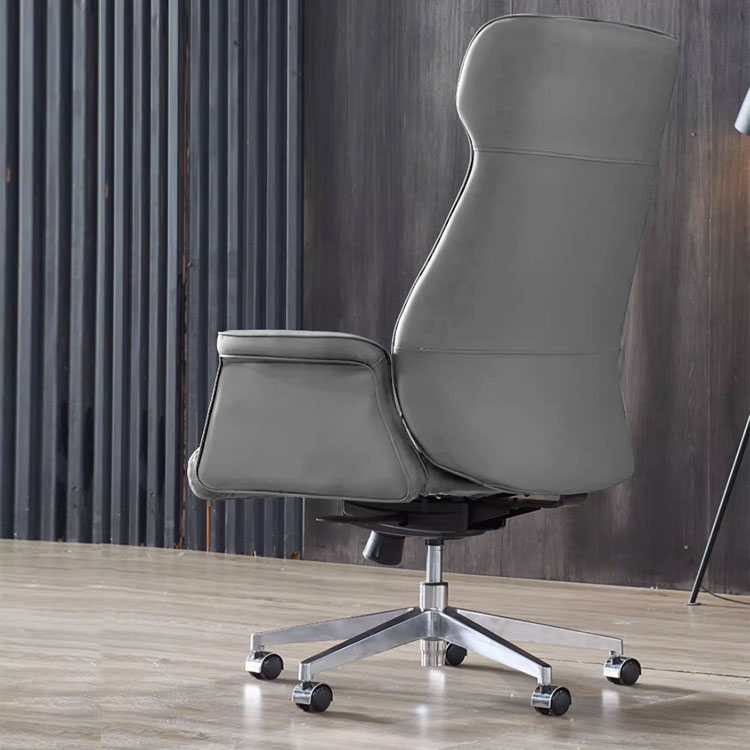
Assessing materials requires looking beyond the showroom finish. You must evaluate thermal regulation, friction, maintenance overhead, and aging characteristics. The right material ensures your chair remains comfortable during long work sessions and guarantees the upholstery will withstand daily wear and tear gracefully. When specifying furniture for commercial or high-end residential use, the upholstery choice dictates the maintenance schedule and the expected lifespan of the piece.
Full-grain and top-grain leathers represent the pinnacle of executive seating. These materials offer unmatched durability and develop a unique patina over time, enhancing their visual appeal. Genuine leather is naturally breathable and signals premium status. It adapts to your body temperature quickly, preventing the clammy feeling associated with lower-quality materials. However, it requires periodic conditioning to prevent cracking and maintain its supple texture. You must factor in a quarterly maintenance routine using high-quality leather creams to keep the hide nourished, especially in environments with aggressive HVAC systems that dry out the air.
Synthetic alternatives like PU and vegan leathers provide a consistent office chair upholstery color. They are easy to wipe down and maintain. These synthetic options mimic the look of genuine camel leather effectively for projects with strict budget constraints. Unfortunately, they are prone to peeling over time, especially at high-friction points like the front edge of the seat pan and the armrests. Synthetic materials also trap heat during extended sitting sessions, leading to discomfort. If you specify PU leather, you must ensure the underlying foam is highly resilient, as the cover itself offers no structural support.
Woven textiles and performance fabrics offer maximum breathability and provide a softer, more residential feel. High-quality fabrics are highly durable when tested against industry standards like the Martindale rub test. You should look for ratings above 50,000 rubs for heavy-duty use. However, they are susceptible to staining. Liquid spills require specialized cleaning to prevent permanent marks on the upholstery. If you opt for a brown fabric chair, ensure it has a commercial-grade stain repellent treatment applied at the factory.
| Material Type | Breathability | Durability | Maintenance Level | Aging Characteristics |
|---|---|---|---|---|
| Full-Grain Leather | High | Excellent | Medium (Requires conditioning) | Develops rich patina |
| Top-Grain Leather | Medium-High | Very Good | Medium (Requires conditioning) | Maintains uniform look |
| PU / Vegan Leather | Low | Fair | Low (Wipe clean) | Prone to peeling/cracking |
| Performance Fabric | Excellent | Good to Excellent | High (Stain removal) | May pill or fade over time |
The texture of the material also plays a significant role in user comfort. Smooth leathers allow for easy movement and shifting in the seat, which is ergonomically beneficial. Heavily textured fabrics can create friction, causing clothing to bunch up and creating pressure points over a long workday. When evaluating a chair, run your hand firmly across the seat pan. If it catches or feels excessively rough, it will likely cause discomfort after several hours of use.
Navigating the tension between plush executive padding and contoured support is critical. Oversized padding often restricts movement and forces the spine into a C-curve. Contoured, ergonomic support promotes active sitting and eases motion. You must prioritize structural support over superficial softness to maintain spinal health. A chair that looks impressive but lacks mechanical adjustability is a liability in any professional setting.
A chair that feels immediately cushy can lead to spinal compression. Fatigue sets in quickly during an eight-hour workday without dynamic body contouring. Instant comfort in a showroom does not guarantee long-term support. Your body requires firm, adaptive surfaces to maintain proper posture throughout the day. The foam density should be high enough that you do not feel the hard plastic or metal seat pan underneath, even after hours of continuous use.
Kinematic adjustability is mandatory for modern seating. Synchronized tilt, tension control, and multi-position tilt locks reduce spinal compression. These mechanisms allow the chair to move with your body. They facilitate natural shifts in posture, preventing stiffness and joint pain. A 2-to-1 synchro-tilt mechanism, where the backrest reclines two degrees for every one degree the seat pan tilts, keeps your feet flat on the floor while opening up your hip angle, improving circulation to the lower extremities.
Targeted support systems accommodate varying body types. High-quality BIFMA-certified Class 4 gas cylinders and stable aluminum bases ensure the chair remains safe and functional for years. Nylon bases can flex and warp under heavy loads, leading to an uneven seating surface. An aluminum five-star base provides rigid stability and prevents the chair from tipping when fully reclined. Always check the weight rating of the chair and ensure the casters are appropriate for your flooring type—soft polyurethane casters for hard floors and hard nylon casters for carpets.
The backrest height is another critical factor. A mid-back chair supports the lumbar and thoracic regions, which is sufficient for most task work. However, a high-back executive chair provides additional support for the shoulders and neck, which is beneficial during long reading or review sessions. If you opt for a high-back model, ensure the headrest is adjustable or naturally aligns with the curvature of your cervical spine.
Light browns, such as camel, cognac, and tan, suit airy, contemporary spaces. They work exceptionally well in minimalist designs. These shades provide excellent contrast against dark walls and remain highly popular for creative workspaces and cozy at-home offices looking for an energetic lift. A camel leather chair instantly modernizes a room, pulling it away from the heavy, traditional aesthetic of the past. It pairs beautifully with natural oak desks and lots of greenery, creating a fresh, organic feel.
Medium to dark browns include chocolate, espresso, and walnut. These shades fit traditional executive suites perfectly. They enhance classic masculine home offices and spaces featuring rich wood paneling. Dark brown signals stability, heritage, and quiet luxury. It commands respect without feeling overly aggressive. When specifying dark brown seating, ensure the room has adequate lighting—either natural or well-designed artificial layers—to prevent the space from feeling cavernous or gloomy.
Pairing brown upholstery with a custom office chair finish elevates the entire room. Polished aluminum creates a striking, mid-century modern contrast. Matte black delivers a muted, industrial, or ultra-contemporary aesthetic. Wood veneers enhance a classic, prestigious boardroom feel. The base and frame must complement both the leather and the surrounding architecture. A mismatch here can ruin the visual cohesion of the space.
Consider the undertones of the brown you select. Some browns have red or orange undertones, which clash with cool gray walls or blue carpets. Others have green or yellow undertones, which work better with warm, earthy palettes. Always request physical swatches and view them in the actual room under the specific lighting conditions you will be working in. Fluorescent office lighting drastically changes the appearance of leather compared to natural sunlight.
The stitching details also impact the final look. Contrast stitching, such as a light cream thread on a dark espresso leather, highlights the craftsmanship and adds a sporty, automotive-inspired touch. Tonal stitching, where the thread matches the leather exactly, provides a cleaner, more understated appearance. These small details separate premium seating from mass-produced alternatives and contribute significantly to the overall design narrative of the workspace.
Entry-level models typically feature PU leather or basic fabrics. They offer limited adjustability, often restricted to height and basic tilt. These chairs usually utilize nylon bases and standard foam padding. When searching for a camel brown chair in this tier, prioritize mechanical safety standards over genuine leather status. They suit light-duty home offices or temporary setups where the user will not be seated for more than a few hours at a time. The focus here should be on finding a chair with a solid frame and a reliable gas cylinder.
Mid-range options introduce top-grain leather seating surfaces. They often use matched vinyl on the back and sides to optimize value while keeping the contact areas premium. You can expect robust ergonomic adjustments, reinforced frames, and higher-density molded foam. These chairs serve standard professional deployments well. They are ideal for dedicated remote workers who spend significant time at their desks. The mechanisms in this tier are usually smoother, and the casters roll more quietly.
Premium and flagship models utilize premium full-grain leathers sourced from top-tier tanneries. They feature proprietary ergonomic contouring mechanisms, extensive customization options, and heavy-duty aluminum components. These chairs offer comprehensive warranties covering both mechanics and upholstery. They belong in C-suite environments, high-end branded spaces, and setups for users with specific orthopedic requirements. The engineering in these chairs focuses on micro-movements, ensuring the user remains supported regardless of how they shift their weight.
When evaluating value, look closely at the foam construction. Cheaper chairs use cut foam, which breaks down quickly and loses its shape. High-quality chairs use injection-molded foam, which retains its density and contour for years. You can usually tell the difference by pressing firmly into the seat pan; molded foam pushes back with a consistent, resilient force, while cut foam compresses easily and takes longer to rebound.
The quality of the mechanism housing is another indicator of value. Turn the chair over and inspect the metal casing under the seat. Premium chairs feature thick, cast aluminum housings that protect the tilt gears and tension springs. Lower-tier chairs use stamped steel or even heavy-duty plastics, which can warp or crack under continuous heavy use. Investing in a robust mechanism ensures the chair will function smoothly for a decade or more.
Environmental degradation poses a significant risk to natural leather and fabrics. UV sun fading can ruin a beautiful camel finish, turning it dull and lifeless. Mitigate this risk through strategic placement away from direct sunlight. Install UV-filtering window treatments to protect your investment. Regular conditioning also helps natural leather resist environmental stress by keeping the fibers hydrated and flexible. If a chair must sit near a window, rotate it periodically to ensure any fading occurs evenly.
Dye transfer is a harsh reality for lighter leathers. Indigo denim can easily transfer onto camel or cognac upholstery, leaving a permanent blue tint. Establish routine cleaning protocols to prevent permanent staining. Apply protective leather sealants specifically designed for light-colored furniture before the chair is put into heavy use. Wipe down the seat weekly with a damp, soft cloth to remove surface oils and loose dye particles before they penetrate the leather grain.
Warranty discrepancies often catch buyers off guard. Manufacturers frequently offer lengthy warranties on the frame and mechanics. However, they may only cover the upholstery or the foam padding for a fraction of that time. Read the fine print carefully. Understand exactly what components are covered before making a final purchasing decision. A chair with a lifetime warranty on the frame but only one year on the fabric is a risky investment for a high-traffic office.
Another risk is improper assembly. High-end ergonomic chairs often arrive partially disassembled. If the gas cylinder is not seated correctly in the base, or if the armrest brackets are not torqued to the proper specifications, the chair will wobble and wear unevenly. Always follow the manufacturer's assembly instructions precisely, and use the correct tools. If you are outfitting an entire office, hire professional installers to ensure every chair is built correctly and calibrated for the end-user.
Finally, consider the acoustic impact of your seating choice. Leather chairs can be noisy. The material squeaks when it rubs against itself or the plastic frame components. In a quiet, open-plan office, this can be distracting. High-quality manufacturers mitigate this by using felt pads between friction points and designing the upholstery patterns to minimize overlap. Test the chair in a quiet room and shift your weight aggressively to check for excessive noise before committing to a large order.
Choosing a brown office chair is a strategic design choice that must be underpinned by rigorous ergonomic standards and material quality. The right chair enhances your workspace aesthetics while protecting your physical health. Make your selection based on a clear understanding of your daily needs, environmental factors, and the mechanical integrity of the seating platform.
A: It depends entirely on the chair's ergonomic features, not just the material. High-quality modern office seating in brown leather offers excellent support if built with high-density molded foam. Mesh provides superior airflow. Ensure the leather chair has dynamic lumbar support and a synchronized tilt mechanism for long-hour comfort.
A: Wipe the chair weekly with a slightly damp microfiber cloth to remove dust and body oils. Apply a high-quality leather conditioner every three to six months to prevent cracking and keep the hide supple. Avoid harsh chemical cleaners, as they strip natural oils and ruin the camel finish.
A: Polished aluminum or chrome offers a striking, elegant contrast that brightens the dark leather and adds a modern touch. For a more subdued, industrial look, matte black frames work exceptionally well. Wood veneer bases complement dark brown perfectly in traditional executive settings.
A: Yes, natural leather and certain fabrics will fade and dry out if exposed to direct UV rays over time. Position the chair away from direct sunlight or use UV-blocking window blinds to protect the upholstery's rich color and prevent the material from becoming brittle.
A: Top-grain leather is genuine animal hide that is highly durable, breathable, and develops a natural patina over time. PU leather is a synthetic polyurethane coating applied over a fabric backing. PU is easier to wipe clean initially but traps heat and is prone to peeling and cracking.


