
Views: 0 Author: Site Editor Publish Time: 2026-07-20 Origin: Site


Legacy black and brown executive seating no longer dictates the aesthetic of the modern corner suite. Interior architects and executives now utilize bold, intentional color choices to define sophisticated workspaces. A premium green leather office chair serves as a powerful focal point. It signals forward-thinking leadership while grounding the room with natural elegance. However, sourcing this specific statement piece introduces a common friction point in procurement. Buyers frequently risk prioritizing high-end aesthetic impact over certified ergonomic performance, material longevity, and long-term physical comfort. To avoid the trap of visually striking but physically punishing furniture, you need a structured, objective evaluation framework. Navigating material grades, precise anthropometric sizing, and hardware pairings requires technical diligence. This guide breaks down the structural mechanics and finish durability required to make a calculated investment that supports both the human body and the architectural vision of the workspace.
Color functions as a behavioral trigger within executive environments. Green inherently signals restoration, focus, and organic prestige. When applied to a primary seating element, it bridges the gap between high-stakes corporate intensity and necessary psychological grounding. Integrating a specific office chair upholstery color requires deliberate coordination with the surrounding architecture. Deep forest green projects established authority. This makes it highly effective in traditional or transitional spaces. Muted olive and sage tones align perfectly with minimalist, Scandinavian-inspired layouts. Rich emerald introduces a layer of vibrant luxury suitable for creative director suites or boutique finance firms.
Environmental compatibility dictates how well the chair integrates into the physical workspace. You must evaluate natural light variance throughout the day. Direct sunlight alters the perceived temperature of the green pigment. The upholstery must also harmonize with hard architectural elements. A dark green hide contrasts sharply against exposed concrete, creating an industrial-luxe aesthetic. Conversely, pairing green leather with walnut or oak wood veneers establishes a warm, heritage-driven atmosphere. Every color decision must reinforce the overarching branded workplace design without overwhelming the visual hierarchy of the room. We see this constantly in modern build-outs where the seating acts as the primary visual anchor.
When planning the spatial layout, consider the sightlines from the doorway to the executive desk. The back of the chair is often the first thing a visitor sees. If the green leather is paired with a high-gloss veneer shell, it reflects ambient light and draws the eye immediately. If it features a matte, fully upholstered back, it absorbs light and blends more subtly into the background. These micro-decisions in color and texture application separate standard office setups from truly intentional, architecturally integrated environments.
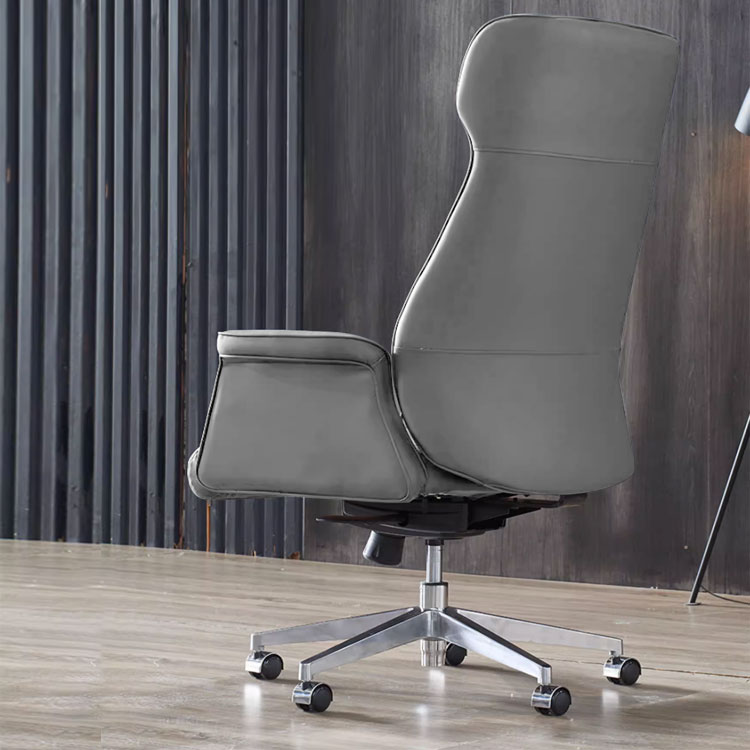
The structural integrity of your chair relies heavily on the quality of the hide. Full-grain and top-grain leathers represent the pinnacle of material performance. These premium hides retain the natural fiber density of the animal skin. They offer unmatched breathability and tactile feedback. Over time, they develop a unique patina rather than degrading. While the initial capital outlay is higher, genuine top-tier leather presents the lowest lifetime replacement risk. You are investing in a material that adapts to the user and the environment.
High-performance synthetics and polyurethane options serve projects with strict animal-free mandates. They also fit environments requiring rigorous sanitization protocols. Commercial-grade vegan leathers resist harsh cleaning agents and repel liquid spills effectively. However, they lack the thermal regulation of natural hides. This often leads to heat retention during prolonged sitting sessions. Wear cycles also differ significantly. Synthetics eventually crack under repetitive friction, whereas natural leather simply softens.
Bonded leather represents a critical failure point in high-use executive environments. Manufacturers create bonded leather by gluing pulverized leather scraps onto a polyurethane backing. Under the daily stress of human movement, the adhesive breaks down. Peeling, cracking, and delamination are inevitable. This typically manifests within 12 to 24 months of regular use. Avoid bonded materials entirely when sourcing executive seating. The short-term savings never justify the rapid degradation and subsequent replacement costs.
| Material Grade | Durability | Breathability | Aging Process |
|---|---|---|---|
| Full-Grain Leather | Exceptional | High | Develops natural patina |
| Top-Grain Leather | Very Good | Moderate-High | Maintains consistent finish |
| Commercial PU/Vegan | Moderate | Low | Prone to surface wear over time |
| Bonded Leather | Poor | Low | Peels and cracks rapidly |
Achieving the correct green hue requires specific dyeing techniques. Aniline dyeing immerses the hide in translucent green pigments. This preserves the natural grain and texture. This process yields a vibrant, organic look but offers minimal stain resistance. Semi-aniline leather adds a light protective topcoat. This strikes the ideal balance for executive seating. It maintains texture consistency while protecting the green pigment from daily wear and minor spills.
UV resistance is a non-negotiable factor for chairs placed in sunlit corner suites. Direct ultraviolet exposure breaks down chemical dyes, causing rapid fading. Establish testing protocols by requesting technical specifications on colorfastness from the manufacturer. When evaluating physical swatches, perform a practical scratch and flex test. Vigorously rub the leather sample and fold it sharply. High-quality semi-aniline finishes will resist surface scratching and show no signs of micro-cracking along the fold line.
The commercial furniture industry frequently struggles with the form-versus-function conflict. Sculptural, highly stylized executive chairs often omit vital adjustment mechanisms to maintain a minimalist silhouette. This compromise leads directly to musculoskeletal fatigue. A high-design chair must integrate discrete mechanical controls to support the human body dynamically during deep-work focus sessions. You cannot sacrifice spinal health for a sleek profile.
Universal sizing is a myth in ergonomic seating. The tall/short executive dilemma remains a critical pain point. Sourcing high-design chairs that fail to accommodate tall users results in inadequate shoulder support. Conversely, shorter users suffer when seat pans are excessively deep. This forces them to perch on the front edge of the chair, negating all backrest support. You must match the chair's dimensions to the specific anthropometric data of the primary user.
Backrest profiles heavily influence both comfort and visual impact. High-back executive models project authoritative presence and provide full thoracic support. This makes them ideal for dedicated private offices. Mid-back profiles offer a sleek, visually unobtrusive alternative. They facilitate upper body mobility and integrate seamlessly into collaborative modern office seating layouts. Additionally, verify ANSI/BIFMA certification. This industry standard guarantees structural integrity for continuous use and confirms a minimum 300 lb weight capacity.
The structural frame and base dictate the chair's architectural footprint. Analyzing how frame materials interact with various green leather tones ensures a cohesive aesthetic. A well-executed custom office chair finish elevates the entire piece from standard furniture to a bespoke interior element. The metalwork must align with the door hardware, lighting fixtures, and desk framing in the room.
Hardware selection extends downward to the floor. Technical caster selection prevents severe damage to expensive office flooring. Specify soft polyurethane or elastomer casters for hard surfaces like hardwood, polished concrete, or luxury vinyl tile. These soft wheels grip the floor securely and prevent scratching. For high-pile carpeted suites, mandate hard nylon casters to ensure smooth, unimpeded rolling resistance. Installing the wrong casters will destroy a floor within weeks.
Procuring executive seating requires evaluating options through a cost-per-year value framework. Framing the decision as a 10-to-15-year amortized asset rather than a one-time operational expense clarifies the return on investment. You are buying a tool for productivity, not just a decorative object.
The rendering-to-reality gap poses a significant risk during procurement. Calibrated digital 3D models rarely match raw leather dye lots perfectly. Monitor settings and digital lighting artificially enhance green saturation. This leads to unexpected results upon delivery. A green that looks vibrant on a screen may appear muddy and brown under actual office lighting.
Mitigate this risk by mandating the procurement of physical leather swatches and hardware samples. You must test these materials in situ. Evaluate the green leather under the destination office’s exact lighting conditions. Account for specific Kelvin temperatures of overhead LEDs and the angle of natural sunlight window exposure. Only authorize purchase orders after physical verification.
Customization inherently extends project timelines. Manage stakeholder expectations regarding standard 6-to-12 week lead times associated with custom upholstery and personalized metal plating. Expediting these processes often compromises quality control. Rushed leather stitching or improperly cured powder coats will fail prematurely.
Deconstruct the manufacturer's warranty before finalizing the contract. A credible, commercial-grade warranty must provide comprehensive coverage. Look for 10-to-12 years of protection on structural frames, mechanisms, and pneumatic cylinders. Custom leather upholstery and foam density should carry a minimum 3-to-5 year guarantee against premature degradation.
A: Yes, natural hides are susceptible to UV degradation, which breaks down chemical dyes and causes fading. To prevent this, select semi-aniline leathers that feature a protective topcoat. Additionally, installing UV-filtering window films in sunlit executive suites significantly extends the color vibrancy of the upholstery.
A: Establish a routine using only pH-balanced, non-alkaline leather cleaners. Wipe the surface gently with a microfiber cloth. Apply a dedicated, high-quality leather conditioner every three to six months to maintain moisture, prevent cracking, and protect the green pigment from premature wear.
A: High-back models provide full shoulder and thoracic support, making them necessary for users over 6'0" or those executing prolonged desk work. Mid-back chairs suit smaller profiles and active, multi-tasking workspaces where upper body mobility and a sleeker visual footprint are prioritized.
A: Yes. Premium manufacturers now engineer designer executive models that integrate discrete, weight-activated under-seat mechanical tension controls. This engineering preserves a sleek, minimalist profile while still meeting rigorous BIFMA ergonomic and structural standards.
A: Matte black powder coat provides an earthy, contemporary feel that complements olive green perfectly. Alternatively, brushed bronze adds warm, heritage-driven luxury. If the workspace requires a brighter, corporate-modern contrast, polished aluminum is highly effective.


