
Views: 0 Author: Site Editor Publish Time: 2026-07-25 Origin: Site


Prolonged static sitting takes a severe physical toll during an eight-hour workday. You might notice localized discomfort, creeping numbness, and lower back fatigue. Over time, you observe visible flattening or sagging of the glutes. Many people casually call this office chair butt. However, it represents a genuine biomechanical problem. Inadequate seat pan support causes gluteal amnesia, restricts vital blood flow, and triggers reciprocal inhibition of the hip flexors. It forces the pelvis into an unnatural tilt. Temporary symptom relief rarely solves the underlying issue. Standing up, stretching, or adding soft cushions only masks the pain. You must shift your focus toward root-cause equipment evaluation. Choosing the right seating requires looking past brand prestige. You need to analyze specific seat mechanics, material density, and adjustability. Proper support prevents muscular degradation and keeps you focused throughout long shifts.
Gluteal amnesia represents a serious medical reality for desk workers. Static pressure causes glute muscles to essentially switch off. When you sit without proper support, continuous compression prevents muscular engagement. This lack of activity leads to actual muscle flattening and a noticeable loss of gluteal tone. You lose structural support for your entire lower body. The human body evolved for movement, not for resting on a flat, unyielding surface for ten hours a day. When the gluteus maximus, medius, and minimus stop firing, the burden of stabilizing the pelvis shifts to smaller, less capable muscles.
Poorly designed seat pans create severe neurological issues. They compress the sciatic nerve and restrict vascular flow to the lower extremities. Blood pools in your legs, causing uncomfortable numbness and tingling. Over time, this daily compression accelerates muscle atrophy. Your body forgets how to fire the glutes properly, leading to chronic pain patterns. Desk workers often find themselves unable to activate their glutes even during workouts. This dead butt syndrome makes basic movements like climbing stairs or lifting boxes unnecessarily difficult and dangerous.
Prolonged sitting keeps your hips locked in a constant state of flexion. This unnatural angle causes the hip flexors to shorten and tighten significantly. Tight hip flexors pull your pelvis forward, disrupting your natural spinal alignment. You experience increasing discomfort as the workday progresses. The psoas and iliacus muscles adapt to this shortened position. When you finally stand up, these tight muscles yank on your lower spine, creating an exaggerated arch and immediate pain.
This tightness triggers a neurological response called reciprocal inhibition. Overactive hip flexors send signals forcing the glutes to remain relaxed. Your body actively prevents the glutes from engaging. This neurological loop compounds the flattening effect and weakens your posterior chain. Breaking this cycle requires seating that supports neutral pelvic positioning. You cannot simply stretch your way out of reciprocal inhibition if you return to the same poorly designed seat every morning.
Standard chairs often create a restrictive "coffin effect" on the lower body. A sagging or unsupportive seat forces the pelvis into a severe posterior tilt. It compresses the hips and locks the spine into a rounded posture. You lose all dynamic mobility while seated. The seat pan acts like a trap, locking your femurs in place and preventing the subtle weight shifts necessary for joint health.
This pelvic misalignment creates a destructive chain reaction. The unnatural tilt directly transfers your upper body load to the lumbar spine. Your lower back muscles overwork to compensate for the lack of skeletal support. This constant strain accelerates fatigue and causes sharp lower back pain by mid-afternoon. The discs in your lumbar spine endure uneven pressure, increasing the risk of bulging or herniation over years of static desk work.
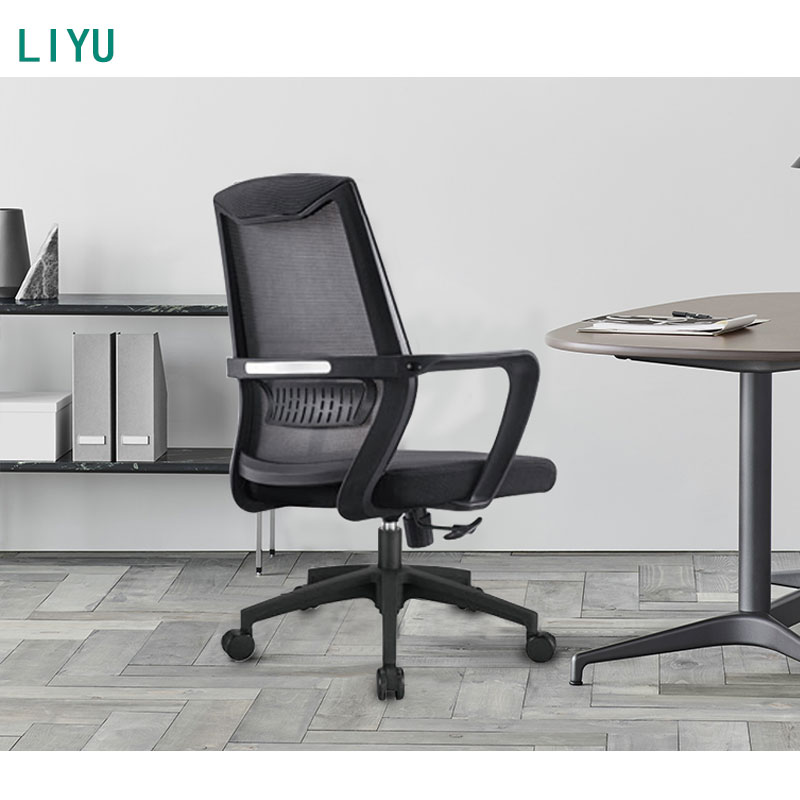
Proper seat depth establishes the baseline for healthy sitting. You need two to three inches of clearance between the back of your knee and the seat edge. This gap protects the popliteal fossa from dangerous compression. Without this clearance, you risk cutting off circulation to your lower legs. A seat that is too deep forces you to slide forward, abandoning the backrest entirely. A seat that is too shallow leaves your thighs unsupported, concentrating all your weight on your sit bones.
A waterfall edge design plays a vital role in mitigating pressure. It slopes downward at the front of the seat pan. This shape relieves stress on the distal thighs. It maintains healthy blood circulation and prevents the heavy, tired feeling in your legs after a long shift. When evaluating a chair, run your hand along the front edge. It should curve smoothly downward without any hard plastic ridges pressing into the foam.
Ergonomic engineers utilize advanced pressure mapping to design better seats. They identify peak stress points located on the ischial tuberosities, commonly known as sit bones. Standard chairs concentrate all your body weight directly onto these small bony structures. This concentrated force causes rapid tissue fatigue. You start shifting constantly, trying to find a comfortable position that does not exist.
The ultimate success metric involves even weight dispersion. A properly engineered seat distributes your body weight across the entire surface area of the glutes and upper thighs. This even distribution prevents localized pain. Achieving optimal office chair seat comfort requires materials that contour precisely to your unique anatomy. High-end manufacturers test their designs across thousands of body types to ensure the seat pan geometry accommodates a wide range of users without creating hot spots.
Many users wonder why they can sit comfortably in home recliners but experience instant pain at their desks. Recliners provide passive comfort by letting you sink deeply into soft surfaces. They distribute weight across your entire back while you rest. However, this posture fails entirely during active desk work. You cannot type effectively or view a monitor properly while lying back at a 45-degree angle.
Active task alignment requires pelvic rotation and spinal support. When typing or leaning forward, you need a stable base to maintain a neutral spine. Passive comfort lacks the necessary resistance to hold your pelvis upright. Desk work demands seating engineered for active engagement rather than passive relaxation. A good desk chair acts as an exoskeleton, supporting your posture while you perform complex tasks.
High-quality elastomeric mesh suspends the user across the seat frame. This suspension mechanism eliminates localized pressure points entirely. It disperses weight evenly, preventing the severe compression that flattens gluteal muscles. An adjustable mesh office chair provides superior thermal regulation, keeping you cool during intense work sessions. The open weave allows body heat to dissipate instantly, preventing the sweaty discomfort associated with solid foam seats.
Mesh dynamically conforms to your micro-movements. However, you must evaluate the quality carefully. Low-quality mesh stretches and sags over time, exacerbating harmful pelvic tilt. Additionally, hard plastic frame borders can pinch the hips and thighs if the seat pan is too narrow for your frame. When testing a mesh seat, check the tension. It should feel like a firm trampoline, not a loose hammock.
Injection-molded, high-density foam offers a different mechanical approach. Manufacturers design this foam to maintain structural integrity under sustained weight. It resists bottoming out, providing highly predictable support. Foam accommodates a wider variety of sitting positions, allowing you to cross your legs or shift off-center easily. Hybrid designs often combine a foam seat pan with a mesh backrest, offering the best of both worlds for many users.
Despite these benefits, foam carries specific risks. It naturally traps body heat, which can cause discomfort in warm environments. Cheap, low-density foam degrades rapidly. Once it breaks down, you end up sitting directly against the chair's hard plastic or wooden base, instantly triggering glute pain. Always check the foam density rating if available. Commercial-grade foam should feel surprisingly firm to the touch.
Modern seating designs incorporate weight-activated mechanisms and dynamic seat tilt. These features create a flexible frame that moves in sync with your pelvis. Flexible task seating encourages continuous micro-movements throughout the day. These subtle shifts keep the gluteal muscles engaged and improve overall blood flow. The chair responds to your body weight, adjusting the recline tension automatically as you move.
Active seating reduces stiffness significantly. However, it may require an adaptation period. Users accustomed to static, locked-in seating often feel unstable at first. Your core muscles must adapt to the continuous movement. Once adapted, this dynamic support prevents the severe muscle fatigue associated with rigid chairs. You will find yourself finishing the workday with more energy and less joint stiffness.
A seat slider is an absolute necessity for proper ergonomics. It accommodates different femur lengths, ensuring the seat pan fits your specific body. Adjusting the depth prevents hip compression and protects knee circulation. You cannot achieve proper alignment without this fundamental feature. If a chair lacks a seat depth adjustment, do not buy it for full-time desk work.
Forward seat tilt benefits users who perform intensive, forward-leaning work. It reduces the angle of hip flexion, keeping the pelvis in a neutral position. This slight downward tilt opens the hip angle. It prevents the hip flexors from tightening and reduces strain on the lower lumbar spine. Writers, coders, and designers often find forward tilt indispensable for maintaining focus during deep work sessions.
Focusing on luxury brand names often leads to poor ergonomic fits. Buyers get confused by marketing hype and ignore mechanical realities. A high price tag does not guarantee the chair fits your specific body proportions. You must evaluate raw mechanical features to resolve sitting discomfort. Look at the spec sheet, not the logo.
Prioritize essential mechanical adjustments over aesthetics. An effective ergonomic desk chair must possess specific functional capabilities. Use the table below to evaluate any potential purchase.
| Feature | Mechanical Purpose | Impact on Glute Health |
|---|---|---|
| Seat Depth Slider | Aligns seat edge with knee crease | Prevents thigh compression and circulation loss |
| Tilt Tension Control | Adjusts recline resistance to body weight | Supports active movement without muscle strain |
| Forward Seat Tilt | Opens hip angle during focused tasks | Reduces hip flexor tightness and pelvic tilt |
| Adjustable Armrests | Supports upper body weight | Relieves downward pressure on the spine and pelvis |
| Lumbar Height Adjustment | Targets the natural curve of the spine | Maintains pelvic neutrality to prevent glute flattening |
Shared office environments require highly adaptable seating solutions. A chair must adjust easily for different body types in hot-desking scenarios. Complex manual dials frustrate users, leading them to sit in poorly adjusted chairs. This lack of adjustment guarantees widespread postural issues across the workforce. If it takes five minutes and an instruction manual to adjust a chair, employees will simply endure the pain.
Auto-adjusting tension mechanisms provide immense value for fleet deployments. They use the sitter's body weight to set the correct recline resistance automatically. This technology ensures every user receives adequate support without fiddling with confusing controls. It scales ergonomic health across the entire organization effectively. Facilities managers should prioritize intuitive controls when outfitting large office spaces.
Many people believe a softer, thicker seat cushion cures glute pain. This myth leads them to purchase overly plush chairs. In reality, excessively soft seats lack the structural resistance needed to keep the pelvis neutral. Your sit bones sink too deeply into the material. You lose the skeletal support necessary for upright posture.
This sinking action forces the spine to slump backward. It rolls the pelvis into a posterior tilt, instantly straining the lower back. Plush padding bottoms out quickly under sustained weight. You end up resting on the hard frame beneath the foam, worsening long-term pain and accelerating muscle flattening. Firm support always outperforms soft padding for long-duration sitting.
Transitioning to a highly supportive chair often causes temporary discomfort. Your body has adapted to poor posture over many years. When a proper seat forces you into neutral alignment, dormant postural muscles must re-engage. This sudden activation causes noticeable muscle soreness during the first week. Do not immediately return the chair if you feel sore after day one.
You must set realistic expectations for this adaptation period. Phase in the new chair gradually. Alternate sitting with a standing desk or take planned walking breaks. Allow your pelvic muscles time to rebuild endurance. The initial soreness fades as your core strength improves. Think of it like starting a new workout routine; the soreness indicates your muscles are working correctly.
Even the most advanced chair cannot negate ten hours of absolute stillness. Human bodies require movement to function correctly. Relying solely on equipment ignores the physiological need for muscle contraction. You must pair good seat design with active physical habits. A chair is a tool, not a magic cure.
Use dynamic seating as a tool alongside active strategies. Schedule regular desk stretches to lengthen tight hip flexors. Perform glute activation exercises, like standing glute squeezes, to maintain muscle tone. Combine proper equipment with movement intervals to protect your body completely. Set a timer to stand up and walk for two minutes every hour.
A: It results from prolonged static compression of the gluteal muscles. This pressure restricts blood flow and nerve drive, causing the muscles to weaken, flatten, and essentially "switch off" over time.
A: No. Overly soft cushions lack the resistance needed to support your pelvis. You sink into the material, which causes your spine to slump and ultimately worsens lower back and glute pain.
A: Sit all the way back in your chair. You should have about two to three inches of space between the front edge of the seat and the back of your knees.
A: Sitting keeps your hips in constant flexion. This unnatural position shortens and tightens the hip flexor muscles, which pulls your pelvis out of alignment and contributes to lower back strain.
A: It depends on your needs. High-quality mesh provides excellent suspension and cooling. High-density foam offers firmer, predictable support and accommodates varied sitting postures better than rigid mesh frames.
A: Your body is adapting. A proper chair forces dormant core and postural muscles to engage. This re-activation causes temporary muscle soreness, which usually resolves within a week or two.


