
Views: 0 Author: Site Editor Publish Time: 2026-07-18 Origin: Site


Looking at a premium ergonomic chair next to a big-box store alternative often causes immediate hesitation. Buyers frequently ask if the most expensive office chair functions as a calculated business asset or merely an overhyped design piece. The showroom trap is real: thick, pillowy cushioning feels plush for five minutes but lacks the structural integrity needed for continuous daily use. True ergonomic support relies on biomechanical science, not just initial softness. Cheap seating carries hidden operational burdens, including frequent replacement cycles, degraded employee focus, and potential ergonomic injury claims. Verifying if a premium model guarantees superior performance requires looking under the hood. The true differentiator between a functional investment and a status symbol lies in the underlying component quality and a modular design philosophy. This guide deconstructs how specific materials translate directly to structural longevity, better ergonomics, and long-term value.
Evaluating office seating investments requires looking beyond the initial purchase. The focus must shift to the long-term horizon and lifecycle longevity. Budget chairs often end up in landfills because a single cracked caster socket or a failing gas cylinder ruins the entire unit. Highly serviceable premium models offer a different path, built on the concept of modularity and component replacement.
Leading manufacturers maintain deep catalogs of replacement parts. Casters, arm pads, cylinders, and mesh panels can be swapped out easily. This spare parts economy extends unit lifespans indefinitely. A chair that survives light home use will often fail mechanically under continuous, multi-user corporate wear. High-traffic corporate fleets demand structural integrity that budget options simply cannot provide. When multiple shifts utilize the same seating, the mechanical stress multiplies, exposing weak points in injection-molded plastics and low-grade steel fasteners.
The costs of biomechanical research, custom tooling for proprietary parts, and rigorous testing are baked into the final product. Testing cycles mechanisms hundreds of thousands of times under heavy loads to ensure reliability. This R&D and tooling premium ensures the chair functions correctly year after year. Engineers spend years developing proprietary tilt mechanisms that mimic the natural pivot points of the human body, requiring custom-machined parts rather than off-the-shelf components.
| Component | Budget Tier Construction | Premium Tier Construction | Lifecycle Impact |
|---|---|---|---|
| Base Material | Injection-molded nylon | Die-cast aluminum | Prevents stress fractures under heavy loads |
| Cushioning | Cut polyurethane slab foam | High-density molded foam | Resists compression set and bottoming out |
| Pneumatic Cylinder | Class 2 standard | Class 4 heavy-duty | Maintains height without sinking over time |
| Upholstery | Bonded leather / standard fabric | Top-grain leather / elastomeric mesh | Prevents peeling, tearing, and heat buildup |
Understanding the engineering behind these components reveals why certain models dominate the market. The investment goes directly into the physical materials and the precision manufacturing processes required to assemble them. Tight tolerances prevent the wobbling and squeaking that plague lower-tier models after a few months of use.
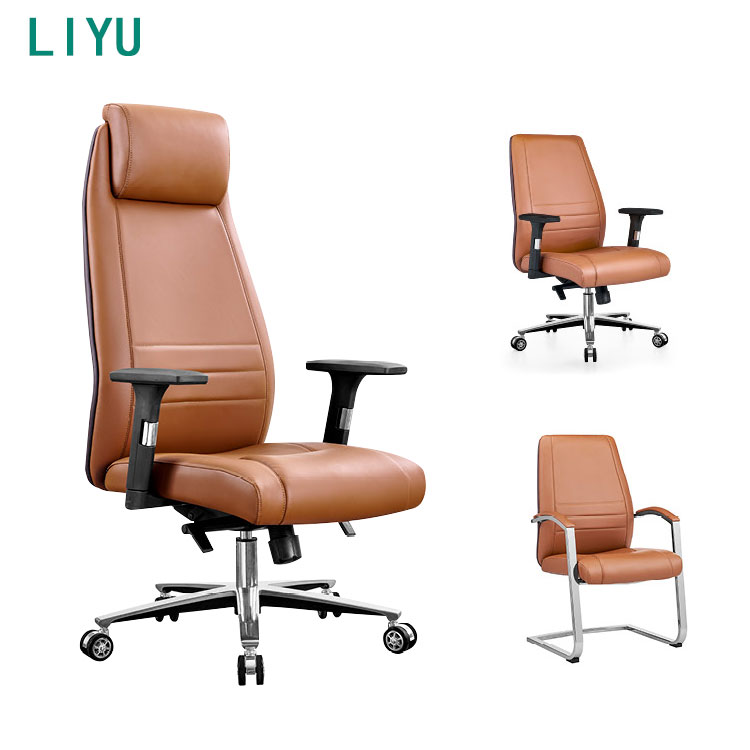
The foundation of any high-quality seating solution rests on the raw materials selected during the design phase. Premium office chair materials dictate not only the immediate comfort but the structural degradation curve over the next decade.
Woven suspension materials, such as elastomeric polymers, distribute weight dynamically. They align the pelvis and regulate temperature better than standard padded fabric that traps body heat. Cheap nylon mesh sags, stretches, and frays within months. Premium elastomeric mesh maintains its structural elasticity and ergonomic support for over a decade. The manufacturing process involves weaving high-tensile elastomer threads with structural yarns, creating a pellicle that acts like a trampoline, suspending the user without creating pressure points.
When inspecting mesh quality, look for tension consistency across the entire frame. Lower-grade meshes will feel tight in the center but loose near the edges, leading to improper pelvic tilt. High-end models use variable tension zones, weaving the mesh tighter in the lumbar region and looser near the shoulders to accommodate natural spinal curvature.
Molded foam is cast in custom molds to specific ergonomic contours. It resists compression set effectively. Cheap cut slab foam quickly flattens and loses its supportive properties. This leads to bottoming out, pressure points, and tailbone discomfort during long shifts. The density of the foam directly correlates to its longevity. Premium manufacturers use closed-cell polyurethane injected directly into a mold, creating a skin that protects the inner structure from degrading.
When evaluating executive chair ergonomics, material choice matters immensely. Genuine top-grain leather breathes, stretches naturally, and develops a durable patina over time. Bonded leather, which is polyurethane over a fabric backing with leather scraps, inevitably peels, cracks, and degrades rapidly under daily friction and body heat. The tanning process for top-grain leather preserves the strongest fibers of the hide, ensuring it can withstand the constant abrasion of daily sitting.
Facility managers often regret specifying bonded leather for conference rooms. Within a few years, the material flakes off onto users' clothing, forcing premature replacement of the entire fleet. Investing in genuine leather or high-grade commercial textiles eliminates this specific failure point entirely.
Aluminum provides rigid support for complex tilt mechanisms. It does not flex under heavy loads or shifting weight. Standard nylon bases are highly susceptible to stress fractures, warping, and caster socket failures over time. Die-cast aluminum bases are formed by forcing molten metal into a mold under high pressure, resulting in a single, unified piece of metal with no weak weld points.
The structural rigidity of aluminum also allows for thinner, more elegant base designs without sacrificing load-bearing capacity. This contributes to the overall aesthetic while ensuring the chair can safely support users of varying weights across multiple shifts.
Heavy-duty Class 4 pneumatic cylinders and self-skinning urethane arm pads outperform low-grade Class 2 cylinders and cheap vinyl-wrapped foam armrests. Cheap cylinders lose pressure and slowly sink over time. Low-grade arm pads split and peel under constant elbow friction. The pneumatic cylinder is the literal backbone of the chair's height adjustment. Class 4 cylinders feature thicker steel walls and higher-quality seals to contain the pressurized nitrogen gas.
Arm pads take a massive amount of abuse. Self-skinning urethane is poured into a mold where the outer layer cures into a tough, flexible skin while the inside remains slightly yielding. This prevents the cracking and splitting seen in vinyl-wrapped alternatives.
The mechanical heart of any seating solution is the tilt mechanism. This heavy metal housing under the seat pan controls how the chair moves with the user. Inferior mechanisms force the user into rigid postures, while advanced engineering promotes dynamic movement.
Synchronous tilt allows the backrest and seat pan to recline at different, biologically natural ratios. Auto-adjusting tension adapts based on user weight. These mechanisms encourage micro-movements, healthy blood circulation, and continuous spinal support. This directly impacts user health and daily productivity. A standard 2-to-1 synchronous tilt means for every two degrees the backrest reclines, the seat pan tilts up one degree, keeping the user's feet flat on the floor.
Weight-sensitive mechanisms eliminate the need for manual tension knobs. By utilizing the user's own body weight as a counterbalance, the chair automatically provides the exact amount of resistance needed for a smooth recline. This is particularly valuable in shared workspaces where multiple people use the same chair throughout the day.
Manufacturing tolerances of moving parts dictate performance. 3D/4D armrests, independent lumbar depth, and seat sliders must operate smoothly. Premium chairs feature tight tolerances with zero play, wobbling, or rattling. Adjustments remain locked in place, and mechanisms do not degrade from internal friction. When tolerances are loose, the chair feels unstable, and the internal gears wear down prematurely.
The visual impact of a workspace communicates volumes about a company's culture and stability. High-end seating bridges the gap between functional ergonomics and architectural aesthetics, serving as a physical representation of corporate standards.
High-end seating plays a crucial role in client-facing environments. Premium materials like polished aluminum, premium textiles, and custom leathers contribute significantly to luxury office design. Quality boardroom seating signals stability, attention to detail, and corporate identity to visiting stakeholders. When clients enter a conference room outfitted with meticulously engineered chairs, it establishes an immediate baseline of professionalism.
The design language of these chairs often integrates seamlessly with modern architectural elements. Exposed aluminum frames mirror structural building components, while tailored upholstery reflects the precision expected in high-level corporate operations. The aesthetic return on investment manifests in the impression left on partners, clients, and top-tier recruits.
Premium ergonomic seating serves as a tangible employee wellness benefit. Investment in high-quality workspaces correlates with improved employee satisfaction. It reduces absenteeism related to musculoskeletal issues and enhances recruiting power. Providing top-tier equipment demonstrates a commitment to the physical well-being of the workforce.
Employees who spend eight hours a day in a supportive, highly adjustable chair experience less fatigue and discomfort. This physical comfort translates directly into sustained focus and higher output. Furthermore, when prospective hires tour a facility, the quality of the provided workstations serves as a silent indicator of how the company values its personnel.
Procuring high-end seating requires navigating specific logistical challenges. Understanding the limitations and maintenance requirements ensures the investment yields the expected longevity and user satisfaction.
The performance curve has limits. Functional ergonomic improvements typically plateau at a certain tier. Additional costs beyond this threshold are often driven purely by exotic materials like rare woods or designer branding rather than structural benefits. A chair featuring custom-dyed Italian leather and polished titanium accents will not necessarily provide better lumbar support than its standard-finish counterpart from the same manufacturer.
Buyers must separate functional upgrades from aesthetic upgrades. Upgrading to a heavy-duty cylinder or a highly adjustable armrest provides tangible daily benefits. Upgrading to a custom veneer backshell is an aesthetic choice that does not alter the biomechanical performance of the unit.
Buying a highly opinionated chair that does not fit all body types in a diverse workforce is a risk. Selecting highly adjustable models for fleet purchases mitigates this issue. Establishing a tiered seating catalog based on user requirements ensures everyone gets appropriate support. A chair with an aggressive lumbar curve might be perfect for one user but cause severe discomfort for another.
To address this, facility managers should prioritize models with independent seat pan sliders, adjustable lumbar depth, and wide-range height cylinders. This ensures a single chair model can accommodate the 5th percentile female to the 95th percentile male, standardizing the fleet without sacrificing individual comfort.
Servicing high-end chairs can present a logistical burden. Purchasing from manufacturers with robust, easily accessible replacement parts networks and authorized service technicians is essential to maintain the investment over time. A modular chair is only valuable if the replacement parts are actually available five years after the initial purchase.
Establish a proactive maintenance schedule. Inspect casters for debris buildup, check pneumatic cylinders for slow leaks, and verify that all tilt mechanisms are properly lubricated. Partnering with a dealer who provides on-site warranty service drastically reduces downtime and keeps the fleet operational.
The highest tier of office seating justifies its position through rigorous R&D, structural aluminum, elastomeric mesh, and heavy-duty mechanisms. The value is realized years down the line when cheaper alternatives have already failed and required replacement. Prioritize warranty and mechanism quality for general staff. Use specialized molded foam or mesh for intensive desk workers. Reserve premium finishes strictly for executive or client-facing environments.
A: The cost comes from extensive biomechanical R&D, custom tooling, heavy-duty mechanisms, and durable materials like cast aluminum and elastomeric mesh that ensure longevity.
A: A quality premium chair should last 10 to 12 years or more, often backed by a comprehensive warranty covering parts and labor.
A: Yes, genuine top-grain leather breathes, stretches, and lasts for years, whereas bonded leather peels and cracks quickly under daily use.
A: Elastomeric mesh distributes weight dynamically, regulates temperature, and maintains its structural elasticity for over a decade without sagging.
A: Yes, premium chairs feature modular designs, allowing you to easily swap out worn parts like casters, cylinders, or arm pads.
A: Functional ergonomic improvements generally plateau at the upper-mid tier. Costs above this usually pay for exotic materials or designer branding.


