
Views: 0 Author: Site Editor Publish Time: 2026-07-31 Origin: Site


The transition of executive functions to the home environment requires furniture that bridges residential comfort with corporate authority, moving beyond the standard desk-and-task-chair setup. Professionals operating from home need dynamic workspaces that accommodate various modes of work throughout the day. Selecting secondary seating that supports deep work, reading, or client meetings without compromising spatial flow, video conferencing optics, or ergonomic health is a strict design requirement. Standard living room furniture often lacks the structural support needed for professional tasks, leading to poor posture and an overly casual appearance on camera.
To solve this, you must establish a framework for evaluating a home office sofa chair based on spatial footprint, material durability, ergonomic support, smart tech integration, and specific daily workflows. By prioritizing these elements, you build a workspace that functions efficiently while projecting a polished, authoritative image.
Visual requirements for video conferencing backgrounds demand clean lines and structured silhouettes. When selecting furniture for a home workspace, the piece must look intentional and professional. Overstuffed, slouchy living room sofas project a casual tone that undermines executive presence on camera. Instead, seating should feature tailored upholstery, defined armrests, and a supportive frame that communicates authority. You want a piece that holds its shape even after hours of use, avoiding the wrinkled, sunken look typical of standard residential couches.
Moving from a primary task chair to a secondary seating zone facilitates a necessary psychological shift for strategic thinking. This transition allows professionals to step away from the immediate demands of the keyboard and focus on high-level planning, reading lengthy reports, or taking phone calls. The seating must offer enough comfort to encourage prolonged focus, yet remain firm enough to keep the user alert and engaged. High-resiliency polyurethane foam is standard here, providing a firm push-back that prevents the user from sinking too deep into the cushion.
Integrating secondary seating requires careful attention to standard dimensions to avoid impeding desk chair mobility. A room must maintain clear pathways to function properly. You must allow a minimum of 36 inches of clearance for primary walkways and ensure that pulling out the main desk chair does not result in collisions with the secondary seating. If you are working with a standard 60-inch desk, the footprint of the secondary seating must be calculated to allow full rotation and extension of the primary task chair.
If the seating faces a monitor or presentation screen, optimal viewing distances must be established. For standard 55-inch displays, seating should be positioned approximately 7 to 8 feet away. In small office constraints, such as standard 10x10 rooms, vertical space-saving layouts become necessary. Utilizing low-profile designs or chairs with exposed legs creates an illusion of more floor space, preventing the room from feeling cramped.
| Clearance Type | Minimum Requirement | Optimal Distance | Application |
|---|---|---|---|
| Primary Walkway | 36 inches | 42-48 inches | Main entry to desk |
| Desk Chair Roll-Out | 42 inches | 48 inches | Space behind the main desk |
| Coffee Table Gap | 14 inches | 18 inches | Between seating and table |
| Monitor Viewing | 1.5x Screen Size | 2x Screen Size | Distance to presentation screen |
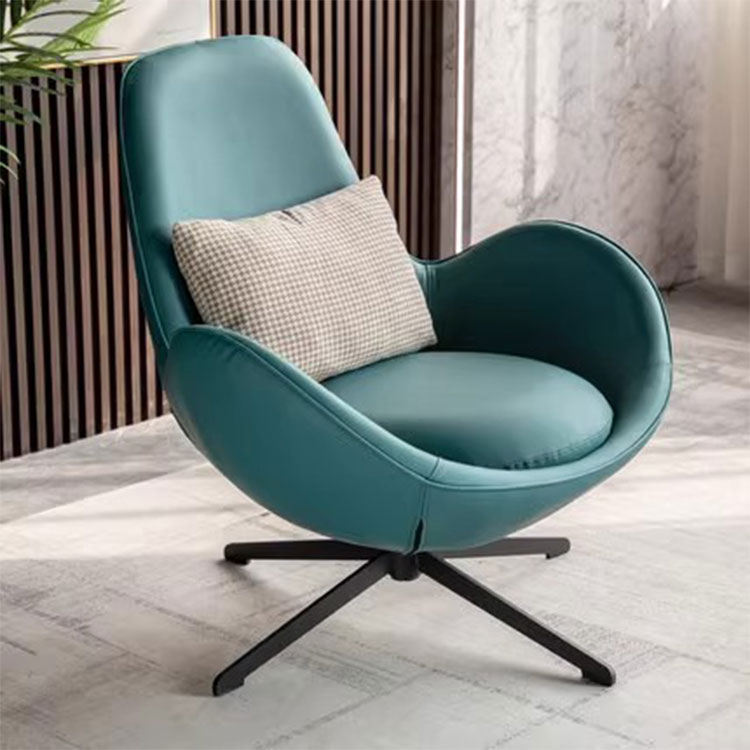
Single-seat configurations are designed specifically for reading, tablet use, and prolonged strategic planning. An executive lounge chair provides a dedicated zone for focused tasks away from the primary workstation. These chairs often feature a slight recline that relieves spinal pressure while keeping the head upright for reading. The pitch of the backrest is usually set between 105 and 115 degrees, which is optimal for reducing lumbar strain without inducing sleepiness.
When evaluating these chairs, look for specific features that enhance functionality. Swivel bases allow for dynamic movement, enabling the user to shift focus between a tablet and a secondary monitor without straining their neck. High backs provide acoustic isolation, reducing ambient room noise, while integrated lumbar support ensures lower back health during extended sessions. The base should be constructed of cast aluminum or heavy-duty steel to prevent tipping when leaning back.
Home offices that host external stakeholders require specific seating arrangements. Two-seater loveseats or paired chair configurations work best for these scenarios. Compact visitor seating allows you to accommodate guests without overwhelming the room's footprint. These pieces are typically scaled down, featuring narrower armrests and a shallower seat depth compared to living room furniture.
A critical factor for guest seating is the seat pan firmness. Guests must be able to sit down and stand up easily without sinking deeply into the cushions. A firmer seat pitch maintains professional decorum and ensures that meetings remain focused and comfortable for all parties involved. Seat heights for visitor seating should strictly adhere to the 17 to 19-inch range to accommodate the widest variety of body types.
For transitional moments or brief informal meetings, a hybrid seating solution is highly effective. An office waiting chair serves as a versatile piece that can act as a quick resting spot or a place to review documents. These chairs are typically smaller, lighter, and easier to reposition depending on the day's requirements.
In smaller square footage environments, armless or low-profile designs offer significant footprint advantages. They can be tucked into corners or placed flush against walls, maximizing usable space while still providing necessary seating functionality. The lack of armrests allows users to slide in and out easily, which is ideal for tight spaces where a full-sized chair would block a pathway.
Space-saving furniture options that serve dual purposes are invaluable in hybrid environments. Modular sofa chairs with pull-out footrests, hidden storage compartments, or integrated swivel-away side tables maximize utility without requiring additional floor space. These intelligent designs keep the office organized and adaptable, allowing you to store reference materials or hardware out of sight.
For multi-use guest room and home office hybrids, convertible daybeds or executive sleepers offer practical solutions. These pieces function as professional seating during business hours and transform into comfortable sleeping arrangements for overnight guests, ensuring the room remains highly functional at all times. The internal mechanisms of these convertible pieces must be tested for smooth operation and durability, as cheap hinges will warp under frequent use.
Analyzing the return on investment of upholstery materials is necessary for long-term satisfaction. A leather office sofa chair crafted from full-grain or top-grain leather offers exceptional longevity. Over time, high-quality leather develops a rich patina that enhances its visual appeal, whereas lower-grade bonded leathers tend to peel, crack, and degrade within a few years of daily use.
Leather establishes a strong sense of executive authority and brings practical benefits to the workspace. It is naturally spill-resistant and easy to wipe clean, making it ideal for environments where coffee or water is frequently consumed during work sessions. When specifying leather, check the hide origin and the tanning process; aniline leathers are softer but more prone to staining, while semi-aniline offers a protective topcoat suitable for heavy use.
Commercial-grade textiles, such as wool blends and Crypton fabrics, offer excellent temperature regulation during long reading sessions. These high-performance fabrics resist staining and wear, maintaining a crisp appearance even under heavy daily use. You should look for fabrics that pass the Wyzenbeek rub test at 50,000 double rubs or higher to ensure they can withstand the friction of daily office wear.
Fabric upholstery provides a significant secondary benefit: acoustic dampening. In home offices with hard flooring and minimal window treatments, sound can bounce, creating an echo during video calls. Fabric seating absorbs sound waves, improving overall audio quality and creating a quieter, more focused work environment. Heavier weaves and thicker foams provide better sound absorption coefficients.
Modern executive seating increasingly incorporates built-in power solutions. Chairs featuring built-in power outlets, USB-C fast-charging ports, and wireless charging pads integrated into armrests allow professionals to keep devices powered without tethering themselves to the main desk. This integration prevents the battery anxiety that often interrupts long reading or planning sessions.
Cable management is a critical consideration when placing powered seating in the center of a room. Utilizing floor outlets, low-profile cable covers, or routing wires beneath area rugs prevents trip hazards and preserves the clean, uncluttered visuals necessary for a professional workspace. If the chair is freestanding, ensure the power cord is heavy-duty and long enough to reach the nearest wall outlet without pulling taut.
Long-term structural integrity relies heavily on the materials used inside the chair. Kiln-dried hardwood or steel frames are vastly superior to engineered wood or particleboard, which can warp or crack under continuous stress. A robust frame prevents the chair from developing squeaks or sagging over time. Look for corner-blocked, double-dowelled, and glued joints rather than simple staples or screws.
Standard commercial weight capacity benchmarks serve as an excellent indicator of build quality. Seating rated for 300+ pounds per seat generally features reinforced joints, higher-density foam, and superior suspension systems, ensuring the piece will withstand years of rigorous daily use. Sinuous spring suspension or eight-way hand-tied springs offer the best support and longevity compared to cheap webbing.
| Material Type | Durability (Wyzenbeek/Years) | Maintenance Requirements | Acoustic Benefit | Best Use Case |
|---|---|---|---|---|
| Top-Grain Leather | High (10+ years) | Wipe clean, periodic conditioning | Low | Executive presence, spill resistance |
| Commercial Wool Blend | 100,000 Double Rubs | Vacuum, spot clean | High | Temperature regulation, sound dampening |
| Performance Crypton | 50,000+ Double Rubs | Stain resistant, easy clean | Medium | High-traffic guest seating |
| Bonded Leather | Low (2-3 years) | Wipe clean, prone to peeling | Low | Budget setups, low-use areas |
Strategic placement of the sofa chair within the camera frame projects a polished, layered executive environment. Positioning the seating behind the main desk adds depth to the video feed, transforming a flat wall into a dynamic, professional background. This setup signals a comprehensive, well-equipped workspace. You must ensure the chair is fully visible but not obstructing any natural light sources or creating awkward shadows.
When placing seating near windows, mitigating risks of backlighting and glare is essential. Ensure the chair is positioned so that natural light illuminates the space without blinding the camera or washing out the video feed. Use sheer blinds to diffuse harsh sunlight while maintaining a bright atmosphere. Test the camera angle at different times of the day to verify the lighting remains consistent and professional.
Creating a dedicated reading nook involves pairing an executive lounge chair with task lighting, side tables, and power access. This setup allows for seamless device charging and provides adequate illumination for reviewing physical documents. A well-designed nook functions as a micro-environment within the larger office, complete with its own distinct lighting zone and functional accessories.
Managing cable routing in freestanding seating arrangements requires planning. If the chair is floating away from the walls, utilize floor grommets or route cables discreetly along the legs of the side table to maintain a clean aesthetic and prevent accidents. Zip ties and cable sleeves are inexpensive tools that keep the area looking sharp and intentional.
Integrating executive seating into shared residential spaces, such as a living room corner office, requires clear spatial boundaries. Use spatial dividers, area rugs, and strategic furniture positioning to separate the professional zone from the relaxation area. This physical separation aids in maintaining focus and signals to family members when you are working. A distinct rug under the office setup visually anchors the space.
Select seating profiles that bridge residential and corporate design. Low-profile modern pieces with tailored upholstery blend seamlessly with home decor while retaining the necessary firmness and structure for professional use. Avoid overly corporate black leather if the rest of the room features soft, neutral linens; instead, opt for a warm cognac leather or a textured grey wool.
Selecting upholstery colors that coordinate with existing wall paint, window treatments, and flooring ensures a harmonious environment. If the office features dark hardwood floors, choosing a lighter fabric for the seating provides necessary contrast and prevents the room from feeling heavy or cave-like. Matching the wood finish of the chair legs to the desk or flooring ties the room together.
Contrasting dark executive desk setups with lighter, neutral-toned sofa fabrics opens up tight spaces. Conversely, if the desk and walls are light, a deep navy or rich brown leather chair can anchor the room and add a touch of traditional executive gravitas. Always request physical fabric swatches to view in your specific room lighting, as screen colors rarely match reality.
Utilizing professional-grade accessories adds comfort without looking overly casual on camera. Ergonomic lumbar support pillows in textured fabrics provide necessary back support while enhancing the chair's visual appeal. High-quality wool throws can be draped neatly over an armrest for temperature control during colder months, adding texture without looking messy.
Avoid overly personalized or cluttered decor on or around the seating. Keep side tables clear of excessive personal items, opting instead for functional pieces like a sleek desk lamp, a leather coaster, or a structured document tray. The goal is to maintain a clean, ready-to-work appearance at all times.
A common conceptual trade-off exists between highly stylized, low-slung modern pieces and the ergonomic necessity of proper knee-to-hip ratios. While a deep, low sofa may look striking in a design magazine, it forces the user into a slouched posture that is detrimental during professional tasks. Executive seating must prioritize a seat height that allows feet to rest flat on the floor with knees at a 90-degree angle. If the seat depth exceeds 22 inches, you will likely need a lumbar pillow to maintain proper posture.
Comparing the replacement cycle of budget residential seating against commercial-grade executive seating reveals significant differences in lifecycle value. Budget pieces typically require replacement every two to three years as foam degrades, fabric pills, and frames loosen. In contrast, commercial-grade seating is engineered to last a decade or more, maintaining its shape and support through thousands of hours of use.
Warranty evaluations are a critical part of the selection process. Review the coverage for the frame, foam, and upholstery separately. A robust warranty on the frame (often 5 to 10 years) indicates manufacturer confidence in the structural integrity of the piece. Foam warranties usually cover abnormal loss of resiliency, protecting you against cushions that flatten out prematurely.
A: The ideal seat height ranges from 17 to 19 inches. This height supports easy standing and maintains proper posture, allowing your feet to rest flat on the floor while keeping your knees at a 90-degree angle during laptop use or reading.
A: You should maintain a minimum of 36 inches for primary walkways to ensure easy movement. Additionally, leave about 18 inches of space between the seating and any coffee tables or side tables to allow guests to sit and stand comfortably.
A: Leather offers superior durability, spill resistance, and a commanding executive aesthetic, making it easy to maintain. Fabric provides better breathability, temperature regulation, and acoustic dampening benefits, which can improve audio quality during video calls.
A: No. A traditional desk chair is specifically engineered for active keyboard work and desk alignment. An executive lounge chair serves as secondary seating designed for reading, reviewing documents, and strategic thinking away from the computer.
A: An office waiting chair features commercial-grade foam density, a firmer seat pitch to assist with standing, and highly durable upholstery designed for frequent use. Living room accent chairs often prioritize plush, deep comfort over structural support.
A: Focus on chairs with low-profile arms and exposed legs to create visual space. Utilize corner placement strategies to keep the center of the room open, and consider smart multi-functional furniture with built-in storage to maximize utility.
A: Use visual zoning techniques such as area rugs to define the workspace. Select low-profile modern designs and complementary color palettes that bridge residential comfort with corporate structure, ensuring the piece looks cohesive within the broader room design.


