
Views: 0 Author: Site Editor Publish Time: 2026-07-17 Origin: Site


The traditional executive office is evolving from a rigid, desk-centric layout to a dynamic hybrid environment. It functions as a workspace sanctuary where critical decisions, creative collaboration, and confidential negotiations occur in high-end lounge areas rather than across a massive desk. Selecting an executive sofa set for office use requires technical evaluation. Residential-grade furniture fails in commercial settings due to improper ergonomics for working posture, rapid material degradation, and poor spatial flow.
This guide provides a technical evaluation framework for selecting an executive sofa set that balances authoritative design, commercial-grade durability, and functional ergonomics to create a modern lounge within leadership spaces.
Leadership styles are shifting away from the barrier of a massive executive desk toward open, collaborative environments. A modern lounge setup encourages dialogue and breaks down hierarchical barriers during private conversations. The "New Work" philosophy leverages high-end lounge environments to foster creative thinking, spontaneous collaboration, and informal yet high-stakes negotiations. A dedicated seating area facilitates better communication, allowing leaders to connect with their teams and clients on a more personal level. When executives move from behind a desk to a shared seating arrangement, the physical shift signals openness. This layout change directly impacts the tone of meetings, turning rigid reporting sessions into productive strategy discussions.
Implementing this shift requires careful spatial planning. You cannot simply drop a sofa into a corner and call it a collaborative zone. The furniture must be positioned to take advantage of natural light while avoiding glare on laptop screens. It should offer a clear line of sight to the office door without making the occupants feel exposed. The seating arrangement must support eye contact and active listening, which means avoiding overly deep or low seating that forces users into a reclined, passive posture.
Successful executive lounges require acoustic privacy, integrated power and data access, and aesthetic alignment with corporate branding. These spaces serve a dual purpose. They act as a private workspace for the executive, supporting deep focus and relaxation, while also functioning as a welcoming area for VIP guests. The right private office lounge furniture must meet these rigorous demands without compromising on style or functionality.
Acoustic privacy is often overlooked in lounge design. Soft seating, heavy drapery, and acoustic wall panels help absorb sound, preventing confidential conversations from leaking into adjacent corridors. Integrated power is another non-negotiable requirement. Executives and guests need immediate access to charging ports for laptops and phones. Floor core drilling or low-profile power tracks must be planned during the build-out phase to route electricity directly to the lounge area without creating trip hazards.
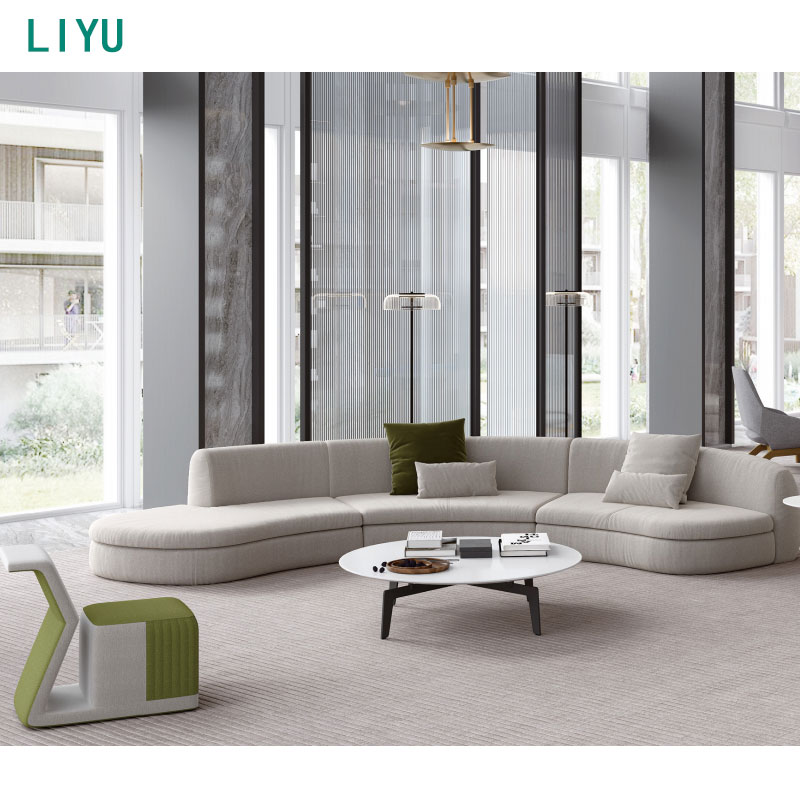
The ideal seat height for an office lounge sofa is typically 17 to 18 inches, with a seat depth of 20 to 22 inches. This ensures users can keep their feet flat on the floor and stand up easily in professional attire. High-resiliency foam with a high Indentation Load Deflection rating is necessary to prevent the slouching posture common with deep, plush residential sofas. Backrest angles and lumbar support must be tailored specifically for active laptop use, reading, and sustained professional interaction.
When testing foam density, look for commercial-grade polyurethane foam with a density of at least 2.5 pounds per cubic foot. This provides the necessary push-back to keep users upright and engaged. The pitch of the backrest should be slightly more vertical than a standard living room sofa, typically around 100 to 105 degrees. This angle supports the lower back while allowing the user to lean forward easily to review documents or type on a laptop placed on a coffee table.
Using residential furniture in commercial spaces presents operational and liability risks, including voided commercial warranties, rapid structural wear, and non-compliance with local fire codes. Structural requirements for commercial use include kiln-dried hardwood or reinforced steel frames and heavy-duty suspension systems like sinuous springs or double-coned coil systems. These elements ensure the sofa can withstand the daily rigors of a busy office environment.
Commercial frames are built to handle higher weight capacities and more frequent use. Joints should be double-doweled, glued, and screwed, with corner blocks added for extra stability. Suspension systems must provide consistent support across the entire seating surface, preventing sagging over time. When evaluating a sofa, check the manufacturer's specifications for BIFMA testing, which simulates years of heavy use to ensure structural integrity.
When pairing the executive sofa set with existing executive desks, ergonomic task chairs, and auxiliary tables, strict guidelines must be followed. Maintain adequate pathways with a minimum of 36 inches of clearance. Avoid blocking sightlines to the main desk or video conferencing screens, and ensure natural window light is not obstructed. Proper spatial flow is critical for maintaining a functional and professional atmosphere.
Consider the following spatial requirements when planning your layout:
Traditional tufted leather, such as Chesterfields, projects heritage, stability, and timeless prestige, making it ideal for law firms, investment banks, or financial institutions. In contrast, sleek, minimalist modern Italian leather designs are better suited for tech companies, venture capital firms, or modern creative corporate headquarters. Maintenance realities must be considered, including conditioning schedules, susceptibility to scratches, and patina development over years of professional use.
Full-grain leather is the gold standard for executive seating. It retains the natural texture of the hide and develops a rich patina over time. However, it requires regular conditioning to prevent drying and cracking. Top-grain leather is a more practical alternative for high-traffic areas, as it is sanded and treated with a protective finish that resists stains and scratches while still offering a premium look and feel.
Commercial-grade performance fabrics, like Crypton and Kevlar blends, are rising in popularity for high-traffic leadership lounges due to their durability and stain resistance. Premium wool blends offer natural acoustic dampening properties, thermal regulation, and sustainability certifications such as OEKO-TEX and Cradle to Cradle. These materials provide a sophisticated look while meeting the practical demands of commercial office interiors.
| Material Type | Durability (Double Rubs) | Maintenance Level | Best Application |
|---|---|---|---|
| Full-Grain Leather | High | High (Requires conditioning) | Private executive offices, low-traffic VIP areas |
| Top-Grain Leather | High | Medium (Wipe clean) | Boardrooms, high-traffic executive lounges |
| Performance Fabric (Crypton) | 100,000+ | Low (Stain resistant) | Collaborative zones, reception areas |
| Premium Wool Blend | 50,000 - 80,000 | Medium (Professional cleaning) | Acoustic-sensitive spaces, sustainable designs |
The visual weight and durability of exposed bases play a significant role in the overall aesthetic. Polished chrome or aluminum bases offer a modern look and are easy to clean around. Solid wood plinths provide a traditional, grounding effect. The choice of base material should align with the broader design language of the office.
Metal bases are highly durable and resist scuffs from shoes and vacuum cleaners. They are ideal for contemporary spaces where a light, floating aesthetic is desired. Wood bases, particularly those made from hardwoods like walnut or oak, add warmth and texture. They require more careful maintenance to prevent scratches and water damage but offer a classic, substantial appearance that anchors the room.
A standard setup often includes a compact two-seater executive sofa paired with two contrasting, swivel-base lounge chairs. This layout is optimal for maintaining eye contact, minimizing hierarchical barriers, and supporting flexible physical orientation during one-on-one meetings or small group discussions.
Swivel chairs are particularly effective in this configuration. They allow users to easily shift their focus between the person on the sofa, a presentation screen, or the main executive desk. The coffee table in this setup should be round or oval to facilitate easy movement around the seating area and prevent sharp corners from impeding traffic flow.
Integrating a standing desk or writing desk zone with a primary lounge zone creates a multi-zonal workspace sanctuary. Incorporate specialized auxiliary pieces like low-profile laptop desks, mobile nesting tables, and proximity-based lighting. This allows the executive sofa set to function effectively as an alternate workstation.
To execute this transition smoothly, ensure consistent material palettes across both zones. If the main desk features a walnut veneer and black metal accents, echo those materials in the lounge area's side tables and lamp bases. Use area rugs to visually define the lounge space, providing a soft contrast to hard flooring surfaces and improving acoustic performance.
For larger executive suites that frequently host team briefings, brainstorming sessions, or board-level discussions, modular sofa systems are an excellent choice. These configurations can include built-in power modules, wireless charging pads, and integrated tablet arms, providing a flexible and highly functional alternative to the traditional boardroom.
Modular systems allow for reconfiguration based on the specific needs of a meeting. An L-shaped setup can be broken apart into separate seating clusters for breakout discussions. When specifying modular furniture, ensure the connection mechanisms are robust and easy to operate, preventing the pieces from drifting apart during use.
High-end executive sofas can also be utilized in anterooms or executive assistant spaces immediately outside the private office. A luxury reception sofa sets the tone for visitors, board members, and prospective clients before they enter the main executive suite, projecting professionalism and authority.
In reception areas, durability is paramount. Select materials that can withstand constant use and are easy to clean. Firm seating is essential here, as guests may be waiting for extended periods and need to stand up quickly when called. Pair the sofa with sturdy side tables that provide a convenient surface for briefcases or beverages.
Supply chain delays are a reality for custom upholstery (COM - Customer's Own Material) versus quick-ship standard options. Mitigate these risks by requesting physical fabric or leather swatches and verifying frame dimensions against architectural layouts before issuing purchase orders. Careful planning ensures the furniture arrives on time and fits the space perfectly.
When ordering COM, factor in additional time for the fabric to be shipped to the furniture manufacturer and inspected for flaws before production begins. Always order a minimum of 10% extra yardage to account for pattern matching and potential cutting errors. Verify the delivery path, including elevator dimensions and door widths, to ensure the fully assembled sofa can reach the executive suite without issue.
Verifying CAL 117-2013 compliance for flammability and BIFMA certification is essential for commercial environments. Look for a commercial warranty that offers 5 or more years on frames and suspension, which is distinct from fabric warranties. This ensures the investment is protected and meets all necessary safety standards.
BIFMA testing covers various aspects of furniture performance, including seat drop tests, backrest durability, and leg strength. Furniture that passes these rigorous tests is built to last in a demanding office environment. Keep all certification documents and warranty information on file for facility management and insurance purposes.
An executive sofa set for office environments must bridge the gap between authoritative design, psychological comfort, and the rigorous ergonomic demands of a working commercial office interior. Measure the available footprint to ensure proper clearance. Determine the required seating posture, focusing on firmness and height. Select materials based on brand identity and maintenance capacity, and always verify BIFMA compliance.
A: Executive sofas feature higher seat heights (17-18 inches) and firmer foam density for active working posture. They require BIFMA certification for weight capacity and durability, and utilize heavy-duty frames to withstand commercial wear, unlike softer residential models.
A: Align design languages, material palettes, and wood or metal finishes. If your desk chair features polished aluminum and black leather, echo those materials in the lounge furniture's base and upholstery to create a cohesive workspace sanctuary.
A: Maintain a minimum of 36 to 48 inches of clearance around coffee tables and pathways for natural movement and ADA compliance. Ensure the setup does not block sightlines to the main desk or natural light sources.
A: Full-grain leather offers timeless prestige and durability for executive spaces. For high-traffic areas, commercial-grade performance fabrics like Crypton provide excellent stain resistance and longevity while maintaining a professional appearance.
A: No. Residential sofas often lack the firm ergonomics required for laptop use, void commercial warranties, and may fail to meet local fire codes (CAL 117-2013) or BIFMA standards necessary for commercial liability.
A: The ideal seat height is 17 to 18 inches. This allows users to sit upright, keep their feet flat on the floor, and stand up easily while wearing professional attire, avoiding an unprofessional slouch.
A: Look for modular systems with under-seat power modules or integrated armrest charging ports. Coordinate with an electrician for floor core drilling to route power directly to the lounge area without creating trip hazards.


