
Views: 0 Author: Site Editor Publish Time: 2026-07-23 Origin: Site


Architects, interior designers, and procurement managers constantly face the challenge of sourcing seating that balances heavy-duty durability with refined aesthetics. The prevalence of grey seating in commercial interiors stems from its extreme neutrality and adaptability across diverse architectural styles. However, specifying the wrong shade, texture, or build quality for a grey sofa for office environments quickly results in a sterile, uninviting, or rapidly degrading workspace. High-traffic corporate environments demand rigorous standards. You must balance aesthetic versatility with commercial-grade durability, spatial constraints, and brand alignment when sourcing seating for high-traffic corporate environments.
This guide provides a technical evaluation framework for specifying grey seating in commercial projects. We detail material performance metrics, custom manufacturing capabilities, and strategic integration techniques. You will learn how to evaluate rub counts, select the right frame construction, and utilize modular accessories to maximize both longevity and user experience.
Commercial seating must survive relentless daily use while maintaining its structural and visual integrity. Success hinges on a matrix of durability, brand neutrality, ease of maintenance, and ergonomic support. High-density foam cores prevent sagging over time, requiring a minimum density of 2.5 lbs/cu.ft. for seat cushions. Hardwood or reinforced steel frames withstand heavy weight loads and constant shifting. Grey serves as an ideal canvas because it hides minor scuffs, lint, and dust better than stark white or solid black. It allows facility managers to maintain a clean appearance with standard janitorial protocols. Ergonomic support ensures that employees or guests remain comfortable during extended collaborative sessions or waiting periods, demanding specific seat depths and backrest angles tailored to active sitting rather than passive lounging.
Color psychology plays a critical role in spatial planning and user behavior. Different shades of grey communicate distinct messages depending on the zone. A deep charcoal grey anchors a room, projecting authority, stability, and permanence. This makes it a staple in the executive seating palette, often paired with dark wood veneers and metallic accents. Conversely, a light dove grey feels airy and approachable. Designers frequently use lighter shades in breakout rooms or casual meeting hubs to encourage open communication and creative thinking. Mid-tone greys strike a balance, offering a professional yet welcoming vibe suitable for general reception areas. Selecting the exact undertone—cool blues versus warm taupes—dictates the emotional response of the user entering the space and must coordinate with the architectural lighting plan.
Modern workspaces increasingly blend corporate rigidity with residential comfort. This design shift aims to make employees feel relaxed and focused, reducing the sterile feel of traditional cubicle farms. You can bridge this gap by specifying cozy, approachable grey seating solutions that retain commercial-grade performance. Think plush cushions wrapped in heavy-duty bouclé or soft, top-grain leathers treated for stain resistance. These pieces look like they belong in a high-end living room but feature the reinforced joinery, heavy-duty suspension systems, and high-resiliency foam required for public spaces. This approach reduces workplace stress and fosters a more collaborative, creative environment without sacrificing the lifespan of the furniture asset.
A unified grey baseline allows designers to create distinct functional zones without breaking visual continuity across a large floor plate. You can place a sleek, low-profile grey sofa in the reception area, a modular grey sectional in the collaborative hub, and a plush grey leather piece in a private office. The shared color palette ties the entire floor plan together, creating a cohesive architectural narrative. You then differentiate the zones using varied textures, surrounding accent colors, and specific lighting temperatures. This strategy simplifies procurement, allows for bulk purchasing discounts, and ensures that pieces can be relocated between departments if spatial requirements change in the future.
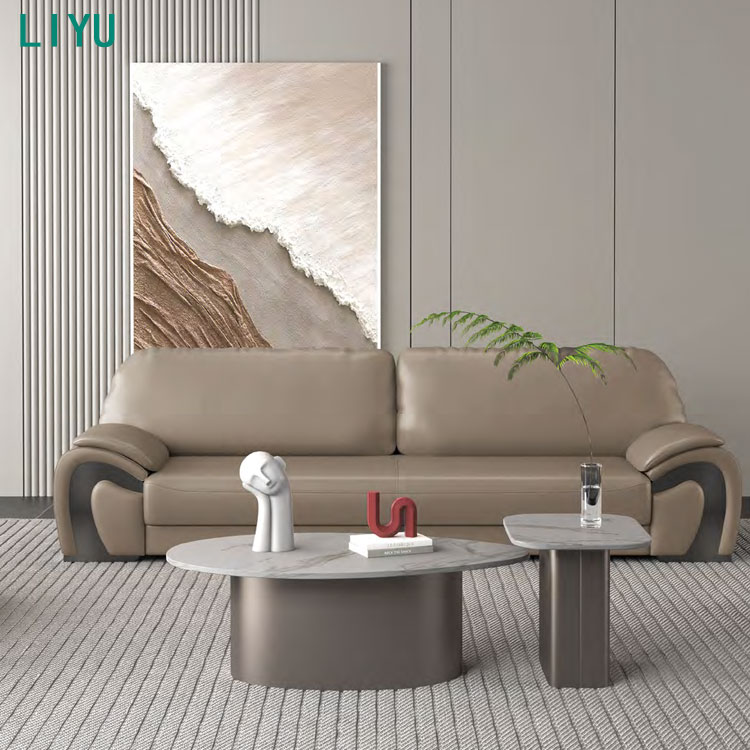
Choosing between woven synthetics and natural hides involves weighing aesthetics against maintenance capabilities and environmental factors. High-performance woven synthetics, such as Crypton or polyurethane blends, offer exceptional durability. They resist moisture, repel stains, and often feature antimicrobial treatments essential for shared spaces. Natural and vegan leathers provide a premium tactile experience and are easier to wipe down quickly. When evaluating leather office sofa colors, you must consider the specific environment. Warm-toned charcoal leathers hide wear exceptionally well in high-use areas. Cool-toned slate offers a sharp, modern edge for tech-focused environments. Pebbled textures prevent the flat, plastic appearance sometimes associated with lower-grade hides and help mask minor scratches. You must also evaluate breathability, dye-lot consistency, and susceptibility to cracking in heavily climate-controlled offices with low humidity.
Front-of-house environments endure the highest traffic volumes and the most unpredictable wear. The reception sofa finish must withstand constant friction, spills, and varied clothing dyes, particularly indigo transfer from denim. You need materials with high stain resistance and integrated moisture barriers that prevent liquids from reaching the foam core. For healthcare facilities or high-volume corporate lobbies, bleach-cleanable ratings are mandatory to meet infection control standards. Vinyl and advanced polyurethanes mimic the look of woven fabrics or leather while offering superior wipeability. Always check the double-rub count; anything below 50,000 is insufficient for a busy reception desk waiting area, and 100,000+ is preferred for maximum longevity.
Material choices must align directly with the facility management team's capabilities and budget. Specifying a delicate wool blend in a cafeteria-adjacent lounge guarantees premature failure and permanent staining. Understand the cleaning codes (W, S, WS, X) associated with your selected upholstery. Water-based cleaners work for some, while others require specialized dry-cleaning solvents. Implementing a proactive maintenance schedule—including regular vacuuming to remove abrasive dust, prompt spill response, and periodic deep extraction cleaning—dramatically extends the asset's lifespan. Proper material specification reduces the frequency of reupholstery or total replacement, maximizing the return on the initial furniture investment.
| Material Type | Durability (Rub Count) | Maintenance Level | Best Application Zone |
|---|---|---|---|
| High-Performance Synthetic (e.g., Crypton) | 100,000+ | Low (Stain/Moisture Resistant) | Collaborative Hubs, Breakrooms |
| Top-Grain Leather | N/A (Evaluated by thickness/finish) | Medium (Requires conditioning) | Executive Suites, Boardrooms |
| Commercial Vinyl / Polyurethane | 200,000+ | Very Low (Wipeable, Bleach-cleanable) | High-Traffic Reception, Healthcare |
| Commercial Wool Blend | 50,000 - 80,000 | High (Professional cleaning required) | Low-Traffic Quiet Zones, Private Offices |
Off-the-shelf sizing rarely maximizes the potential of complex commercial floor plans, often leaving awkward gaps or obstructing pathways. Specifying custom office furniture allows you to dictate exact lengths, depths, and angles to fit the architecture perfectly. You can design modular corner units that wrap around structural columns, fit perfectly into irregular alcoves, or follow the curve of a glass partition. Custom depths accommodate different lounging preferences, from upright waiting postures (typically 20-22 inches deep) to relaxed collaborative brainstorming (24+ inches deep). This precise spatial planning ensures smooth traffic flow, complies with ADA clearance requirements, and maximizes usable square footage without crowding the environment.
A single grey sofa often looks isolated in a large commercial space. You build monochromatic cohesion by specifying matching modular accessories that expand the footprint of the seating zone. Integrated footrests, detached ottomans, and modular extensions create a seamless, elegant layout. These pieces allow users to reconfigure the seating arrangement based on immediate needs. A team can pull ottomans together for a quick huddle, then push them apart for individual focused work. Keeping these elements in the same grey fabric family maintains visual discipline while offering high functional flexibility. Heavy-duty ganging brackets should be specified to keep modular pieces securely connected when desired, preventing them from drifting apart on hard surface flooring.
Modern workers require constant connectivity, making access to power a primary driver of where people choose to sit. Custom seating solutions embed AC and USB-C power modules directly into the chassis, seat fronts, or armrests. This eliminates tripping hazards from extension cords and keeps devices charged during long meetings. Ergonomics also shift in a commercial setting. You must specify seat height (typically 17-18 inches) and foam density appropriate for working postures. Residential sofas are often too deep and soft, making it difficult to use a laptop or stand up quickly. High-resiliency foam with a firmer compression modulus supports active sitting, prevents fatigue, and maintains its shape after thousands of compression cycles.
Open-plan offices suffer from severe noise pollution and a lack of visual privacy, leading to decreased productivity and employee frustration. You can utilize seating to mitigate these issues directly. High-back sofa configurations act as physical barriers, blocking sightlines and creating semi-private meeting enclaves without the need for drywall construction. Specifying sound-dampening materials, such as heavy grey felt or thick wool blends, absorbs ambient noise and improves the Noise Reduction Coefficient (NRC) of the space. These acoustic sofas reduce reverberation, making conversations clearer for those seated inside the enclave while minimizing disruption to the surrounding workstations.
A monolithic, smooth grey fabric quickly looks flat and institutional, especially under fluorescent lighting. You prevent this by specifying heavily textured weaves. Bouclé, herringbone tweed, or distressed leather catch the light differently, adding visual depth and tactile interest. Layering these textures within the same piece—such as a smooth leather frame with textured fabric seat cushions—creates immediate architectural interest. Contrast is your primary tool against a boring aesthetic. The tactile experience of the fabric is just as important as the visual color, providing a sense of quality and comfort that users notice immediately upon sitting.
Styling elements must meet the same rigorous standards as the seating itself; residential throw pillows will flatten and fray within weeks. Integrate high-performance accent cushions in brand-aligned palettes. If the corporate colors are vibrant, use them sparingly as accents against the grey canvas. Alternatively, introduce contrasting warm tones like burnt orange, mustard, or deep terracotta to break up the cool grey. Coordinate the seating zone with contract-grade area rugs. Evaluate the Texture Appearance Retention Rating (TARR) to ensure the rug withstands heavy foot traffic while anchoring the space, defining the zone, and introducing subtle patterns that hide dirt.
Lighting drastically alters the perception of grey upholstery, and failing to coordinate the two is a common specification error. The color temperature of office lighting, measured in Kelvins, interacts directly with the fabric's undertones. Cool white lighting (4000K and above) emphasizes blue undertones, making the sofa look crisp but potentially chilly and clinical. Warm white lighting (3000K to 3500K) pulls out taupe and brown undertones, creating a cozier, more inviting atmosphere. You must test physical fabric swatches under the exact lighting conditions planned for the final installation to avoid unpleasant color shifts that clash with the surrounding finishes.
A grey sofa does not exist in a vacuum; it must interact harmoniously with the surrounding architecture and interior elements. Pair grey seating with warm wood veneers on nearby coffee tables, wall paneling, or flooring to inject organic warmth. Incorporate metallic accents, such as matte black legs, brushed brass side tables, or polished chrome hardware, to elevate the sophistication and match door hardware. Biophilic design elements, including large potted plants, living green walls, or natural stone textures, provide a vibrant, natural contrast to the neutral grey, instantly making the space feel alive, welcoming, and grounded.
Never specify residential furniture for a commercial project, regardless of how good it looks or how much budget it saves initially. You must verify ANSI/BIFMA compliance. This certification guarantees the structural integrity of the frame, the durability of the mechanisms, and the resilience of the foam under continuous, heavy use. Fire safety is equally critical and legally mandated in most jurisdictions. Ensure all upholstery and foam components meet CAL 117-2013 flammability standards. For projects targeting sustainability goals, look for Greenguard Gold certification to ensure low VOC emissions, or verify that the materials contribute to LEED or WELL building standards, which prioritize indoor air quality and occupant health.
Custom manufacturing requires meticulous project management and realistic scheduling. You must manage expectations regarding timelines with the client or general contractor. Standard commercial seating might ship in four to six weeks, but custom dimensions, integrated power, or Customer's Own Material (COM) specifications can push lead times to 10 or 14 weeks. Factor in shipping logistics, freight elevator availability, loading dock schedules, and union installation rules. For large corporate campuses, plan phased rollouts.
A robust warranty protects the initial capital investment. Evaluate the manufacturer's warranty specifics carefully before specifying the product. Look for comprehensive coverage on the internal frame, suspension systems (springs or webbing), and the upholstery itself. Understand the difference between a structural warranty (often 10+ years) and a fabric wear warranty (often 3-5 years). Accurate warranty data allows facility managers to forecast replacement cycles and allocate future budgets effectively. Proper lifecycle management, including scheduled maintenance and prompt repairs, ensures the seating remains safe, comfortable, and visually appealing for its intended duration.
A carefully specified grey seating solution serves as a highly strategic asset in any commercial environment. It offers unmatched versatility, hides daily wear, and adapts to evolving design trends without requiring constant replacement. Success relies entirely on rigorous commercial-grade specification rather than mere aesthetic preference.
A: High-performance synthetics like Crypton or solution-dyed acrylics are standard for commercial durability. You should look for materials with a Martindale rating of 50,000+ rubs. These fabrics offer excellent stain resistance, moisture barriers, and are easy for facility teams to maintain.
A: Utilize texture layering by choosing materials like contract-grade bouclé, wool, or distressed leather. Introduce warm lighting (3000K-3500K) and specify matching modular ottomans. Incorporate contrasting elements like biophilic design, warm wood tones, and high-performance throw cushions.
A: Leather provides a premium aesthetic and is highly wipeable, making it excellent for short-wait receptions where spills are common. However, high-performance fabrics often offer better breathability and acoustic absorption, which are preferable for longer collaborative sessions.
A: Deep charcoal, warm slate, and rich mineral greys are highly favored. These shades convey sophisticated authority and permanence. They also hide minor wear, pen marks, and denim dye transfer much better than lighter dove-grey or pure white leathers.
A: Lead times vary based on the manufacturer and the level of customization. Altering dimensions, integrating power modules, or using Customer's Own Material (COM) typically pushes lead times to range between 6 to 12 weeks. Always confirm before ordering.
A: Commercial seating must meet ANSI/BIFMA standards for structural durability and safety. It must also comply with CAL 117-2013 for fire resistance. Projects focused on wellness may also require Greenguard Gold certification for low VOC emissions.
A: Most custom commercial manufacturers offer integrated AC and USB power as an add-on. However, you must specify this during the initial design phase. This ensures proper internal cable routing, structural support, and compliance with local electrical codes.


