
Views: 0 Author: Site Editor Publish Time: 2026-07-10 Origin: Site


Executive environments have shifted strategically from rigid, formal boardrooms to sophisticated leadership lounges designed for high-stakes, nuanced conversations. Selecting the right seating for these spaces requires careful technical evaluation. A frequent failure point in executive design involves choosing residential-grade furniture that lacks the structural integrity for high-traffic use, or selecting overly rigid commercial pieces that fail to project the necessary authority. Balancing aesthetics and durability is essential for creating an effective leadership environment.
This guide provides a technical and aesthetic evaluation of how to select a corporate office sofa that balances commercial durability, ergonomic support for professional posture, and executive-level design. By understanding the specific structural requirements of corporate seating, you can make informed decisions that enhance both the functionality and the visual appeal of your leadership spaces without compromising on long-term performance.
A leadership lounge serves multiple primary objectives. It facilitates confidential discussions, hosts high-level clients, and provides a secondary workspace for executives. The furniture chosen for this space must support these functions while maintaining a high standard of comfort and professionalism. Selecting the proper private office lounge furniture plays a critical role in shaping the environment and dictating how the space is utilized by leadership teams.
There is often a conceptual trade-off between visually striking, low-profile designs and the practical necessity of comfortable, supportive seating for extended meetings. While aesthetics draw the eye, functionality cannot be compromised when executives are sitting for hours. The tactile and visual quality of commercial office interiors directly communicates corporate stability and authority to visiting stakeholders, making the physical weight and texture of the furniture a silent brand ambassador.
Dedicated lounge zones allow leadership teams to unwind, reset cognitive loads, and collaborate in low-stress environments. This sets a positive cultural tone for the entire organization. Fostering executive synergy and well-being through thoughtful design choices yields long-term benefits for the company, ensuring that leaders have a dedicated zone for both deep focus and casual collaboration.
When evaluating these spaces, facility managers and designers must look beyond the surface. The internal construction of the seating dictates how well it will hold up to daily use by individuals of varying weights and sitting habits. A poorly constructed frame will begin to squeak and sag within months, completely undermining the premium aesthetic the room was designed to project.
Furthermore, the acoustic properties of the furniture should not be overlooked. Heavy fabrics and dense foams absorb ambient noise, reducing the echo in large executive suites and ensuring that confidential conversations remain private. This functional aspect of lounge seating is just as critical as its visual appeal.
An executive sofa set is ideal for formal private offices and traditional leadership suites. It typically features structured arms, tufted or tailored upholstery, and a matching loveseat or club chair configuration. This style offers a timeless, authoritative aesthetic that commands respect and anchors a room visually.
The primary advantage of this configuration is its clear communication of hierarchy and stability. However, it lacks flexibility for reconfiguring the space for larger collaborative sessions. Once placed, these heavy, structured pieces are rarely moved, meaning the room's layout remains static. This makes them perfect for dedicated private offices but less ideal for multi-use innovation hubs.
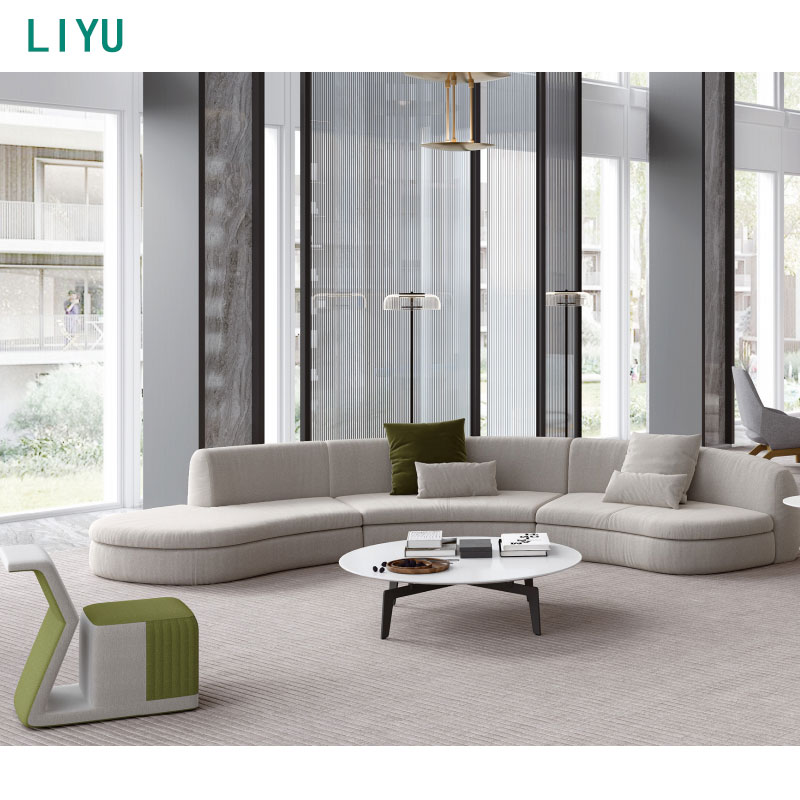
Modular and sectional configurations are best suited for open-plan executive lounges or dynamic innovation hubs. This component-based seating can be expanded, separated, or reconfigured as needed. Facility teams can easily swap out damaged sections without replacing the entire unit, offering a practical maintenance advantage.
While highly adaptable to changing spatial needs, modular seating requires careful space planning to avoid looking cluttered or informal. If the locking mechanisms between modules are weak, the pieces will drift apart during use, creating an untidy appearance. High-quality commercial modular units utilize heavy-duty steel ganging brackets to keep sections tightly secured.
Open-concept leadership areas requiring visual and acoustic privacy benefit from high-back acoustic sofas. These feature integrated high panels that absorb sound and block sightlines. They are excellent for confidential ad-hoc meetings, allowing executives to converse without booking a closed boardroom.
The drawback is their visual weight. High-back units can dominate the visual footprint of a room and block natural light if positioned incorrectly. They must be placed strategically, often against interior walls or used as room dividers, to maintain an open feel in the rest of the lounge.
Multi-purpose executive suites and small-footprint offices requiring rapid transitions between solo task work and collaborative hosting utilize convertible lounge units. These incorporate rotating elements, integrated side tables, adjustable backrests, or discreet daybed capabilities for power naps during long travel schedules.
They maximize space utility without compromising executive dignity. However, highly complex mechanical components present additional long-term wear points. Moving parts require regular inspection and lubrication, and any failure in the mechanism can render the entire piece unusable. Simplicity in mechanical design is preferred for commercial longevity.
Frame integrity is the foundation of any commercial seating. Kiln-dried hardwood or steel frames, reinforced corner blocks, and heavy-duty suspension systems like sinuous springs or webbing are necessary. Commercial office sofas must support significantly higher and more frequent weight loads than residential equivalents.
A residential sofa might be used for a few hours an evening, while a commercial piece could see continuous use for eight to ten hours a day by dozens of different people. This exponential increase in wear requires a fundamentally different approach to construction.
| Component | Residential Standard | Commercial Standard |
|---|---|---|
| Frame Material | Plywood or mixed woods | Kiln-dried hardwood or tubular steel |
| Joint Construction | Stapled and glued | Double-dowelled, screwed, and corner-blocked |
| Suspension | Basic webbing or drop-in coils | Heavy-gauge sinuous springs or steel bands |
| Weight Capacity | 200-250 lbs per seat | 350+ lbs per seat |
A corporate office sofa requires a flatter seat pitch and shallower depth, typically 20-22 inches. This prevents users from sinking back, ensuring they remain engaged and can stand up easily. When executives are meeting in suits or formal wear, struggling to get out of a deep, plush sofa is unprofessional and uncomfortable.
High-resiliency foam, typically 2.5 lb/cu ft or higher, prevents puddling and maintains a crisp, tailored appearance over time. Lower density foams will compress and lose their shape within a year of commercial use, leaving the fabric loose and wrinkled. The firmness of the cushion directly correlates to the ease of egress and the maintenance of an upright, attentive posture.
Top-grain and full-grain leathers offer excellent durability, a graceful aging process, and strong executive appeal compared to bonded alternatives. Bonded leather will peel and flake under heavy use, destroying the aesthetic of the room. Genuine leather, while requiring periodic conditioning, develops a patina that enhances its look over time.
Performance fabrics require high abrasion resistance. A Wyzenbeek rating of 50,000+ double rubs is the baseline for high traffic areas. Along with abrasion resistance, stain repellency and cleanability are paramount. Fabrics treated with moisture barriers prevent spills from penetrating the foam, allowing maintenance staff to clean accidents quickly without leaving permanent odors or water marks.
Sofas with integrated AC/USB/USB-C ports allow executives to power devices during extended working sessions without creating trip hazards. As laptops and tablets become the primary tools for meetings, accessible power is no longer a luxury but a strict requirement.
Hardwired furniture requires floor core drilling and limits future reconfiguration, whereas battery-powered or perimeter-plug solutions offer more flexibility. When specifying powered furniture, ensure all electrical components are UL-listed and that the wiring is fully concealed within the frame to prevent tampering or accidental damage.
Aligning sofa placement with executive coffee bars, credenzas housing beverage centers, and high-end tech docks enhances the hospitality experience. The lounge should function as a self-contained ecosystem where leaders have immediate access to refreshments and presentation tools.
Designing the lounge layout to facilitate comfortable viewing of wall-mounted presentations and video conferencing screens prevents neck strain and improves meeting efficiency. The seating should be arranged in a slight arc or V-shape facing the primary display, ensuring all participants have a clear line of sight without having to twist awkwardly.
Proper spatial planning ensures the room feels expansive rather than cramped. Standard architectural guidelines dictate specific clearances to maintain a professional atmosphere and comply with accessibility standards.
For small-footprint leadership lounges, use low-profile, high-impact two-seaters paired with wall-mounted lighting to maximize usable floor area. Match the scale of the luxury reception sofa to the ceiling height and square footage to prevent the furniture from looking dwarfed or overwhelming.
Integrate sophisticated color palettes like deep jewel tones, warm neutrals, or tailored tone-on-tone textures to break away from sterile monochrome corporate designs. The color of the seating anchors the room and sets the psychological tone for the meetings held within it.
Use high-end textiles and color accents to subtly reflect brand identity and values without relying on literal logo placements. A financial institution might opt for deep navy leathers to project stability, while a tech firm might choose vibrant, textured fabrics to stimulate creativity and energy.
Pair the primary sofa with contrasting accent chairs, appropriate table heights, and adequate task lighting. Opt for slightly higher lounge tables to accommodate laptop use comfortably. Standard coffee tables are often too low for typing, forcing users to hunch over.
Accent chairs should offer a firmer sit than the sofa, providing an alternative for individuals who prefer rigid back support. The materials of the complementary pieces should coordinate with, rather than exactly match, the primary sofa to create a curated, layered look rather than a catalog-bought set.
Custom commercial furniture often requires 8-16 week lead times. Buffer project timelines accordingly and utilize quick-ship programs when necessary to mitigate delays. Waiting until the final phases of a build-out to order seating will inevitably result in empty lounges on opening day.
Always request a physical strike-off or fabric memo before finalizing the order. Dye lots can vary significantly from digital renderings, and seeing the material under the actual lighting conditions of the executive suite is the only way to guarantee aesthetic accuracy.
Verify freight elevator dimensions and loading dock restrictions well in advance of the delivery date. A sofa that cannot fit in the elevator will require costly stair carries or even hoisting, which can derail a project budget.
Utilize professional white-glove installation teams to prevent damage to the furniture or the building during delivery. These teams are experienced in navigating tight corridors and will handle the uncrating, assembly, and removal of all packing materials, leaving the space ready for immediate use.
Scrutinize warranty terms specifically for commercial use, as many residential warranties are voided the moment the piece is placed in a commercial setting. A robust commercial warranty should cover the frame for a minimum of ten years and the foam and fabric for at least three to five years.
Check for parts availability, such as replaceable cushion covers or modular armrests, to ensure long-term usability. The ability to swap out a stained cushion cover rather than replacing the entire sofa is a massive advantage for facility maintenance budgets.
A successful corporate office sofa investment prioritizes commercial-grade internal construction and professional ergonomics just as highly as executive aesthetics. By understanding the technical specifications required for high-traffic environments, you can select pieces that maintain their structural integrity and visual appeal for years.
Choose traditional sets for formal authority, modular for adaptability, and high-back for privacy, always filtering by commercial durability standards. The right seating transforms a basic room into a strategic asset for leadership collaboration.
A: Commercial sofas feature reinforced hardwood or steel frames, higher density foam (2.5 lb+), and fabrics tested for high abrasion resistance (50,000+ double rubs). Residential sofas lack these structural enhancements and their warranties are strictly voided in business environments.
A: The optimal seat height is 17 to 18 inches from the floor. This specific height allows users to sit comfortably in tailored business attire and stand up easily without straining their knees or back.
A: Top-grain leather provides a premium, authoritative feel and ages gracefully. For high-traffic lobbies, high-performance crypton or poly-blends with a moisture barrier and a minimum of 50,000 double rubs are highly recommended.
A: Select compact, highly structured two-seater sofas with slim armrests. Incorporate wall-mounted task lights instead of floor lamps, and prioritize vertical space to avoid visual clutter and maximize usable floor area.
A: Sophisticated color palettes like deep blues and warm earth tones foster trust, stability, and calm. Conversely, high-contrast textures and vibrant accents can spark creative engagement in innovation hubs.
A: A true commercial-grade sofa, built with a kiln-dried frame and high-resiliency foam, should maintain its structural integrity and aesthetic appeal for 7 to 10 years under daily corporate use.
A: Utilize floor cores directly beneath the furniture, architectural power tracks, and integrated furniture daisy-chaining. These professional solutions avoid trip hazards and maintain a clean, cord-free aesthetic in the lounge.


