
Views: 0 Author: Site Editor Publish Time: 2026-07-07 Origin: Site


Finding the right balance between modern workplace design and strict procurement realities is a common challenge for facility managers. Employees and clients expect comfortable, contemporary environments that reflect a modern brand identity. However, commercial-grade lounge furniture often carries a premium price tag, creating friction when managing a conservative project budget. Choosing a cool office sofa requires more than just picking a stylish design from a catalog.
A frequent mistake in office procurement is falling into the cheap versus durable trap. Purchasing residential-grade furniture to save money upfront inevitably leads to rapid degradation in high-traffic office environments. Residential sofas are not built to withstand constant daily use by dozens of people. They wear out quickly, ultimately costing more in replacements and damaging your brand's professional perception. You need a structured approach to find seating that meets commercial durability standards while aligning with your financial constraints.
In a corporate context, cool translates to minimalist lines, contemporary silhouettes, and brand-aligned color palettes rather than fleeting residential trends. A modern office sofa should project professionalism while offering an inviting atmosphere. Clean geometric shapes and neutral tones with subtle textured fabrics often provide the most versatile and enduring aesthetic for professional environments. You want pieces that look intentional. When clients walk into the lobby, the seating should immediately communicate stability and forward-thinking design. Avoid overly trendy patterns that look dated within a year. Instead, focus on architectural shapes. A sofa with a floating base or exposed metal framework often looks much sharper than a skirted, overstuffed residential piece.
Deep, plush residential sofas fail in office settings because they encourage a relaxed, slouching posture unsuitable for work. Professional environments require firmer cushions and appropriate seat heights. Employees and guests need to sit upright comfortably for laptop work or professional meetings. Firm support ensures users can stand up easily without struggling against sinking cushions. Seat depth is a major factor here. A standard residential sofa might have a seat depth of 24 inches or more, encouraging lounging. A commercial sofa typically keeps seat depth around 20 to 22 inches. This keeps the user's feet flat on the floor and their back supported. Armrest height also matters. Flat, wide armrests provide a temporary resting place for a notebook or tablet during quick collaborative sessions.
Measuring your workspace footprint accurately is essential before any purchase. Oversized furniture in small offices restricts movement and makes the area feel cramped. You must maintain clear, ADA-compliant walkways and ensure the seating proportions match the room size. A compact, well-placed sofa looks much better than a massive sectional squeezed into a corner. Always map out the room using painter's tape on the floor before ordering. This physical representation helps you understand how the piece interacts with foot traffic. Leave at least 36 inches of clearance around the sofa for primary walkways. If the sofa sits opposite a coffee table, ensure there is an 18-inch gap for legroom.
High-back sofas act as micro-architectural elements in open-plan spaces. They absorb sound and create cozy, private productivity zones without the expense of constructing permanent walls. These enclosed seating options offer employees a quiet place for focused work or confidential discussions, adding significant functional value to the modern workplace. The acoustic panels integrated into these sofas often feature sound-dampening foam wrapped in porous fabrics. This setup traps sound waves, preventing them from bouncing across hard office surfaces. Placing two high-back sofas facing each other creates an instant meeting room. This is highly effective in warehouse conversions or offices with exposed concrete ceilings where echo is a persistent problem.
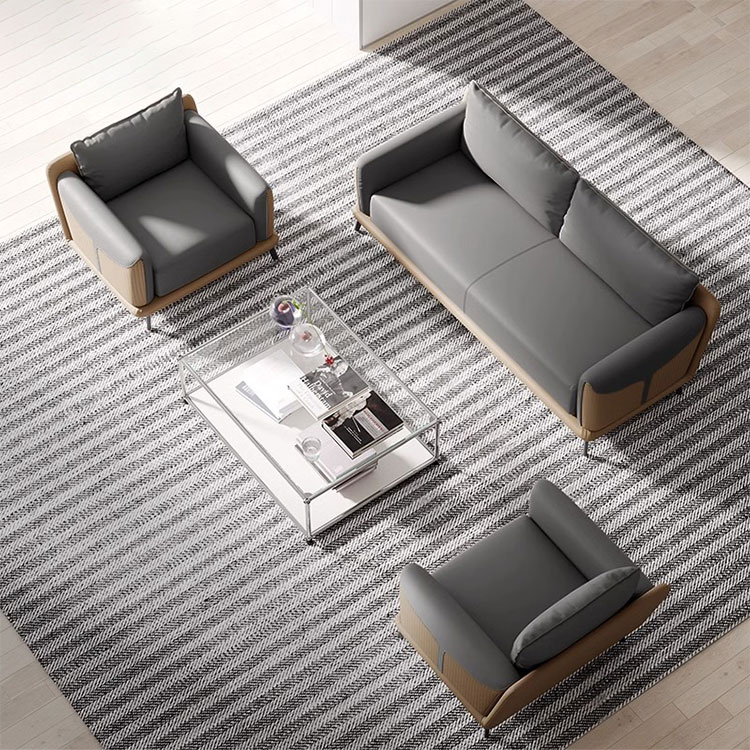
The reception area sets the first impression for clients and visitors. Focus on structured, easy-to-clean materials like commercial vinyl or performance fabric blends. The design priority here is accommodating varied body types comfortably for short durations while maintaining a pristine, professional appearance. Invest your budget here to ensure maximum visual impact. Reception seating takes a beating. Couriers drop packages on it, visitors spill coffee, and hundreds of people sit on it weekly. You need heavy-duty construction. Look for sled bases or heavy metal legs that resist scuffing from vacuum cleaners and shoes. The upholstery must wipe clean instantly.
Internal collaborative spaces demand flexibility. Evaluate modular sectionals, benches, and ottoman configurations. Modularity offers excellent cost-efficiency; if one section gets damaged, you replace a single module rather than the entire sofa. Incorporating high-back booth sofas here also supports hybrid collaboration and provides acoustic dampening for lively team discussions. Teams reconfigure these spaces constantly. Lightweight, modular pieces allow employees to push seating together for a large brainstorming session or pull it apart for individual work. Casters on the bottom of ottomans or smaller sofa segments add immense value here. Just ensure the casters have reliable locking mechanisms so the furniture stays put when in use.
For compact spaces, analyze loveseats and space-saving convertible options. Dual-purpose designs with integrated storage maximize tight square footage. Consider space-saving hacks such as sofas with built-in bookshelves, side-table ledges, or under-seat storage compartments. These features keep lesser-used office items organized while providing comfortable seating. In a private office, a two-seater is usually sufficient. It provides a secondary workspace away from the main desk. Choosing a sofa with exposed legs makes the room feel larger because you can see the floor underneath it. Avoid bulky, floor-to-seat designs in tight quarters.
Material choice heavily dictates both lifespan and cost. Top-grain leather offers premium durability but at a high cost. Faux leather, such as high-grade polyurethane or vinyl, provides a similar look and easy maintenance at a fraction of the price. For woven fabrics, always check the Wyzenbeek double rub count; commercial-grade fabrics should exceed 50,000 double rubs for longevity. The fabric grade directly impacts the budget. Grade A fabrics are standard, while Grade F or higher represent premium textiles with advanced stain resistance or unique textures. When evaluating materials, consider the maintenance requirements. A beautiful wool blend might look fantastic, but if it requires specialized dry cleaning, the ongoing maintenance will drain your facilities budget.
| Material Type | Durability (Rub Count) | Maintenance Level | Best Office Application |
|---|---|---|---|
| Commercial Vinyl | 100,000+ | Low (Wipe clean) | High-traffic reception, cafeterias |
| Polyurethane (Faux Leather) | 100,000+ | Low (Wipe clean) | Executive suites, lobbies |
| Performance Woven Fabric | 50,000 - 100,000 | Medium (Vacuum, spot clean) | Breakout rooms, private offices |
| Standard Residential Fabric | Under 25,000 | High (Prone to staining) | Not recommended for commercial use |
The internal build quality is a major price factor. Kiln-dried hardwood or steel frames increase the baseline cost but prevent warping and structural failure. High-density, fire-retardant foam is non-negotiable for commercial compliance and ensures the cushions retain their shape after thousands of uses. Particleboard frames will snap under the weight of multiple users dropping onto the seat day after day. Steel frames offer the highest durability and are often used in heavy-duty bariatric seating or high-turnover waiting areas. Foam density is measured in pounds per cubic foot. Commercial seating should utilize foam with a density of at least 2.5 lbs/cu ft. Anything less will compress and flatten within a few months, leaving users sitting on the hard frame.
Custom fabrics, unique dimensions, or specialized power integrations add a significant premium and extend lead times. To save money, opt for quick-ship, standard-inventory models. Standardized designs from reputable manufacturers often provide the best balance of style, durability, and cost-effectiveness. If you need power outlets built into the sofa for charging laptops, expect a longer lead time and a higher invoice. Manufacturers have to route wiring safely through the frame and ensure it meets electrical codes. If the budget is tight, skip the integrated power and place freestanding charging towers or side tables with outlets next to standard sofas.
Knowing where to cut costs and where to invest is crucial. Opt for high-grade faux leather instead of genuine leather to save money on upholstery. However, never compromise on structural integrity; invest in reinforced steel legs, solid frames, and comprehensive commercial warranties to ensure long-term value. You can also save by choosing standard finishes. A polished chrome leg might cost more than a standard black powder-coated leg. If the leg is barely visible, go with the standard option. Allocate those savings toward upgrading the foam density or selecting a higher-grade performance fabric that will resist stains better over time.
Decluttering a space and utilizing a single, striking statement sofa is often more cost-effective than purchasing multiple cheaper seating arrangements. A minimalist approach reduces the total number of pieces required, lowering procurement costs while creating a clean, modern aesthetic. Instead of buying a sofa, two loveseats, and four chairs for a large lobby, buy one massive, high-quality modular sectional. It anchors the room, provides ample seating, and usually costs less than buying seven individual pieces. It also reduces assembly time and simplifies the cleaning process for the janitorial staff.
Explore using a combination of commercial-grade benches, modular ottomans, and accent chairs instead of a traditional three-seater sofa. This approach can significantly lower overall procurement expenses while maintaining a highly functional and modern aesthetic suitable for agile work environments. Benches are incredibly cost-effective because they lack backrests and complex framing. Placing a long, upholstered bench against a wall with some decorative acoustic panels behind it creates a functional seating area for a fraction of the cost of a full sofa. Ottomans can be scattered around a coffee table for casual meetings and easily tucked away when not in use.
Always calculate freight shipping, inside delivery, installation fees, and potential disposal costs of old furniture into your total budget. Ignoring these logistical expenses can quickly cause a project to exceed its financial limits. Freight delivery usually means the truck drops the boxes at your loading dock. If you do not have a loading dock or a team to move heavy boxes, you must pay for inside delivery. If the sofas require assembly, you need to factor in the hourly rate of an installation crew. Furthermore, getting rid of the old lobby furniture costs money. Dumpster rentals and disposal fees must be accounted for before you finalize the purchase order.
Assess a vendor's reliability by checking for BIFMA compliance, which guarantees the furniture meets strict safety and durability standards. Review their warranty transparency and inquire about post-sale support. A reliable supplier stands behind their products and provides clear resolution paths for potential defects. Ask for references from other facility managers. A good supplier will gladly connect you with past clients. Check how they handle freight damage. If a sofa arrives with a torn cushion, you need to know the supplier will ship a replacement part immediately without making you jump through administrative hoops.
When submitting a Request for Proposal, include specific details to avoid hidden fees and ensure apples-to-apples vendor comparisons. Specify exact dimensions, material preferences, delivery constraints, and required timelines. Clear requirements prevent misunderstandings and inaccurate pricing. Detail the physical constraints of your building. If the sofa has to fit into a small service elevator, the supplier needs to know that before they ship a fully assembled 90-inch sofa. Provide photos of the loading area and the final installation room. The more information you provide, the more accurate the quote will be.
Negotiate better rates by bundling your sofa purchase with other office furniture needs, such as desks and task chairs, through a single supplier. Consolidated ordering often unlocks volume discounts and reduces overall shipping and installation costs. Suppliers want larger orders. If you are outfitting a new office, do not buy the lobby furniture from one vendor and the workstations from another. Combine the orders. Ask the supplier for a project discount. They can often reduce the margin on the seating if they are also securing the contract for fifty ergonomic task chairs. Consolidating vendors also simplifies your accounting and project management efforts.
A: Commercial sofas are built to BIFMA standards, featuring reinforced steel or hardwood frames, high-density fire-retardant foam, and fabrics with high rub counts exceeding 50,000. Residential sofas lack this structural durability and wear out rapidly in high-traffic environments.
A: Budget allocations depend entirely on the material grade and modularity required. Standard commercial vinyl options are highly cost-effective, while premium architectural seating or custom modular configurations require a significantly larger financial commitment. Always factor in shipping and installation.
A: The primary price drivers are the upholstery material grade, the internal frame construction, foam density, modular capabilities, and logistical expenses such as freight delivery and professional installation.
A: Commercial-grade vinyl, polyurethane, and performance fabric blends are the most effective choices. They offer exceptional durability, resist heavy staining, and are easy for janitorial staff to clean daily.
A: Provide vendors with exact space dimensions, preferred material types, expected daily usage, delivery constraints like stairs or loading docks, and your strict timeline to ensure a comprehensive and accurate quote.
A: Yes. Modular sofas allow facility managers to replace individual damaged components, such as a single seat cushion or armrest, rather than discarding the entire unit, providing excellent long-term return on investment.


