
Views: 0 Author: Site Editor Publish Time: 2026-07-01 Origin: Site


Reception and lounge seating serves a dual purpose in commercial environments. It acts as the physical manifestation of a company’s brand identity while providing necessary physical support for guests, clients, and employees. When visitors walk through the front doors, the furniture they interact with sets an immediate tone regarding the organization's professionalism and attention to detail. A well-designed seating area communicates stability, whereas poorly chosen furniture inadvertently signals neglect.
A common failure in facility planning is prioritizing residential aesthetics over commercial-grade durability. Many organizations select visually appealing couches that lack the structural integrity required for high-traffic public spaces. This oversight inevitably leads to premature wear, sagging cushions, poor ergonomic support, and negative first impressions. Residential frames and foams simply cannot withstand the daily impact of dozens of different users sitting, shifting, and standing up over consecutive hours.
Addressing this issue requires a systematic approach to evaluating, selecting, and sourcing commercial seating. Facility managers and designers must balance aesthetic design, long-term return on investment, and user support. By focusing on commercial manufacturing standards, spatial planning, and high-performance materials, organizations can source a comfortable office sofa that maintains its appearance and structural integrity for years.
The biomechanics of short-term sitting differ significantly from those of long-term task seating. In a reception waiting area, users typically remain seated for 10 to 20 minutes. The primary goal here is to provide immediate relief while ensuring the user can easily transition back to a standing position when called. Conversely, deep-focus collaborative lounge working requires sustained postural support to prevent lower back strain over an hour or more. An ergonomic office sofa must bridge these needs by offering a structured sit rather than a deep, sinking recline.
Key dimensional metrics dictate the success of lounge seating. The ideal seat height ranges between 17 and 19 inches from the floor. This measurement ensures that most users can rest their feet flat on the ground, distributing weight evenly across the thighs. Seat depth should measure between 20 and 22 inches. If the seat is too deep, users will slouch backward, compromising their lumbar curve. If it is too shallow, it fails to support the hamstrings. Proper dimensions ensure the knees bend at a comfortable 90-degree angle, facilitating healthy circulation.
Suspension and foam density play major roles in user mobility. Commercial seating requires firm webbed or sinuous spring suspension systems. These must be paired with high-resiliency (HR) molded foam featuring a minimum density of 2.5 pounds per cubic foot. This firm foundation prevents the user from sinking too far into the cushion. A structured seat is especially vital for elderly guests or individuals with mobility impairments, as it provides the necessary resistance to help them push up and stand out of the chair easily.
| Seating Metric | Residential Standard | Commercial Standard | Impact on User Experience |
|---|---|---|---|
| Seat Height | 15 - 16 inches | 17 - 19 inches | Allows feet to rest flat; easier to stand up. |
| Seat Depth | 23 - 25 inches | 20 - 22 inches | Prevents slouching; supports lumbar curve. |
| Foam Density | 1.5 - 1.8 lbs/cu ft | 2.5+ lbs/cu ft | Prevents sinking; maintains shape over time. |
| Suspension | Basic webbing | Sinuous spring or heavy-duty webbing | Provides firm, consistent support across the seat. |
Frame construction separates true commercial furniture from disposable residential pieces. High-quality commercial frames utilize kiln-dried hardwoods that resist warping and cracking over time. These frames are assembled using double-doweled joints and heavy-duty corner blocks glued and screwed into place. Alternatively, welded reinforced steel frames offer exceptional rigidity for ultra-high-traffic zones. Cheap, residential-grade particleboard or MDF frames will quickly loosen, squeak, and ultimately fail under the stress of continuous commercial use.
Weight capacity benchmarks are strictly defined for commercial environments. A standard commercial seat must support significantly more weight than a home sofa. Specifications often require bariatric design considerations, mandating a minimum load-bearing capacity of 350 to 500 pounds per single seat position. For multi-seat units, the overall frame must withstand the dynamic forces of multiple people dropping into the seats simultaneously without compromising the suspension or joint integrity.
Safety codes govern the installation of furniture in public and corporate spaces. Fire retardancy standards are non-negotiable. Facilities must adhere to local and international safety codes, particularly CAL 117-2013, which regulates the flammability of upholstered furniture. In higher-occupancy or specialized commercial spaces, CAL 133 barrier technologies may be required to prevent the rapid spread of flames. Selecting compliant materials mitigates liability and ensures occupant safety.
Accessibility regulations also dictate waiting area design. ADA compliance requires specific clearance paths around furniture to accommodate wheelchairs and mobility aids. Facilities must provide accessible seating ratios, ensuring that a designated percentage of the seating is easily usable by individuals with disabilities. Firm, non-sunken cushions and sturdy armrests are essential components of universal design, as they facilitate safe transfers from wheelchairs to the sofa and back again.
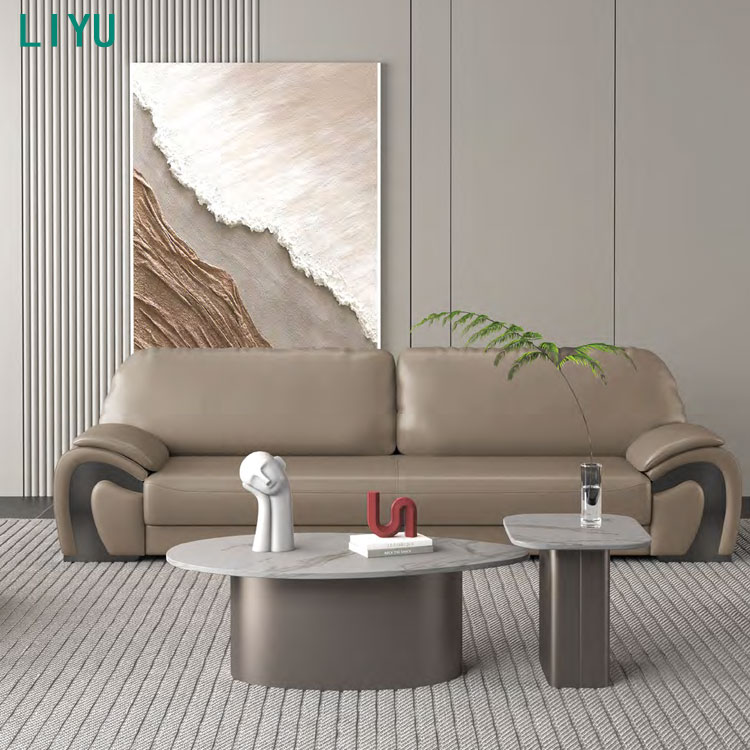
In high-turnover visitor zones, upholstery and structure must prioritize a pristine appearance. Tight-back sofas and structured Chesterfield styles are highly effective because they maintain a crisp, tailored look without requiring staff to constantly fluff loose cushions. Integrated cushions prevent shifting and ensure the seating area always looks orderly and professional, even after dozens of guests have used it throughout the morning.
Material cleanability is a primary concern for front-of-house seating. Reception areas are prone to spills, dirt from shoes, and general grime. Facility managers should specify easy-to-clean, non-porous materials. Performance vinyl, polyurethane blends, or bleach-cleanable woven fabrics allow maintenance teams to sanitize the furniture quickly. This is particularly important in healthcare-adjacent settings or corporate lobbies with heavy street-level foot traffic.
Implementing a hybrid layout model optimizes both capacity and traffic flow. Rather than relying on a single massive sectional, designers should pair main reception sofas with matching tub chairs, side chairs, and backless bench seating. This strategy scales guest capacity efficiently while leaving clear paths of travel. Backless benches can be placed in the center of a room without obstructing sightlines to the reception desk, creating a dynamic and highly functional office lounge furniture ecosystem.
Agile, fast-growing offices require furniture that adapts to changing spatial needs. Modular workplace seating systems—comprising modular sectional blocks, ottomans, armless lounge chairs, and corner units—offer exceptional configurability. Teams can push pieces together for a large all-hands meeting or separate them into distinct clusters for small group work. This adaptability extends the functional lifespan of the furniture, providing excellent long-term return on investment as the company scales.
Acoustic and privacy integration has become essential in open-plan offices. High-back acoustic sofas feature extended upholstered panels that wrap around the sides and back of the seat. These panels absorb ambient noise and block visual distractions. Integrating these privacy pods into open spaces facilitates impromptu meetings, confidential discussions, or deep solo work without requiring the construction of permanent drywall meeting rooms.
Executive settings demand a different approach, prioritizing prestige and tactile quality over sheer high-traffic durability. In low-traffic, high-visibility private offices, the material profile shifts toward premium selections. Top-grain aniline leather and pure wool blends offer a sophisticated aesthetic and a luxurious feel. These materials age beautifully, developing a rich patina that communicates established success and stability.
The psychology of form plays a subtle but powerful role in client negotiations. Classic silhouettes impact how a brand is perceived. A timeless Chesterfield couch projects heritage and authority, ideal for law firms or financial institutions. Mid-Century Modern credenza-style sofas suggest creativity and forward-thinking, while sleek Italian minimalist designs communicate cutting-edge precision. The right silhouette reinforces the executive's professional narrative.
Small waiting areas require strategic geometry to maximize seating without creating a claustrophobic environment. Compact two-seater loveseats and armless settee sofas are highly effective. Specifying shallow-depth profiles—typically under 30 inches deep—preserves critical foot traffic corridors. Armless designs allow guests to slide in and out easily without feeling boxed in by bulky upholstered arms.
Floating and wall-facing layouts create the illusion of open space. Wall-mounted banquette seating utilizes perimeter space efficiently, leaving the center of the room open. Alternatively, selecting sofas with sleek, leggy minimalist frames allows light to pass underneath the furniture. Exposing more floor area tricks the eye into perceiving the room as larger and less cluttered than it actually is.
Selecting the right upholstery involves weighing breathability, maintenance, and durability. Engineered commercial synthetics, such as polyester, nylon, and acrylic blends, offer exceptional colorfastness and stain resistance. These synthetic performance blends are highly breathable, keeping users comfortable during longer waits. Genuine leather provides unmatched prestige and is relatively easy to wipe down, but it lacks the breathability of woven synthetics and requires regular conditioning to prevent cracking.
Abrasion resistance ratings are the definitive metric for fabric durability. Commercial environments demand rigorous testing. Facility managers must specify fabrics that meet a minimum of 50,000 to 100,000+ double rubs using the Wyzenbeek method, or equivalent rubs via the Martindale method. Heavy-use corporate offices should strictly avoid any fabric rated below 50,000 double rubs, as it will quickly show signs of wear, pilling, and thread bareness under daily use.
| Material Type | Durability (Double Rubs) | Maintenance Level | Best Use Case |
|---|---|---|---|
| Engineered Synthetics | 100,000+ | Low | High-traffic reception areas |
| Performance Vinyl | 200,000+ | Very Low | Healthcare and heavy public use |
| Genuine Leather | N/A (Natural wear) | Medium | Executive lounges and private offices |
| Wool Blends | 50,000 - 80,000 | High | Low-traffic, high-visibility areas |
Maintenance requirements directly impact the lifespan of the furniture. Stain-repellent chemical treatments, such as Crypton or Nanotex, create a liquid-barrier on the fabric surface, allowing spills to bead up and be wiped away before they penetrate the fibers. Alternatively, inherently stain-resistant fibers like Trevira CS or solution-dyed nylon offer permanent protection that cannot be washed or worn off over time. Choosing the right protection level depends on the specific spill risks of the environment.
Environmental degradation factors must be accounted for during the specification process. Fabric pilling occurs when loose fibers tangle; selecting tight, flat weaves mitigates this issue. Color fading is a significant risk near reception windows with heavy UV exposure; solution-dyed acrylics are highly resistant to sun bleaching. In healthcare-adjacent settings, the strategic selection of antimicrobial, bleach-cleanable vinyl prevents the spread of pathogens and withstands harsh hospital-grade cleaning agents.
Identifying a premium commercial sofa supplier requires strict vetting criteria. The vendor must provide proof of commercial-use testing compliance, specifically adhering to BIFMA or ANSI standards for structural integrity and safety. Buyers should look for suppliers who offer dedicated trade discounts for volume purchases and possess a robust reference portfolio of completed corporate installations. A reliable vendor acts as a consultative partner, not just a transactional seller.
Sampling protocols are a mandatory step before finalizing any bulk order. Digital renderings and monitor colors are notoriously inaccurate. Procurement teams must request physical fabric swatches to test texture and verify color under the actual lighting conditions of the installation site. Additionally, reviewing wood finish samples and foam density core samples ensures the final product will meet the precise aesthetic and ergonomic requirements specified by the design team.
Understanding warranty structures protects the initial investment. Commercial warranties differ vastly from consumer warranties. The industry standard for contract furniture is a minimum 5 to 10-year structural warranty covering frames, springs, and mechanisms. A 1-year consumer-grade warranty is a severe red flag, indicating the product is not engineered for heavy public use. Ensure the warranty explicitly covers commercial environments.
Supply chain logistics require careful project management. Standard lead times for custom commercial upholstery typically range from 6 to 12 weeks. Project managers must weigh the strategic tradeoffs between domestic suppliers and international sourcing. Domestic manufacturers generally offer faster delivery, easier communication, and highly customizable options. International sourcing can provide significant volume cost-savings but introduces extended shipping timelines and potential customs delays.
Over-furnishing a space creates immediate safety hazards and violates fire codes. Egress routes must remain unobstructed at all times. Safety codes typically mandate minimum clearance corridors of 36 to 48 inches for main pathways leading to exits or stairwells. Placing oversized sofas in narrow lobbies restricts these egress paths, creating dangerous bottlenecks during emergency evacuations and making the space difficult to navigate for wheelchair users.
Adhering to spatial rules of thumb ensures a comfortable and functional layout. The standard clearance between the front edge of a sofa and a coffee table should be 14 to 18 inches—enough room for legs, but close enough to reach a beverage. Furthermore, lounge seating should be positioned at least 5 to 6 feet away from the main reception desk. This distance provides conversational privacy for guests checking in and prevents seated visitors from overhearing sensitive administrative discussions.
Modern professionals expect connectivity in all lounge spaces. Integrated power modules are now a necessity in commercial seating design. Furniture should be specified with UL-listed AC outlets and USB fast-charge ports built directly into the armrests, seat bases, or modular connecting tables. This allows guests to charge laptops and phones seamlessly while waiting or working collaboratively.
Mitigating safety risks associated with power integration requires proactive cable management. Loose wires trailing across a reception floor present severe tripping hazards. Facility planners must coordinate with electricians to install floor-core electrical boxes directly beneath the furniture layouts. If core drilling is impossible, under-carpet cable tracks or commercial-grade battery-powered furniture options provide safe, code-compliant alternatives to deliver power without exposed cords.
A: Commercial sofas utilize kiln-dried hardwood or steel frames, whereas residential sofas often use softer woods or plywood. Commercial seating requires high-resiliency foam to prevent sinking and fabrics tested for high-frequency rub counts (50,000+ double rubs). Additionally, commercial pieces carry contract warranties (5-10 years) rather than standard 1-year domestic warranties.
A: In mid-to-high traffic environments, industry-average lifespans range from 7 to 12 years. This timeline can be extended through rigorous maintenance programs, the application of protective fabric coatings, and the use of modular systems where individual damaged components can be replaced.
A: The best options include solution-dyed performance fabrics, high-durability polyurethane (PU), or commercial-grade vinyl. These materials offer excellent cleanability. Any woven fabric selected should be a heavy synthetic blend exceeding 100,000 double rubs to withstand constant daily friction.
A: Modular seating offers superior ROI because it allows facilities to replace individual worn-out segments rather than discarding an entire sofa. Furthermore, the flexibility to reconfigure modular pieces adapts to changing office footprints, eliminating the need to purchase new furniture when moving or expanding.
A: Ensure the seat height is between 17 and 19 inches with a firm foam density to prevent users from sinking deeply. Integrated, sturdy armrests provide necessary leverage for standing up. Always adhere to ADA path clearances around the furniture to accommodate mobility aids.
A: Retrofitting non-powered units presents structural limitations and potential fire hazards. It is highly recommended to purchase pre-configured, factory-installed, and UL-certified power modules designed specifically for contract furniture to ensure safety and code compliance.
A: Utilize compact two-seater loveseats, armless settees, and shallow-depth profiles (under 30 inches). Implement wall-mounted banquette seating or select sofas with elevated, leggy frames to expose more floor space, which creates the visual illusion of a larger, uncrowded room.


