
Views: 0 Author: Site Editor Publish Time: 2026-08-28 Origin: Site


Facility management budgets are shrinking across the board. Maintaining a professional corporate environment remains absolutely essential. Procurement teams often face intense pressure to cut costs wherever possible. Buying residential-grade seating for commercial spaces seems like a quick fix. This approach inevitably leads to rapid degradation. Warranties become void immediately upon commercial deployment. Long-term replacement demands skyrocket, draining resources. You need a cheap office sofa that meets rigorous commercial durability standards. We will explore exactly how to evaluate materials, vet suppliers, and manage lifecycle expenses without exceeding your project furniture budget.
Commercial lounge seating faces relentless daily wear. Traffic volume dictates structural requirements heavily. Weight ratings must accommodate diverse users continuously throughout the workday. Residential couches simply lack the internal reinforcement needed for this environment. Relying on consumer retail or thrift stores introduces massive operational risks. Safety standards fall short of commercial building codes. Durability drops significantly when exposed to lobby traffic. A successful purchase aligns your financial limits with a minimum five-to-seven-year functional lifespan. Brand alignment remains intact. Ergonomic support stays consistent for every visitor.
Procurement teams must establish strict baselines before reviewing catalogs. You must evaluate the expected daily headcount in the reception area. High-traffic medical clinics require vastly different seating than low-traffic corporate law firms. The internal engineering of the furniture must match these realities. Failing to match the structural integrity to the traffic volume guarantees premature failure. This failure disrupts daily operations and reflects poorly on the company image.
| Feature | Residential Sofa | Commercial Office Sofa |
|---|---|---|
| Frame Material | Softwoods, particleboard | Kiln-dried hardwood, tubular steel |
| Foam Density | Low to medium density | High-density commercial polyurethane |
| Fabric Durability | 10,000 - 15,000 double rubs | 50,000+ double rubs (Martindale) |
| Fire Compliance | Basic consumer standards | Strict CAL 117 / TB117-2013 compliance |
| Warranty | 1-3 years (void in commercial use) | 5-10 years commercial coverage |
Understanding these fundamental differences prevents costly procurement mistakes. Facility managers must prioritize structural integrity over superficial aesthetics. A visually appealing residential sofa will collapse under the weight of continuous commercial use. You must demand specification sheets from suppliers to verify material grades. Never assume a product meets commercial standards simply because it looks professional in a photograph.
Kiln-dried hardwood offers maximum longevity and resists warping. Engineered plywood provides a reliable middle ground for moderate budgets. Tubular steel frames deliver exceptional strength for high-traffic zones. Frame choice dictates your upfront expenditure directly. It also determines long-term structural integrity. Weak frames warp under heavy daily use, causing the entire unit to fail. Understanding these materials helps you avoid paying for unnecessary upgrades while securing essential durability.
When evaluating frame construction, consider the joinery methods used. Corner blocks, glued and screwed joints, and heavy-duty metal brackets indicate superior craftsmanship. Staples and basic wood glue signal inferior construction that will not withstand commercial environments. You must inspect the underside of the seating if possible. Request detailed cross-section diagrams from the manufacturer to confirm internal build quality.
High-density commercial polyurethane foam resists sagging over years of use. Standard residential foam compresses permanently within months under commercial conditions. Sinuous spring systems offer robust, long-lasting support. Webbing provides a budget-tier alternative that works well for lower-traffic reception areas. The suspension system acts as the foundation for the foam. If the suspension fails, even the highest quality foam will sink. Balancing foam density with the right suspension system ensures lasting comfort.
Commercial-grade vinyl resists spills effectively and cleans easily. Polyurethane options mimic the look of leather without the premium markup. Woven performance fabrics offer breathability and a softer aesthetic. Cleaning codes matter immensely when calculating ongoing maintenance. Stain resistance keeps maintenance manageable and extends the visual lifespan of the furniture. Choosing a fabric with a high Martindale rub count prevents premature fraying and tearing.
You must match the upholstery to the specific environment. Healthcare facilities require non-porous, bleach-cleanable surfaces to maintain hygiene standards. Corporate lobbies benefit from textured woven fabrics that hide minor wear and tear. Always request physical fabric swatches before finalizing an order. Test these swatches against your standard janitorial cleaning chemicals to ensure colorfastness and durability.
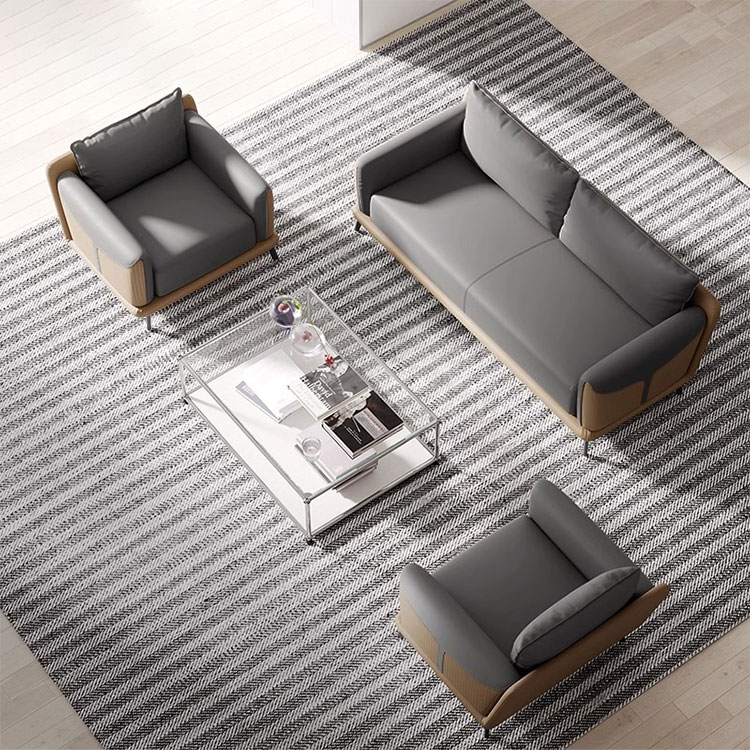
Modular components allow flexible scaling for growing companies. You can expand reception seating easily as your floor plan changes. You avoid purchasing entirely new sofa sets when redesigning. Replacing individual damaged modules saves significant capital. The rest of the unit remains fully functional. Modular designs also adapt easily to awkward architectural layouts, maximizing usable space.
Facility managers appreciate the logistical simplicity of modular systems. Individual pieces are easier to move through standard commercial doorways and elevators. You can reconfigure the layout for special events or changing traffic patterns. This adaptability extends the functional lifespan of the furniture investment. It prevents the need for premature replacements when office layouts evolve.
Remanufactured seating offers premium quality at a fraction of the original cost. Recycled options support corporate sustainability goals effectively. Commercial furniture liquidation auctions yield excellent finds for sharp buyers. Certified refurbishers restore structural integrity to like-new conditions. Always verify warranty inclusion before purchasing refurbished goods. Check reupholstery standards to ensure commercial-grade fabrics were used. Demand thorough frame inspections to guarantee safety.
Small office layouts demand extreme spatial efficiency. Limited square footage requires smart, intentional planning. Multi-functional designs maximize utility in cramped lobbies. Sofas with integrated side-tables save space by eliminating separate end tables. Under-seat storage compartments hide clutter and magazines. Low-profile configurations keep rooms feeling open and less congested. Slim armrests maximize seating capacity without increasing the overall footprint.
You must measure the available space meticulously before ordering. Account for required clearance around the seating for ADA compliance and general traffic flow. Bulky, overstuffed designs overwhelm small reception areas and create a claustrophobic atmosphere. Streamlined, architectural designs maintain a professional appearance while optimizing the usable square footage.
Clean mid-century modern lines elevate aesthetics immediately. Tapered metal legs add a touch of modern sophistication. Solid wood legs provide warmth and a welcoming atmosphere. Textured woven fabrics outperform flat microfibers visually. Synthetic tweeds hide wear beautifully over time. Tight bouclés offer a premium, tactile feel. Sophisticated neutrals like charcoal or navy anchor the space professionally. Accent pillows introduce brand colors subtly. Adjacent low-cost decor, like floating shelves or plants, enhances the entire reception area.
Lighting plays a massive role in how furniture is perceived. Proper illumination highlights the texture of the fabric and the finish of the legs. Avoid harsh fluorescent lighting directly above the seating area. Use warm, indirect lighting to create an inviting atmosphere. This strategic presentation makes budget-friendly furniture appear significantly more premium to visiting clients and guests.
Bypassing retail markups saves crucial project capital. Direct commercial manufacturers offer better terms and customization. Specialized distributors understand facility management needs intimately. Volume purchasing reduces per-unit costs significantly. Bundled office fit-out packages maximize your budget across multiple rooms. Direct suppliers also provide accurate lead times and reliable post-sale support.
Establishing a relationship with a direct supplier streamlines future procurement. You gain access to dedicated account managers who understand your specific facility requirements. They can recommend alternative materials or designs to keep projects under budget. This partnership eliminates the guesswork of sourcing from consumer retail channels. It ensures consistent quality and compliance across all your corporate locations.
Commercial furniture warranties require careful, detailed reading. Frame coverage usually lasts the longest, often five to ten years. Foam and fabric durations vary significantly, sometimes covering only one year. Improper cleaning agents often void these warranties instantly. Exceeding weight limits nullifies structural protection. Procurement managers must document these limitations and communicate them to the janitorial staff.
You must understand the claims process before signing a purchase order. Determine who handles the labor costs for warranty repairs. Some manufacturers supply replacement parts but require the facility to cover installation labor. Clarify these details upfront to avoid unexpected expenses down the line. A strong warranty reflects the manufacturer's confidence in their product's durability.
Freight class impacts the final invoice heavily. Dimensional weight calculations add up quickly on bulky sofa deliveries. Inside delivery costs substantially more than standard loading dock drop-offs. Flat-pack commercial sofas reduce shipping fees by optimizing pallet space. Fully assembled freight deliveries save labor time on site. Structural reliability often favors factory assembly, balancing the higher shipping costs.
Professional commercial cleaning extends fabric life drastically. Fabric protection treatments repel stains before they set. Potential downtime disrupts daily operations when seating fails. Regular maintenance prevents premature replacement and keeps the lobby looking pristine. Factor in the cost of specialized cleaning solutions when selecting your upholstery type.
You must establish a routine maintenance schedule immediately after installation. Vacuum upholstery weekly to remove abrasive dust particles that degrade fabric fibers. Address spills instantly using manufacturer-approved cleaning agents. Train your janitorial staff on the specific cleaning codes for each piece of furniture. Proactive maintenance preserves the visual appeal and structural integrity of your investment.
Replacing residential sofas frequently drains facility resources. Investing in true commercial durability pays off over the lifecycle. Short replacement cycles disrupt office workflows and create logistical headaches. Quality construction prevents constant reordering and installation scheduling. A slightly higher initial investment yields a much lower cost per year of use.
Procurement teams must look beyond the initial purchase price. You must calculate the labor costs associated with removing broken furniture and installing replacements. Frequent replacements also generate unnecessary waste, conflicting with corporate sustainability initiatives. Selecting durable commercial seating eliminates these recurring headaches and stabilizes your facility management budget.
Local fire codes demand strict adherence in all commercial spaces. TB117-2013 compliance is mandatory for lobby seating. Ignoring regulations invites severe legal trouble and failed inspections. Insurance risks multiply rapidly with non-compliant furniture. Always request fire certification documents from your supplier before issuing a purchase order.
Fire marshals routinely inspect commercial lobbies for compliance. Non-compliant furniture must be removed immediately, leaving your reception area empty. This creates an unprofessional environment and forces emergency procurement at premium rates. Verify all compliance documentation during the initial quoting phase to ensure seamless facility operations.
Overseas manufacturing extends lead times unpredictably. Port delays derail project schedules and delay office openings. Quick-ship commercial programs offer reliable alternatives for tight deadlines. Keep office fit-out projects on track by sourcing domestically warehoused inventory. Verify stock levels before committing to a specific design.
You must build buffer time into your procurement schedule. Do not schedule furniture delivery for the exact day the office opens. Allow at least a two-week window to accommodate unforeseen transit delays. Communicate closely with your supplier regarding production milestones and shipping manifests. Proactive tracking prevents last-minute surprises and keeps your project on schedule.
A cheap office sofa must deliver actual lifecycle value. Cost-efficiency matters far more than the lowest initial sticker price. Prioritize frame durability and commercial warranties over fleeting aesthetic trends. Calculate all landed costs thoroughly before making a decision.
A: Commercial sofas utilize heavy-duty frame materials like kiln-dried hardwood or tubular steel. They feature high-density foam designed for continuous daily use. Weight ratings are significantly higher to accommodate diverse users. They also comply with strict commercial fire safety codes, unlike standard residential couches.
A: Your budget depends heavily on traffic volume and space size. Entry-level commercial seating requires a modest allocation, suitable for low-traffic clinics. Mid-market options demand a larger share but offer better warranties, steel frames, and high-rub-count fabrics necessary for busy corporate lobbies.
A: Yes, reputable commercial suppliers provide warranties even on their budget tiers. Frame coverage often extends for several years. Foam and fabric warranties are typically shorter. Always verify the specific terms, coverage limits, and exclusions before finalizing your purchase order.
A: Commercial-grade vinyl is highly durable, wipeable, and easy to clean. High-rub-count synthetic blends, such as tightly woven polyester or nylon, offer excellent stain resistance and longevity without breaking your budget. Avoid delicate natural fibers in high-traffic areas.
A: Opt for flat-pack or ready-to-assemble commercial options to lower dimensional weight. Consolidate your orders for bulk shipping discounts. Utilizing a loading dock delivery instead of requesting inside delivery also significantly reduces freight and handling charges.
A: Yes, provided you source directly from certified commercial refurbishers. Ensure the dealer provides structural guarantees and uses brand-new commercial upholstery. Always request an inspection report for the frame and suspension systems to ensure long-term safety.


