
Views: 0 Author: Site Editor Publish Time: 2026-08-09 Origin: Site


Commercial interior design requires balancing a welcoming aesthetic with strict procurement limits. Selecting seating based solely on visual appeal often leads to premature wear, rapid replacement cycles, and ultimately, a blown project furniture budget. Companies frequently underestimate the physical demands placed on reception and breakout seating. High foot traffic, varied user weights, and constant daily use quickly degrade residential-grade furniture. You need a strategic approach to commercial seating procurement that prioritizes structural integrity alongside visual sophistication. This guide provides a comprehensive framework for evaluating commercial sofa designs. We decode complex pricing structures, analyze material performance metrics, and highlight configurations that deliver long-term value. By understanding the underlying mechanics of furniture manufacturing and supplier evaluation, you can identify the best office sofa design that aligns with your aesthetic vision and financial constraints. You will learn how to navigate material choices, optimize floor space, and secure reliable warranties without sacrificing professional appeal.
Evaluating fabric performance requires looking beyond color and texture. Industry-standard metrics, specifically the Wyzenbeek or Martindale rub tests, dictate a fabric's suitability for commercial environments. A fabric rated for 50,000 to 100,000 double rubs withstands the constant friction of high-traffic reception areas. Trendy residential designs often feature soft, loosely woven fabrics that pill or tear under commercial stress. You must balance the desire for a modern, inviting look with the structural reality of corporate use. Selecting tight-weave synthetics or treated performance fabrics ensures the seating retains its original appearance after thousands of uses. Structural integrity must always precede aesthetic trends when outfitting public business spaces. In the field, we constantly see loose-weave fabrics snag on briefcases, keys, and heavy denim. Specifying a tight, non-directional weave mitigates this risk entirely. Furthermore, consider the backing of the fabric. Commercial textiles often feature an acrylic backing that prevents the fabric from stretching and puddling over the foam after a few months of use.
The physical footprint of a sofa directly impacts the utility of reception areas and breakout rooms. Bulky rolled arms and excessively deep seats consume valuable square footage, creating bottlenecks in high-traffic corridors. Sleek, track-arm designs maximize seating capacity within a limited area. Ergonomic requirements also shift based on the intended use case. Short-term waiting areas benefit from firmer cushions and upright backrests, assisting guests in standing up easily. Conversely, collaborative workspaces require moderate seat depth and supportive armrests to accommodate longer brainstorming sessions. Aligning the sofa's physical dimensions and ergonomic profile with the room's specific function prevents wasted space and user discomfort. When mapping out a floor plan, always account for a minimum 36-inch clearance around the seating arrangement to comply with standard accessibility guidelines and ensure smooth traffic flow. Failure to account for these clearances often results in cramped, unusable spaces that require immediate reconfiguration.
The "resimercial" design trend attempts to bring domestic comfort into corporate environments. This involves integrating warmth, soft textures, and inviting forms without sacrificing professional utility. Achieving this balance requires careful material selection. You can utilize commercial-grade fabrics that mimic the tactile feel of residential tweed or velvet while maintaining high abrasion resistance. Design elements like exposed wood bases, tapered metal legs, and tailored tufting convey coziness for employees while projecting executive-level sophistication for visiting clients. Avoid overly plush, sink-in cushions that look untidy after use. Instead, specify high-resiliency foam that offers a soft initial touch but retains a crisp, structured shape. The goal is to create an environment where employees feel relaxed but remain productive. Incorporating integrated power modules into these cozy designs further bridges the gap between residential comfort and commercial functionality, allowing users to charge devices without hunting for wall outlets.
Coordinating new seating with pre-existing flooring and paint schemes maximizes visual impact on a limited budget. Replacing commercial carpet tiles or repainting an entire floor is rarely feasible. Select sofa colors that harmonize with the existing infrastructure. Neutral tones like charcoal, navy, or warm gray offer the greatest versatility and hide stains effectively. You can introduce brand colors through inexpensive, easily replaceable accent pillows. Proper lighting placement also influences the perceived quality of affordable sofa fabrics. Natural light highlights fabric textures, while warm ambient fixtures can make standard synthetic blends appear richer and more luxurious. Strategic color and lighting integration elevates the entire room without requiring structural changes. Always request physical fabric memos and view them on-site under the actual lighting conditions. Fluorescent office lighting drastically alters the appearance of certain dyes, turning a warm gray into a sterile, uninviting blue.
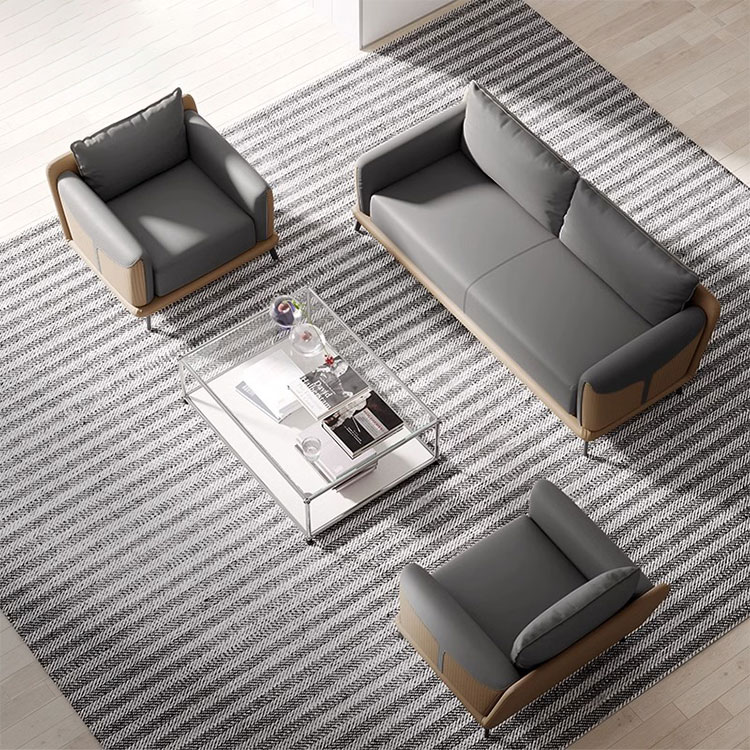
Modular seating acts as a highly scalable solution for growing businesses. Instead of purchasing fixed-dimension sofas, modular systems allow you to add or remove components as floor plans evolve. Low-profile modular bench systems optimize high-traffic walkthrough corridors and adapt easily to unconventional room shapes. This adaptability extends the functional lifespan of the furniture. Furthermore, modularity offers significant cost-efficiency during maintenance. If an individual seat cushion or backrest sustains damage, you can replace that single module rather than discarding the entire sofa. This targeted replacement strategy drastically reduces long-term facility maintenance expenditures. When specifying modular units, ensure the ganging brackets—the hardware that locks the pieces together—are heavy-duty metal rather than plastic. Plastic brackets snap under the lateral force of people sitting down heavily, causing the modules to drift apart and create tripping hazards.
Sleek, low-profile two-seater sofas maximize perceived space in smaller offices. By keeping the backrest low and the legs elevated, these designs allow light to pass underneath, making cramped reception areas feel open and airy. Simpler geometric designs often reduce manufacturing complexity. Fewer tufts, straight seams, and standardized cushion sizes lower production costs, allowing manufacturers to pass those savings directly to the buyer. Minimalist designs also resist looking dated as interior design trends shift, ensuring the furniture remains visually relevant for a decade or more. From an operational standpoint, elevated legs make floor maintenance significantly easier. Janitorial staff can vacuum or mop beneath the sofa without needing to move heavy furniture, reducing labor time and preventing accidental damage to the sofa frame or the surrounding walls.
Acoustic sofas serve as a dual-purpose investment in open-plan environments. These designs feature extended, sound-absorbing backrests and side panels that create immediate privacy zones. They provide comfortable seating while actively reducing ambient noise levels. Utilizing acoustic furniture mitigates the need for expensive architectural soundproofing or the installation of permanent, built-in meeting pods. By strategically placing high-back sofas, you can establish quiet, distraction-free areas for impromptu meetings or focused individual work. This approach offers significant budget implications, solving both seating and acoustic challenges with a single procurement line item. When evaluating acoustic sofas, check the Noise Reduction Coefficient (NRC) rating of the panels. A higher NRC indicates better sound absorption. Additionally, ensure the high backrests do not block critical sightlines to exit signs or interfere with the coverage patterns of the overhead fire sprinkler system.
Choosing classic, highly-functional office sofa designs over fleeting interior design trends yields substantial long-term benefits. Timeless silhouettes—such as the classic tuxedo sofa or the mid-century modern profile—seamlessly transition across various corporate zones. You can deploy the same design language in reception areas, executive suites, and collaborative breakout spaces, creating a unified corporate aesthetic. Standardizing on a versatile, classic design simplifies future procurement and allows for easy rotation of furniture between departments. Functional classics prioritize structural longevity and ergonomic support over novelty, ensuring the investment serves the workforce effectively for years. Look for designs with removable seat decks. This feature allows facility managers to easily clean crumbs and debris that inevitably fall between the cushions, maintaining a sanitary environment without requiring specialized upholstery cleaning tools.
Material choice directly dictates both the initial purchase price and ongoing maintenance budgets. Understanding these office sofa set price factors is crucial for accurate forecasting. Faux leather and commercial-grade polyester blends offer the best lifecycle costs. They resist staining, withstand aggressive cleaning protocols, and cost significantly less than genuine leather while providing a comparable professional appearance.
| Material Type | Durability (Rub Count) | Maintenance Level | Best Application |
|---|---|---|---|
| Genuine Leather | High | High (Requires conditioning) | Executive suites, low-traffic areas |
| Faux Leather / Vinyl | Very High | Low (Wipeable) | Healthcare, high-traffic reception |
| Commercial Polyester Blend | High (100k+ rubs) | Medium (Vacuuming, spot clean) | Breakout rooms, general office seating |
| Natural Cotton/Linen | Low | High (Stains easily) | Not recommended for commercial use |
When dealing with synthetic blends, pay attention to the cleaning codes. Code W means water-based cleaners are safe. Code S requires solvent-based dry cleaning products. Code WS allows both. For high-traffic commercial spaces, always specify fabrics with a W or WS code to ensure your in-house janitorial team can handle routine spills without calling in expensive specialized upholstery cleaners.
The internal skeleton of a sofa determines its survival in a commercial setting. Kiln-dried hardwood frames represent the gold standard, resisting warping and cracking under heavy loads. Plywood frames offer a budget-friendly alternative but must feature interlocking joints and corner blocks for stability. Metal frames provide exceptional durability for minimalist designs. Equally important is the foam density. High-resiliency (HR) foam commands a premium but retains its shape indefinitely. Cheap, standard polyurethane foam degrades quickly, leading to sagging cushions and an immediate loss of professional appearance. Investing in HR foam prevents the sofa from looking dilapidated within the first year of use. In commercial applications, foam density should be no less than 2.5 pounds per cubic foot. Anything lower will compress permanently under the repetitive stress of daily office use.
Selecting from a manufacturer's standard color catalog significantly lowers costs compared to requesting custom fabric dye lots or bespoke wood staining. Manufacturers produce standard textiles in massive quantities, achieving economies of scale. Custom finishes require halting production lines and sourcing specific materials, driving up the unit price and extending lead times. You can achieve excellent color coordination with existing office palettes using standard textile runs. Most commercial suppliers offer a wide spectrum of standard neutrals and vibrant primary colors that easily match corporate branding requirements without incurring custom upcharges. If you absolutely need a specific brand color, apply it to smaller, less expensive elements like throw pillows or the powder-coated metal legs, rather than the main upholstery yardage.
Procurement professionals often overlook secondary expenses that inflate the final bill. Freight shipping for bulky furniture can add substantial costs, especially for cross-country or international transit. White-glove delivery—which includes bringing the furniture inside, unboxing, and debris removal—is rarely included in the base price. Assembly labor also requires budgeting if the sofas ship flat-packed or in modular components. Additionally, be aware of minimum order quantities (MOQs). Some suppliers offer steep discounts but require you to purchase more units than you actually need. Scrutinize the final invoice to ensure all logistical and installation fees are transparently outlined. Always verify the dimensions of your building's freight elevator and loading dock doors before finalizing an order. A sofa that cannot fit through the service entrance will require costly on-site disassembly or hoisting through a window.
To ensure an apples-to-apples comparison between suppliers, you must standardize your Request for Proposal (RFP). Vague requests yield inconsistent quotes. Provide a strict checklist of technical specifications when asking for a reception seating quotation. Include exact maximum dimensions to ensure the furniture fits the designated space. Specify the required fabric grades, demanding a minimum of 50,000 double rubs. Clearly state the necessary weight capacities per seat and mandate compliance with local fire retardancy standards (such as CAL 117). By forcing suppliers to quote against identical technical criteria, you eliminate hidden downgrades in material quality and expose true market pricing. Include a requirement for suppliers to list the country of origin for both the frame and the upholstery, as this impacts both lead times and replacement part availability.
Evaluating the supplier is as critical as evaluating the furniture. Trustworthy commercial suppliers offer comprehensive warranties that cover both the frame and the upholstery for a minimum of five years. They also guarantee the availability of replacement parts, ensuring you can repair rather than replace damaged units. Request verifiable commercial case studies or references from similar corporate projects. Red flags in a quotation include vague material descriptions (e.g., "wood frame" instead of "kiln-dried hardwood") or unusually short warranty periods on structural components. A reputable supplier acts as a consultative partner, providing transparent data to support their pricing. Ask the supplier about their protocol for handling freight damage. A strong supplier will handle the freight claim on your behalf and immediately dispatch a replacement unit, rather than forcing you to fight with the logistics carrier.
Delayed furniture delivery can derail office openings and disrupt business operations. Custom furniture orders frequently suffer from extended lead times, sometimes taking 12 to 16 weeks to arrive. To mitigate this risk, establish clear project phasing. If timelines are tight, pivot to quick-ship domestic models rather than waiting for overseas custom orders. Quick-ship programs typically offer a curated selection of standard designs and colors guaranteed to ship within a few weeks. Communicate your hard deadlines to the supplier upfront and include penalty clauses for late delivery in the procurement contract to ensure accountability. Always pad your installation schedule by at least five business days to account for unforeseen logistical delays, such as severe weather impacting freight routes or loading dock scheduling conflicts at your facility.
Commercial wear and tear is inevitable. Proactive facility management extends the lifespan of your investment. Establish standardized cleaning protocols immediately upon installation. Train janitorial staff on the specific cleaning codes for the selected upholstery to prevent chemical damage. When possible, select sofa designs featuring removable, washable cushion covers. This allows facility managers to launder heavily soiled covers or replace them entirely without discarding the underlying foam and frame. Implementing a routine maintenance schedule, including regular vacuuming and prompt spill remediation, preserves the aesthetic integrity of the seating for years. Keep a digital log of all furniture warranties, fabric specifications, and supplier contact information accessible to the facility management team to streamline future repair requests.
A: The primary factors include the frame material (hardwood vs. plywood), foam density, fabric grade and rub count, modularity features, and logistical expenses such as freight shipping and assembly labor.
A: Focus on high-quality synthetic fabrics, modular designs, and bulk purchasing through a single reliable supplier to negotiate volume discounts. Avoid custom finishes and prioritize standard colorways.
A: Look for fully itemized costs, clear and lengthy warranty terms, explicit fabric specifications including double-rub counts, and transparent shipping, delivery, and installation fees.
A: Yes, over the long term. Modular systems allow for easy space reconfiguration and individual component replacement. If one seat is damaged, you replace just that module, reducing the need for total replacement.
A: Evaluate their commercial warranty terms, request physical fabric swatches, check their track record with similar corporate projects, and assess their post-sale support and replacement part availability.
A: Commercial-grade polyester blends or high-quality vinyl/faux leather are ideal. They offer exceptional durability, high stain resistance, and significantly lower maintenance costs compared to natural materials like cotton or genuine leather.
A: "Resimercial" design blends residential comfort with commercial-grade durability. It is highly cost-effective when implemented via clean, minimalist contemporary sofas that offer cozy textures but utilize heavy-duty synthetic fabrics.


