
Views: 0 Author: Site Editor Publish Time: 2026-08-18 Origin: Site


Commercial interior design is experiencing a rapid shift toward resimercial aesthetics, where the warmth of residential design meets the rigorous demands of corporate environments. This convergence introduces a significant challenge: the high failure rate of residential-grade seating in commercial spaces. Selecting a brown office sofa requires balancing executive-level aesthetics with contract-grade durability. Specifiers must navigate spatial constraints, brand identity, and the persistent risk of the furniture looking outdated or overly dark. Residential frames and standard foams simply collapse under the constant use of a public lobby or busy executive suite. To solve this, specifiers need a technical evaluation framework for commercial lounge seating. This framework covers material grading, structural integrity, modern aesthetic integration, and custom procurement realities to ensure the seating performs as intended without premature degradation.
Assessing traffic and usage patterns forms the baseline of any seating specification. You must differentiate the wear-and-tear expectations between a high-volume lobby and a low-traffic executive suite. High-traffic areas demand robust materials that withstand constant friction, frequent cleaning, and the occasional spill. In a main reception area, a sofa might see hundreds of users daily, requiring materials engineered for extreme abrasion resistance and structural frames built to handle dynamic loads. Conversely, executive suites allow for softer, more luxurious finishes because the user volume is significantly lower. Define the required lifespan and the acceptable degradation curve for the investment before selecting materials. A lobby piece might need to look pristine for five years under heavy use, while an executive piece might be expected to last a decade with minimal wear.
Aligning the seating with corporate identity requires careful consideration of color psychology and brand messaging. Different shades of brown communicate distinct brand values. A bright cognac suggests modern agility, forward-thinking energy, and a creative atmosphere. A deep espresso conveys established heritage, unwavering stability, and traditional professionalism. Earthy tones carry a psychological impact, effectively reducing the clinical sterility often found in corporate environments. They introduce warmth and approachability to professional spaces, making visitors and employees feel more grounded. When integrating these tones, you must evaluate how the specific shade interacts with the company's logo, secondary brand colors, and the overall architectural narrative of the building.
Spatial planning dictates the physical parameters of the seating. Determine footprint constraints by scaling the sofa to the architectural volume of the room. A massive, overstuffed piece will choke a small waiting area, while a delicate, low-profile sofa will look lost in a double-height atrium. Assess the need for modular configurations versus fixed, monolithic pieces. Modular units accommodate future layout changes and dynamic team structures, allowing facility managers to reconfigure spaces as company needs evolve. For small office footprints, specify low-profile designs and slim track arms. Open-under-base frames maximize flow in compact executive offices or tight reception alcoves without sacrificing seating capacity. This visual clearance allows the floor material to extend under the furniture, tricking the eye into perceiving a larger room.
| Environment Type | Traffic Level | Recommended Configuration | Priority Features |
|---|---|---|---|
| Main Reception Lobby | High (100+ users/day) | Modular, open-base, heavy-duty frame | Maximum abrasion resistance, easy cleanability |
| Executive Suite | Low (1-5 users/day) | Fixed monolithic, low-profile | Premium aesthetics, ergonomic support |
| Collaborative Breakout | Medium (20-50 users/day) | Modular with integrated power | Stain resistance, flexible arrangement |
| Small Waiting Alcove | Medium (10-30 users/day) | Two-seater, slim track arms | Compact footprint, visual clearance |
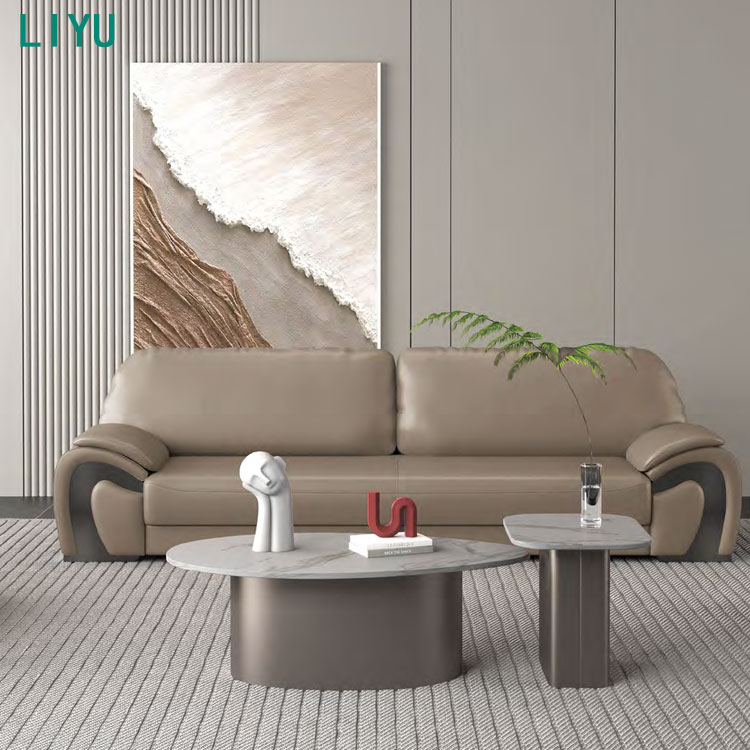
Top-grain and full-grain leathers offer unmatched breathability and a distinct patina process. These natural materials develop character over time, softening and molding to frequent users. However, they come at a premium cost and require dedicated maintenance. Their susceptibility to scratching from keys, rivets, and briefcases makes them suitable strictly for executive offices or low-traffic client meeting rooms. If you specify natural leather in a high-traffic zone, you will face rapid degradation and a scruffy appearance within months. Contract-grade faux leathers, such as advanced polyurethanes and vinyls, provide superior alternatives for public spaces. They offer exceptional cleanability, integrated antimicrobial treatments, and consistent dye lots across large orders. Modern polyurethanes mimic the hand-feel of real leather without the associated maintenance headaches.
Navigating leather office sofa colors requires a practical matrix based on maintenance realities. Darker espresso shades excel at hiding denim dye transfer and minor scuffs, making them ideal for busy waiting rooms. However, dark colors show dust and lint more readily, requiring daily wiping. Lighter camel tones brighten a room and hide dust well, but they require strict, frequent cleaning protocols to prevent permanent staining from dark clothing. You must balance the visual goal with the facility's actual janitorial capabilities.
Crypton and solution-dyed acrylics serve as excellent alternatives to leather. They offer the visual depth of brown while providing superior stain resistance and integrated moisture barriers. These textiles are engineered at the fiber level to repel liquids, preventing spills from penetrating the foam core. When specifying woven textiles, always verify the testing standards. Instruct your procurement team to check Wyzenbeek or Martindale abrasion test results. Target a minimum of 50,000 to 100,000 double rubs to ensure long-term commercial viability. Anything less will pill, fray, or wear thin under the stress of commercial use.
Material specifications determine the lifespan of custom office furniture. Contrast kiln-dried hardwood frames and steel chassis against inferior engineered woods. Hardwood and steel resist warping and handle heavy, continuous loads without compromising structural integrity. Plywood or particleboard frames will crack and fail under the dynamic loads of users dropping into the seat. Joinery techniques are equally vital. Corner-blocked, double-dowelled, and glued joints are necessary for enduring the stress of public spaces. Staples and basic screws will loosen over time, leading to squeaking and eventual collapse. Always require ANSI/BIFMA certification. These standards verify weight capacity and structural stability, effectively mitigating liability in commercial settings.
Foam density is another critical engineering component. Commercial seating requires high-density, high-resiliency (HR) foam, typically rated at 2.5 pounds per cubic foot or higher. This density prevents the cushions from bottoming out and losing their shape after a few months of use. Residential foams, often rated around 1.8 pounds, will quickly compress and fail in a corporate environment, leaving users sitting on the hard frame.
Commercial seating ergonomics differ vastly from residential designs. Analyze the optimal seat pitch and depth. A standard seat height of 17 to 18 inches, paired with firmer cushion density, assists users in standing up easily. This contrasts sharply with deep, overly soft residential sofas that trap the user, making it awkward and difficult to rise, especially for elderly clients or individuals with mobility issues. The seat depth should allow the user's feet to rest flat on the floor while their back is supported.
Armrest functionality plays a major role in user mobility. Armrests provide necessary structural support for individuals transitioning in and out of the seat. This feature is particularly important in healthcare facilities, accessible office environments, or any space catering to a diverse public demographic. The armrests must be securely anchored to the main frame to withstand the downward force of a person pushing off them to stand.
Wood tone synchronization ensures the furniture feels integrated into the architecture. Use a framework for matching or intentionally contrasting the reception sofa finish with existing office millwork, doors, and flooring. If exact matching is impossible, opt for high contrast. A near-miss in wood tones looks like a mistake, whereas a deliberate contrast looks designed. For example, pair a dark walnut architectural wall with a light ash sofa base. Metal accents offer another integration strategy. Brass, matte black, or brushed nickel bases anchor the brown sofa within the broader executive seating palette, bypassing wood-tone conflicts entirely. Metal bases also provide superior durability against vacuum cleaners and scuffing in high-traffic areas.
Brown upholstery can easily dominate a room, making it feel oppressive. Balance visual warmth with cool architectural backdrops. Pair brown sofas with cool-toned plaster, exposed concrete, sage greens, or deep blues. This prevents a dated, monochromatic appearance and brings a modern edge to the space. Utilize textural layering to break up large expanses of solid brown. Incorporate high-performance, contract-grade accent textiles like bouclé or ribbed weaves through contrasting throw pillows. Ground the space using light-colored, high-traffic commercial area rugs. This visually lifts a dark brown sofa and separates it from dark wood flooring, creating a defined seating zone.
Lighting dramatically alters the perception of brown upholstery. Color temperature, measured in Kelvin, dictates the visual outcome. A 3000K warm white light enhances the richness and depth of brown, making it look inviting. Conversely, 4000K and above cool white or fluorescent lighting can wash out lighter browns, making them look flat and lifeless. It may also introduce unwanted green or gray undertones, completely changing the intended aesthetic. High CRI (Color Rendering Index) lighting, ideally 90 or above, is necessary to accurately display the intended hue of custom upholstery. Always review physical fabric swatches under the actual lighting conditions of the installation site before final approval.
Supply chain variables dictate project schedules. Break down the timeline components: fabric sourcing, frame manufacturing, and freight transit. Each phase carries potential delays. A delay in fabric milling can push the entire manufacturing schedule back by weeks. Mitigate these risks by specifying Quick-Ship frames with graded-in fabrics, which manufacturers keep in stock for rapid deployment. Alternatively, order COM (Customer's Own Material) only after verifying physical inventory with the textile distributor. Never assume a fabric is in stock based on a website listing; always get a formal stock check and reserve the yardage.
Establish strict cleaning regimens before installation. Outline the specific cleaning codes (W, S, WS, X) associated with the chosen brown upholstery. Train facility staff on the operational methods of maintaining these textiles. Using a water-based cleaner on an "S" coded fabric will cause permanent water rings. Evaluate manufacturer warranties carefully. Differentiate between frame warranties, which often span 10 or more years, and upholstery warranties, which typically cover 1 to 3 years. Ensure the coverage meets acceptable commercial standards and understand exactly what voids the warranty, such as using unapproved cleaning solvents.
Specify commercial-grade engineering and performance textiles over initial aesthetic appeal to ensure long-term viability.
Verify BIFMA compliance and select appropriate abrasion-rated upholstery before finalizing any seating designs.
Match upholstery colors to on-site lighting and architectural millwork using physical swatches in the actual space.
Confirm lead times and verify fabric inventory with distributors to prevent costly project delays.
Review warranty documentation and establish clear maintenance protocols with facility management prior to installation.
A: Commercial sofas feature kiln-dried hardwood or steel frames, high-density foam, and BIFMA certification for weight capacity. They also use fabrics that comply with strict commercial fire codes like CAL 117, unlike standard residential seating which degrades quickly under heavy use.
A: Darker tones like espresso or chocolate excel at hiding denim dye transfer, ink marks, and minor scuffs. However, lighter dust and lint may be more visible on these dark surfaces, requiring regular wiping by facility staff.
A: Balance the warm brown with cool wall tones like sage or blue. Incorporate open-base metal frames to create visual clearance, use light-colored commercial rugs to ground the piece, and add contrasting performance pillows.
A: Avoid trying to match wood tones exactly, as near-misses look accidental. Instead, intentionally contrast the wood finishes or utilize metal bases like matte black or brushed nickel to bypass wood-tone conflicts entirely.
A: Utilize low-profile, two-seater configurations. Pair them with high-legged, open-under-base frames that create visual clearance and maximize floor visibility, making the compact suite feel larger and less cluttered.
A: Realistic estimates range from 6 to 12 weeks. This timeline depends heavily on domestic versus international manufacturing locations and the immediate availability of Customer's Own Material (COM).


