
Views: 0 Author: Site Editor Publish Time: 2026-08-12 Origin: Site


The specification of dark, heavy furniture in commercial interiors carries inherent spatial risks, yet remains a staple for modern corporate and executive environments. While a black sofa for office spaces projects authority and anchors a room, improper material selection or poor spatial planning can result in high-visibility wear, lighting absorption, and a sterile, residential feel in a commercial setting. Facility managers and interior architects face constant pressure to balance aesthetic weight with daily functional demands. Specifying dark upholstery requires precise attention to fabric abrasion ratings, frame construction, and environmental lighting conditions. This guide provides a technical evaluation framework for architects, procurement teams, and facility managers to specify, customize, and integrate black commercial seating that meets durability standards and aligns with corporate aesthetic goals. We outline exact material requirements and spatial strategies to ensure your seating installations perform flawlessly under heavy daily use.
Defining what makes commercial seating successful requires looking beyond the colorway. A functional installation must prioritize structural durability, brand alignment, and user comfort. Before finalizing any dark upholstery, project stakeholders must evaluate the expected traffic volume, the demographic of the users, and the primary function of the space. A high-traffic lobby demands different performance metrics than a secluded executive suite. Success is measured by how well the seating withstands daily compression, resists surface abrasion, and maintains its structural integrity over a multi-year lifecycle. You must establish clear performance baselines before reviewing aesthetic options.
Black furniture dramatically alters the perception of interior volume. In high-volume spaces like atriums and reception lobbies, a dark sofa acts as a visual anchor. It grounds the room and provides a clear focal point amidst expansive architecture. Conversely, in low-volume spaces such as private executive suites, dark furniture can compress the room if not managed carefully. First impressions matter immensely in corporate design. Utilizing a dark sofa projects stability, security, and a sophisticated, calming vibe for corporate visitors. It establishes authority and neutrality, which explains why black remains the foundational anchor in the executive seating palette. You can manipulate spatial perception by adjusting the scale and placement of these dark elements.
A common pitfall in corporate design is specifying consumer-grade aesthetics for high-traffic environments. Consumer inspiration boards often feature sleek, delicate profiles that fail rapidly under commercial use. Structural contract-grade requirements dictate a different build entirely. Commercial seating requires high-density foam, reinforced frame joinery using kiln-dried hardwoods with corner blocks, and certified commercial weight capacities. Translating domestic comfort to the professional environment involves adapting styling elements into layouts that remain code-compliant and structurally sound for continuous use. You must verify that the internal construction matches the external aesthetic demands.
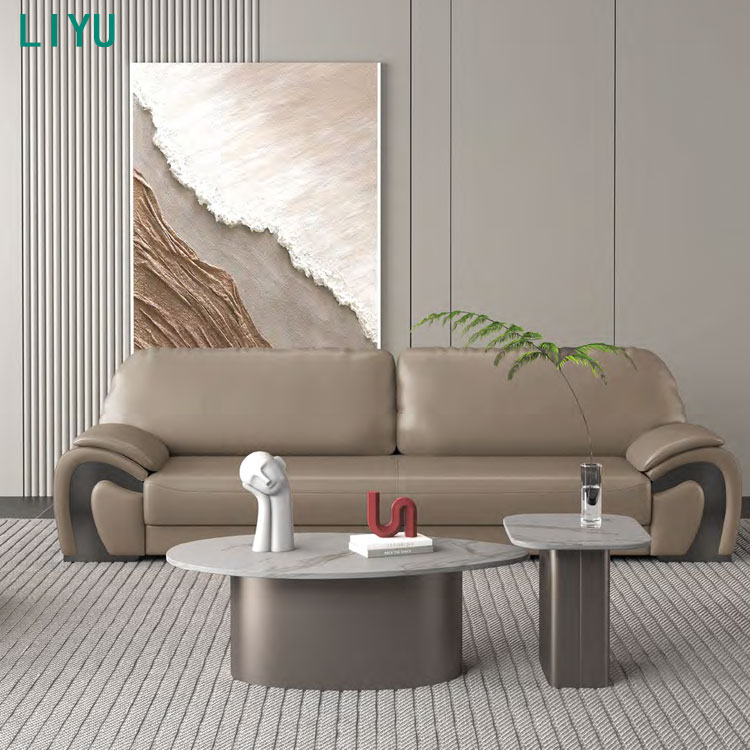
Material selection dictates the longevity of the furniture. When evaluating fabrics, solution-dyed acrylics, Crypton textiles, and commercial wool blends offer superior fade resistance and stain repellency. These textiles are engineered to withstand rigorous cleaning protocols. Leather presents a different set of variables. Navigating leather office sofa colors requires understanding the performance differences between aniline, semi-aniline, and pigmented black leathers. Pigmented leathers offer maximum scratch resistance and color consistency, making them ideal for high-traffic areas. Aniline leathers develop a natural patina but require strict climate control and are susceptible to fading. You must align the material choice with the specific environmental demands of the installation site.
| Material Type | Durability (Double Rubs) | Maintenance Level | Best Application |
|---|---|---|---|
| Crypton Fabric | 100,000+ | Low (Stain Repellent) | High-Traffic Lobbies |
| Commercial Wool Blend | 75,000+ | Medium (Vacuuming) | Collaborative Zones |
| Pigmented Leather | N/A (High Tear Strength) | Low (Wipe Clean) | Reception Areas |
| Aniline Leather | N/A (Moderate Tear Strength) | High (Conditioning) | Executive Suites |
Assessing finishes for high-traffic zones is critical for long-term visual appeal. When choosing a reception sofa finish, matte and semi-matte options consistently outperform high-gloss leathers. Glossy finishes tend to highlight micro-scratches, oil transfer from hands, and surface dust. Incorporating tactile texture mitigates the monolithic, flat appearance of solid dark upholstery. Bouclé, tweed, flat-weaves, or pebbled leather catch ambient light differently. This adds depth and hides minor surface imperfections that would otherwise stand out on a smooth finish. You should request large physical swatches to evaluate texture under actual site lighting.
Safety and regulatory compliance cannot be overlooked in commercial specifications. Ensure all specified upholstery and foam configurations meet CAL 117-2013 flammability standards. Seating should adhere to BIFMA emissions guidelines to maintain healthy indoor air quality. Verifying compliance with regional commercial building codes guarantees that the furniture is legally suitable for public and corporate spaces. This protects the facility from liability and ensures occupant safety. Always demand certification documents from the manufacturer before finalizing the purchase order.
Moving beyond off-the-shelf solutions allows designers to specify purpose-built, highly durable commercial seating. Standard retail furniture rarely meets the specific dimensional or technological requirements of a modern corporate facility. By engaging with manufacturers who specialize in custom office furniture, procurement teams can dictate exact foam densities, frame dimensions, and upholstery grades. This matches the precise demands of the environment. Customization ensures the seating integrates flawlessly with the surrounding architecture and functional requirements.
The choice between modular and fixed seating depends entirely on the spatial function. Evaluating modular sectionals is essential for agile workspaces, touchdown zones, and evolving floor plans. Teams frequently reconfigure these layouts for different tasks. Modular pieces offer flexibility and scalability. Specifying fixed, single-frame sofas is the preferred approach for formal executive suites and highly controlled reception areas. These spaces require a permanent, authoritative footprint. You must analyze the long-term flexibility requirements of the space before committing to a configuration.
Modern commercial seating must support varying postures and work styles. Integrating custom ergonomic components elevates a standard sofa into a functional workspace. Options include adjustable headrests, variable-height armrests, and high-back acoustic privacy panels. These acoustic additions are particularly valuable in open-plan layouts. They create semi-private collaboration zones that block ambient noise and provide visual privacy for focused work. You should prioritize ergonomic support to ensure user comfort during extended periods of use.
Corporate seating must accommodate the digital needs of its users. Concealing power, USB, and data ports within the sofa's frame or under-seat apron ensures connectivity without compromising the design silhouette. When specifying these integrations for dark furniture, you must use color-matched or matte black flush-mounted faceplates. This attention to detail maintains clean visual lines against the dark upholstery. It prevents glaring white or metallic outlets from disrupting the aesthetic. Coordinate with electrical engineers to ensure floor core placements align with the furniture layout.
Dark furniture inherently carries significant visual weight. To prevent a space from feeling heavy or oppressive, designers must use elevated frames. Specifying metal, brushed brass, or light wood legs creates negative space beneath the sofa. This reduces its visual bulk. Pairing dark sofas with contrasting flooring, architectural rugs, and light wall treatments ensures the furniture stands out sharply rather than blending into the shadows of the room. You can use these contrast strategies to highlight the architectural lines of the seating.
Integrating dark seating into compact areas requires precise spatial planning. Specifying low-profile, clean-lined sofas for compact private offices or narrow alcoves maximizes traffic flow and maintains open sightlines. Using corner placements, wall-mounted ledges, and open-sided chaise modules prevents the furniture from visually shrinking a restricted room. Keeping the backrest low allows natural light to pass over the furniture, maintaining an airy feel. You must measure clearance zones meticulously to ensure ADA compliance and comfortable circulation.
Because dark upholstery absorbs light, a single overhead light source will render the furniture flat and featureless. The necessity of layered lighting schemes cannot be overstated. Combining ambient overheads with targeted architectural wash lighting and accent fixtures highlights the texture and contours of the upholstery. Managing natural light exposure through automated shades or UV-filtering glass prevents premature fading and degradation of dark dyes. You should conduct lighting mock-ups with material samples to verify the visual impact before installation.
A dark sofa should not exist in isolation. Curating contract-grade companion coffee tables featuring natural stone, warm oaks, or tempered glass helps break up the heavy presence of the seating. Leveraging muted earth tones, warm metallics, or specific corporate branding colors in accent pillows, adjacent side chairs, and accessories balances the overall palette. This strategic contrast brings warmth and approachability to the corporate environment. You must select companion pieces that share the same commercial durability ratings as the primary seating.
A persistent misconception in commercial design is that dark colors hide all dirt. In reality, black surfaces heavily highlight dust, dry soils, lint, and pet hair in pet-friendly environments. Facility managers must establish strict daily and quarterly maintenance protocols based on the specified textiles or leather grades. Routine HEPA vacuuming is mandatory for fabrics. Leathers require regular wiping and periodic conditioning to prevent cracking and maintain their finish. You must provide the facilities team with a detailed care manual specific to the selected upholstery.
Understanding the lifecycle of commercial seating ensures long-term operational success. Procurement teams must compare manufacturer warranties, paying close attention to the differences between structural frame integrity guarantees versus fabric wear and foam resilience limits. Planning for reupholstery versus complete replacement cycles is a necessary step for high-volume, 24/7 commercial environments. High-quality frames can often be reupholstered multiple times, extending the functional life of the asset significantly. You should factor these lifecycle extensions into your initial procurement strategy.
A: A commercial reception sofa requires a minimum rating of 50,000 Wyzenbeek double rubs for moderate use. In high-traffic lobbies or 24/7 facilities, specify textiles rated for 100,000+ double rubs to ensure the fabric withstands continuous daily abrasion without premature thinning or tearing.
A: It depends on the leather grade. Pigmented or protected leathers have a durable surface coating that resists scratching and hides wear effectively. Aniline leathers lack this protective coat, meaning they will show scratches and scuffs easily, eventually developing a distinct, natural patina over time.
A: Avoid flat weaves, which highlight surface debris. Instead, select heavily textured fabrics like bouclé or tweed that camouflage lint and dust. Implement routine maintenance protocols, including daily or semi-weekly HEPA vacuuming, to remove dry soils before they embed into the fibers.
A: Yes. Custom furniture manufacturers can route wiring internally through the frame. To maintain a seamless look, they utilize color-matched or matte black flush-mounted faceplates, ensuring the technology blends discreetly into the dark upholstery rather than standing out as a visual distraction.
A: To soften the harshness of solid black, pair it with warm natural woods like walnut or oak. Incorporate brushed brass or bronze hardware, and use muted earth tones like terracotta, olive green, or warm taupe in surrounding rugs, pillows, and side chairs for a balanced aesthetic.
A: Yes, if specified correctly. To prevent the dark furniture from visually shrinking a compact room, specify low-profile designs with raised legs made of metal or wood. This creates negative space beneath the sofa, allowing light to flow and making the footprint feel much lighter and less restrictive.


