
Views: 0 Author: Site Editor Publish Time: 2026-09-30 Origin: Site


The executive desk serves as the primary anchor of professional authority and spatial design in corporate environments. Material quality directly signals corporate identity, making the selection process a high-stakes decision for facilities managers and procurement teams. High-end office tables represent significant capital expenditures. Buyers frequently struggle to balance the aesthetic prestige of natural materials with the practical realities of daily wear, UV exposure, and maintenance requirements. A structured evaluation framework that moves beyond surface aesthetics is necessary. Assessing durability, finish chemistry, and long-term lifecycle performance ensures you select the right furniture for your executive suites without facing premature replacement cycles or excessive maintenance overhead.
Selecting the right surface requires a clear understanding of how the space functions daily. Assess the usage intensity before looking at finish samples. A heavy daily laptop and writing use scenario demands completely different surface resilience compared to a low-traffic meeting space. You must match the physical durability of the topcoat to the actual workflow happening across the desk. For instance, an executive who reviews large architectural blueprints needs a massive, scratch-resistant surface, while a CEO who primarily conducts digital meetings might prioritize the visual warmth of an oiled finish.
Aesthetic and architectural alignment plays a major role in spatial harmony. Establish how the desk must integrate with existing architectural millwork, lighting, and corporate branding. An isolated piece of furniture disrupts the visual flow. The finish should complement wall panels, flooring, and surrounding cabinetry to create a cohesive executive environment. If the room features heavy mahogany paneling, introducing a bleached ash desk creates a jarring visual disconnect unless specifically designed as a high-contrast focal point.
Visual comfort directly impacts daily productivity. Consider the Light Reflectance Value (LRV) of your chosen finish. High-gloss finishes create distracting glare under corporate LED lighting. This constant reflection causes significant eye strain over long working hours. Matte or satin finishes reduce this glare, offering a much more comfortable visual experience for executives. When reviewing finish samples, always place them horizontally under the exact lighting temperature (measured in Kelvin) specified for the final office build-out.
Acoustic performance in executive suites often goes overlooked during the design phase. Open-pore wood finishes and natural substrates help dampen sound reflections. Hard, highly reflective laminate surfaces bounce sound waves, creating a harsh acoustic environment. Natural materials soften the room acoustics, which proves vital during confidential meetings or video conferences. A thick solid wood top absorbs vibration from keyboard typing much better than a hollow-core or thin laminate alternative.
Longevity and return on investment expectations should guide your material selection. Frame the acceptable lifecycle for manager office furniture, which typically spans 10 to 15 years or more. Determine your organization's willingness to invest in periodic maintenance. A finish requiring quarterly oiling fails if your facilities team lacks the capacity to perform this upkeep. You must align the physical properties of the desk with the operational realities of your building management staff.
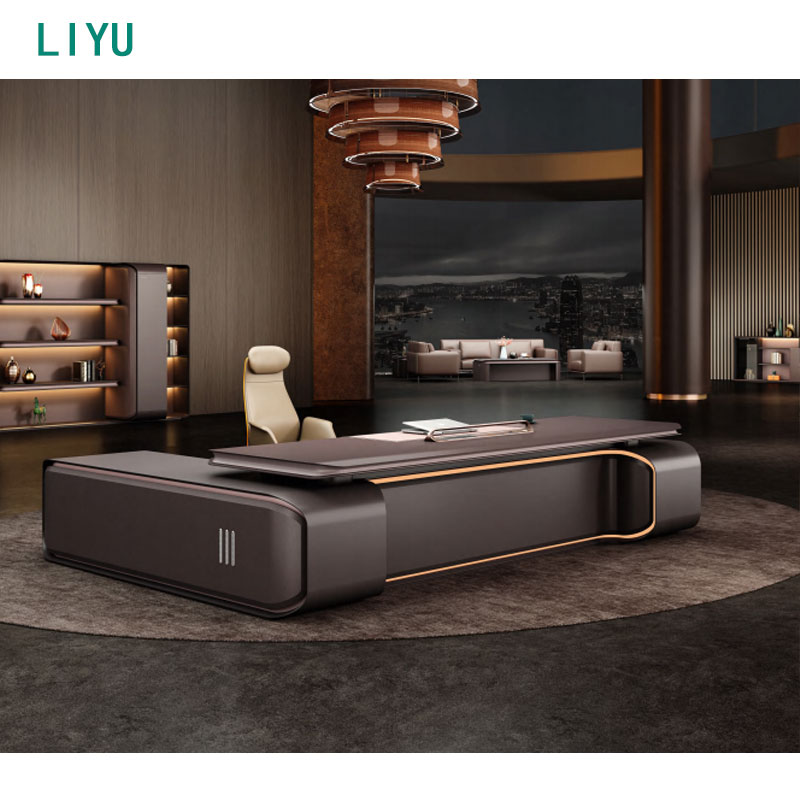
Understanding the underlying construction dictates how the furniture behaves over time. The core substrate determines weight, stability, and how the desk reacts to environmental changes. Surface materials dictate the tactile experience and visual prestige.
Solid wood construction offers maximum prestige and unique grain patterns. You gain the ability to sand and refinish the surface multiple times over its lifespan. When a solid wood top sustains a deep gouge, a skilled woodworker can sand it down and restore it to factory condition. However, solid wood carries extreme weight and remains highly susceptible to humidity changes. It requires strict environmental controls to prevent structural failure. Large solid slabs will expand and contract across their width, requiring specialized joinery like breadboard ends or slotted mounting brackets to prevent the top from cracking as it moves.
Commercial-grade wood veneer provides exceptional stability when applied to high-density MDF or HDF substrates. This construction method allows for consistent grain matching across large surfaces, enabling techniques like book-matching or slip-matching that are impossible with solid lumber. It also promotes the sustainable use of rare wood species by slicing a single log into hundreds of usable sheets. The primary drawback involves a limited refinishing capacity. Because the veneer layer is typically only 1/42 to 1/32 of an inch thick, you can only sand it lightly once or twice before exposing the composite core. Veneers are also susceptible to edge chipping if the manufacturer improperly details the edges without solid wood banding.
High-Pressure Laminate (HPL) with a wood-grain finish offers maximum scratch and chemical resistance. This material requires zero maintenance and remains highly budget-friendly. Modern printing techniques have made HPL visually indistinguishable from real wood at a distance. Yet, HPL lacks the tactile warmth and prestige required for a true luxury office table. When you touch it, it feels like plastic. Furthermore, if deeply gouged by a sharp object, you cannot repair laminate; the entire surface requires replacement.
| Material Type | Structural Stability | Refinishing Potential | Maintenance Level |
|---|---|---|---|
| Solid Wood | Low (Moves with humidity) | High (Multiple sandings) | High |
| Commercial Veneer | High (Stable MDF core) | Low (1-2 light sandings) | Medium |
| High-Pressure Laminate | Very High | None | Low |
The chemical composition of the topcoat determines how the desk survives daily use. You must evaluate these finishes based on their resistance to abrasion, chemical exposure, and ease of repair.
Catalyzed polyurethane and lacquer finishes form a hard, protective plastic-like shell over the wood. This mechanism yields high resistance to water rings from coffee cups and minor abrasions from sliding laptops. The trade-off is a finish that can look overly glossy or artificial if applied too thickly. Spot repairs prove difficult. Fixing a deep scratch usually requires stripping the entire surface, neutralizing the catalyst, and reapplying the coating in a dust-free spray booth.
Oil and hardwax finishes penetrate the wood fibers directly. This leaves an open-pore, matte texture that feels highly tactile. It preserves the natural feel of a modern executive desk and allows for easy localized spot repairs. If a scratch occurs, maintenance staff can lightly sand the specific area and rub in new oil, blending it seamlessly. However, these finishes require strict, periodic reapplication to maintain their protective barrier. They offer minimal protection against standing liquids, making coasters mandatory to prevent dark moisture stains.
UV-cured commercial finishes are factory-applied and cured instantly with ultraviolet light. This process delivers exceptional durability, chemical resistance, and low VOC emissions. The resulting surface withstands heavy daily use effortlessly, resisting solvents and harsh cleaning chemicals. The major downside is repairability. You find it impossible to replicate or repair this finish outside of a specialized factory setting. If a UV-cured top sustains severe damage, you must replace the entire component.
Health and environmental compliance matter deeply in modern facility design. Navigating VOC emission standards for executive suites ensures you meet corporate wellness and green building criteria. Look for GREENGUARD Gold certified coatings. These low-VOC finishes protect indoor air quality, supporting LEED and WELL building certifications while keeping occupants healthy. Off-gassing from cheap lacquers can cause headaches and respiratory irritation in poorly ventilated private offices.
The specific species of wood dictates the baseline color, grain pattern, and physical hardness of the desk. Different species carry distinct visual weights and historical associations.
Traditional authority often relies on dark, closed-grain woods like Walnut, Mahogany, and Cherry. These species carry significant visual weight and historical context, often found in law firms and financial institutions. You must account for UV sensitivity when specifying these materials. Cherry darkens considerably over time when exposed to sunlight, developing a deep reddish-brown patina. Conversely, Walnut tends to lighten and take on a warm amber tone under similar conditions. If you place a leather writing pad on a new cherry desk, the covered area will remain light while the exposed wood darkens, leaving a permanent shadow when the pad is moved.
Contemporary and minimalist designs favor open-grain, lighter woods such as White Oak, Ash, and Maple. These species integrate perfectly into modern executive desk configurations that emphasize natural light and clean lines. Techniques like wire-brushing remove the soft summer wood from the grain, leaving a textured surface. Cerused finishes involve rubbing a contrasting pigment into these open pores. These specialized treatments excel at hiding micro-scratches and daily wear, making them highly practical for active workspaces.
Exotic and figured woods like Burl, Rosewood, and Teak deliver unmatched visual impact. They command a premium cost and instantly elevate the room's status. The chaotic grain patterns of burl wood create natural artwork on the desk surface. When specifying these materials, you must verify FSC (Forest Stewardship Council) certification and CITES compliance. Failing to ensure responsible sourcing introduces significant reputational risk to your organization, as many exotic species face severe over-harvesting.
Mixed-material integrations elevate standard designs into bespoke statement pieces. Designing a desk with integrated leather writing inserts adds functional luxury while protecting the primary work zone. Metal inlays using brushed brass or blackened steel provide sharp architectural contrast against the organic wood grain. Stone pairings, such as a marble transaction counter mounted above the wood surface, complement natural wood grains perfectly. These combinations require precise craftsmanship to ensure different materials expand and contract without causing structural damage or joint failure.
Balancing initial capital against maintenance overhead drives smart procurement. Compare the upfront cost of a catalyzed-finish veneer desk against the ongoing maintenance demands of an oiled solid wood table. A cheaper initial purchase might cost more in specialized maintenance over a decade. Factor your internal facilities capabilities into the decision-making process. If your cleaning staff relies on harsh chemical sprays, an oiled solid wood desk will degrade within months.
Ergonomics and edge profiles directly impact user comfort and longevity. Evaluate how the wood edge detailing functions daily. Waterfall edges, knife-edges, or solid wood banding on veneer tops prevent premature edge wear. A sharp 90-degree edge causes forearm discomfort during typing and chips easily when struck by the arms of ergonomic office chairs. Specifying a 3mm radius on all user-facing edges significantly extends the lifespan of the office desk materials.
Integrated technology accommodation separates standard tables from high-performance workstations. Assess how different materials handle routing, drilling, and heat dissipation. Embedded power and AV modules require precise cutouts. Solid wood moves with humidity, potentially warping around rigid metal technology boxes if not engineered with proper expansion tolerances. Veneer over MDF provides a much more stable substrate for complex CNC routing and flush-mounted technology integration.
Climate control realities dictate the survival of natural wood furniture. Detail the risk of checking, warping, or delamination if the executive suite lacks strict HVAC humidity controls. The ideal range for office table wood remains between 40-50% relative humidity. Fluctuations outside this zone cause the wood to expand and contract violently. Winter heating drops indoor humidity, causing wood to shrink and crack. Summer humidity causes expansion, which can blow apart joinery or cause veneer to bubble and delaminate.
Establish a strict daily maintenance protocol to prevent micro-scratches. Corporate facilities teams must use proper writing pads and enforce coaster policies. Avoid the chemical breakdown of the topcoat by banning harsh cleaning agents containing ammonia or silicone. Educate cleaning staff on the specific requirements of the chosen finish to prevent accidental damage during routine janitorial work. Provide them with approved, pH-neutral wood cleaners and clean microfiber cloths.
Delivery and structural logistics often derail executive furniture installations. Address the challenges of installing heavy solid wood or large continuous veneer tops in high-rise commercial buildings. Measure elevator dimensions, hallway clearances, and turning radiuses carefully. A 12-foot continuous boardroom table will not fit in a standard passenger elevator. Verify floor load limits for exceptionally heavy stone and solid wood combinations before finalizing the order. Plan for specialized rigging or stair-carries if the pieces exceed elevator capacities.
Warranty evaluation protects your investment. Instruct buyers to scrutinize commercial furniture warranties carefully. Look for specific exclusions regarding natural wood variations or UV fading. Understand exactly what constitutes a manufacturing defect versus normal wear and tear. A robust warranty indicates the manufacturer's confidence in their finish chemistry and structural engineering. Ensure the warranty covers veneer delamination and joint failure under normal commercial office conditions.
The optimal wood finish calculation depends entirely on your specific aesthetic requirements, daily usage intensity, and facility maintenance capabilities. No single material solves every problem perfectly. You must weigh the visual prestige of natural materials against the practical demands of your executive environment. Choose solid wood with an oil finish for low-traffic, high-prestige environments where you can invest in regular upkeep. Choose high-grade veneer with a UV-cured lacquer for heavy daily use requiring a strict balance of luxury and durability.
Take these actionable next steps to finalize your selection:
A: Catalyzed polyurethane and UV-cured commercial finishes offer the highest durability. They create a hard, plastic-like shell that provides exceptional resistance to scratches, abrasions, and standing liquids, making them ideal for heavy daily use.
A: Yes, but with strict limitations. Commercial veneers are thin. You can typically perform only one light sanding and refinishing over the desk's lifespan before burning through the veneer layer to the substrate beneath.
A: Maintain consistent indoor humidity levels between 40-50% year-round. Avoid placing the desk directly over HVAC vents or in direct, intense sunlight, as rapid temperature and moisture changes cause the wood to warp and crack.
A: Walnut undergoes a natural photodegradation process when exposed to UV light. Unlike many dark woods that darken over time, walnut actually lightens and develops a warm, amber tone as it ages in a sunlit room.
A: No. High-end commercial furniture often relies on premium veneer over MDF or HDF substrates. This construction provides superior structural stability, prevents warping in climate-controlled offices, and allows for perfect grain matching across large surfaces.
A: LRV measures how much light a surface reflects. High-gloss finishes have high LRVs, causing severe glare under modern LED lighting. Matte finishes lower the LRV, significantly reducing eye strain and improving visual comfort during long work sessions.


