
Views: 0 Author: Site Editor Publish Time: 2026-07-05 Origin: Site


The boardroom serves as the epicenter of high-stakes decision-making. Seating provides the most tactile, immediate indicator of corporate standards, prestige, and stability. Organizations frequently misallocate procurement budgets on executive seating that degrades rapidly under continuous use. Misleading marketing terms lure buyers into purchasing a cheap genuine leather office chair or synthetic alternative. These materials peel, crack, or lose structural integrity within three years. This rapid degradation damages the room's aesthetic and requires premature replacements. This guide provides a rigorous technical framework for evaluating and procuring a premium full grain leather office chair for boardroom environments. We examine material science, upholstery grades, physical ergonomics, and cushion construction. You will learn how to ensure your boardroom seating investment delivers authoritative presence and decade-plus durability.
Visual weight and authoritative presence matter in high-stakes negotiation spaces. The psychology of premium materials directly influences how stakeholders perceive stability. Heavy-gauge leather absorbs ambient sound effectively. It prevents the distracting crinkling noise associated with cheap vinyl or polyurethane alternatives. You must align the chair profile with the architectural design of the room. A traditional button-tufted high-back suits classic interiors. A sleek, minimalist mid-back complements modern glass-walled spaces. When you walk into a room, the chairs dictate the hierarchy. Flimsy frames and peeling armrests immediately undermine the professional atmosphere. Heavy, solid construction communicates permanence.
Acoustics play a surprisingly large role in boardroom design. Cheap synthetic materials squeak and rub loudly when users shift their weight. Natural, thick hides dampen these sounds. They provide a quiet, stable seating experience that keeps focus on the conversation, not the furniture. The tactile feedback of the armrests, the resistance of the recline mechanism, and the temperature of the material all contribute to the user's subconscious evaluation of the environment.
Establishing a strict baseline requirement guarantees long-term performance. You should expect a decade or more of active, maintenance-supported use from premium seating. Comfort consistency remains critical during multi-hour strategic sessions. The chair must accommodate diverse body types and variable postures. Aesthetic aging separates premium materials from inferior substitutes. High-quality hides develop a desirable, prestigious patina over time. Low-grade materials structurally flake and degrade, ruining the professional atmosphere.
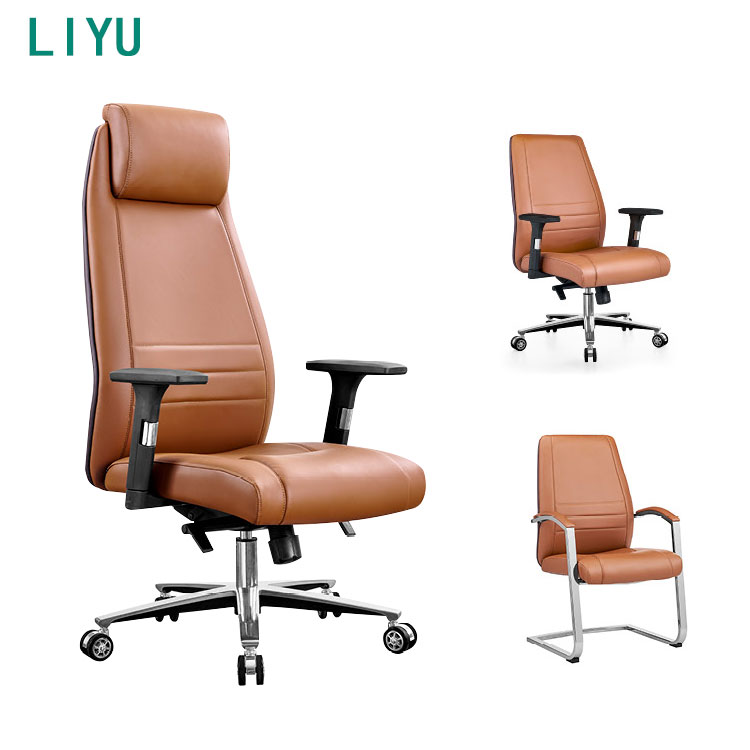
Understanding the anatomy of the hide prevents costly procurement mistakes. Leaving the outermost layer intact ensures maximum fiber density. This full grain approach delivers superior puncture resistance and natural breathability. The dense, tightly packed fibers at the surface provide the structural strength necessary for daily commercial use. Manufacturers often sand and finish top grain leather to achieve surface uniformity. This process sacrifices long-term grain strength and natural airflow. By removing the strongest part of the hide, the material becomes more susceptible to stretching and tearing over time.
Corrected-grain or top-finished options offer a practical middle-ground for specific environments. Minor sanding and a protective layer help prevent permanent staining from office spills. You protect against coffee and ink without sacrificing core durability. However, for the absolute highest standard of luxury executive seating, uncorrected hides remain the superior choice. They retain the natural markings of the animal, which authenticates the material and adds unique character to each piece.
Many buyers fall for deceptive marketing terminology. A heavily processed, lower-tier product often hides behind the genuine label. Manufacturers make these from the split layers of the hide. Once the top layer is removed for premium products, the remaining fibrous bottom layer is heavily treated. Factories stamp it with an artificial grain pattern and coat it with polyurethane to simulate the look of real leather. Low-grade leather fails predictably in high-use commercial environments. Surface cracking and coating delamination occur rapidly. Friction points like seat pans and armrests show severe wear within months.
Cost-saving illusions dominate the lower end of the market. Bonded leather materials face a reality of a two-to-three-year breakdown cycle. Manufacturers create bonded leather by macerating leather scraps and mixing them with polyurethane binders. It is essentially particle board, but for upholstery. Synthetic office chair upholstery carries significant environmental impacts. Volatile organic compound off-gassing presents concerns in closed environments. Thermal retention issues plague synthetic materials in climate-controlled boardrooms, causing users to sweat during long meetings.
| Material Grade | Durability | Breathability | Aging Characteristics |
|---|---|---|---|
| Full Grain Leather | Excellent (10+ years) | High | Develops rich natural patina |
| Top Grain Leather | Good (5-8 years) | Moderate | Maintains uniform appearance |
| Split / Genuine Leather | Poor (1-3 years) | Low | Cracks and peels rapidly |
| Polyurethane (PU) | Poor (1-2 years) | Very Low | Delaminates and flakes |
The mushy seat trap ruins long-term comfort. Overly plush, thick cushions compress completely under extended use. They trap excessive body heat and fail to support the pelvis. When a user bottoms out against the hard plywood or plastic seat pan beneath the foam, pressure points develop immediately. Specifying high-density, cold-cured molded foam solves this issue. This material achieves a balanced, medium-firm seat. It supports proper pelvic tilt and skeletal alignment over extended meetings. Unlike cut block foam, molded foam retains its shape and resilience for years.
Ergonomic adjustability remains essential for any commercial seating. Evaluate seat depth sliders and knee-tilt mechanisms carefully. A knee-tilt mechanism moves the pivot point to the front of the seat pan. This feature enables executive recline postures while keeping the user's feet planted firmly on the floor. It prevents the uncomfortable lifting of the thighs that cuts off circulation. Adjustable lumbar support must integrate subtly into the chair's profile, providing targeted lower back support without disrupting the sleek aesthetic of the boardroom.
Internal frame construction must match the extended lifespan of the upholstery. Extruded aluminum, solid steel, or reinforced hardwood provide necessary strength. Plastic bases flex and eventually snap under continuous heavy loads. Big and tall requirements demand specific structural ratings. Source options with 350-pound capacities and heavy-duty Class 4 gas cylinders. The cylinder is the heart of the chair's height adjustment; a weak cylinder leads to sinking seats. Dual-wheel commercial casters must handle both low-pile carpet and hard surfaces smoothly. Specify soft-tread urethane casters for hardwood or tile floors to prevent scratching.
Uncorrected hides naturally regulate temperature and dissipate moisture. The pores in the material remain open, allowing air to circulate around the user. Heavily finished, plastic-coated leathers trap heat against the user, creating a sweaty, uncomfortable experience. Perforated seat inserts improve airflow significantly in warmer environments. Breathable sub-layers benefit boardrooms with variable HVAC zones. High occupancy loads require seating that manages thermal buildup effectively. When twenty people occupy a closed room for four hours, the ambient temperature rises. The seating material must mitigate this heat transfer.
Evaluating the true lifespan of seating reveals the reality of procurement cycles. Comparing one premium chair over 15 years against multiple low-grade replacements highlights the operational efficiency of buying quality. Disposing of and re-procuring inferior chairs wastes resources and time. Every replacement cycle requires facility managers to source new products, arrange delivery, assemble the units, and dispose of the broken inventory. This constant churn disrupts boardroom availability and creates unnecessary administrative overhead. Engineered mechanisms add real value to the lifespan of the product. Heavy-duty tilt locks and solid aluminum bases outlast standard plastic components by decades.
Natural hide variations present a reality you must manage during fleet procurement. Prepare stakeholders to accept unique markings on premium seating. Minor scars, neck wrinkles, and grain variations indicate authentic material. These are not defects; they are proof of the material's natural origin. Demanding artificial uniformity forces you into corrected-grain options, which compromise durability. Color selection impacts long-term visual appeal. Classical warm browns hide wear differently than sleek blacks. Assess UV fading risks in boardrooms featuring floor-to-ceiling perimeter glass. Direct sunlight bleaches natural materials over time. Specify UV-resistant window treatments or select lighter leather dyes if the room receives heavy sun exposure.
Auditing manufacturer specification sheets protects your investment. Search for precise terminology like aniline, semi-aniline, or pure uncorrected grain. Reject vague, non-standard terms such as premium leather blend or executive-grade leather touch. These phrases intentionally obscure the use of synthetic materials. The leather match loophole catches many buyers off guard. Some chairs use premium material on direct-contact surfaces only. They substitute color-matched vinyl or PU on the back, sides, and under-trim. This mismatch leads to uneven aging. The real leather develops a patina, while the synthetic sections peel and crack, ruining the entire chair.
Establishing a bi-annual professional cleaning protocol preserves your investment. Conditioning prevents dry-rot and maintains natural hide moisture. Leather requires hydration to remain supple and resist tearing. Mitigating environmental risks extends the life of the boardroom chair. Manage localized HVAC humidity fluctuations carefully. Extremely dry air pulls moisture from the hides. Place seating away from direct heat registers to prevent localized drying and cracking. Train the cleaning staff to avoid harsh chemical solvents. Standard glass cleaners or bleach wipes will strip the protective oils from the leather instantly.
Differentiating between warranty types prevents future disputes. Frame and mechanism warranties typically cover 10 to 12 years. Upholstery warranties frequently limit coverage to three to five years. Read the fine print regarding normal wear and tear. Verifying ANSI/BIFMA certification guarantees safety and structural stability. These standards ensure the chair withstands rigorous commercial conditions. BIFMA testing includes drop tests, back pull tests, and caster durability tests. Never procure seating for a commercial environment that lacks independent BIFMA certification.
A: Full grain uses the intact outer layer of the hide, offering maximum durability and natural breathability. Genuine leather is a marketing term for inferior split leather that is heavily processed, stamped with artificial grain, and prone to rapid peeling and cracking.
A: Semi-aniline features a light protective topcoat. This coating preserves the natural look and feel of the hide while providing essential resistance against common office spills like coffee and ink, making it highly practical for commercial use.
A: When properly maintained and paired with a high-quality structural frame and high-density foam, a premium chair easily lasts 10 to 15 years in a commercial environment, developing a rich patina over time.
A: No. Unlike synthetic polyurethane or heavily coated lower-grade leathers, uncorrected natural hides are porous. They naturally breathe, dissipate moisture, and regulate temperature effectively during extended sitting periods.
A: Review the detailed specification sheet. "Leather match" means the manufacturer uses real leather only on the seat and inside backrest, while using cheaper, color-matched vinyl or polyurethane on the exterior back, sides, and bottom trim.


