Views: 0 Author: Site Editor Publish Time: 2026-06-01 Origin: Site


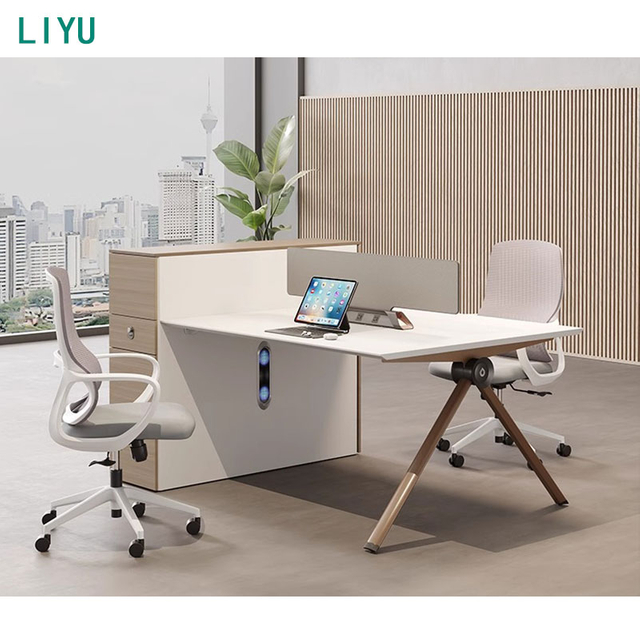
Have you ever walked into a workspace that immediately feels brighter, calmer, and more organized even before you notice any specific furniture or decoration, and have you ever wondered why some offices naturally create a sense of focus and freshness while others feel visually heavy, cluttered, and mentally draining even when they are equipped with the same technology and similar layouts? The answer often lies in one of the most underestimated yet powerful elements in interior design, which is the desk surface itself, especially when it is a white modern office desk that transforms how light, space perception, and visual clarity interact in a contemporary working environment.
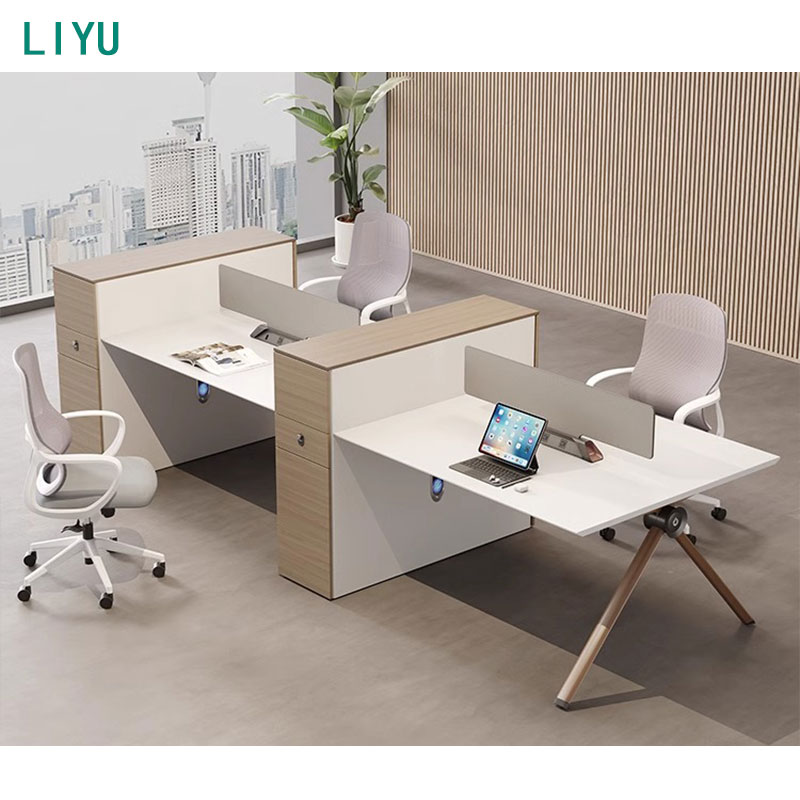
In modern office design, productivity is no longer determined solely by tools, software, or seating arrangements, but increasingly by environmental psychology, where color, material, and spatial balance directly influence concentration, creativity, and long-term mental comfort during working hours. A white modern office desk has become one of the most widely adopted solutions in this context because it enhances brightness, reduces visual fatigue, and creates a sense of openness that supports both cognitive performance and aesthetic harmony.
In this article, we will explore why a white modern office desk is ideal for fresh contemporary workspaces, how it affects productivity and workspace perception, what materials and design styles are most effective, how it compares with other desk colors, and what practical factors should be considered when choosing the right setup for different working environments and professional needs.
Modern working environments have evolved significantly due to the rise of remote work, hybrid offices, and digital-first business models, which means that people now spend more time in personalized workspaces where comfort and visual quality are just as important as functionality. A white modern office desk plays a central role in this transformation because it directly influences how light is reflected and distributed across the workspace, making the entire environment feel more open, balanced, and visually refreshing.
From a psychological perspective, lighter environments are associated with clarity of thought, reduced stress levels, and improved focus, which is why many interior designers intentionally incorporate a white modern office desk into contemporary office layouts. Unlike darker surfaces that absorb light and create visual density, white surfaces enhance brightness and reduce unnecessary visual weight, which helps support sustained concentration during long working hours.
Another important factor is visual fatigue, especially in digital work environments where screens are used for extended periods. A white modern office desk reduces harsh contrast between work surfaces and digital displays, creating a more balanced visual environment that supports long-term cognitive comfort.
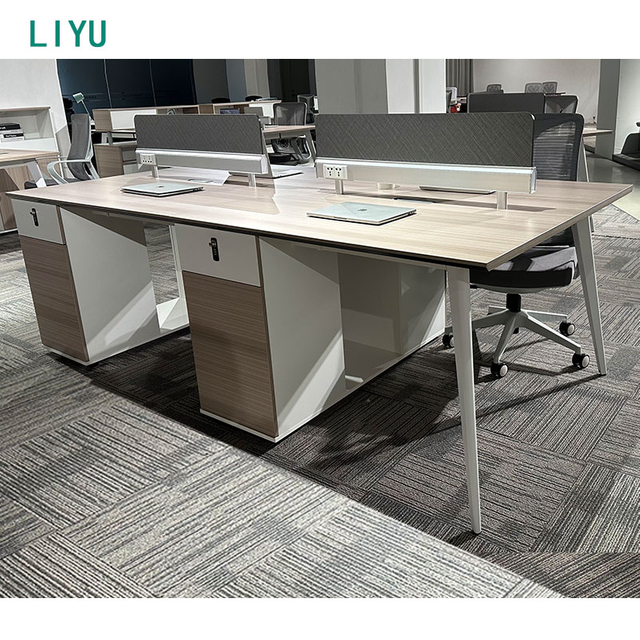
A high-quality white modern office desk is defined not only by its color but also by its structural design, material composition, and functional features that together create a workspace suitable for modern productivity needs. The combination of aesthetics and engineering determines whether the desk can truly support long-term professional use in both home and corporate environments.
The first important characteristic is minimalist structural design, where unnecessary visual elements are removed to create a clean and focused workspace that reduces distraction and enhances task efficiency. The second characteristic is surface durability, as white finishes require advanced coating technologies such as anti-yellowing protection, scratch resistance, and stain prevention to maintain their appearance over time.
Functionality is another essential factor, as modern users rely heavily on digital devices, meaning a white modern office desk must integrate cable management systems, storage solutions, and flexible layouts that support multiple working devices while maintaining a visually clean environment. Ergonomics also plays a critical role, ensuring proper height alignment, sufficient legroom, and comfortable working posture during long hours of use.
Material selection significantly affects durability, maintenance requirements, and visual quality, especially in environments where both aesthetics and performance are important. Different materials offer different advantages depending on budget, usage intensity, and design expectations.
Material Type | Durability Level | Brightness Effect | Maintenance Requirement | Cost Efficiency | Ideal Application |
MDF with white coating | Medium | Very High | Medium | High | Home offices |
Engineered wood | High | High | Medium | Medium | Corporate offices |
Solid wood + white finish | Very High | Very High | Low-Medium | Low | Executive spaces |
Metal frame + white top | Very High | High | Low | Medium | Industrial modern offices |
This comparison highlights that while all materials can support a white modern office desk design, the optimal choice depends on whether the priority is affordability, long-term durability, or premium visual impact in contemporary workspace environments.
The white modern office desk category has evolved into several design styles that reflect different working environments, aesthetic preferences, and functional requirements, making it a highly versatile option for modern interiors.
The Scandinavian minimalist style combines white surfaces with natural wood accents to create a warm yet clean visual environment that is especially popular in creative industries and home office setups. The modern executive style focuses on larger surfaces, integrated storage, and premium finishes that support corporate environments where authority and professionalism are important.
Compact home office designs prioritize space efficiency while maintaining brightness and simplicity, making them ideal for small apartments or limited workspaces. Meanwhile, L-shaped configurations provide expanded working surfaces that support multitasking, dual-monitor setups, and separated workflow zones for professionals who require higher productivity levels.
Color selection plays a crucial role in shaping workspace perception, and comparing different desk colors helps illustrate why the white modern office desk is increasingly preferred in contemporary design trends where brightness, simplicity, and modern aesthetics are prioritized.
Feature | White Desk | Black Desk | Wood Finish Desk |
Brightness effect | Very High | Low | Medium |
Spatial perception | Expands | Compresses | Neutral |
Modern aesthetic | Very High | High | Traditional |
Visual fatigue level | Low | Medium | Medium |
Popularity in startups | Very High | Medium | Medium |
This analysis demonstrates that a white modern office desk provides superior performance in brightness enhancement and spatial perception, making it particularly suitable for modern offices where openness and productivity are key priorities.
Selecting the right white modern office desk requires careful evaluation of several practical factors including workspace size, lighting conditions, work habits, and storage needs, as each of these influences long-term usability and satisfaction.
For smaller environments, a compact white modern office desk can visually expand space and improve lighting distribution, while larger corporate settings may require executive-style desks with integrated storage and cable management systems. Work style also plays a major role, as creative professionals often prioritize aesthetics and flexibility, while technical users focus on durability, surface space, and functional organization.
Ultimately, the ideal choice should balance visual appeal with practical functionality to ensure that the workspace remains efficient, comfortable, and visually consistent over time.
A properly designed white modern office desk should support ergonomic principles that improve posture, reduce fatigue, and enhance productivity, particularly in digital work environments where long hours of sitting are common. Proper monitor positioning, keyboard alignment, and seating posture are essential components of a healthy workspace setup.
White surfaces also improve lighting distribution, reducing shadows and glare while enhancing visual clarity, which contributes to a more comfortable working experience. When combined with proper ergonomic adjustments, a white modern office desk can significantly improve both physical comfort and cognitive performance.
Ergonomic Factor | Recommended Standard | Benefit |
Desk height | 70–75 cm | Posture support |
Monitor height | Eye level | Neck strain reduction |
Viewing distance | 50–80 cm | Eye fatigue reduction |
Arm positioning | 90-degree angle | Shoulder comfort |
Lighting condition | Soft natural + LED | Visual balance |
This structured ergonomic approach ensures that a white modern office desk is not only aesthetically appealing but also functionally optimized for long-term productivity and comfort.
The production of a white modern office desk requires precise manufacturing processes that ensure consistent color quality, surface durability, and structural stability. Anti-yellowing coatings, scratch-resistant finishes, and moisture-resistant treatments are essential for maintaining long-term visual appeal, especially in high-use environments.
Consistency in white coloration is particularly important in modern office design, as even slight variations in tone can disrupt the visual harmony of a contemporary workspace, making quality control a critical part of production.
Modern workplace trends continue to influence the evolution of white modern office desk design, especially as hybrid work models and minimalist aesthetics become more widespread. One major trend is multifunctional integration, where desks combine storage, cable management, and ergonomic flexibility into a unified structure that supports diverse working needs.
Sustainability is another growing trend, with increasing demand for eco-friendly materials and low-emission production processes, while modular design systems are becoming more popular as businesses and individuals seek adaptable workspace solutions that can evolve over time.
A white modern office desk represents more than just a furniture choice; it is a strategic design element that enhances brightness, improves productivity, and supports modern workspace aesthetics in contemporary environments. By combining minimalist design principles, ergonomic functionality, and durable materials, it transforms ordinary offices into fresh, efficient, and visually balanced workspaces that support both focus and creativity.
Whether used in home offices, corporate environments, or creative studios, the white modern office desk continues to play a key role in shaping modern workspace trends and remains one of the most effective solutions for improving both visual comfort and functional performance.
It enhances brightness, improves spatial perception, and creates a clean, modern working environment that supports productivity and focus.
It requires regular cleaning, but modern coatings significantly improve stain resistance and long-term durability.
Engineered wood, solid wood with coatings, and metal frame combinations are commonly used depending on durability and budget requirements.
Yes, it visually expands space and improves lighting, making it ideal for compact environments.
Proper monitor height, seating posture, and lighting balance are essential for maximizing comfort and productivity.