
Views: 0 Author: Site Editor Publish Time: 2026-02-04 Origin: Site


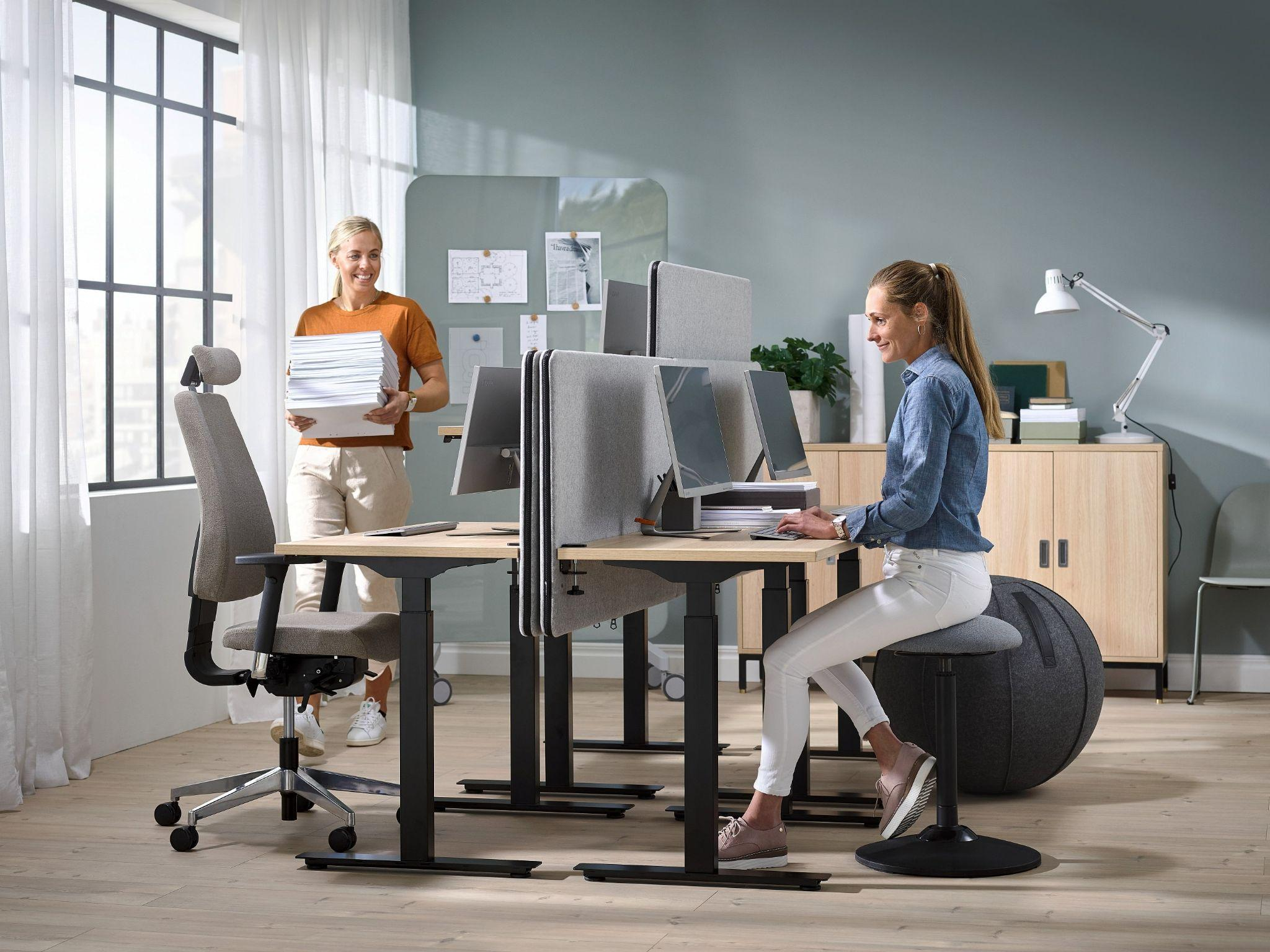
In today’s modern workplace, a company’s culture generally goes beyond just their ethos and the things it preaches. Companies also need to focus on their environments and how the physical fixtures around them communicate what they’re about.
Considering that your office equipment is what dominates your physical presence, having these tools form a part of your identity and culture is a great way to communicate it. And in this article, we’ll outline a few simple strategies that can help you get this done.
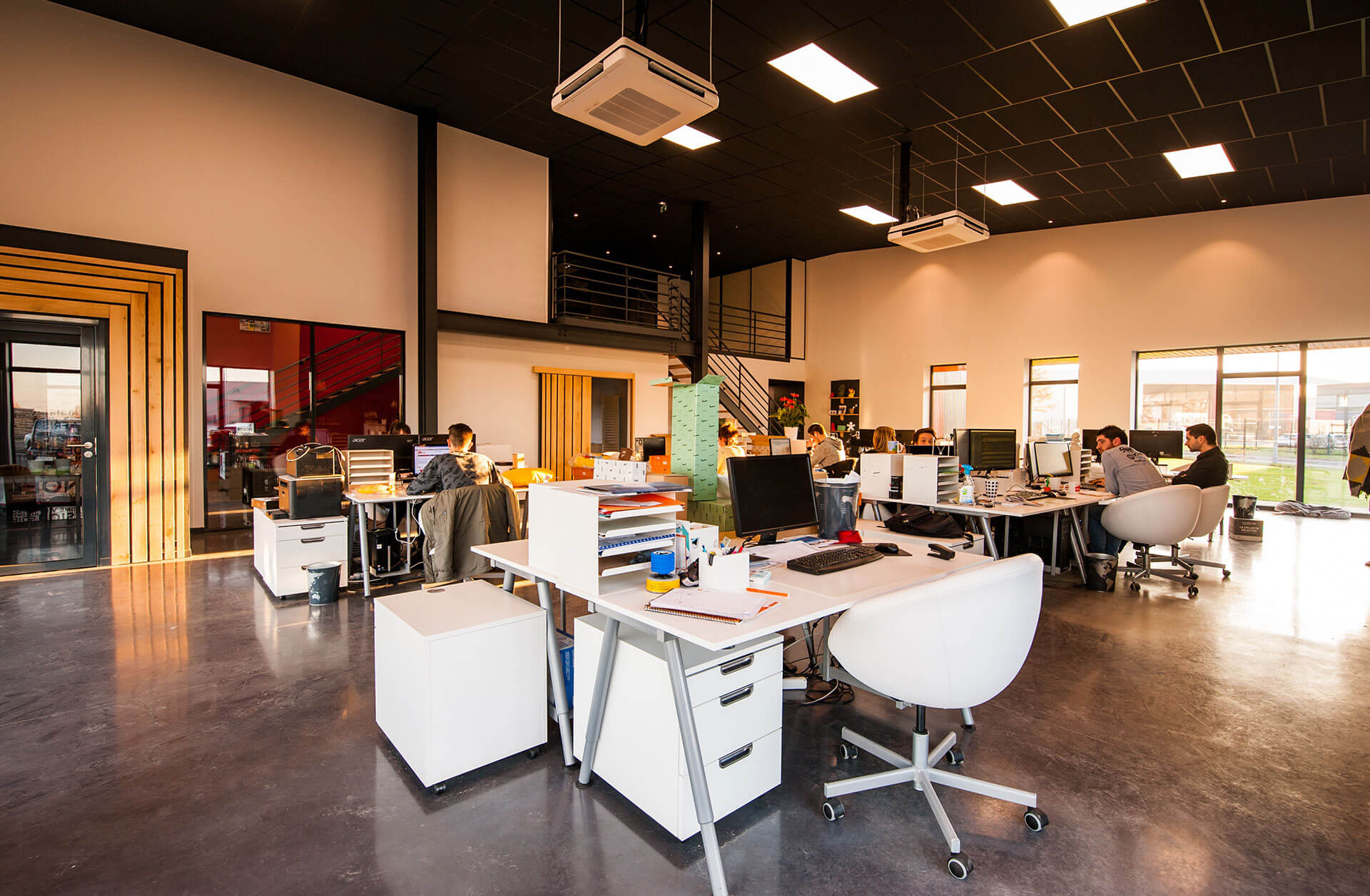
Every company’s workspace is one of the most overlooked expressions of its culture. Today, organizations are getting more intentional about designing spaces that reflect who they are - whether physically, functionally, or emotionally.
A company’s culture starts with common values and beliefs. However, daily actions are what solidify it. From the nature of collaborations to decision-making processes and more, physical environments amplify or weaken these behaviours.
● When you have an office that’s mostly closed off with cubicles, supporting collaboration can be challenging
● On the other hand, spaces that reduce friction easily aid fast-moving, high-performance teams
● Inclusivity and wellness in a company’s physical layout and office equipment and protects a people-first culture
Like we said earlier, furniture is one of the easiest signals of a company’s personality. Your choice of office furniture shows your values, even when you don’t have to say anything.
From the look of your reception to the layout of your office desks and even the presence of collaboration lounges and individual workstations, every singular piece of furniture reinforces your organization’s perception - especially to outsiders or visitors.
Because you have your office furniture around you, having it shape your identity is a simple way to communicate the type of vibe you want people to have when they come in. But, how does this happen?
If you’re looking to express your identity through your workspace, the color of your office furniture is one of the most efficient ways.
● Non-Invasive Integration: Brands that focus on minimalism can use accents to incorporate colors. Office desk dividers, office chair stitching, fort furnishings, etc. can easily create a refined look
● Bold Expression: Brands with a creative focus can also use vibrant colors across chairs, wall panels, etc. to communicate their free thinking and confidence.
Besides colors, materials also do a good job of communicating a company’s values. Your choice of textures, finishes, and even materials can clearly show what you’re about and stand for.
● The use of sustainable materials like recycled plastics and low-VOC finishes, for instance, shows a company’s commitment to the environment.
● And, for a company looking to show exclusivity and premium taste, the focus can be on high-end material options like brushed metal, stone accents, etc.
With these choices, companies can easily embody their values through daily interactions with their office equipment.
We also need to highlight the arrangement of furniture as this says a lot about company culture.
These days, companies embrace more open floor plans as they work better for organizations with flat work structures, where everyone is free to collaborate and access each other.
On the other hand, many are also adopting segmented office structures where privacy is prioritized and the focus is more on focus and orderly workflows. For the separation of work and understanding hierarchy, this is important.
Distinctive furniture pieces can go a long way to solidify brand identity in the physical environment.
● Custom Reception Desks: You can have a unique office desk shape, a specific material, or even embedded brand elements that show a sense of professionalism.
● Logo-Integrated Furniture: Things like branded furniture or wall-mounted logos can also connect a brand’s story to the physical environment seamlessly
Furniture can play a central role in determining how team members work together and build the necessary momentum on projects. Generally, you want a proper mix of meeting zones, workstations, and other supporting office furniture elements that can build cohesion.
And as you build that flexible work environment, here are a few things to keep in mind:
Teamwork thrives when you have dedicated collaborative workstations. Setups like these allow employees to share ideas, create together, and solve problems as teams. And, you can incorporate them using the following:
● Benching Systems: These are streamlined, collaborative desks that connect teams and facilitate seamless communication.
● Cluster Desks: Built in groups or pods, these office desks support small teams that need to be together all through the work day.
● Circular or Round Tables: With these tables, you can take out any physical barriers and promote efficient brainstorming.
It’s common knowledge that collaboration isn’t restricted to just conference rooms. With informal areas, you build the necessary space for conversations and creativity.
● Soft Seating: Incorporate lounge chairs, sofas, and ottomans to help employees feel relaxed as they converse.
● Coffee Tables & Low Tables: These are ideal for quick ideation sessions.
● Collaborative Pods: Essentially, they’re almost-closed spaces where people can have huddles comfortably and privately.
For collaboration, you don’t need office furniture that stays in one place. Your team is dynamic, and they need environments that easily switch based on their workflows.
● Repositionable Tables and Lightweight Chairs: These office furniture pieces make it easy for teams to transform their space within minutes based on their needs.
● Folding or Stackable Seating: For space maximization and removing any clutter, these pieces are perfect.
● Modular Sofas & Benches: Units that can easily be rearranged into smaller spaces for discussions or workshops.
With this adaptability, teams are able to properly take control of their environments and collaborate better.
Collaboration can be quiet sometimes. When teams need to concentrate and focus on complex problems, office furniture can also enhance productivity.
● Sound-Absorbing Panels: These can help reduce ambient noise and distractions, boosting clarity and communication.
● Acoustic Meeting Pods: Closed booths that help individuals and small groups to hold discussions without needing conference rooms.
● Phone Booths or Solo Pods: These pods can support employees who need their privacy as well.
Aside from the regular furniture categories, you can also add a few extra enhancements to your general environment to improve teamwork:
● Writable Surfaces: Mobile whiteboards, writing pads, and other surfaces help bring ideas into life through visual thinking.
● Integrated Power & Connectivity: We also recommend office furniture with built-in charging ports and cable management.
● Height-Adjustable Collaborative Tables: These fixtures improve movement and can help reduce overall fatigue.
Furniture plays an important role in determining how people communicate and interact within a workspace. For companies, being intentional about this and selecting the right office furniture pieces creates environments that support open connection and team flow.
It’s common knowledge that some of the most critical conversations within an office environment aren’t planned. Those small brainstorming sessions and quick chats where breakthroughs are made happen by accident, and you can have furniture and office equipment arranged to spark these moments.
● Strategic Seating Nooks: Keep small seating clusters or chairs along walkways to invite those casual conversations.
● High Tables & Standing Spots: Placed close to circulation paths, these tables and spots encourage quick exchanges between team members.
● Shared Resource Stations: Coffee makers, printers, and other office equipment can be surrounded by casual seating to attract employees and encourage interactions.
For you to foster a high-performing workspace, you need to balance different work modes, and the right furniture can help with this.
● Focus Zones: Equipped with ergonomic office desks, focus pods, and even seating options, these zones are perfect for intense individual tasks.
● Collaboration Zones: These areas feature shared tables, writing surfaces, and ideal setups that support group work.
● Social Zones: From café-style office desks to soft seating options and lounge arrangements, these zones allow team members to relax and bond spontaneously.
With the right furniture, you can easily distinguish between these zones and curate environments that match every task level.
You’ll notice that interaction behavior can depend significantly on the location of meeting spaces as well. For instance, you could place small huddle rooms along areas with high traffic and busy corridors to encourage visible collaboration.
We also recommend placing strategy rooms, conference areas, and others in quieter corners of the office, allowing teams to focus without being interrupted.
Furniture helps significantly to shape the flow of teams across the office.
● Defined Pathways: Thanks to furniture lines, you can subtly shape walking routes and guide people across your workspace.
● Collaborative Clusters: You can also group chairs or benches in circular or triangular patterns to encourage seating and conversations.
● Congregation Points: Shared counters, lounge zones, and communal office desks can act as areas where you encourage people to take a second and interact.
With the right placement, furniture moves from just being fixtures to becoming a movement tool that ensures seamless flow between the entire workspace.
In today’s workspace, ergonomics plays a role beyond just making sure everyone’s comfortable. With the right ergonomic setup, you can also go a long way in improving team collaboration.
Employees are freer to communicate openly when they know they’re supported physically. And with the right ergonomic choices, you can ensure sustained and inclusive collaboration across the board.
Seating quality can influence teams’ ability to collaborate properly. With lumbar designs and supportive backrests, team members stay comfortable during meetings and sessions.
The addition of adaptive materials and breathable mesh also keeps people focused and comfortable for long, and we recommend having flexible seating options that allow team members to adjust their postures.
With comfort, conversations flow and last longer, so breakthroughs can be arrived at.
Office desks and other work surfaces can contribute to team engagement during tasks.
● Height-adjustable collaborative tables allow team members to alternate between standing and sitting, so they remain energetic for long.
● Proper desk depth and surface space will ensure that everyone has room for their personal items and shared materials.
● Cable-managed and tech-integrated surfaces cut down on clutter, so team members can be productive mentally.
For a workspace culture to be collaborative, it needs to be inclusive. And with ergonomic furniture, you can take a bold step towards removing physical barriers and improving participation.
● Chairs with adjustable height, armrests, and seat depth support different body types, so everyone sits comfortably and stays engaged.
● Accessible meeting tables and seating layouts cater to people with mobility issues, allowing them to feel included.
● Varied seating options, such as ergonomic task chairs, lounges, and more, also make it easy for participants to choose what suits their bodies and work styles.
Communicating your workplace identity isn’t just about the things you say - it’s also reflected in the environment you cultivate for everyone. And with the right office equipment, you can clearly show what you’re about and share your values with everyone.
Looking to spruce up your office space with the right furniture? Reach out to us at Foshan Liyu Furniture Co. Ltd. and let’s help you out!


