
Views: 0 Author: Site Editor Publish Time: 2026-09-30 Origin: Site


The executive office layout has shifted away from rigid, formal environments. Modern workspaces now function as hybrid spaces that prioritize deep work, strategic thinking, and extended physical comfort. We see a strong rejection of the clinical look associated with traditional ergonomic mesh chairs. Instead, executives want warm, inviting, and home-like corporate sanctuaries. You face a specific challenge when designing these spaces. You must bridge the gap between the aesthetic appeal of residential-style comfort and the strict ergonomic requirements of a corporate environment. A lazy sofa office chair offers that relaxed feel, but it must still deliver performance and professional authority. We need a clear framework to evaluate hybrid seating options. These chairs must provide high-end comfort without sacrificing postural support or commercial durability. You need seating that looks sophisticated but actively supports the body during long hours of intense focus and high-stakes decision-making.
A true hybrid chair must meet specific success criteria to function effectively in an executive suite. We define the "lazy" elements as a deep seat pan, high-density foam, and a reclined resting angle. The "professional" elements include a structured silhouette, premium finishes, and reliable swivel or tilt mechanisms. You need this combination to ensure the chair serves its purpose without looking out of place in a corporate environment. The chair must support active work while offering a relaxed posture for reading or informal meetings.
You will always face tension between visual appeal and long-term spinal health. Executives often demand immediate plush comfort. However, task-oriented mobility requires firm, structured support. Addressing this dilemma means looking for hidden ergonomic features within a soft exterior. You cannot rely on standard living room furniture. The "home office creep" phenomenon often leads to residential lounge chairs failing in executive settings. These consumer-grade chairs lack proper commercial compliance. They suffer from rapid foam degradation and inadequate warranty coverage. Eventually, they display an unprofessional visual slouch that ruins the aesthetic of the office.
Commercial-grade hybrid seating solves this problem by engineering the interior frame differently. Manufacturers use molded plywood or steel inner shells. They layer high-resiliency foam over these rigid structures. This prevents the sinking feeling that causes lower back pain. You get the visual softness of a sofa with the skeletal support of a task chair. We look for specific foam densities, usually above 40kg/m3, to guarantee the seat will not bottom out after six months of daily use.
The base mechanism also separates a professional hybrid from a residential piece. A standard lounge chair sits on fixed legs. A corporate hybrid requires dynamic movement. You need a synchronized tilt mechanism that allows the backrest and seat pan to recline at a 2:1 ratio. This keeps your feet flat on the floor while you lean back. It maintains circulation in your legs and reduces pressure on your lumbar spine. These mechanical requirements dictate the overall design and cost of the chair.
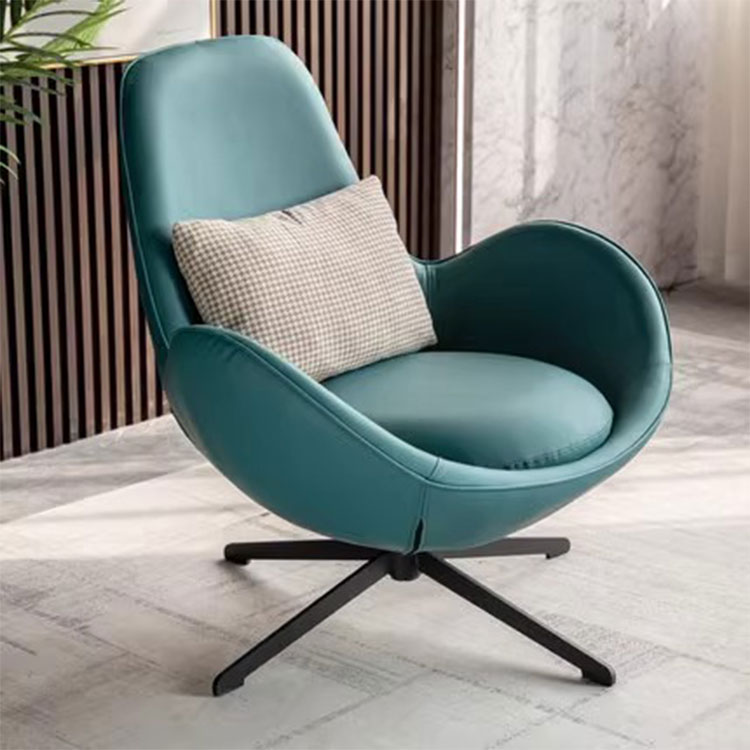
You must categorize executive seating based on how it will be used throughout the day. A single chair cannot perform every function perfectly. We divide these seating solutions into four distinct categories to optimize both comfort and productivity.
For prolonged computer work, you need heavily cushioned, channel-tufted, or pillow-top executive chairs. A high-back leather office sofa chair serves this role perfectly. It offers tilt-lock mechanisms and adjustable armrests. These features allow you to transition smoothly from active typing to a reclined reading position. Premium 5-star aluminum caster bases ensure stability and mobility across the floor.
Aesthetically, pairing structured leather with dark walnut or polished chrome finishes commands authority behind an executive desk. The chair must look substantial. It anchors the room. However, the internal mechanics must support dynamic movement. You need adjustable lumbar support hidden behind the tufted upholstery. The seat slider must accommodate different leg lengths to prevent pressure behind the knees.
Deep work and cognitive tasks require standalone seating away from the desk. An executive lounge chair provides the perfect environment for reading, strategic thinking, or informal one-on-one meetings. These chairs feature deep recline angles and integrated swivel-return mechanisms. They often include matching ottomans to facilitate pressure relief during long reading sessions.
Mid-Century Modern silhouettes wrapped in full-grain leather create a sophisticated, cozy corner. Think of molded plywood shells with plush interior padding. This setup encourages a change in posture. Moving away from the desk to a dedicated lounge chair resets your physical alignment and helps maintain focus. The swivel-return feature ensures the chair always faces the correct direction when empty, keeping the office looking tidy.
When hosting guests and VIPs, selecting comfortable yet formal seating is critical. An office waiting chair bridges the gap between a couch and a standard chair. You need firmer, high-density seat pans. This assists guests in standing up easily. It also helps them maintain a dynamic, attentive posture during negotiations.
Low-profile, club-style armchairs with clean geometric lines coordinate well with the main executive desk. You do not want guests sinking so deep into a sofa that they feel disadvantaged during a meeting. The seat height should remain around 17 to 18 inches. The armrests must provide solid leverage for standing. We often specify chairs with a slight forward pitch to encourage active engagement.
Executive offices with limited square footage require space-saving solutions. Low-profile barrel chairs or modular sofa designs provide high comfort without dominating the room's visual weight. Compact visitor seating with exposed-leg steel frames or elevated wooden bases allows light to pass through. This creates an illusion of more space while maintaining a professional appearance.
You must measure the footprint carefully. A chair that is too wide will block traffic paths. Look for designs with integrated armrests that do not flare outward. Wall-saver leg designs prevent the backrest from scraping against the paint. These compact options deliver the necessary comfort for a 30-minute meeting without cluttering the floor plan.
Integrating cozy seating requires a thoughtful approach to color and texture. You must balance the softness of the seating with the architectural lines of the office. This prevents the space from looking like a residential living room.
Transitioning from stark corporate grays to warm, inviting tones softens the environment. We use earthy ochres, deep forest greens, rich cognacs, and textured neutrals. Matching upholstery colors to existing elements like carpeting, wall paneling, and window treatments establishes visual cohesion throughout the suite. You want the seating to feel intentional, not like an afterthought.
Texture contrast and material layering add depth to the design. Combine hard and soft surfaces. Pair polished steel or matte-black frames with tactile upholstery such as boucle, tweed, or pebble-grain leather. Ensure the softer, sofa-like elements of the seating do not clash with the clean, architectural lines of modern minimalist desks. If the desk is heavy and blocky, use seating with exposed legs to lighten the visual load.
Lighting also plays a role in how these materials read in the space. Natural light highlights the grain in leather and the weave in performance fabrics. Overhead fluorescent lighting can make cheap materials look shiny and synthetic. Always request physical swatches and view them in the actual office lighting before making a final decision.
| Seating Type | Primary Function | Ideal Upholstery | Base Mechanism |
|---|---|---|---|
| Primary Desk Hybrid | 8+ hours computer work | Top-grain leather | 5-star caster base with synchro-tilt |
| Executive Lounge | Reading, deep thinking | Aniline leather or Boucle | 4-prong glide with swivel-return |
| Waiting/Guest Chair | Formal meetings | Performance fabric | Fixed sled or 4-leg wood base |
| Compact Visitor | Short consultations | Commercial vinyl or Tweed | Exposed steel frame |
You must evaluate these chairs on strict physical and mechanical criteria. Aesthetics alone will lead to poor investments and physical discomfort.
Thick padding must conceal internal structural support. You need S-curve backrests and adjustable lumbar systems hidden inside the chair. Analyze the impact of seat depth on popliteal circulation behind the knee. A seat pan that is too deep will cut off blood flow to the lower legs. It also leads to slouching-induced lumbar strain. The user will slide forward to let their feet touch the ground, destroying their spinal alignment.
We check the foam compression rating. A high-quality chair uses multi-density foam. The core is firm for support, while the top layer is soft for immediate comfort. If the chair only uses low-density poly-fill, it will flatten within months. You must verify the internal construction details with the manufacturer.
Evaluating materials involves choosing between traditional authority and modern warmth. Full-grain leather offers longevity and ease of maintenance. It develops a beautiful patination over time and provides a classic executive feel. It resists spills and is easy to wipe down. However, it can feel cold in the winter and sticky in the summer.
Commercial-grade performance fabrics provide breathability and tactile warmth. They offer an approachable aesthetic. Materials like Crypton or high double-rub count chenille resist stains and wear. They absorb sound, which helps acoustics in offices with hard floors and glass walls. You must check the Wyzenbeek rating. We require a minimum of 50,000 double rubs for any fabric used in a commercial setting.
Compare base types based on the chair's intended function. A 5-star caster base is essential for desk-bound task mobility. You need to roll between your keyboard and your filing cabinet. For corner lounge areas, stationary sled bases, disk bases, or architectural 4-prong glides are ideal. They keep the chair anchored in its designated zone.
Evaluate cylinder weight capacities. A standard commercial chair should support at least 300 pounds. Check the swivel-tilt tension durability. The tension knob should offer a wide range of resistance to accommodate different body weights. Ensure casters are rated for specific floor types. Use hard nylon casters for high-pile carpet and soft polyurethane casters for hardwood or tile floors to prevent scratching.
Standardizing highly individualized, residential-style chairs across multiple executive offices presents a scalability challenge. Maintaining a cohesive corporate identity while allowing for personal comfort preferences requires careful curation. You cannot let every executive buy a random chair from a retail store. This creates a chaotic visual environment and complicates facility maintenance.
You must establish a pre-approved catalog of hybrid seating options. This ensures all chairs meet the company's ergonomic standards and fire safety codes. It also streamlines warranty claims and repairs. When a gas cylinder fails, the facilities team needs to know exactly which replacement part to order.
There is also a perception trade-off to consider. You must balance the desire for an approachable, cozy office environment with the necessity of projecting competence. The furniture must communicate authority while remaining inviting. If the seating is too casual, visiting stakeholders might question the seriousness of the operation. The design must remain sharp and structured, even if the materials are soft and tactile.
Using a lounge-optimized chair for heavy keyboard and screen work poses a severe risk of postural degradation. It leads directly to musculoskeletal injury. You mitigate this by restricting lazy sofa styles to secondary reading nooks. If an executive insists on a plush chair for their primary desk, mandate models with independent back-angle and tension adjustments. The chair must lock into an upright position for typing.
Upholstery wear, staining, and flattening in high-traffic visitor areas are common issues. Loose poly-fill cushions look terrible after a few weeks of use. Specify high-density, shape-retaining molded foam. Require minimum abrasion resistance standards. Apply commercial stain repellents to all fabrics before deployment. This keeps the chairs looking crisp and professional.
Spatial overcrowding makes an office feel cramped, dark, and unprofessional. A massive sofa chair will dominate a small room. Utilize augmented reality sizing tools or request physical floor templates before procurement. Tape out the dimensions on the floor. Prioritize raised, exposed-leg designs over blocky, skirted bases to maintain an open feel. Ensure there is at least 36 inches of clearance around the primary desk chair for safe movement.
Audit the primary daily tasks of the executive to determine the exact ergonomic requirements for their seating.
Measure the available floor space and map out traffic flows before ordering any bulky lounge furniture.
Request physical commercial fabric and leather swatches to verify texture, color coordination, and lighting impact in the actual office.
Select a heavily padded, ergonomic 5-star base model for the desk, and reserve architectural lounge designs for dedicated reading corners.
A: Yes, but only if it features commercial-grade internal ergonomics. You need adjustable lumbar support, proper seat depth, and a tilt-lock mechanism. Chairs lacking these specific structural features will cause severe postural strain and lower back pain over long periods of desk work.
A: An executive lounge chair prioritizes a relaxed, reclined posture for reading and strategic thinking. It usually has a fixed recline angle and plush upholstery. A standard ergonomic chair focuses on upright, active task support with multiple micro-adjustments for heavy keyboard and screen work.
A: Opt for full-grain or top-grain leather for maximum durability and a professional appearance. Consider the office lighting and decor. Rich cognacs or dark greens add warmth to the space, while classic black or dark brown projects traditional corporate authority.
A: Yes, high-quality commercial performance fabrics offer excellent durability, breathability, and stain resistance. They provide a softer, more contemporary look that aligns well with modern, approachable executive suite designs without sacrificing commercial longevity.
A: Choose designs with exposed legs or elevated bases to allow light to pass underneath. Opt for low-profile barrel chairs or compact visitor seating that provides comfort without excessive visual weight. Always measure the floor space and maintain clear walking paths.


