
Views: 0 Author: Site Editor Publish Time: 2026-03-17 Origin: Site


When setting up your workspace, one of the most overlooked yet crucial factors is desk height. Many people focus on design or storage but forget that the height of your office desk directly affects comfort, posture, and productivity. In this guide, we’ll explore how high should a office desk be, the standard measurements, ergonomic recommendations, and how to adjust your setup for an ideal working experience.
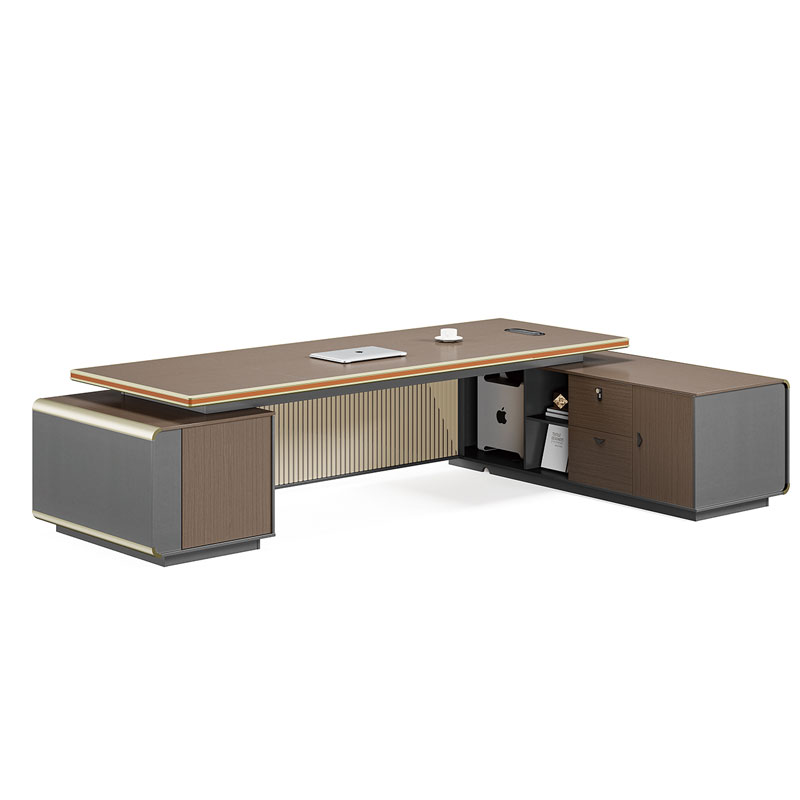
The height of your office desk plays a major role in maintaining proper posture and preventing strain on your neck, shoulders, and wrists. A desk that’s too high can cause your shoulders to lift and tense up, while one that’s too low can make you hunch over your keyboard. Over time, this can lead to fatigue, back pain, and even repetitive strain injuries.
Moreover, the right desk height enhances efficiency. When your desk matches your body proportions, you can type comfortably, write with ease, and maintain focus longer. Whether you’re working from home or in a corporate office, choosing the right height ensures that your workspace supports your health and performance.
Most traditional office desks are designed with a standard height of around 28 to 30 inches (71 to 76 cm) from the floor to the top of the surface. This measurement works well for people who are between 5’8” and 5’10” (173–178 cm) tall. However, not everyone fits this average range, which is why adjustable desks are becoming increasingly popular.
Here’s a general guideline for desk height based on your height:
5’0”–5’3” (152–160 cm): Desk height around 26 inches (66 cm)
5’4”–5’7” (162–170 cm): Desk height around 27 inches (68.5 cm)
5’8”–5’10” (173–178 cm): Desk height around 28–29 inches (71–74 cm)
5’11”–6’3” (180–190 cm): Desk height around 30–31 inches (76–79 cm)
While these are general recommendations, the ideal height depends on your chair, monitor position, and how you use your desk. For example, if you use a keyboard tray or laptop stand, adjustments may be necessary.
To determine how high should a office desk be for your body, follow these steps:
Sit correctly in your chair: Your feet should rest flat on the floor, knees bent at a 90-degree angle, and thighs parallel to the ground.
Relax your shoulders: Keep your shoulders down and your arms naturally at your sides.
Bend your elbows: Your elbows should form a 90–100 degree angle when your hands are on the desk surface.
Check wrist alignment: Your wrists should remain straight and level with your forearms when typing or writing.
If your desk doesn’t align with these ergonomic principles, consider adjusting your chair height or investing in an adjustable office desk.
Ergonomics focuses on designing workspaces that fit people, not the other way around. When setting up your office desk, consider these ergonomic tips:
Monitor height: The top of your screen should be at or slightly below eye level to prevent neck strain.
Keyboard and mouse placement: Keep them close enough so your elbows remain near your body.
Chair adjustment: Your chair should support your lower back and allow your feet to rest flat on the ground.
Desk space organization: Frequently used items should be within easy reach to minimize unnecessary stretching.
By applying these ergonomic principles, you can create a workspace that promotes comfort and reduces fatigue, even during long working hours.
Adjustable office desks have become increasingly popular, especially with the rise of remote work. These desks allow you to customize height settings to fit your exact needs. There are two main types:
Manual adjustable desks use a crank or lever to raise or lower the surface. They’re affordable, durable, and ideal for users who don’t need to change positions frequently. However, adjusting them can take some effort.
Electric adjustable desks, also known as sit-stand desks, are powered by motors that allow you to switch between sitting and standing positions with a button press. These desks are perfect for maintaining movement throughout the day, reducing the risks associated with prolonged sitting.
Most electric adjustable desks have a height range between 24 and 50 inches (61 to 127 cm), making them suitable for people of various heights and preferences.
For standing desks, the height should allow your elbows to rest at a 90-degree angle while you type or write. Generally, the ideal standing desk height is between 38 to 46 inches (97 to 117 cm), depending on your height. Here's a quick reference:
5’0” (152 cm): 38 inches (97 cm)
5’6” (168 cm): 41 inches (104 cm)
6’0” (183 cm): 44 inches (112 cm)
6’4” (193 cm): 47 inches (119 cm)
Standing workstations help improve circulation, reduce fatigue, and encourage better posture. However, it’s important to alternate between sitting and standing to avoid strain.
The ideal height of your office desk can also depend on the tasks you perform most often. For example:
Typing and computer work: Desk height should allow elbows to rest comfortably at 90 degrees.
Writing or drawing: A slightly higher desk helps maintain better control and visibility.
Reading or reviewing documents: A lower desk height or angled surface can reduce neck strain.
If you multitask frequently, an adjustable desk offers the flexibility to adapt to different activities without compromising comfort.
Even the perfect desk height won’t help if your chair doesn’t support proper posture. When selecting an office chair, look for these features:
Adjustable seat height and backrest
Lumbar support for lower back
Comfortable padding and breathable material
Swivel and mobility features for easy movement
Your chair and desk should work together to create an ergonomic workstation that promotes comfort and efficiency throughout the day.
Many people unknowingly set up their desks in ways that lead to discomfort. Avoid these common mistakes:
Desk too high: Causes shoulder tension and wrist strain.
Desk too low: Leads to hunching and back pain.
Ignoring monitor height: Can result in neck and eye strain.
Incorrect chair adjustment: Offsets proper desk alignment.
Taking time to fine-tune your setup can make a significant difference in your comfort and productivity levels.
Beyond desk height, maintaining a healthy workspace involves movement, lighting, and organization. Here are a few tips:
Take short breaks every hour to stretch or walk.
Ensure your workspace has proper lighting to reduce eye strain.
Keep your desk organized to minimize distractions.
Use ergonomic accessories like wrist rests or monitor arms.
These small adjustments contribute to a healthier, more enjoyable work environment.
Customizing your office desk setup allows you to create a workspace that fits your unique needs. Consider adding:
Keyboard tray: Helps adjust typing height without changing the whole desk.
Monitor stand: Raises your screen to eye level for better posture.
Footrest: Keeps your legs comfortable if your chair is higher than average.
Desk mat or pad: Adds comfort for wrists and protects your desk surface.
These simple additions can turn a standard desk into a personalized ergonomic workstation.
Understanding how high should a office desk be is essential for creating a workspace that supports your health, comfort, and productivity. The right office desk height depends on your body proportions, chair setup, and daily tasks. Whether you choose a fixed or adjustable desk, the goal is to maintain a natural posture that minimizes strain and maximizes efficiency.
Investing in an ergonomically designed office desk not only improves comfort but also enhances focus and overall well-being. With the right height, accessories, and posture habits, you can transform your workspace into a place where you feel energized and productive every day.
Ergonomic design: Promotes proper posture and reduces fatigue.
Adjustable height options: Suitable for both sitting and standing work.
Durable materials: Ensures long-lasting performance and stability.
Spacious surface: Provides ample room for monitors, documents, and accessories.
Modern aesthetics: Complements any home or office interior.
Choosing a high-quality office desk designed with ergonomics and functionality in mind can make all the difference in your daily work experience. Whether you’re upgrading your home office or furnishing a corporate workspace, the right desk height and design will help you work smarter and more comfortably.


