
Views: 0 Author: Site Editor Publish Time: 2026-02-05 Origin: Site


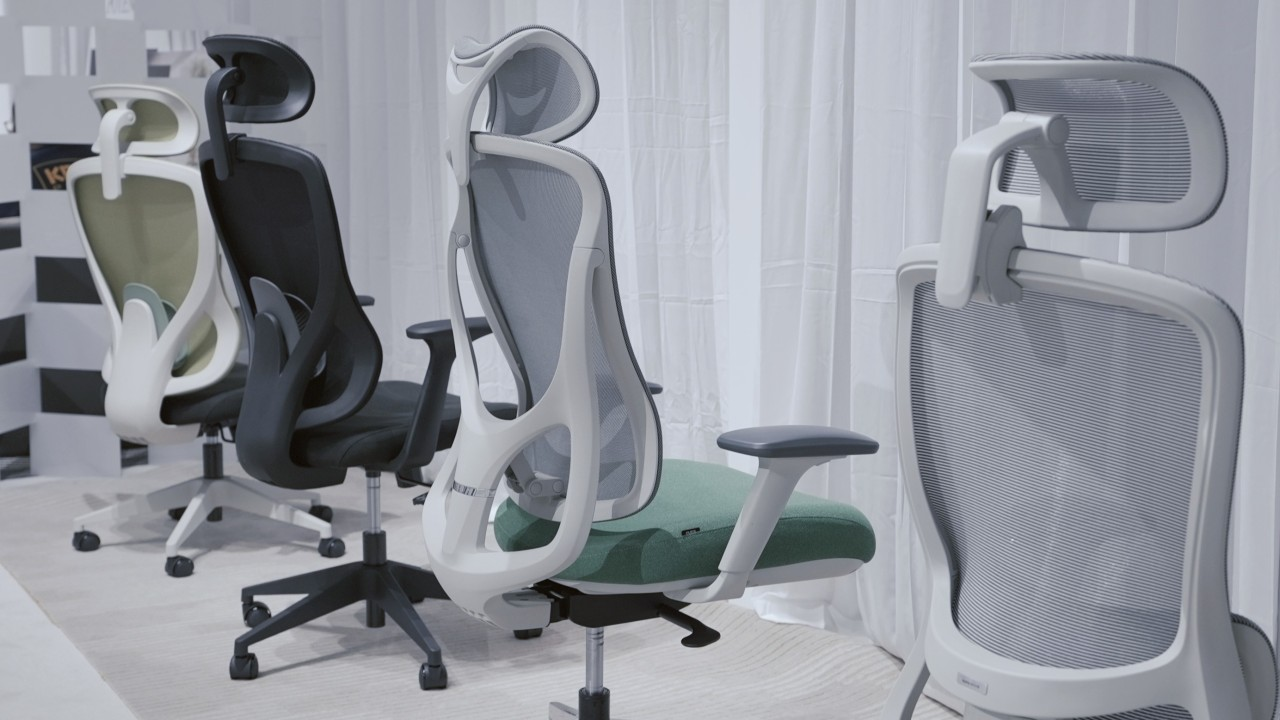
Innovation never stops when it comes to chair designs. And in the office space where so many factors come into play when determining how best to design and create chairs, it’s evident that more work needs to be done on the innovation front to make sure that people get the most out of their money.
If you’re looking to get office chairs in your space, then you want to be aware of several critical trends shaping how they work. Let’s examine a few of those in this article:
Kicking things off, we have to cover one of the most pressing trends at the moment - intelligence.
It feels almost like everyone’s building something to be “intelligent” these days. And yes, furniture designers haven’t been left out.
When you think about intelligent office chairs, you’re looking at chairs that easily integrate smart features to make their operations more reliable. From sensors to AI-driven posture correction and even automatic adjustments, intelligent office chairs incorporate a lot of automation to make work easier for their owners.
Starting off the features available for intelligent office chairs, we have pressure-mapping sensors. These are basically thin force or pressure sensors that are placed in the chair’s backrest or seat.
Pressure sensors detect pressure patterns based on your sitting positions, and they trigger feedback to help you correct your posture.
Intelligent office chairs can also make use of motors and sensors to make adjustments to your lumbar support, allowing you to properly match your height or spine.
In fact, some models even watch your body metrics - such as your posture or weight - and adapt to your posture without any need to tweak manually.
You can even find intelligent office chairs that come with a mobile app that relays all important data and sends you reminders. For instance, some apps remind you to take a walk or stretch after you’ve sat for too long.
Some intelligent chairs can stream total usage and posture data to one dashboard. With this data, HR officers or facility managers will be able to optimize workspace design, track broad patterns, and potentially tie these data into healthcare programs.
The incorporation of these smart features offers several benefits overall, including the following:
Improved Health & Wellness: Poor posture and prolonged sitting are big risk factors for back pain, musculoskeletal disorders, and even reduced productivity. Smart chairs make ergonomics proactive rather than reactive.
Customization at Scale: Instead of “one-size-fits-all” ergonomic adjustments, smart chairs adapt to individual biometrics — ideal in a multi-user office.
Data-Driven Decisions: Facilities and HR can use data to drive wellness initiatives, justify ergonomic interventions, or reconfigure workspace layouts.
Behavior Change: Reminders and real-time posture feedback help reinforce healthier habits over time.
Sustainability has been a major design staple for years now. Manufacturers everywhere are looking for ways to make their products in a way that optimizes the safety of the environment as much as possible, and office chairs are no different.
These days, chair manufacturers are switching to specific materials that won’t impact the environment so much. Aluminum, steel, recycled textiles, and more are favored because they’re renewable and won’t have much of a carbon footprint.
A few notable options in this regard include the following:
Biodegradable fabrics like certified wool, hemp, and organic cotton
Steel and recycled aluminum for making the bases and frames of chairs
Alternative foams and low-VOC options, as well as natural latex and soy-blended foams
On this front, chair manufacturers focus more on replaceable subcomponents like gas lifts, cushions, and backrests. This way, instead of having to replace the entire chair, it’s easy to simply swap out a component that’s faulty.
This mindset reduces waste and makes products last longer. And for companies that need more life from their intelligent office chairs and more, this works wonders.
Besides just the materials, chair manufacturers are switching up their production processes. Production lines are more energy-efficient, CNC operation is helping to cut down on scrap, and water-based adhesives are being incorporated to replace the solvent ones.
These process changes are essential to reduce the carbon footprints of manufacturing processes and to meet general sustainability standards.
If you run a chair production facility and would like to understand the effects of retrofitting your plans to be more eco-friendly, here are a few things to consider:
Always highlight the need for parts and repairability when purchasing components.
Prioritize verified materials whenever possible. This optimizes quality and reduces waste.
Select vendors with clear end-of-life programs. Some might take the products back, refurbish them, or even recycle them to reduce the cost of disposal.
What’s better than having normal office chairs? Having office chairs that are tuned to your needs and the specifics of your body. Customized chairs do this perfectly, taking information about you based on your use and using this data to improve your experience.
For customized chairs to be so effective, they incorporate features such as the following:
One of the biggest shifts in workspace ergonomics is the transition from manual adjustment to biometric-focused personalization.
Intelligent office chairs now come with sensors that can detect your vitals - your weight, height, spinal curvature, and more - and configure these vitals automatically.
With seat height, the customized chairs can support the right hip and knee angles.
Lumbar support also calculates its depth to match the contour of your back.
Armrest spacing and height can adapt to the width of your shoulder.
All of these automations remove guesswork and ensure precision, especially if you might not know how to tune a chair on your own.
Modern office chairs also come with more detailed user control. Everyone wants individual comfort, and with most people working for long hours, you’ll need something comfortable that works for you.
A few ergonomic features available in customized office chairs include:
Different angles and widths for armrests, offering better shoulder relaxation
Lumbar depth to aid natural spines and reduce slouching
Recline models, which help users to choose how the chair feels when they lean back
Besides just the functionality, workplaces also focus a lot on the aesthetics. Customization on this front includes some of the following:
Different colors for mesh, frames, and chair fabrics
Options for fabric types - some prefer mesh, while others want woven textile, natural materials, etc.
Variations in texture in terms of airflow, durability, etc.
Optional chair accents
Personalization offers a lot of support for professionals. If your office adopts a one-size-fits-all approach, there’s a high risk of leaving a lot of people feeling left out.
These days, people have different body types - no two people are the same height or weight, and we all don’t move the same. We also have different preferences with comfort, so customized office chairs take all of these into account to deliver something bespoke for everyone.
With customization, you get:
Proper support for people, regardless of their body frames
A better fit, especially for people with sensitivities or mobility issues
Higher comfort and reduced fatigue, allowing people to work for longer
A more inclusive workplace where everyone can work and feel comfortable.
With everything we’ve pointed out, let’s see how you can incorporate the most important trends to know what to look out for when purchasing office chairs in 2025.
Chair design in 2025 is rapidly moving towards sleek, simple silhouettes. You want something with fewer visible parts and more hidden mechanisms. This way, you focus on:
Lesser bilk, especially around the backrest and base
Integrated controls as opposed to massive levers
Slim mesh backs and better edge detailing
Moving in a minimalist direction supports more hybrid workspaces, where you need lighter visuals and can contribute to an open feel.
The fact that more people spend more time in their offices means that corporate environments also need to move towards more “residential”-looking aesthetics. And, you want your chairs to do the same.
Components such as:
Plush foams and round contours
Soft fabric textures
Warmer color palettes and curved edges
Will all do a great job of representing today’s hybrid work culture and make employees feel more comfortable.
More and more, we’re seeing office chairs incorporating biophilic and natural inspirations. These include the following:
Wood accents on bases, arms, and backrests
Organic fabrics like linen blends, wool, etc.
Earth tones and warm neutrals for colors
The goal here is to create a warmer and more calming visual that aligns with natural body wellness.
When considering chairs for leadership and executives, you want to avoid the flashy “big boss chairs” we’ve always been used to. Instead, focus more on quiet luxury - chairs that are subtle, with premium details that don’t need to be overly loud.
A few things to keep in mind here include:
High-end eco-friendly leather options
Refined stitches, clean panels, and sculpted foam options
Metal accents combined with muted tones
If you have an office with a rotating desk setup and a shared space, you’ll need office chairs that come with universal comfort profiles. A few trends in this regard include:
Self-adjusting recline systems
Adaptive mesh materials that conform to different body shapes
Quick-adjust sliders that accommodate peoples’ heights, arm widths, and backs
More chair manufacturers and designers are also adding quality and personality to their materials through contrast.
By pairing mesh and knit upholstery, or using soft-touch polymers combined with brushed aluminum, designers can achieve more expressive and elevated office chairs that easily work in corporate environments, too.
This year has shown a continued move away from flat blacks and corporate greys. Instead, we’re seeing the following colors make a major statement:
Warm taupe, muted greens, and deep blue
Double-tone combinations
Matte finishes combined with glossy components
Colors like these align with sustainability and can inspire a more hospitable feeling in the workplace.
Looking to get office chairs in 2025? Here are a few things you want to consider on our journey:
Today, companies are prioritizing chairs that can stand the test of time and be used for as long as possible. Indicators such as:
High-density foam or molded seating
Durable frame materials
Quality upholstery
Can easily show that a chair is solid enough to withstand heavy use.
Sustainability is another major decision factor for businesses in 2025. And as you can imagine, chairs with strong environmental profiles will be the preferred options across the board.
Everyone wants intelligent office chairs. With everything else in the office becoming smarter these days, features such as integrated sensors, sit-time alerts, weight distribution analysis, and much more can help improve overall wellbeing and optimize employee health.
Adjustability remains a critical factor for anyone buying office chairs. You want to be able to set factors like seat depth and height, backrest height, armrest angle, etc.
Of course, everyone wants office furniture that looks good. So, consider the type of aesthetic you’re looking to exude with your office furniture, and choose chairs that fit this look.
2025 is a new season for office settings, primarily when it comes to switching trends. And as more offices shift their requirements, understanding how these shifts can benefit your workplace should help you have a better time with purchasing.
To learn more or optimize your furniture choices, feel free to contact us at Foshan Liyu Furniture Co. Ltd.


