
Views: 0 Author: Site Editor Publish Time: 2026-09-30 Origin: Site


Modern commercial office design requires a strict balance between aesthetic appeal, employee ergonomics, and rigorous daily durability. Single-material furniture often fails to meet this standard. Facility managers and procurement teams face a constant trade-off. Solid timber desks offer warmth and executive authority but require high upkeep and carry a premium price tag. All-metal desks provide unmatched durability but create a cold, industrial, and acoustically harsh environment. The hybrid approach bridges this gap. Combining a steel or aluminum chassis with a timber or commercial-grade wood laminate surface solves multiple workspace challenges. This guide evaluates the structural, financial, and operational viability of deploying hybrid desks across commercial floor plans. We will look at material quality, structural stability, and long-term performance when selecting workspace furniture to ensure your facility operates efficiently.
Optimal Durability-to-Weight Ratio: Steel or aluminum frames provide high load-bearing capacity for heavy IT equipment without the excessive weight of solid hardwood frames.
Lower Lifecycle Expenses: Hybrid desks reduce long-term maintenance costs by isolating wear-and-tear to easily replaceable wood or laminate tops while retaining a permanent metal chassis.
Acoustic, Tactile, and Aesthetic Balance: Wood surfaces dampen the acoustic reverberation common in all-metal furniture and provide ergonomic warmth, maintaining a modern, approachable aesthetic suitable for both open-plan floors and private offices.
Streamlined Upkeep and Sanitation: The combination of sealed wood tops and powder-coated metal legs allows for rapid, non-damaging daily cleaning in high-traffic commercial environments.
Scalable Procurement: Standardized metal frames allow for modular scalability, making it easier to reconfigure commercial spaces as headcount grows.
Evaluating furniture for professional environments requires strict performance metrics. A reliable commercial office desk must endure constant daily use. High-traffic resilience is the primary metric. Materials must withstand 40 or more hours of weekly use. This includes resisting impacts from dropped items, heavy binders, and metal thermoses. Surfaces must repel coffee spills and water rings without blistering. Edges must resist abrasion from rolling office chairs and heavy belt buckles. Furniture failing these basic tests requires premature replacement. We look for impact resistance ratings and edge banding thickness. A 2mm PVC edge band is the minimum standard for preventing edge chipping in high-traffic zones.
Ergonomic and technological integration forms the second success criterion. Modern employees use heavy multi-monitor mounts. Desks must support these heavy clamps without bowing. A standard dual-monitor setup with a heavy-duty arm can weigh over 30 pounds. The desk surface must not compress or crack under this localized pressure. Workstations require high-capacity cable trays to hide power strips and data lines. Sit-stand mechanisms are now standard in many offices. The desk frame must integrate dual-motor lifting columns without structural wobble at maximum height. Stability directly impacts employee productivity and comfort. If a desk shakes while typing, the user experiences eye strain from monitor wobble.
Brand alignment and employee experience matter deeply. The physical workspace impacts talent retention. It also shapes client perception during office visits. Furniture must look professional and convey corporate stability. Outdated, bulky furniture makes a company feel archaic. Conversely, overly sterile environments feel unwelcoming. The right material choices balance professional authority with daily user comfort. We see companies losing talent to competitors who offer better physical work environments. Upgrading the physical desk is a direct investment in workforce satisfaction and operational efficiency.
Floor loading and weight distribution also play a role in defining success. Heavy solid wood desks can damage raised access floors in modern tech offices. A hybrid design distributes weight more effectively through engineered metal feet. We specify wide leveling glides to prevent point-loading on carpet tiles. This protects the flooring infrastructure while maintaining a stable work surface for the employee.
Understanding material limitations helps procurement teams avoid costly mistakes. Pure wood presents several operational challenges. Solid timber is highly susceptible to ambient humidity. It can warp or crack in poorly climate-controlled spaces. Wood surfaces scratch easily under heavy equipment. Furthermore, high weight complicates office reconfigurations. Moving solid wood furniture requires specialized labor. It also increases initial shipping costs significantly. Deploying pure wood across a large fleet is often cost-prohibitive. You also have to consider the maintenance schedule. Solid wood requires periodic oiling or refinishing to maintain its protective seal.
Pure metal desks have their own distinct drawbacks. Metal has poor acoustic properties. It amplifies typing sounds and ambient office noise. This creates a distracting environment in open-plan floors. Metal surfaces feel sterile and cold to the touch. This makes prolonged desk work physically uncomfortable. While strong, metal is prone to visible denting. Scratched powder coatings expose raw steel to rust over time. In coastal areas or high-humidity environments, this rust spreads rapidly under the paint layer, compromising the structural integrity of the workstation.
The glass desk fallacy plagues many modern office designs. Glass looks sleek in architectural renderings. In reality, glass surfaces suffer from severe glare under overhead lighting. They require constant wiping to remove fingerprint smudging. Glass feels cold against resting forearms. More importantly, glass cannot conceal under-desk cable management. Clamping heavy monitor arms to glass edges carries a severe risk of shattering. This makes glass entirely impractical for heavy IT setups. We have seen entire glass tops shatter simply from the thermal shock of a hot coffee mug placed on a cold surface.
The metal wood office desk provides a distinct operational advantage. It combines the tensile strength of a metal base with tactile warmth. Wood surfaces offer excellent acoustic dampening. Metal frames ensure easy upkeep and structural rigidity. This hybrid approach allows for modularity. You can swap a damaged wood top without replacing the entire metal frame. This extends the usable life of the furniture significantly and reduces landfill waste.
Material Type | Structural Durability | Acoustic Performance | Cable Management | Maintenance Level |
|---|---|---|---|---|
Pure Solid Wood | High (but prone to warping) | Excellent | Moderate | High |
Pure Metal | Very High (prone to denting) | Poor (amplifies noise) | Excellent | Low |
Tempered Glass | Low (shatter risk) | Poor | Poor (visible cables) | High (smudges) |
Metal & Wood Hybrid | Very High | Excellent | Excellent | Low |
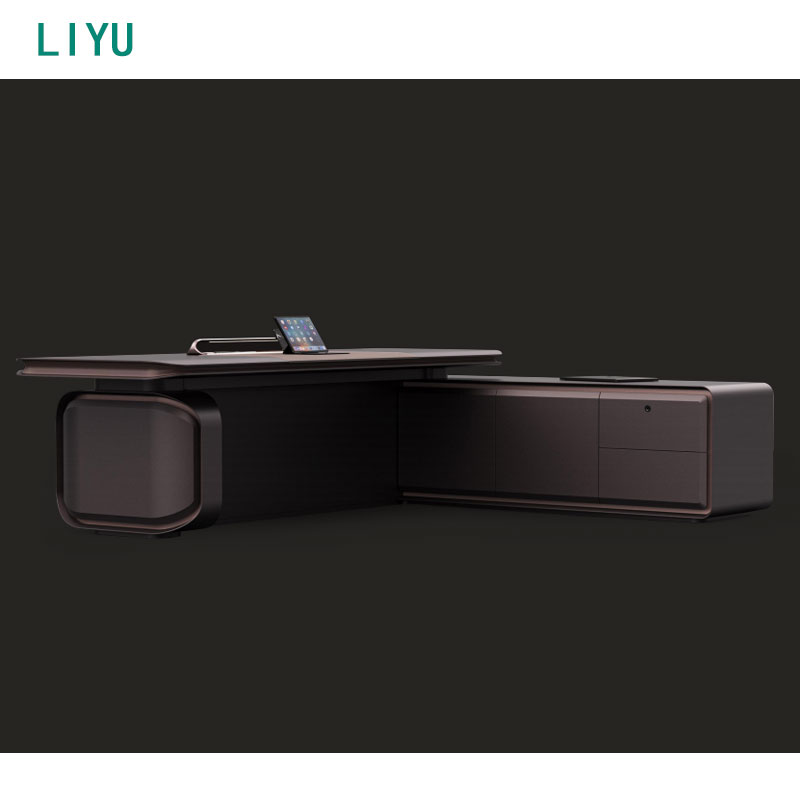
Structural stability dictates the lifespan of any workstation. You must analyze the metal gauge thickness. Commercial environments require 14-gauge or 18-gauge steel. Thinner metals bow under heavy IT loads. Cross-bar supports prevent lateral sway. Gussets reinforce the joints where legs meet the desktop. This rigidity is vital in standing desk variations. A wobbly standing desk disrupts typing and causes monitor shake. We always check the weight rating of the lifting columns. A minimum capacity of 250 pounds ensures the motors will not burn out when lifting multiple monitors and heavy desktop computers.
Surface durability depends entirely on core material selection. You must choose between solid hardwood, wood veneer, or High-Pressure Laminate (HPL). Solid wood offers premium aesthetics but requires careful maintenance. Wood veneer provides a real wood look over a stable core. HPL offers the highest scratch resistance for heavy daily use. Avoid cheap composites at all costs. Low-density particleboard (LDF) cores sag over time. Always invest in high-density commercial cores to prevent structural failure. A high-density fiberboard (HDF) core provides the necessary screw-holding power to keep the metal frame securely attached over years of use.
Commercial-grade sealants protect the work surface. Polyurethane or UV-cured finishes prevent moisture ingress. They stop UV fading from office windows. Quality sealants resist damage from daily sanitation protocols. Harsh cleaning chemicals will strip inferior finishes quickly. A properly sealed metal and wood office desk withstands years of aggressive wiping. We recommend asking suppliers for their chemical resistance testing data before finalizing a large order.
Acoustic performance matters in open offices. Wood mass absorbs high-frequency sounds effectively. It outperforms hollow metal or glass surfaces in noise reduction. Wood also mitigates vibration transfer. Heavy typing or nearby machinery will not rattle the desk surface. Ergonomic comfort improves through tactile experience. Resting forearms on a thermally neutral wood edge prevents fatigue. It feels vastly superior to heat-sapping metal or glass during long work sessions. We notice a significant drop in employee complaints regarding wrist discomfort when switching from glass to wood surfaces.
When evaluating hybrid desks, facility managers should perform a specific hardware inspection before approving a fleet rollout:
Check the threaded inserts embedded in the wood top for pull-out strength.
Verify the thickness of the steel mounting brackets connecting the legs to the surface.
Inspect the leveling glides on the metal feet for heavy-duty nylon construction.
Test the cable tray hinges to ensure they can support the weight of heavy power bricks.
Executive office design is shifting rapidly. Companies are moving away from bulky, traditional mahogany pedestals. These older designs feel heavy and disconnected from modern workflows. Sleek, architectural metal-and-wood designs signal forward-thinking leadership. A modern executive desk retains a sense of warmth and stability without looking archaic. It blends authoritative presence with contemporary agility. Leaders need workspaces that facilitate quick meetings and digital presentations. The heavy wooden desks of the past restrict movement and block collaboration.
Concealed cable management defines premium executive furniture. Hybrid designs utilize hollow metal legs to route power cables. Data lines run invisibly from the floor to the wood work surface. This maintains a clean, uncluttered aesthetic. Traditional wood desks often rely on unsightly plastic grommets and dangling wires. Metal chassis integration solves this problem elegantly. We often specify desks with integrated power modules built directly into the steel frame. This allows executives to plug in laptops and phones without crawling under the desk.
Customization options abound for leadership suites. You can pair premium exotic wood veneers with high-end metal finishes. Walnut or white oak tops look stunning. Brushed brass or matte black powder-coated legs add distinct character. This differentiates executive spaces while maintaining overall corporate design language. The hybrid model allows executives to personalize their space without breaking facility standardization. You can keep the same underlying steel frame geometry while upgrading the surface materials for the C-suite.
Privacy and modesty panels integrate seamlessly into hybrid designs. Instead of a solid block of wood facing the door, modern executive desks use perforated metal or frosted acrylic panels suspended from the steel frame. This provides necessary privacy while allowing light to flow through the office. Integrated LED lighting can also be mounted directly to the metal chassis, providing task lighting without cluttering the wood surface with bulky lamps.
Evaluating upfront costs against lifecycle longevity is essential. Hybrid desks carry a moderate initial procurement cost. However, their expected commercial lifespan spans 10 to 15 years. Pure laminate desks often fail within three years. The permanent steel frame outlasts multiple office renovations. This durability yields a highly favorable return on investment over a decade of heavy use. When you factor in the reduced need for replacement furniture, the financial argument for hybrid construction becomes undeniable.
Maintenance and repairability drive long-term financial benefits. Standardizing metal frames across a facility simplifies upkeep. If a wood top suffers severe damage, you only replace the surface. You do not discard the entire desk. This modularity drastically lowers replacement costs compared to single-material desks. Facility teams can swap tops in minutes without disrupting adjacent workstations. We keep a small inventory of spare wood tops on-site. This allows us to fix damaged desks overnight, ensuring zero downtime for the employee.
Sustainability and ESG compliance influence modern procurement. Sourcing FSC-certified wood tops meets corporate sustainability goals. Highly recyclable steel and aluminum frames reduce landfill impact. These material choices help facilities achieve LEED certification requirements. Sustainable furniture procurement demonstrates corporate responsibility while delivering superior physical performance. We prioritize vendors who use zero-VOC powder coatings on their metal frames to maintain healthy indoor air quality.
Asset tracking becomes much easier with hybrid furniture. The permanent metal frames can be tagged with RFID or barcode stickers that will not peel off or get damaged during surface replacements. This allows facility managers to track the depreciation of the metal chassis separately from the consumable wood tops, optimizing accounting practices for large-scale furniture deployments.
Poor weld quality and frame assembly pose significant risks. Weak joints fail under heavy loads. Require supplier specifications on weld types before ordering. TIG welding generally provides cleaner, stronger joints than basic MIG welding. Request physical samples to check for seamless joints. Inspect the rust-resistant powder coating for thin spots or flaking. A poorly welded frame will eventually snap if employees lean heavily on the front edge of the desk.
Inadequate surface protection leads to rapid deterioration. Verify the Taber abrasion test results for wood laminates. For solid wood tops, confirm the specific curing process used. The finish must meet strict commercial standards. A residential-grade varnish will peel away under commercial cleaning chemicals within months. We always test a sample piece with our standard janitorial supplies. If the finish clouds or softens, we reject the material entirely.
Facility installation and weight constraints require careful planning. Audit your freight elevator capacities before delivery. Measure door clearances and check floor load limits. Bulk hybrid desks are exceptionally heavy. Solid wood tops combined with steel bases weigh far more than cheap hollow-core alternatives. Plan logistics thoroughly to avoid installation delays or structural damage to the building. We coordinate directly with union installers to ensure they have the proper lifting equipment for heavy steel frames.
Staging and unboxing present another logistical hurdle. Hybrid desks often ship in multiple heavy cartons to protect the wood surfaces from the metal components. You must designate a large staging area for assembly and trash removal. The volume of cardboard and foam packaging generated by a fleet rollout requires dedicated dumpsters and coordinated waste management to prevent blocking fire exits or loading docks.
Take the following steps to execute your workspace furniture upgrade:
Audit your current floor plan to determine exact dimensional limits and power routing locations for each workstation.
Request physical material swatches from vendors to test the wood finish against your standard janitorial cleaning chemicals.
Order a single prototype desk to evaluate structural stability, motor noise, and cable management capacity under full IT loads.
Measure all freight elevators, loading docks, and door clearances to confirm the building can handle the delivery of heavy steel frames.
A: These desks combine high load-bearing metal frames with durable wood surfaces. The steel chassis prevents sagging under heavy IT equipment. The wood surface withstands 40-hour workweeks while dampening ambient office noise. This hybrid construction handles heavy daily traffic far better than pure particleboard or glass alternatives.
A: Glass surfaces suffer from severe glare and constant fingerprint smudging. Glass also risks shattering when clamping heavy multi-monitor mounts. Wood and metal desks offer superior cable concealment through hollow legs. They provide tactile warmth and massive structural integrity that glass simply cannot match in a professional setting.
A: Routine maintenance is straightforward. Use non-abrasive, pH-neutral cleaners for the sealed wood surface. Avoid harsh chemical solvents on the powder-coated steel legs. Facility teams should check and tighten metal fasteners annually to ensure structural rigidity. This simple regimen keeps the desk looking pristine for years.
A: Yes. Commercial-grade steel frames prevent any bowing or flexing. They easily support heavy multi-monitor setups, docking stations, and desktop towers. Unlike cheap composite desks that sag over time, a thick metal chassis distributes weight evenly across the floor.
A: Solid wood offers a premium, authentic feel and can be sanded or refinished if damaged. However, it costs more and reacts to humidity. High-pressure laminate (HPL) over a solid core is highly scratch-resistant, cost-effective, and visually consistent, making it ideal for large fleet deployments.
A: Absolutely. Dual-motor metal lifting columns are frequently paired with wood tops. The heavy metal base provides the necessary stability to prevent wobbling at standing heights. The wood top keeps the workstation looking professional rather than purely industrial.
A: Hybrid desks are significantly heavier than pure laminate or hollow-core desks. The combination of dense wood and steel requires professional installation. Facility managers must audit freight elevator capacities and door clearances before scheduling bulk deliveries to ensure smooth logistics.


