
Views: 0 Author: Site Editor Publish Time: 2026-03-25 Origin: Site


Stepping into a classic workspace often feels magical. You immediately sense the warmth of historic materials and expert craftsmanship. Yet, modern technology quickly shatters this nostalgic illusion. Balancing classic charm alongside ergonomic function remains a complex design struggle today. Finding harmony requires careful planning and intentional furniture curation.
The primary office desk dictates the visual weight of your entire room. It establishes the historical era instantly. Choose poorly, and your beautiful room becomes an uncomfortable place to work. Ignoring ergonomics or tech integration leads to daily frustration and physical strain.
We aim to solve this precise problem for you. You will discover a structured evaluation framework below. We cover how to select, inspect, and integrate these classic pieces seamlessly. By the end, you can build an inspiring setup. You will preserve historic aesthetics without ever compromising modern productivity.
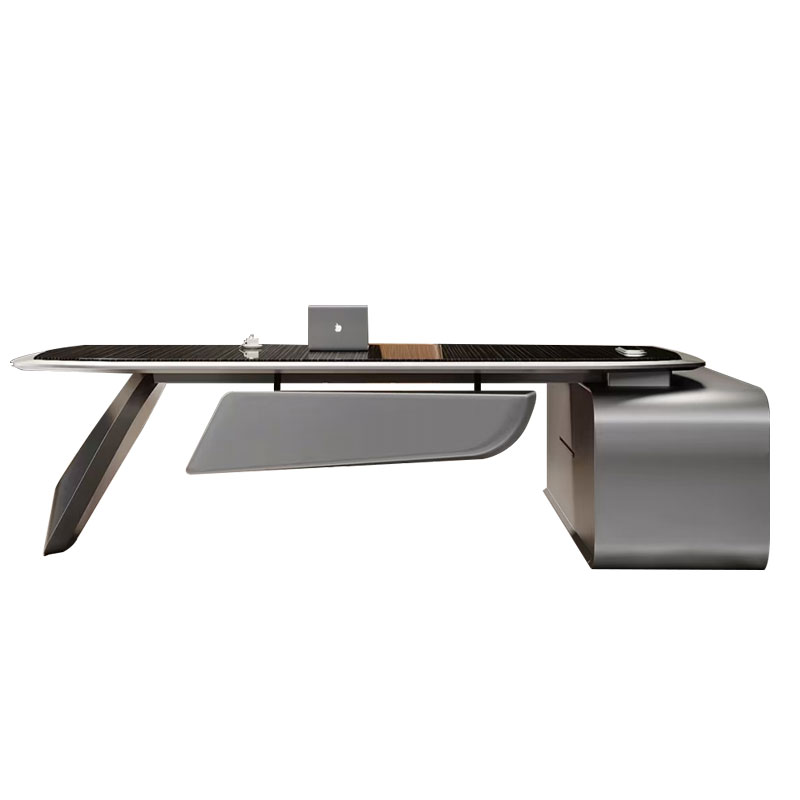
Era matching is functional, not just visual: A 1960s Mid-Century Modern desk offers different legroom and storage compared to a Victorian-era secretary desk.
Authenticity carries trade-offs: True antique desks often require aftermarket modifications for cable management and monitor mounting.
Material dictates maintenance (TCO): Solid oak, mahogany, and steel tanker desks offer longevity but present distinct weight and refinishing costs.
Curated decor bridges the gap: Nostalgic aesthetics can be fully realized through low-barrier accessories (leather desk pads, brass accents) alongside the central desk.
Choosing an office desk vintage piece goes beyond mere visual appeal. It directly impacts how you work every single day. Different historical eras prioritized vastly different daily tasks. You must align these older design conventions to your modern workflow needs.
This iconic style relies heavily on teak and walnut veneers. You will immediately notice tapered legs and clean minimalist profiles. These open designs suit laptop users perfectly. They offer an uncluttered, low-profile surface ideal for focused digital work. The lack of bulky drawers ensures maximum legroom. You can easily slide modern ergonomic chairs underneath them.
Manufacturers originally forged these massive items entirely from steel. They boast exceptional durability and a rugged appearance. However, they demand significant floor support due to their extreme weight. You also need to consider preventative rust-proofing. These desks fit high-traffic areas beautifully. They also serve environments celebrating "creative chaos" perfectly.
Expect heavy carved detailing and ornate brass hardware here. Craftsmen favored highly robust woods like Tiger Oak and Mahogany. These imposing structures provide massive storage capacity. Unfortunately, they often feature highly restrictive kneehole dimensions. Wide ergonomic chairs rarely fit underneath these narrow openings comfortably.
Many modern buyers blend reclaimed wood surfaces creatively today. A live edge walnut slab pairs beautifully alongside heavy cast iron legs. This specific combination creates an industrial steampunk or modern farmhouse aesthetic. It perfectly merges old-world material charm alongside fully customized modern ergonomics.
Era vs. Workflow Compatibility Table
Historical Era Primary Material Ideal Modern User Key Limitation Mid-Century Modern Teak / Walnut Veneer Minimalist Laptop Users Lacks deep storage Industrial Tanker Forged Steel High-Traffic / Creative Extremely heavy footprint Victorian Traditional Solid Oak / Mahogany Paper-heavy workflows Narrow kneehole spacing Vintage Eclectic Reclaimed Wood / Iron Custom Ergonomic Seekers Requires DIY assembly
Understanding fundamental desk shapes helps you avoid costly layout mistakes. We evaluate three distinct morphological categories based on real-world placement criteria. These shapes dictate spatial flow heavily.
The Partners Desk: Craftsmen built these massive structures for two-sided use. Two people could face each other while working. They carry immense visual authority and feature a truly massive footprint. Evaluation criterion: You must place them dead in the center of a room. They perform poorly in against-the-wall layouts. They consume too much floor space otherwise.
The Roll-Top Desk: This famous design provides ultimate nostalgic charm. It features a sliding wooden tambour door. This offers excellent physical security for sensitive analog documents. Evaluation criterion: A roll-top severely limits monitor height. The upper cubbies block multi-screen setups completely. It serves analog tasks or laptop-only users best.
The Bureau Plat & Drop-Front: These represent elegant, space-saving solutions. Many feature ornate Louis XV or delicate French Vintage styling. Evaluation criterion: They often lack deep drawer storage completely. Furthermore, structural hinges on drop-front models may weaken over time. They cannot easily support heavy, continuous typing pressure without sagging.
A vintage furniture purchase involves much more than the initial sticker price. You must evaluate the total cost of ownership over several decades. Material choices drive these long-term hidden costs.
Solid wood demands a high initial financial investment. You must maintain strict indoor climate control to prevent seasonal warping. However, an original untouched patina drives high resale value later. Avoid aggressively stripping historical finishes if possible. Gentle cleaning preserves structural integrity far better.
Art Deco and MCM pieces frequently use delicate decorative veneers. Risk factor: You should inspect these surfaces carefully for chipping. Look specifically for moisture delamination along the edges. Professional restoration for damaged veneer gets expensive quickly. Inexperienced sanding will destroy the thin wood layer completely.
Original brass handles add authentic historical character. Meanwhile, Formica laminate tops appeared frequently in late 60s designs. Formica provides excellent durability and superior spill resistance. This specific material lowers your daily maintenance effort substantially. It resists coffee rings and ink stains naturally.
Buying a true antique always introduces hidden restoration costs. You must budget money for gentle sanding and conditioning oils. Drawer realignment takes significant time. Stabilizing wobbly wooden joints requires specialized woodworking skills. Factor these costs into your initial purchase decision.
Best Practice: Always use coasters on original wood finishes to prevent ring damage.
Best Practice: Apply specialized museum-grade microcrystalline wax rather than silicone-based commercial sprays.
Common Mistake: Using harsh modern chemical cleaners will strip valuable antique patina instantly.
Historic furniture clashes abruptly against modern electronic devices. You need clever workarounds to protect the historical piece. Forcing modern tech into old wood causes permanent damage.
Old designs predate power cords entirely. They lack routing holes or wire trays. You should never drill destructive grommet holes into historic wood. Solution: Route cables carefully down the back legs. Use removable adhesive clips to keep wires invisible. This approach leaves the original surfaces completely pristine.
Modern C-clamp monitor arms require sturdy, flat edges to grip securely. Antique lips, steeply beveled edges, and shallow overhangs often fail under this concentrated stress. The fragile wood might snap or splinter. Alternative: Choose freestanding, heavy-base monitor stands instead. They distribute weight evenly across the tabletop.
Standard desk heights usually measure 29 to 30 inches today. Vintage pieces frequently deviate from this modern standard. Some sit much higher, while others sit unusually low. Furthermore, older kneehole widths remain quite narrow. They heavily restrict the use of modern, wide-base ergonomic chairs. Always measure your chair armrests before buying.
Sometimes, less invasive decor delivers the biggest visual impact. You can realize a deeply nostalgic aesthetic using low-barrier accessories. These elements bridge the gap between old and new seamlessly. They elevate the entire room's atmosphere safely.
Utilize thick Crazy Horse leather desk pads daily. Alternatively, try Persian rug-style woven desk mats. These layers protect vulnerable antique wood finishes from keyboard scratches. They also reinforce a Dark Academia or cozy Cottagecore vibe instantly. They add warmth while serving a highly practical protective function.
Incorporate functional antiques into your daily routine. A heavy retro clock featuring Roman numerals adds sophisticated character. A vintage globe or a refurbished antique typewriter creates a striking secondary focal point. These items draw the eye away from your modern computer screens effectively.
Proper illumination transforms the ambient mood completely. Use authentic Mid-Century Modern desk lamps or classic green banker's lamps. They provide bright modern LED lighting wrapped safely inside period-accurate housings. This strategy solves eye strain without breaking the historical immersion.
Pair your main piece alongside authentic retro filing cabinets. Heavy vintage brass bookends easily handle modern clutter. These companions organize your surrounding space neatly. They absorb overflowing paperwork while maintaining the vintage illusion across the room.
Accessory Impact Summary Chart
Accessory Type Primary Function Aesthetic Contribution Cost Barrier Leather Desk Pad Prevents wood scratches Adds rich patina / Dark Academia feel Low Banker's Lamp Reduces screen glare Introduces traditional authority Medium Steel Filing Cabinet Hides modern paperwork Enhances industrial/tanker aesthetics Medium Antique Typewriter Serves as focal point Delivers ultimate nostalgic charm High
Sourcing the perfect historical piece requires strict diligence. You must bring a tape measure and a highly critical eye. Do not let emotions override practical spatial requirements.
Always verify your home room dimensions first. Check your interior doorway clearances carefully. Massive single-piece tanker desks or solid oak partners desks get stuck easily. Confirm the exact chair-to-desk clearance to ensure lasting ergonomic comfort. You need enough room to swivel and recline safely.
Inspect the original wooden drawer glides manually. Do they slide smoothly? Constant humidity expansion often causes severely sticky drawers. Pull each one out entirely to check for hidden damage. Broken wooden runners require complex, time-consuming repairs.
Sniff inside the interior drawers for deep-set mildew. Poorly stored antiques suffer from this common issue frequently. Next, push the main frame gently from the side. Test for lateral wobble. Excessive swaying movement indicates failing structural joinery. Re-gluing old joints requires significant effort.
Differentiate clearly between curated vintage dealers and local estate sales. Specialized dealers charge a higher premium but lower your restoration risk significantly. They usually stabilize the piece beforehand. Local marketplaces offer much lower costs but demand high DIY restoration effort from you.
Balancing deep aesthetic payoff alongside practical functional adaptation requires careful thought. You cannot simply drop an old piece of furniture into a modern tech-heavy room. You must plan for cable routing, monitor placement, and ergonomic seating carefully.
Purchasing classic furniture represents a true investment in your daily atmosphere. It provides a sustainable alternative to disposable modern particleboard furniture. These sturdy pieces survived decades already. They will easily survive decades more if treated properly.
Take action before shopping. Measure your available floor space precisely. Measure your current office chair's highest armrest setting. Finally, decide honestly whether you want a hands-on restoration project or a fully restored piece. Armed with these numbers, you can confidently hunt for your perfect workspace centerpiece.
A: Yes, but proceed cautiously. Avoid using heavy C-clamp mounts on antique wood edges. The concentrated pressure can easily crack thin veneers or fragile overhangs. Instead, use a freestanding dual-monitor stand featuring a wide, heavy base. This distributes the heavy weight evenly across the solid tabletop.
A: Avoid modern commercial cleaning sprays completely. They contain harsh silicones and alcohols. These chemicals strip historic patina quickly. Instead, dust the surface regularly using a soft microfiber cloth. Apply a high-quality microcrystalline wax or natural beeswax once every six months to nourish and protect the wood.
A: Historically, many classic typing and writing tables sat around 28 inches high. Modern standards hover closer to 29 or 30 inches. This height discrepancy can cause knee clearance issues. You should pair older pieces alongside a highly adjustable modern ergonomic chair to ensure proper posture.
A: The antique classification strictly applies to items over 100 years old. This covers Victorian and early Edwardian pieces. Retro or vintage classifications generally refer to items from the 20th century. This includes popular Mid-Century Modern designs, 1970s steel tankers, and 1980s Postmodern furniture.


